Capri vs 7/8 vs Full-Length Bottoms: How Length Changes Fit, Compression and Product Role
- Share
- publisher
- HUCAI Sportswear
- Issue Time
- Sep 3,2026
Summary
How legging length changes fit, compression distribution, grading and product role. A development guide for brands planning capri, 7/8 and full-length bottoms before sampling, with sample risk checks and MOQ planning for private label leggings programs.
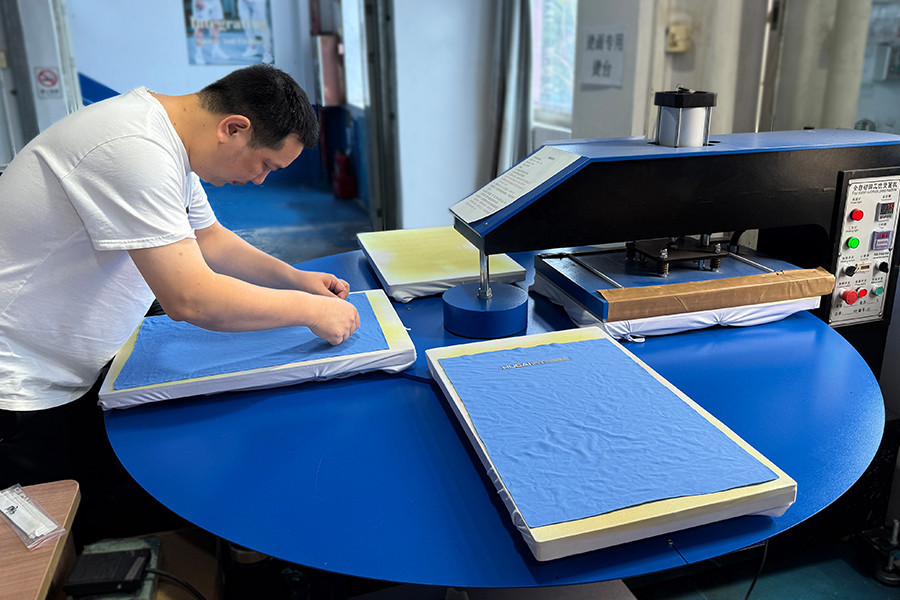
Capri silhouettes are returning to UK and Nordic activewear ranges alongside the 7/8 and full-length bottoms that never left. For buying teams planning a private label leggings program, the three lengths are often treated as one legging with a different inseam number. That shortcut creates most of the fit and grading problems seen later at sampling. In custom leggings development at a women's activewear manufacturer such as HUCAI Sportswear, length changes where compression acts, where seams and hems sit, how sizes grade, and what role the product plays inside a collection. This article explains what needs to be defined before the first sample, and where the common failures appear.
Quick Answer
Capri, 7/8 and full-length leggings are different product architectures, not the same pattern cut shorter. Length changes the coverage point, the circumference that the hem must fit, the pressure distribution of the fabric, and the way sizes grade across heights. Confirm the target role, key measurements, calf and ankle opening behavior, and movement requirements before sampling, then review each length on representative bodies rather than approving from flat measurements alone.
Table of Contents
- Who This Article Is For
- Length Is a Product Decision, Not Just an Inseam Number
- Product Role by Length: Capri, 7/8 and Full-Length
- Pattern and Grading: What Changes When Length Changes
- Fabric and Compression: How Length Redistributes Pressure
- Sample Risks at the Calf, Knee and Ankle
- Planning One Bottom Family: Lengths, Fabrics and MOQ
- Decision Check
- Manufacturer Insight
- FAQ
- Final Takeaway
Who This Article Is For
- Primary reader: growing brands planning or expanding a women's leggings line with more than one bottom length.
- Secondary reader: private label buyers and sourcing teams translating a retail length idea into a development brief.
- Product stage: product definition and pre-sampling planning, before the first pattern or fabric confirmation.
- Problem being solved: treating capri, 7/8 and full-length as inseam-only differences and discovering fit, grading or ordering problems later.
- Who may not need this article: brands with a single confirmed length, an approved spec pack and a stable fit history already moving through bulk.
What you gain from this article: a clearer way to assign product roles to each length, the measurement and grading questions to raise before sampling, the fabric and compression checks that change with length, and a practical planning sequence for a bottom family that controls sample rounds and keeps MOQ planning realistic.
Length Is a Product Decision, Not Just an Inseam Number
When a range carries capri, 7/8 and full-length leggings, each silhouette answers a different buyer question. Capri styles typically cover studio, warm-weather and cropped looks where the leg opening lands above the calf muscle. 7/8 styles sit between the calf and the ankle and have become a standard all-purpose length in European training and athleisure ranges. Full-length styles extend to or below the ankle and carry the classic compression and coverage role.
The difference matters for manufacturing because the hem moves across changing leg circumferences. The calf tapers, the ankle is narrower, and the fabric tension at each point behaves differently. A length change therefore alters three practical things at once: where the garment finishes visually, how much fabric is consumed, and where pressure concentrates on the leg.
Buyers who describe a new style only as "a 7/8 version of our legging" usually have not yet answered the questions that determine fit: which customer height range the length serves, whether the opening should grip or sit loose, and how the length interacts with the waistband and rise already confirmed for the full-length style.
Product Role by Length: Capri, 7/8 and Full-Length
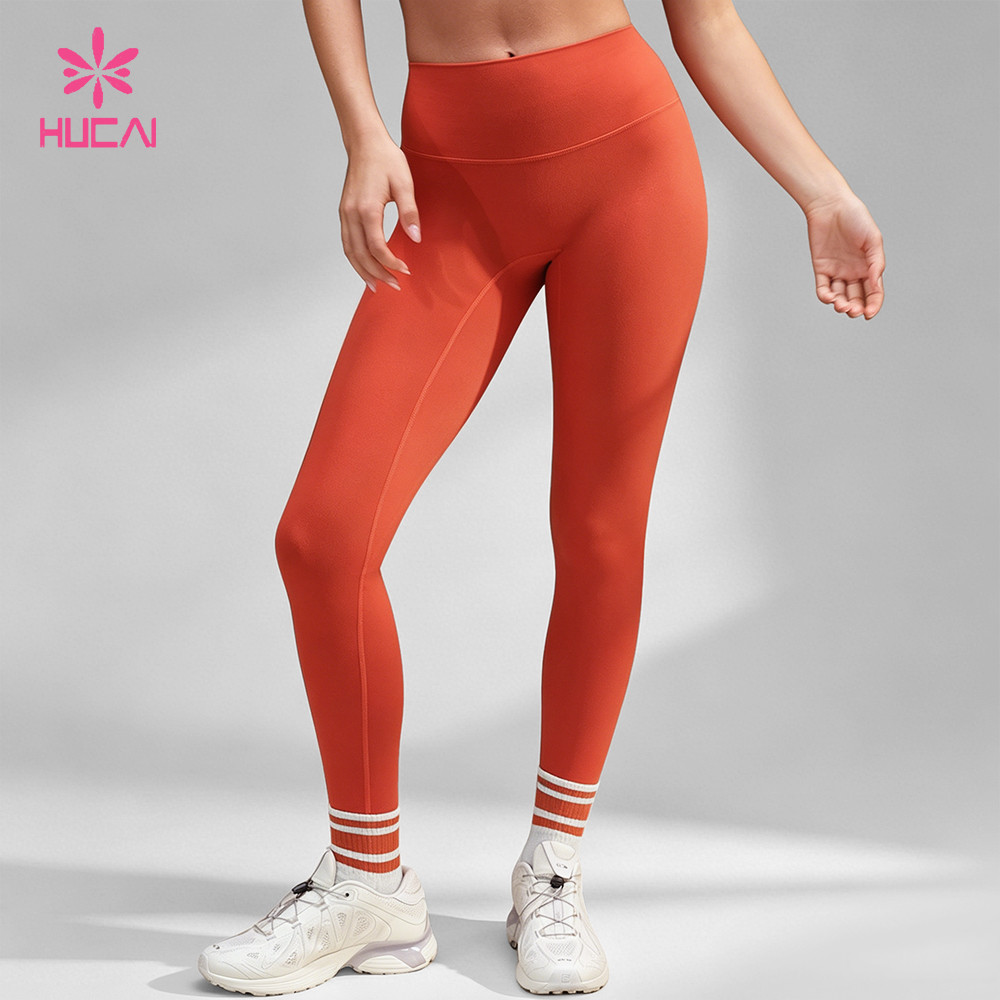
Assign each length a role before touching a pattern. The same fabric, waistband and rise can be shared, but the product message changes with the coverage point. The table below summarizes how the three lengths usually behave in a range.
| Length | Typical coverage | Main role in a range | Key development focus |
|---|---|---|---|
| Capri | Ends below the knee, around the upper calf | Studio, warm-weather, retro-inspired and cropped looks | Calf opening circumference and hem grip |
| 7/8 | Ends between the calf and the ankle | All-purpose training and athleisure staple | Leg line across different heights and shoe interaction |
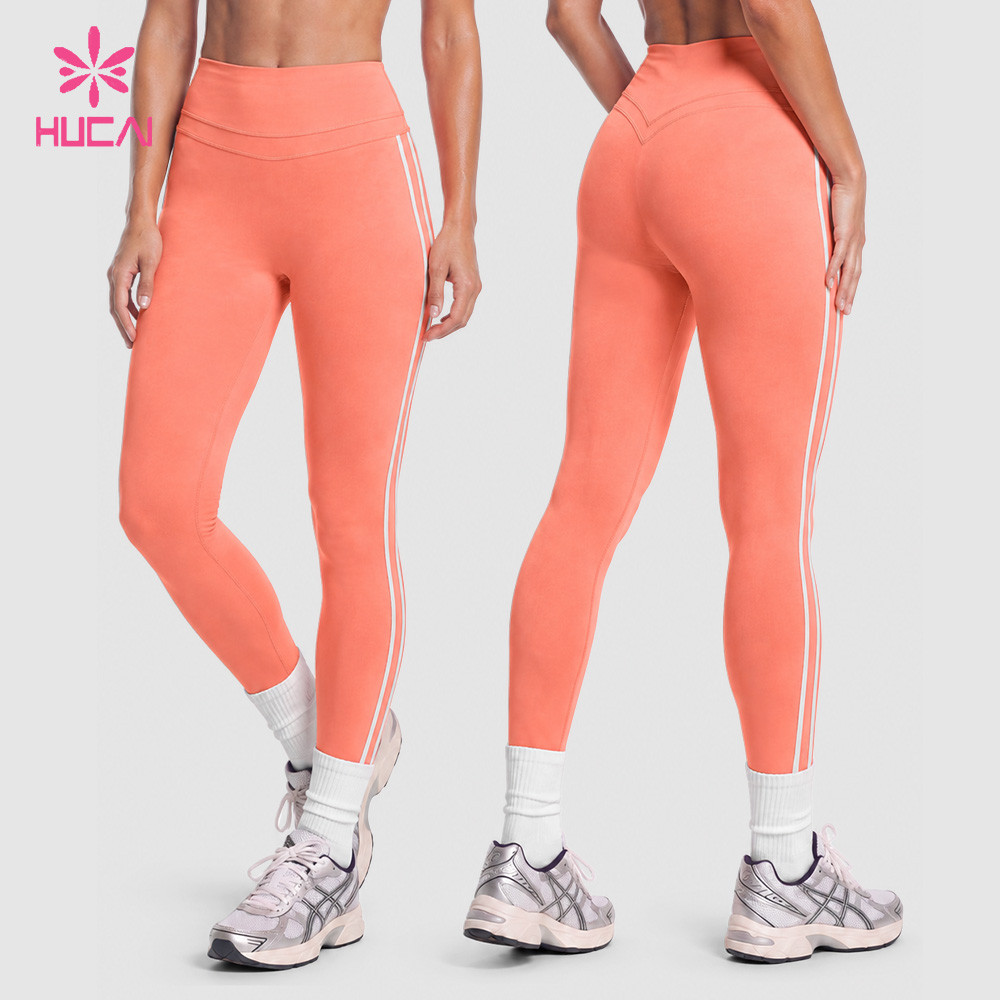
| Full-length | Ends at or below the ankle | Compression, coverage and classic legging role | Ankle fit, stretch recovery and hem stability |
Within one brand, the three lengths may also serve different seasons or activities. A warm-weather capri capsule, a core 7/8 training legging and a full-length compression style can coexist in one bottom family as long as the development brief separates their roles instead of describing them as one style in three cuts.
Pattern and Grading: What Changes When Length Changes
Pattern work for multiple lengths starts with the same leg silhouette, but each length shifts where the pattern must add or remove ease. The knee, calf and ankle are different geometries. A pattern graded for a full-length legging cannot simply be shortened at the hem, because the calf and ankle openings were positioned for the original length.
Grading deserves separate attention. Inseam grading between sizes should follow the height curve of the target market, and that curve interacts with each length differently. A capri that looks balanced on a fit model of average height can finish at an awkward point on taller or shorter customers. A 7/8 length that works for one height group may sit mid-calf for another, which is often described as an "awkward length" in wearer feedback. Full-length styles depend more on consistent ankle position and hem width across the size set.
Before the first sample, define the size range, the target height curve, and how each length should land on the smallest and largest sizes. This prevents grading corrections that are costly to apply after samples are cut.
Planning a new bottom length program? Share the target lengths, size range, compression direction and reference images with the custom leggings development team, or discuss a full ODM development review if the collection direction still needs structuring before sampling.
Fabric and Compression: How Length Redistributes Pressure
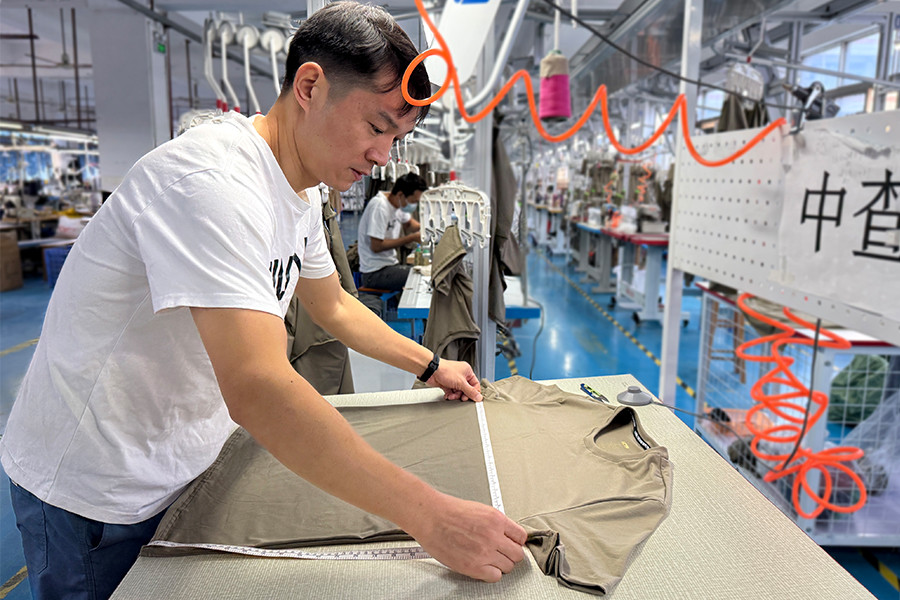
Fabric does not change with length, but the pressure map does. A compression legging builds its hold through fabric tension over the body. When the leg coverage shortens, the remaining fabric must manage the same movement with less surface area, which can increase pressure at the edges.
The hem position is where this becomes visible. A capri hem sits at the calf, where circumference is larger and muscles change shape during movement, so the opening must balance grip against restriction. A 7/8 hem finishes in a narrower zone closer to the ankle. A full-length ankle opening has the smallest circumference and depends on stretch recovery to avoid flaring after wear or washing.
Fabric review for a multi-length program should therefore include stretch and recovery direction, opacity at each intended length, surface hand feel, and how the fabric behaves when cut at different angles for hems and openings. Fabric consumption also rises with length, which affects fabric cost and yield planning per style.
Sample Risks at the Calf, Knee and Ankle
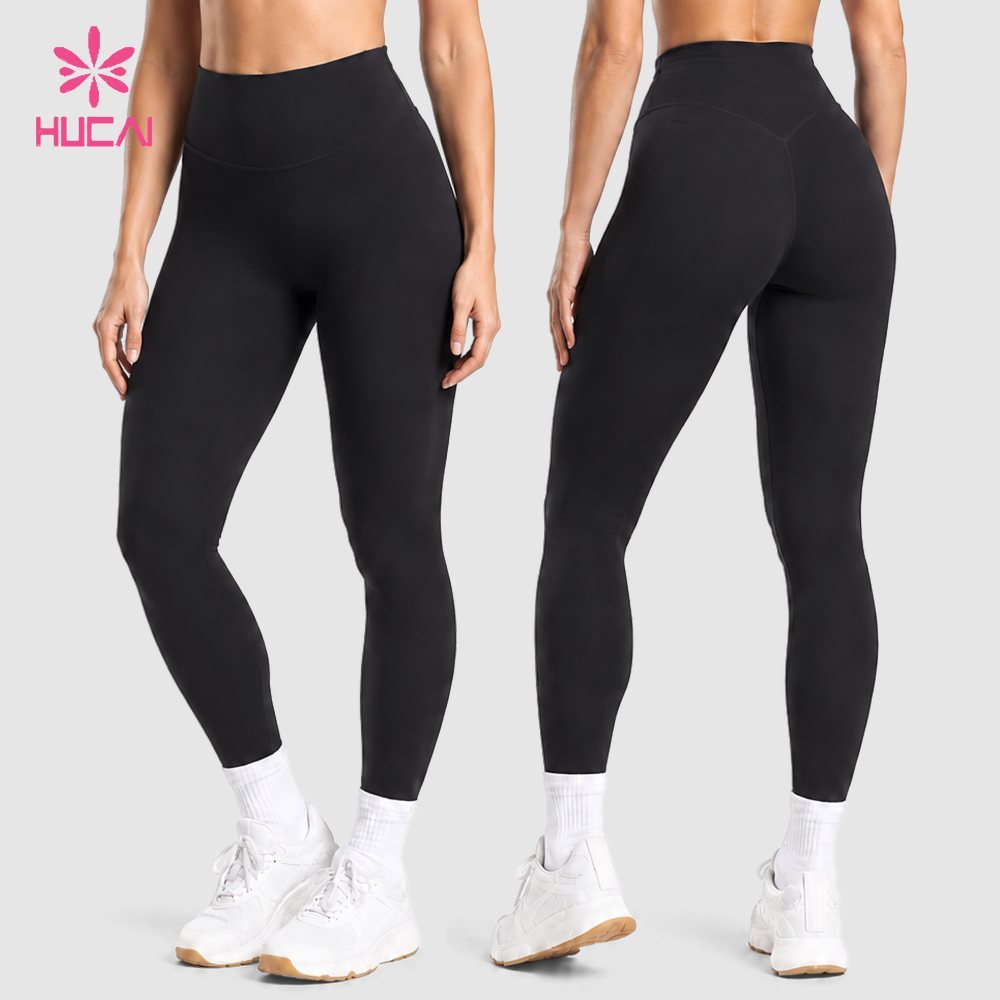
Most length-related sample issues appear in movement, not in flat measurement. A common early-stage pattern is a capri that looks balanced on the hanger but presses into the calf during squats or lunges because the opening circumference and fabric recovery were not reviewed together.
7/8 styles carry a different risk. On bodies outside the planned height range, the hem can finish at an uncomfortable or unflattering point, creating "awkward length" feedback that is difficult to fix by pattern alone without revisiting the height curve. Full-length styles most often show problems at the ankle: hems that ride up during movement, openings that stretch out over time, or fabric that bags at the knee after repeated wear because recovery is insufficient for the stress level.
The first length-focused sample review should include deep squats, lunges, a stride test and a sit test, plus a wash cycle to check hem distortion and opening recovery. Approving from flat measurements or from a standing fit alone leaves these risks for later rounds.
Planning One Bottom Family: Lengths, Fabrics and MOQ
A bottom family is easier to manage when the plan is made across lengths rather than style by style. Decide the hero length first, then treat the others as variations that share as much as possible: waistband construction, rise, fabric family and color program.
For a first capsule, limiting the program to one fabric family and two or three coordinated colors keeps lab dips, trim and bulk review manageable. Each additional length adds its own pattern and grading work, and each color adds its own MOQ consideration, so the number of styles multiplied by colors should be planned deliberately rather than allowed to grow.
The current public MOQ starts from 100 pcs per style, while final color, size, fabric, trim and customization planning depends on the confirmed project. Sample development usually takes about 10-15 days depending on style, fabric, trim and revision requirements. Bulk production often takes about 25-30 days after pre-production details and approvals are confirmed, depending on project scope, materials, processes, quantity and scheduling. Sharing these parameters early lets the manufacturer plan fabric purchase and production slots around the whole family instead of each length in isolation.
Decision Check: Is Your Length Architecture Ready for Sampling?
Before requesting samples for a multi-length program, confirm the following:
- Product role: the target activity, climate and use case assigned to each length are written down, not assumed.
- Customer and height range: the size set and height curve represent the actual target market, including taller and shorter customers.
- Compression target: the intended compression direction and pressure level are defined per length and confirmed as realistic for the fabric.
- Key measurements: inseam by size, calf and ankle opening circumferences, hem width and rise are listed in the brief.
- Movement behavior: the sample review plan includes squat, lunge, stride, sit and wash checks on representative bodies.
If five or more criteria are confirmed, the direction is ready for a structured sample request. If fewer are resolved, additional development planning will reduce sample revision cycles and control cost.
Manufacturer Insight
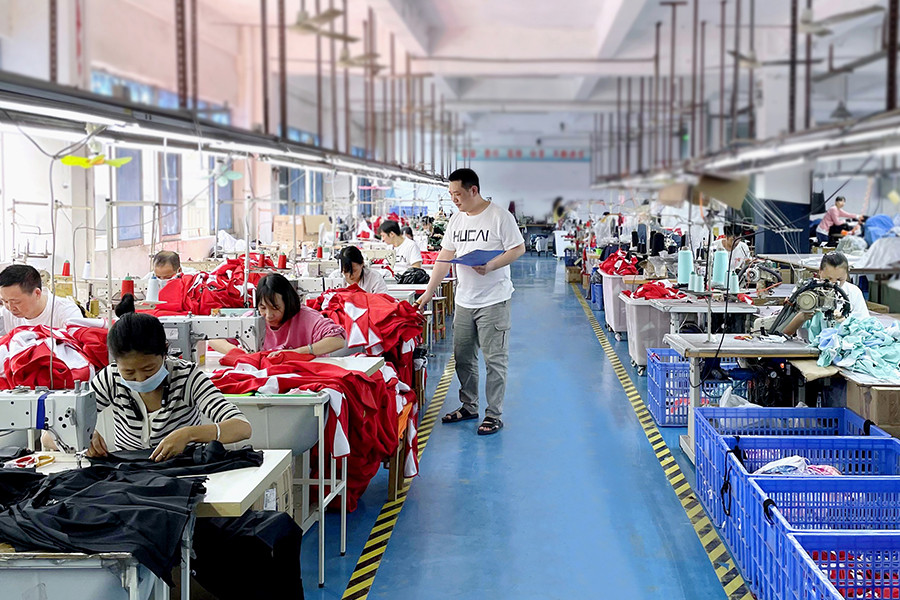
The failure pattern we see most often in length-led projects is a sample that looks correct on the fit model standing still, then fails in movement: the capri calf opening presses, the 7/8 hem lands at a different point on other bodies, or the full-length ankle relaxes after the first wash. Flat measurements look right because they cannot show pressure or recovery behavior. In sample reviews at HUCAI Sportswear, each length is measured at its hem and openings, then checked on multiple bodies through movement and a wash cycle before pattern sign-off. Confirming the height curve and opening behavior early separates a length program that settles in one or two rounds from one that spends several rounds correcting the same geometry.
FAQ
What is the difference between capri and 7/8 leggings?
Capri leggings typically end below the knee around the upper calf, while 7/8 leggings finish between the calf and the ankle. The difference affects where the hem sits, how the opening fits the leg, and how the style looks on different heights, so the two lengths need separate pattern and grading review even when they share fabric.
Does compression change with legging length?
The fabric compression level does not change by itself, but the pressure distribution does. A shorter length concentrates the same fabric tension over less surface area, which can increase pressure at the hem and openings. Compression direction and pressure should be reviewed for each length rather than copied from one style.
Why can capri leggings feel tight at the calf?
Capri openings sit at the calf, where the circumference is larger and the muscle changes shape during movement. If the opening circumference, fabric stretch and recovery are not balanced, the hem can press during squats or lunges. This is usually resolved in pattern and fabric review before sampling.
How should inseam be graded across sizes?
Inseam grading should follow the height curve of the target market and be reviewed per length. The grading increments between sizes and the way each length lands on the smallest and largest sizes must be confirmed on representative bodies, because a length that works for one height group can finish awkwardly for another.
Can one fabric family be used across all three lengths?
Often yes, when the compression direction and use case are consistent, because sharing a fabric family simplifies color, trim and MOQ planning. Recovery, opacity and hem behavior still need to be reviewed on each length, since the stress and opening positions differ.
Which length is easier for a first capsule?
That depends on the target market and activity, not on a universal rule. A 7/8 all-purpose length suits many training and athleisure ranges, while warm-weather or studio programs may lead with capri. The easier first capsule is the one with one clear role, one fabric family and a size range the brand can fit reliably.
What should be reviewed during the first length-focused sample?
Check the hem and opening circumferences against the brief, the fit on calf and ankle, movement behavior in squat, lunge and stride tests, and hem recovery after a wash cycle. Compare the same points across the full size set rather than approving from one size.
What should a brand prepare before asking a manufacturer to develop multiple lengths?
Prepare the target lengths and their roles, the size and height range, the compression direction, key measurements per length, reference samples or images, and the collection colors. The current public MOQ starts from 100 pcs per style, with sample development usually about 10-15 days and bulk production often about 25-30 days after approvals, so early clarity helps the manufacturer plan fabric and production around the whole family.
Final Takeaway
Capri, 7/8 and full-length bottoms belong in one plan, but they are not one pattern in three lengths. Each length changes where compression acts, where openings sit, how sizes grade and what role the style plays in the range. Define the roles, height curve, key measurements and movement checks before sampling, and review each length on representative bodies through movement and washing. That sequence keeps sample rounds focused and makes the step into bulk production clearer.
About HUCAI Sportswear
- Founded in 1998, a women's activewear and sportswear manufacturer based in Dongguan, China
- OEM, ODM and private label development support for leggings, sports bras, shorts, tops and matching sets
- Structured sample development, fabric and trim review, and sample-to-bulk consistency control
- AQL 2.5-based inspection as part of the quality workflow
Current certification information can be reviewed during supplier evaluation based on the project and documentation requirements.