Easy-Care Activewear: What Brands Should Specify for Washability, Shape Retention and Everyday Use
- Share
- publisher
- HUCAI Sportswear
- Issue Time
- Nov 5,2026
Summary
Easy care is a specification problem before it is a fabric problem. This guide sets out the six properties brands must define for washable activewear, how knit structure, elastane and dye depth decide care behaviour, where waistband and seam engineering affect shape retention, and the garment-level wash verification sequence to run before bulk approval.
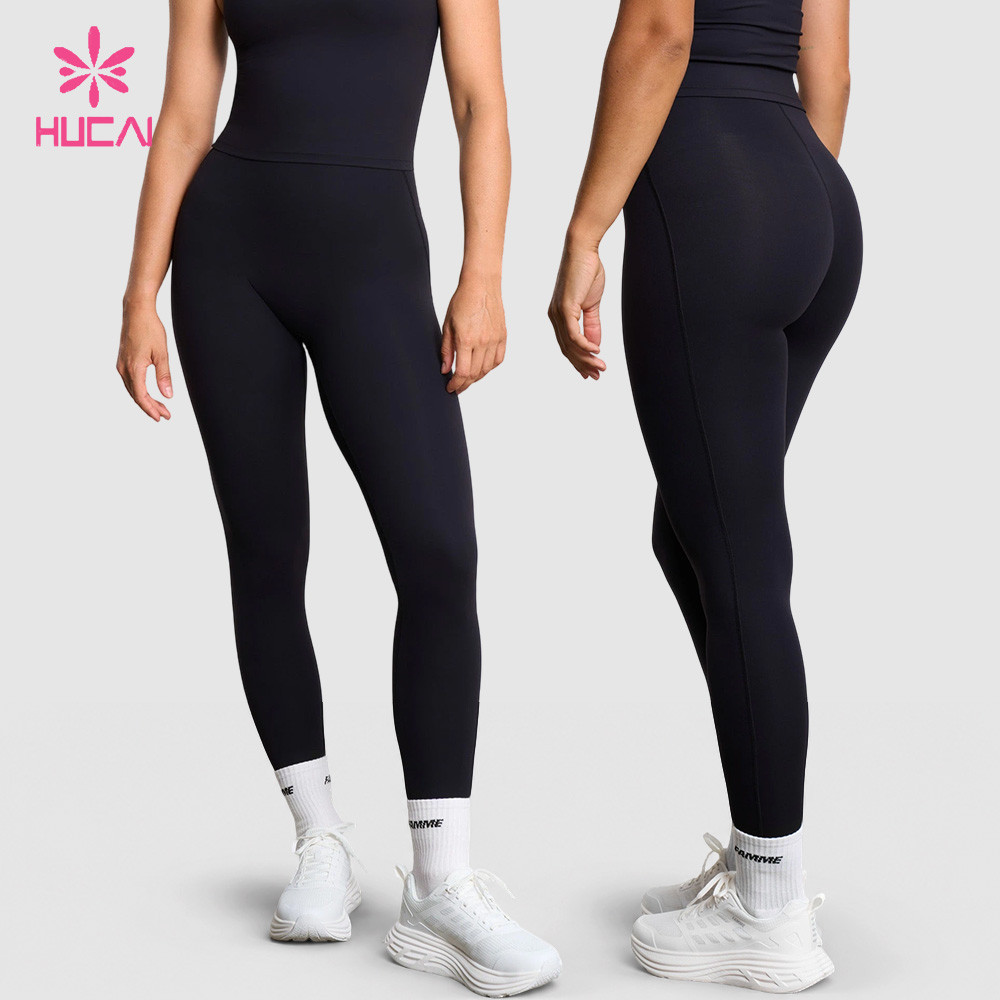
Many easy-care claims fail in the laundry, not on the hanger. A legging can pass a fit review in the sample room and still come back from a customer's third wash shorter in the leg, duller in the black, or loose at the waistband. For brands developing private label leggings and bra tops with an everyday positioning, the gap is rarely one bad fabric choice. It is an undefined specification.
Washability, dimensional stability, colourfastness, drying behaviour and shape retention are development decisions. They have to be written into the brief before sampling, tested on the garment rather than only on the fabric roll, and locked into pre-production standards before bulk. This guide sets out what to define, how to verify it, and where HUCAI Sportswear reviews those requirements during fabric, pattern and pre-production approval.
Quick Answer
Easy-care activewear should be specified as a bundle of measurable properties, not as a marketing phrase: dimensional change after laundering, colourfastness, shape retention at waistband and underband, surface integrity, drying behaviour, and care-label compatibility with the target market. Each property needs a test direction and an acceptance criterion in the tech pack before sampling. Brands that define these six items early usually avoid the most expensive outcome in this category, which is a core repeat product that passes sample approval and then generates care complaints in the first selling season.
Table of Contents
- Who This Article Is For
- Easy-Care as a Specification: Six Properties Buyers Must Define
- Fabric Direction: Where Washability and Drying Behaviour Are Decided
- Shape Retention: Waistband, Underband and Seam Engineering
- Colourfastness and Surface Integrity After Repeated Washing
- The Verification Protocol: What to Test Before Bulk
- Everyday-Use Positioning: How Care Specs Change the Product Brief
- Decision Check
- Founder's Technical Insight (Jean Yuan)
- FAQ
- Final Takeaway
Who This Article Is For
- Primary reader: growing brands building a repeat-purchase core line of leggings, sports bras and matching sets, where the product is expected to survive normal home laundering rather than a single occasion.
- Secondary reader: established brands re-specifying a core style that already sells, because care complaints, fading or shrinkage have appeared after the first production cycle.
- Product stage: brief, tech pack, or re-development of an approved style. The article is most useful before the first sample is cut, and still useful before the second revision.
- Problem being solved: the product looks correct at approval, then changes after washing, or the care requirement was never converted into a testable specification.
- Who may not need this article: teams developing a technical competition garment where care is already governed by an external federation or retailer standard, and the specification is fixed by that document.
What you gain from this article: a six-property care specification you can paste into a tech pack, a garment-level verification sequence that catches problems fabric tests miss, and a clear view of which design combinations make easy care difficult before you commit to sampling.
Easy-Care as a Specification: Six Properties Buyers Must Define
"Easy care" is not a test. It is a promise made to a consumer, and it only becomes useful to a factory when it is broken into properties that can be measured. Six properties cover most of what buyers actually complain about.
| Property | What it controls | Typical failure |
|---|---|---|
| Dimensional stability | Length and width change after laundering and drying | Leg length shortens, body width pulls in, waistband circumference shrinks |
| Colourfastness | Colour change and colour transfer during washing and rubbing | Black turns charcoal, dark shades mark light trims or packaging |
| Shape retention | Recovery of waistband, underband and hip after repeated extension and heat | Waistband rolls or grows, underband softens, knee area bags |
| Surface integrity | Pilling, snagging, fuzzing and print or logo adhesion | Inner-thigh pilling, brushed surface flattening, heat-transfer logo lifting |
| Drying behaviour | Water retention and drying time in normal home conditions | Heavy cellulosic blends stay damp, handle poorly after line drying |
| Care-label compatibility | Whether the care instruction matches what the fabric and trims can actually survive | Label says tumble dry low, garment cannot tolerate dryer heat |
The first decision is not which fabric to use. It is which laundry environment the product will meet. A brand selling into North America and a brand selling into the Nordic markets may face different washing temperatures, detergent chemistry and dryer habits, and the same garment can pass in one market and fail in the other. Standards provide a common language here: dimensional change is commonly assessed with protocols such as AATCC 135 for home laundering, colourfastness to laundering with methods such as AATCC 61, and domestic washing and drying procedures are described in ISO 6330. These are reference frameworks, not a substitute for a brief. The brand still has to decide the temperature, the cycle count, the detergent type and whether a dryer is part of normal use.
Once those conditions are written down, the six properties above can be assigned a target and a test direction. Without them, the sample room can only confirm appearance at approval, which is exactly the stage at which care problems are least visible.
Fabric Direction: Where Washability and Drying Behaviour Are Decided
Washability is largely fixed at the fabric selection stage, before a pattern exists. Four variables do most of the work.
Knit structure and recovery
Interlock, rib and single-jersey structures behave differently under repeated extension. A tighter, denser structure usually holds shape better in the hip and thigh, but it also feels firmer and can be warmer. Rib structures recover well in one direction and less predictably in the other, which matters when a waistband is cut from the same fabric as the body.
Elastane content and heat sensitivity
Elastane is usually what gives a legging its return. It is also heat-sensitive. A fabric that recovers well after line drying can lose recovery faster when it is repeatedly tumble dried, and the loss is gradual enough to be invisible at sample approval. This is a common gap between a fabric test result and a customer's experience in month three.
Fibre blend and water retention
Synthetic-dominant blends generally dry faster and hold their dimensions more predictably. Cellulosic blends such as modal or cotton bring drape and a softer hand, and they also hold more water, which lengthens drying and increases the chance of distortion if the garment is hung wet. Neither direction is wrong. The point is that a drying claim and a drape direction pull against each other, and the brief has to choose.
Dye class, depth and finishing
Deep shades are often the hardest colour group to keep stable, because any colour change is more visible against a dark ground and because surface abrasion shows as a lighter patch rather than a shade shift. Finishing adds a second variable: softeners and brushing improve hand feel, but a brushed surface can flatten, pill or hold lint, while a smooth surface is easier to keep looking consistent. Public product pages from established activewear brands increasingly place care guidance next to fabric description rather than leaving it on the label, which reflects the same trade-off: hand feel sells the first purchase, care behaviour decides the second.
In HUCAI Sportswear's fabric review, the hand-feel target and the care target are compared at the same time rather than in sequence. Where a brand asks for a brushed hand and a deep black in one style, the review will normally flag that the combination needs a defined fastness and pilling target before sampling, because the two requests pull in opposite directions.
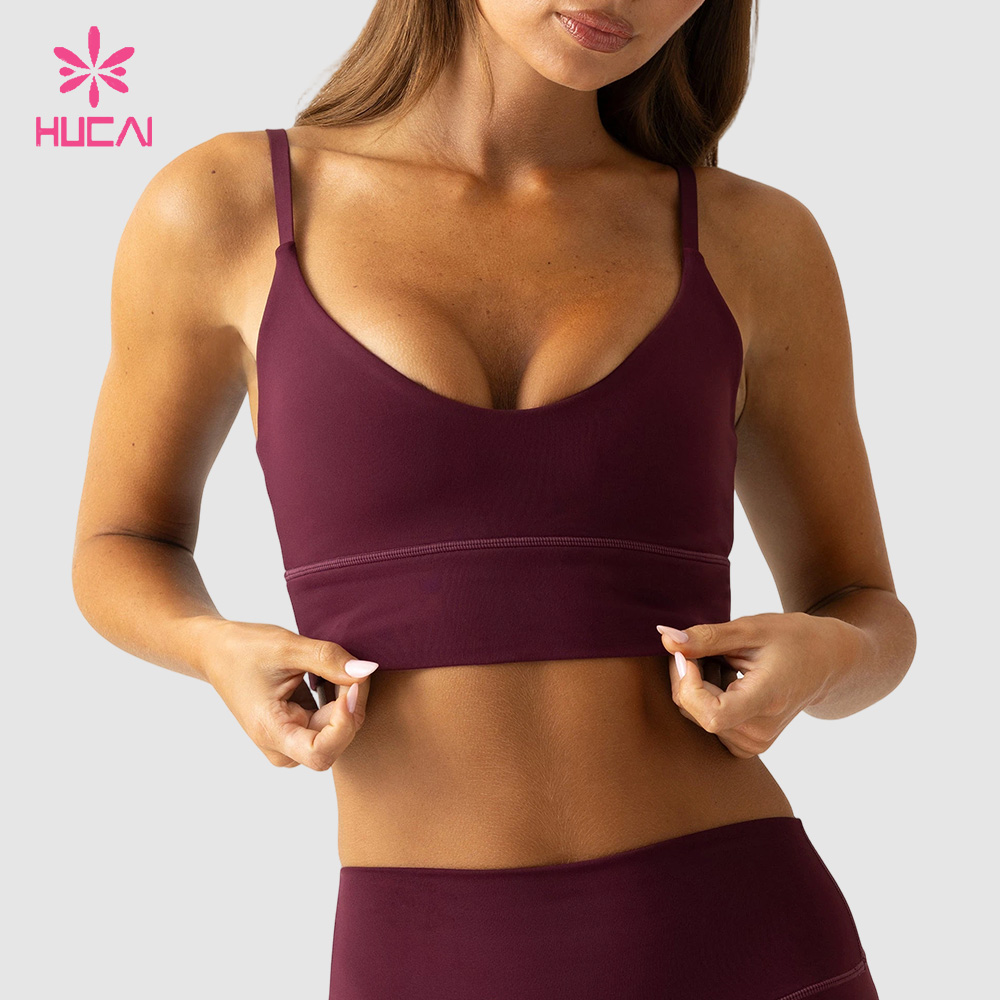
Shape Retention: Waistband, Underband and Seam Engineering
Shape retention fails at the garment level, in places that a fabric test cannot see. The waistband is the first. A wide, double-layer waistband distributes pressure and usually holds position better than a narrow single-layer band, but only if the elastic inside it is specified by modulus rather than by width alone. A band that is strong enough to stay up in the fitting room can still relax after repeated washing if the elastic was selected for initial grip rather than for recovery after heat exposure.
Bonded and glued constructions add a second risk. Bonding removes bulk and gives a smooth construction with a clean seam appearance, which suits an everyday legging, but the bond line is a heat-and-pressure process. If the process window is not controlled, or if the shell and the adhesive respond differently to laundering, the edge can lift or bubble. Stitched construction is more forgiving, provided the seam type matches the fabric: a four-needle six-thread flat seam on a high-stretch knit needs the right stitch density and thread, or the seam will pucker as the shell relaxes.
Thread selection is the quiet variable. If the sewing thread shrinks differently from the shell fabric, the seam will draw in after the first wash even when the fabric itself is dimensionally stable. The same logic applies to underbands and bindings: a narrow underband on custom sports bras concentrates stress, and a binding cut on the wrong grain will pull the neckline out of shape.
What a brand should specify is therefore not "good recovery" but the construction terms: waistband height and layer count, elastic type and application method, seam type and stitch density, thread type, and the recovery target measured after laundering rather than before. HUCAI Sportswear's pattern room sets shrinkage allowance from the approved fabric data and then rechecks waistband and underband behaviour on the washed sample, because this is where revision cycles are usually spent.
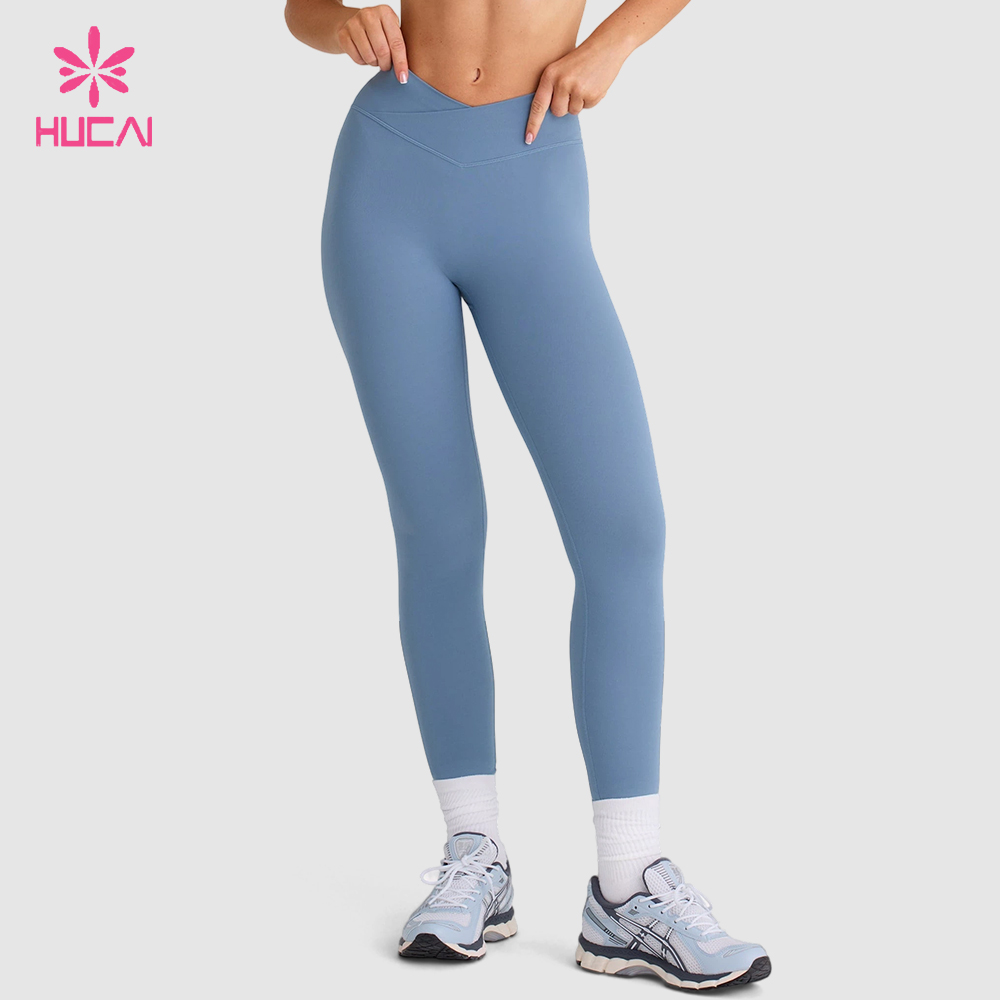
Colourfastness and Surface Integrity After Repeated Washing
Colour problems reach the buyer in three forms, and they need three different specifications. Colour change is the garment fading or shifting shade. Colour transfer is dye moving onto another garment, a light trim, or the inside of a wash drum. Crocking is colour coming off on rubbing, which is what a customer sees on a white sofa or a pale yoga mat. A single "colourfast" instruction in a tech pack does not cover all three.
Deep shades deserve their own target. Black, deep navy and saturated burgundy are the shades where a small change is most visible, and also the shades where the visual difference between two dye lots is hardest to judge by eye under factory lighting. In matching set development, the risk multiplies: a bra and a legging cut from two different dye lots can look correct on the sample rail and separate visibly after two washes. Shade control has to be specified at the set level, with the bra and the legging treated as one colour unit rather than two styles.
Surface integrity covers the parts that are not colour. Pilling at the inner thigh, fuzzing on a brushed surface, a print that cracks along a fold line, and a heat-transfer logo that lifts at the corner after repeated washing are all care failures, and all of them are visible to a customer in a way that a shrinkage result is not. Trims belong in the same review: elastic dulling, labels curling, and coated hardware losing its finish are small details that read as poor quality.
This is where everyday positioning changes the arithmetic. A garment worn twice a week and washed after every wear accumulates laundering exposure far faster than an occasion piece. The same construction that is acceptable for a seasonal fashion style may be under-specified for a core repeat product. For the buyer, the practical conclusion is that colour and surface targets should be tied to the intended wear-and-wash frequency, not to the price point alone.
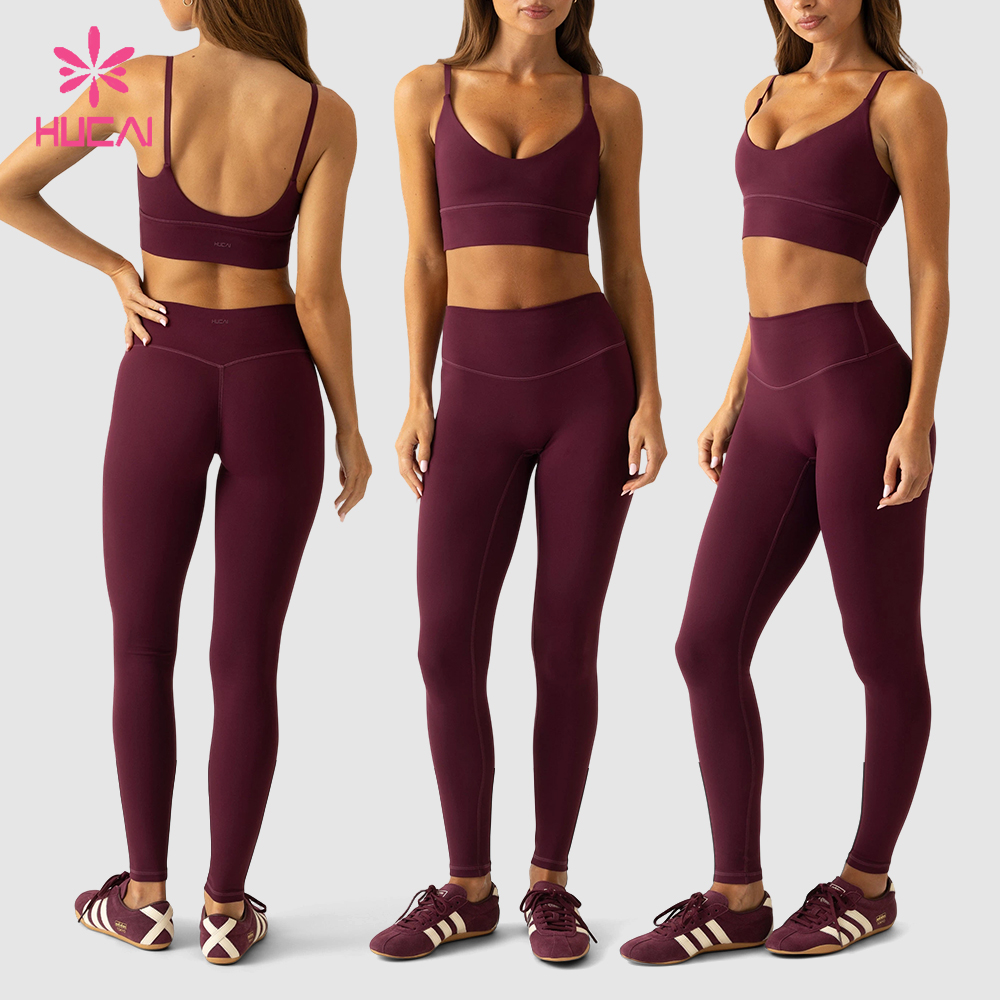
The Verification Protocol: What to Test Before Bulk
A fabric test report is a starting point, not an approval. The garment has seams, elastic, trims and a pattern allowance, and each of these changes how the finished piece behaves in water and heat. A workable verification sequence has six steps, and each one produces a document the buyer can hold.
- Define the care protocol. Record washing temperature, cycle type, detergent family, drying method, and whether a dryer is part of normal use in the target market. This becomes the reference for every later test.
- Screen the fabric against that protocol. Review dimensional change, colourfastness and surface behaviour before the pattern is finalised. At this stage a change of fabric direction is still cheap.
- Build the sample, then wash the sample. Measure flat dimensions before and after the agreed cycles at the same points the pattern room uses for grading.
- Inspect the garment, not only the numbers. Check waistband roll, underband softness, seam puckering, bond-line lifting, print cracking, logo adhesion and shade consistency between components.
- Set acceptance criteria in writing. A tolerance that is not written down becomes a negotiation after bulk, and the buyer usually loses that negotiation.
- Carry the approved standard into production. Pre-production review confirms the fabric lot, the elastic lot, the dye lots and the care label against the approved sample, and in-process checks confirm the construction details that drive care behaviour.
Two scheduling consequences follow. First, wash verification adds time before sampling approval, and it should be planned into the calendar rather than discovered at the end; sample development usually takes about 10-15 days depending on style, fabric, trim and revision requirements, and a wash-and-review cycle sits inside or after that window depending on the project. Second, bulk production often takes about 25-30 days after approvals are confirmed, so a specification change made after approval moves both dates.
HUCAI Sportswear reviews the confirmed care requirements during fabric and trim review, then carries the approved test documentation and care-label wording into pre-production review so the bulk lot is checked against the same standard as the approved sample. The intent is not to add paperwork for its own sake. It is to make the acceptance criterion exist before the first bulk cut rather than after the first complaint.
Everyday-Use Positioning: How Care Specs Change the Product Brief
When a product is positioned for everyday wear, the brief changes in five places.
- Fabric direction: a faster-drying, more dimensionally stable blend usually earns its place over a softer hand, or the two are combined in a panel structure with different behaviour in different zones.
- Colour strategy: deep shades need a defined fastness target and single dye-lot planning across a set, and light trims on dark grounds need a transfer check rather than a visual check.
- Trim and branding method: heat-transfer logos, printed labels and coated hardware each need a wash-durability requirement, and the application parameters become part of the quality standard.
- Pattern allowance: shrinkage allowance is set from the approved fabric data, and the waistband and underband are treated as recovering components rather than static measurements.
- Care communication: the care label, the listing copy and any packaging insert must describe the same protocol that was tested. A garment tested at 30°C with line drying should not be sold with a tumble-dry instruction.
Some combinations are genuinely difficult, and buyers are better served by hearing that early. A heavily brushed surface, a high elastane content, a deep black and a heat-transfer logo in one style create four separate care risks at once. That does not make the product impossible, but it does mean the specification has to be tighter than for a simple mid-weight legging, and the sample review has to include a washed garment rather than a fresh one.
There is also a positioning benefit that is easy to overlook. Care behaviour is one of the few product attributes a customer experiences repeatedly, which makes it a retention lever rather than a compliance detail. Brands that treat it as a specification tend to find that the same decisions that reduce complaints also make the next development round faster, because the fabric and construction variables are already documented.
Decision Check: Is Your Easy-Care Specification Ready for Sampling?
Before requesting samples, confirm the following:
- Care protocol defined: washing temperature, cycle type, detergent family, drying method and dryer use are written down for the target market, not assumed from the previous project.
- Six properties assigned: dimensional stability, colourfastness, shape retention, surface integrity, drying behaviour and care-label compatibility each have a target and a test direction.
- Construction terms specified: waistband height and layers, elastic type and application, seam type and stitch density, thread type, and underband construction are described rather than referenced by image.
- Component shade control planned: bra and legging, or top and bottom, are treated as one colour unit with a single dye-lot requirement for sets.
- Acceptance criteria written: tolerances and visual acceptance are documented before the first sample is cut, so approval is a comparison rather than an opinion.
If three or more criteria are confirmed, the direction is ready for a structured sample request. If fewer than three are resolved, additional development planning will reduce sample revision cycles and control cost.
Next step: if you already have a tech pack, send the fabric direction, construction details, care requirements and target market so they can be reviewed together before sampling. If you are starting from reference images, share the intended wear frequency, the colour direction and the care expectation for the end market, and the brief can be converted into a specification before a sample is cut. Review ODM development support or see how sample development is handled.
Founder's Technical Insight: Jean Yuan's Development Note
When brands bring us a legging that "shrank in the wash", the fabric report is usually clean. The problem is almost always the relationship between components rather than the shell itself. In the sample room, the most common version of this is a waistband whose elastic and shell shrink at different rates. The fabric passed its own dimensional test, the elastic passed its own stretch test, and the assembled band still pulled the waist in after the first home wash, because nobody tested the two together.
The same pattern appears with bonded edges and with bindings cut across the grain. Each component is acceptable in isolation, and the assembly is not. This is why I ask development teams to treat the washed sample as the reference garment, not the fresh one. A fresh sample shows what the design is supposed to look like. A washed sample shows what the customer will actually receive after a month.
Before approving bulk, our sample room checks five things on the laundered garment rather than on the flat drawing: the waistband height and position after drying, the underband width and softness, the seam line for puckering or bond lifting, the shade difference between components, and the appearance of any print or logo. If any of those five changes materially between the first and the approved sample, the standard is not yet defined, regardless of what the lab report says.
Jean Yuan leads product development at HUCAI Sportswear and reviews these points with buyers during sample approval, because a care specification that is agreed after bulk is a cost, while the same specification agreed before sampling is usually a two-line change to the tech pack.
FAQ
What does "easy care" actually mean in an activewear specification?
It means the garment has a defined and tested behaviour across six properties: dimensional change after laundering, colourfastness, shape retention at waistband and underband, surface integrity, drying behaviour, and care-label compatibility with the target market. A product is only easy care relative to a stated laundry environment, so the specification has to name the washing temperature, drying method and expected wash frequency before the claim means anything in production.
Which wash standard should a brand reference for activewear?
There is no single mandatory standard, so most brands reference a recognised protocol and then adapt it to the market. Dimensional change after home laundering is commonly assessed with methods such as AATCC 135, colourfastness to laundering with methods such as AATCC 61, and domestic washing and drying procedures are described in ISO 6330. The important step is to record the exact conditions used, because two reports quoting the same method can still differ in temperature, ballast and drying.
How many wash cycles should a sample go through before approval?
The cycle count should be agreed with the buyer and the testing provider, and it should reflect the intended wear-and-wash frequency rather than a default number. An everyday core leggings program accumulates laundering exposure much faster than a seasonal fashion style, so it needs a stricter protocol and a higher cycle count. Writing the number into the tech pack is more useful than choosing a number that sounds convincing.
Why does a legging shrink after washing if the fabric passed a shrinkage test?
Because the fabric test does not include seams, elastic, bindings or pattern allowance. A garment can shrink even when the shell is stable if the sewing thread relaxes differently, if the waistband elastic contracts, or if the pattern allowance was set from a different fabric lot. Garment-level verification on a washed sample is the only reliable check, and it is the stage where most care-related revisions are actually found.
Can deep shades such as black and burgundy be made easy care?
Yes, with a defined fastness target and controlled dye lots, but they are the most demanding colour group. Colour change and colour transfer are more visible on deep grounds, and two dye lots that look identical under factory lighting can separate after washing. For matching sets the bra and the legging should be treated as one colour unit, with a single lot requirement and a component-to-component shade check after laundering.
Will a heat-transfer logo survive repeated washing?
It depends on the application parameters, the fabric surface and the wash protocol, so it should be specified rather than assumed. The tech pack should state the wash-durability requirement for the logo, and the approval should be based on a laundered sample rather than a fresh one. Low-temperature application on a smooth surface behaves differently from high-temperature application on a brushed or high-elastane surface.
What should the tech pack include for care requirements?
Include the care protocol for the target market, the six property targets with test directions, the construction terms that affect care behaviour, the component shade requirement for sets, the trim and logo durability requirement, the care-label wording, and the acceptance criteria for a laundered sample. This is the minimum set that lets a factory and a testing provider work to the same standard.
What is the MOQ and how long does development take?
The current public MOQ starts from 200 pcs per style, while final colour, size, fabric, trim and customization planning depends on the confirmed project. Sample development usually takes about 10-15 days depending on style, fabric, trim, logo and revision requirements, and bulk production often takes about 25-30 days after pre-production details and approvals are confirmed. A wash-and-review cycle should be planned into that schedule rather than added at the end.
Final Takeaway
Easy care is a specification problem before it is a fabric problem. The brands that avoid care complaints are usually not the ones buying a more expensive material; they are the ones that wrote down the laundry environment, converted it into six measurable properties, specified the construction terms that decide shape retention, and approved a washed sample instead of a fresh one.
The practical order is straightforward: define the care protocol, screen the fabric against it, build and wash the sample, document the acceptance criteria, and carry the approved standard into pre-production. Every one of those steps is cheaper before sampling than after bulk. HUCAI Sportswear reviews fabric, construction and pre-production standards against the confirmed care requirements, so the specification that reaches the production floor is the same one that was approved in the sample room.
About HUCAI Sportswear
- Founded in 1998, specializing in women's activewear and sportswear manufacturing
- OEM and ODM development support for sports bras, leggings, shorts, tops, and matching sets
- Structured sample development and sample-to-bulk consistency control
- AQL 2.5-based inspection as part of the quality workflow
Current certification information can be reviewed during supplier evaluation based on the project and documentation requirements. Recycled or certified material options can be reviewed based on project requirements and available documentation.