High-Sweat Performance Fabric: What Weightless Should Mean in a Real Product Brief
- Share
- publisher
- HUCAI Sportswear
- Issue Time
- Sep 29,2026
Summary
Lightweight running and training fabrics are usually briefed with words like weightless, but weight is only one variable. This guide covers what a high-sweat fabric brief should define before sampling: target weight range and structure, opacity under stretch, recovery direction, damp-state behaviour, and construction and branding compatibility. Includes a brief-readiness checklist, a founder's note on evaluating fabric under load, and FAQ on coverage, recovery and MOQ.
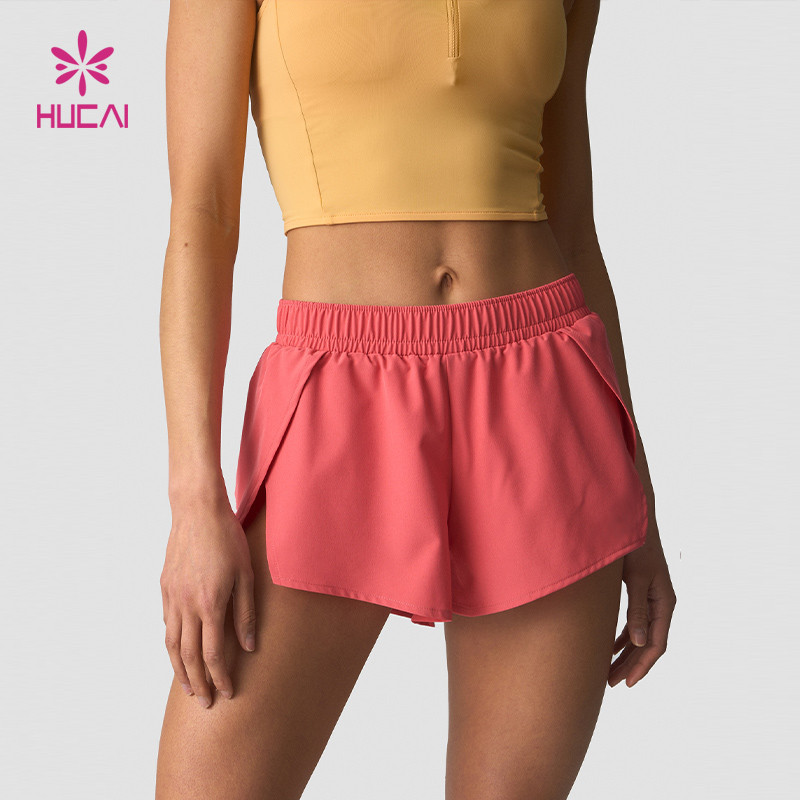
"Weightless" has become one of the most repeated words in high-output running and training briefs, and one of the least precise. Public product pages and collection language from benchmark labels such as Beyond Yoga and Gymshark lean on lightweight, barely-there and airy descriptions across running tops, shorts and training bras, and buyers often pass those exact words to a supplier without translating them. The development problem is that weightless describes a feeling, not a specification. When a brief contains only that word, fabric selection tends to default to the lightest option on the shelf, and the trade-offs surface later as coverage that fails under stretch, slow recovery, unstable seams, or a fabric that turns cold and clingy once it is wet. This guide explains how HUCAI Sportswear converts weightless language into measurable material, construction and sample criteria for private label running and training programmes, so the fabric decision is made in development rather than discovered in bulk.
Quick Answer
A "weightless" performance fabric should be defined by the balance of low bulk, recovery, coverage and moisture behaviour, not by choosing the lowest GSM available. In practice that means agreeing on a target weight range, a knit or woven structure, a stretch and recovery direction, an opacity target under tension, an expected surface feel when damp, and the garment construction the fabric has to support. Weight is one variable inside that brief; it is not the brief itself.
Table of Contents
- Who This Article Is For
- Why "Weightless" Is a Brief, Not a Number
- The Material Variables a Lightweight Brief Should Define
- Opacity and Coverage Under Tension
- Sweat Behaviour, Dry Feel and Skin Contact
- Construction Compatibility: Liners, Waistbands, Hems and Seams
- Sample Approval Tests Before Bulk
- Decision Check
- Development Next Step
- Founder's Technical Insight (Jean Yuan)
- FAQ
- Final Takeaway
Who This Article Is For
- Primary reader: Running and training brands building a private label range of high-sweat tops, sports bras, running shorts or lightweight leggings.
- Secondary reader: Product developers and sourcing managers comparing lightweight fabric options inside an existing collection.
- Product stage: Product definition and fabric selection, before the first sample is cut.
- Problem being solved: A development brief that says lightweight or weightless without measurable material, coverage or construction criteria.
- Who may not need this article: Buyers looking only for a finished garment price, or brands with an approved fabric and construction file already running in bulk.
What you gain from this article: A structured way to turn lightweight language into a fabric brief, the variables worth agreeing before sampling, the coverage and recovery checks that catch problems early, and the sample approval points that reduce revision cycles before bulk planning.
Why "Weightless" Is a Brief, Not a Number
Weightless is a description of how a garment feels and behaves on a moving body. It is not a weight. Buyers who send the word on its own are usually asking for four things at once: a low-bulk feel, an airy surface, quick movement of moisture away from skin, and a garment that does not read heavy when it is worn. Those four outcomes do not move together, and none of them follows automatically from a low gram weight.
Two knits with the same GSM can behave very differently on the body. Yarn type, filament or spun construction, loop shape, elastane content and placement, surface finish and the garment's own pattern all change how light a fabric feels and how it performs under extension. A numerically lighter fabric with an open loop structure and weak recovery can feel heavier once it is stretched, because it creeps and bags rather than returning to shape. A slightly heavier knit with better recovery and a controlled surface can read as lighter on the body and hold its coverage through a full session.
For a sourcing buyer, the practical consequence is that a weight-only brief pushes the decision into sample revision. The supplier selects to the number, the first sample arrives, and the discussion moves to coverage, recovery and seam behaviour that were never specified. Benchmark running and training ranges in the US and UK markets describe these fabrics by feel and use case precisely because the weight number alone does not describe the product.
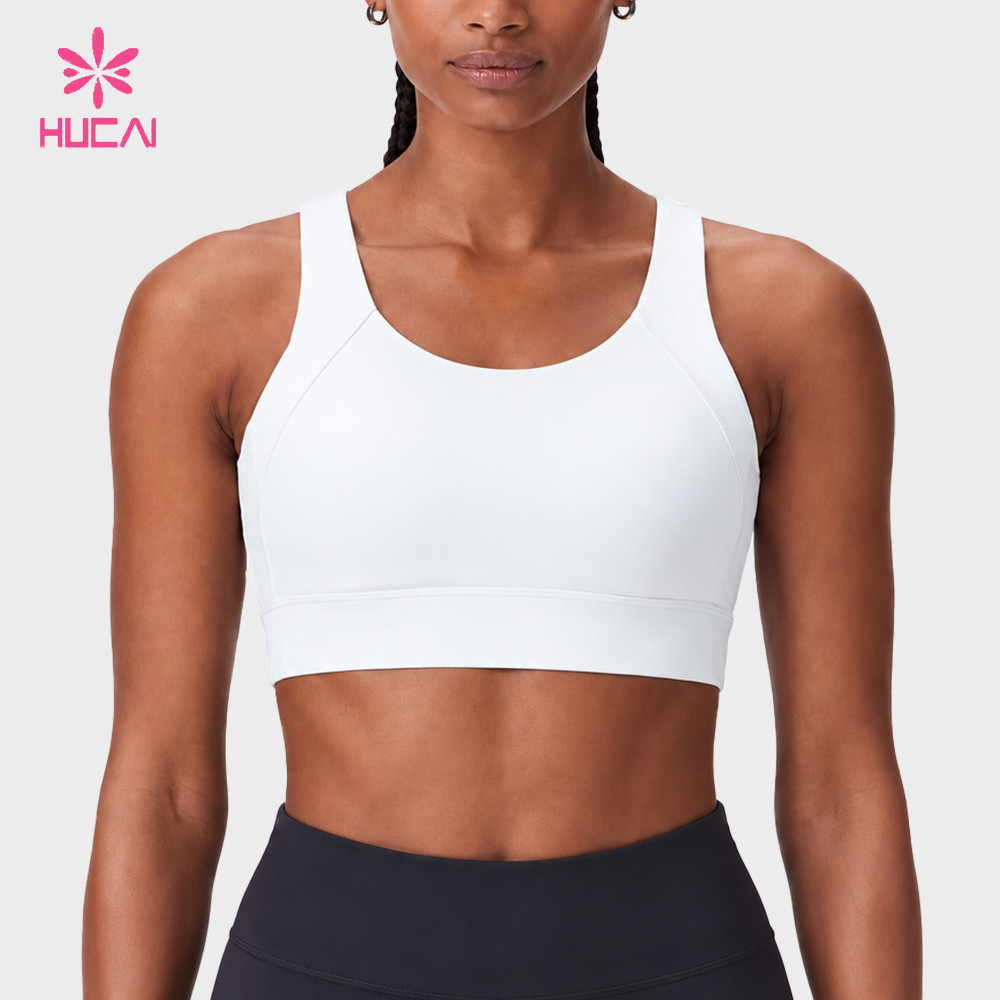
The Material Variables a Lightweight Brief Should Define
A lightweight fabric brief is a set of testable requirements. Weight is the first line, but the brief only becomes usable when the remaining variables are written beside it. The six below cover most of the decisions that otherwise return as sample revisions.
- Target weight range, not a single number: a working band in GSM that the fabric mill can hold consistently across dye lots, agreed alongside the structure.
- Fibre and yarn direction: the fibre family and whether the yarn is filament or spun, since both influence drape, surface and how the fabric behaves when damp.
- Knit or woven structure: single jersey, interlock, rib, mesh, jacquard or a stretch woven, each of which changes stretch direction, coverage and seam behaviour.
- Stretch and recovery direction: which direction the garment needs to extend, and how much it must return after a defined extension cycle.
- Surface finish and hand feel: matte, brushed, smooth or technical, and how that surface is expected to feel when dry and when damp.
- Testable performance requirements: the properties to be verified rather than assumed, reviewed against recognized method families for knit stretch and recovery, dimensional stability after washing, and colourfastness.
In HUCAI Sportswear's development room, a lightweight brief is written this way before fabric is proposed: the buyer states the garment role and the zones that matter, and the fabric options are presented against the full set of requirements rather than a single weight figure. Fabric selection is a review step, and the fabric selection process works more reliably when the brief arrives with the variables already named.
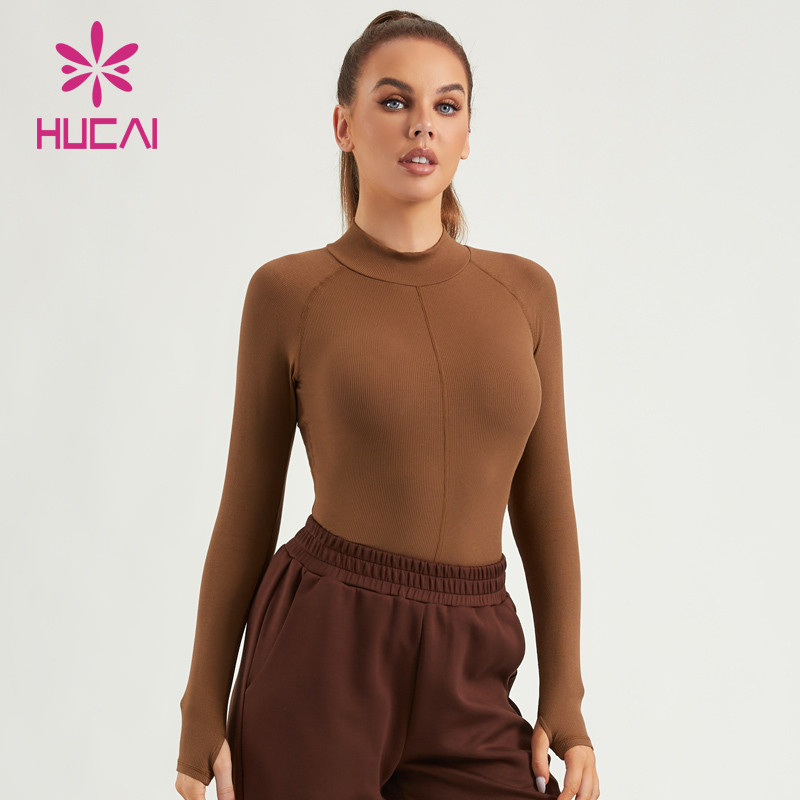
Opacity and Coverage Under Tension
Opacity is a property of a stretched fabric, not of a flat one. A swatch held against a light box looks acceptable; the same fabric stretched to the extension it sees at the seat of a legging, across the chest of a bra, or over a shoulder in a running top can read noticeably lighter. This is why lightweight programmes that approve coverage from a swatch card tend to reopen the decision at the fitting.
Three variables drive the risk. Lighter weights open the knit structure and let more light through. Lighter colours reduce the contrast between fabric and skin, which makes any change in coverage more visible. Higher required extension increases both effects at once. Coverage also varies by zone: seat, inner thigh, chest and upper back usually carry the highest risk, while sleeves and lower legs are more forgiving.
The workable approach is to define an opacity target by zone and by stretch state before sampling, then check it under the same conditions on every round. The HUCAI Sportswear development team records the zone, the extension level and the lighting condition used for each coverage check, so a revision can be compared with the previous sample instead of being judged from memory. Where coverage is marginal, the options are usually a small weight increase, a denser knit structure, a lining or panel in the exposed zone, or a colour adjustment within the range, and those choices are cheaper to test at the leggings development stage than after bulk fabric is ordered.
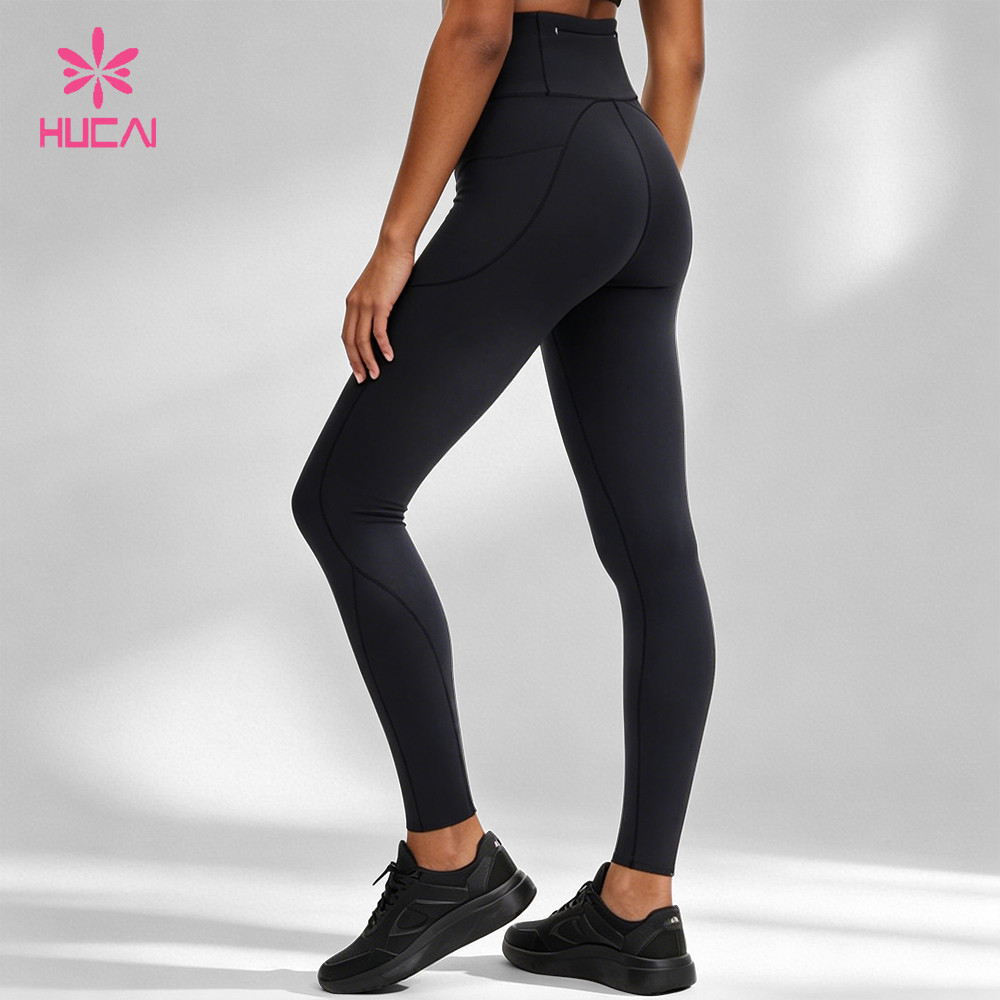
Sweat Behaviour, Dry Feel and Skin Contact
A high-sweat garment is designed for a fabric that will spend part of every session wet. That makes the damp state a development condition rather than an edge case, and it is the state most briefs describe least. Reviewers in running communities repeatedly describe the same experience with lightweight tops and leggings: the fabric feels acceptable on a hanger, then becomes clinging, heavy or visually different once sweat has spread through it.
Rather than claiming a performance, the brief should define what the fabric is expected to do and how it will be verified. Useful questions to agree before sampling include how the surface should feel against skin when damp, whether the fabric should stay clear of the body or drape away from it, whether a wet garment stays visually acceptable in the colour and weight selected, how quickly the fabric is expected to return toward a dry state under defined conditions, and how the fabric and its trims behave after repeated laundering.
Because these behaviours depend on fibre, knit structure and finish together, they cannot be added later by trim selection. A lightweight fabric that meets a coverage target but clings heavily when wet will still generate revisions at the fitting. Defining the damp-state expectation in the brief is what allows the fabric options to be compared on equal terms, and it is the point at which a sourcing decision becomes a material decision.
Construction Compatibility: Liners, Waistbands, Hems and Seams
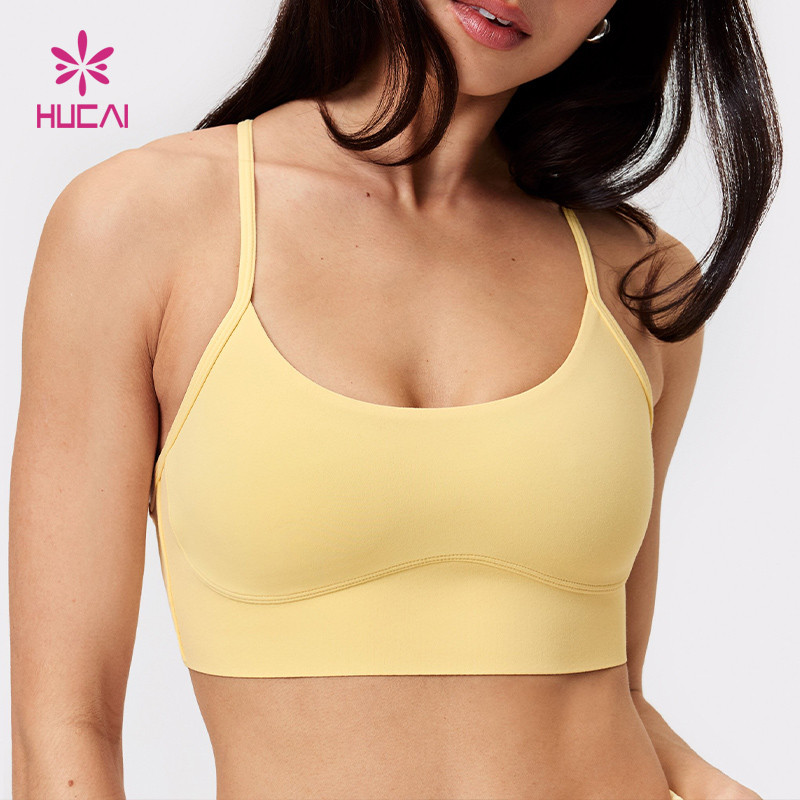
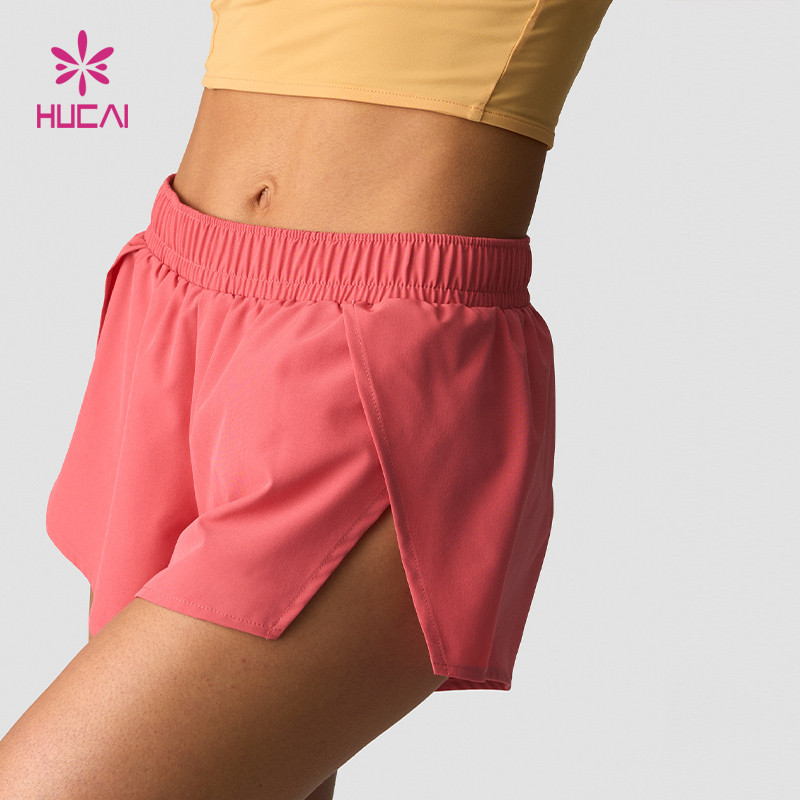
A lightweight fabric exposes everything it is joined to. Stitch tension that holds cleanly on a mid-weight interlock can pull, wave or hole on a lighter single jersey. Narrow hems that stay flat on a heavier knit can curl when the fabric has less body. Elastic applied without allowance for the fabric's own extension can create a compressed edge that reads heavier than the garment. In running shorts, the relationship between the shell and the liner is the deciding factor: if the two fabrics extend at different rates, the liner rides or the shell bunches during a stride.
Before sampling, the construction decisions worth naming are the stitch and needle specification for that exact fabric weight, the seam type and where it sits relative to the zones under load, hem and edge treatment, the elastic or trim system and how it interacts with the fabric's stretch direction, the branding method the fabric can actually carry, and, for lined styles, the shell-to-liner tension target. Heat transfer and bonded trims behave differently on mesh, rib and thin jerseys, so the branding method should be tested on the chosen fabric rather than approved from a colour card.
Sample Approval Tests Before Bulk
The sample stage is where a lightweight brief is either confirmed or corrected. A structured review covers the measurement set against the approved chart, stretch and recovery behaviour measured after a defined extension cycle, coverage checked in the named zones and the agreed lighting condition, seam and edge behaviour under load, damp-state appearance and feel, behaviour after a laundering cycle, and branding adhesion on the selected fabric.
Each of these checks is only repeatable if the standard is written down. HUCAI Sportswear records the agreed standard beside the sample result so that the pre-production review references a documented baseline rather than a remembered impression, and the same standards carry into the bulk quality control workflow. This is also where the commercial baseline should be confirmed: the current public MOQ starts from 100 pcs per style, while final colour, size, fabric, trim, logo and packaging planning depends on the confirmed project. Sample development usually takes about 10-15 days, depending on style, fabric, trim, logo, revision requirements and confirmed details, and bulk production often takes about 25-30 days after pre-production details and approvals are confirmed, depending on project scope, materials, processes, quantity and scheduling.
Where the sample exposes a gap, the correction should be made in the brief rather than only in the garment. A coverage failure resolved by increasing weight without updating the opacity target will return in the next colourway; a seam failure resolved by adjusting tension without recording the stitch specification will return at the next size break. The sample development process is the point to fix both.
Decision Check: Is the Lightweight Fabric Brief Ready for Sampling?
Before requesting samples, confirm the following:
- Target weight range and structure: a GSM band the mill can hold, agreed together with the knit or woven structure rather than as a single number.
- Opacity target by zone and stretch state: the zones that matter, and the extension level and lighting condition in which coverage will be judged.
- Stretch and recovery requirement: the required extension direction and the recovery behaviour measured after a defined cycle, not assessed on flat fabric.
- Damp-state expectation: how the fabric should feel and look when wet, including whether a wet garment remains visually acceptable in the chosen colour.
- Construction and branding compatibility: stitch specification, elastic and trim compatibility, and the branding method tested on this fabric.
If three or more criteria are confirmed, the direction is ready for a structured sample request. If fewer than three are resolved, additional development planning will reduce sample revision cycles and control cost.
Development Next Step
If the fabric direction is already defined, send the garment type, target weight range, coverage requirement, colourway and branding method for review before sampling. If the fabric direction is still open, share the garment role and the zones that matter most, and the options can be reviewed against the full set of requirements rather than weight alone. Buyers with a complete specification can start through OEM service, while buyers working from a reference or a collection direction can start through ODM service.
Founder's Technical Insight: Jean Yuan's Development Note
The most expensive mistake I see in lightweight programmes is approving a fabric on a swatch card. On a card, a light knit reads as soft, opaque and even. On a body, at the seat of a legging or across the chest of a bra, the same fabric is under extension, and extension is where a lightweight fabric fails first. The loops open, the surface lightens, and the garment stops covering.
What we watch in the sample room is not the flat swatch but the fabric under load, and specifically three things. First, how far the surface lightens when the fabric is stretched to the extension the garment will actually see, not to an arbitrary pull. Second, how completely and how quickly it returns, because a knit that creeps leaves bagging at the knee and a slack seat long before it fails a laboratory test. Third, how the seam behaves where the fabric is thinnest, because the stitch and tension that hold cleanly on a mid-weight interlock will pull or wave on a lighter single jersey.
Before we cut bulk fabric for a lightweight programme, I ask the brand's development team to confirm four points: the target extension in the zones that matter, the recovery standard measured after a defined cycle, the stitch and needle specification agreed for that exact fabric weight, and the branding method tested on the fabric itself rather than on a colour card. When those four points are agreed before sampling, coverage and recovery are resolved inside development. When they are left to the fitting, they usually come back as colourway or size-range problems after bulk planning has already started.
FAQ
Does a lower GSM automatically produce a lighter-feeling running fabric?
No. GSM is one variable inside the brief. A lower weight can open the knit structure and reduce coverage, recovery and seam stability, while a slightly heavier knit with better recovery and a controlled surface can feel lighter on the body. The useful approach is to agree a target weight band together with fibre, structure, stretch direction and coverage requirements, then compare options against that whole set rather than against the number alone.
How can a lightweight fabric stay opaque?
Coverage is managed by defining an opacity target and then testing it under the stretch the garment will actually see. In practice that means naming the zones at risk, agreeing the extension level and lighting condition for the check, and choosing between a small weight increase, a denser knit structure, a lining or panel in the exposed zone, or a colour adjustment within the range. Flat-swatch approval is not a reliable coverage test on lightweight knits.
What affects fabric recovery?
Recovery depends on fibre type, elastane content and placement, knit structure and loop shape, and the extension the fabric is asked to handle. It should be reviewed after a defined extension cycle rather than judged by feel, because a fabric that returns quickly from a small pull may creep noticeably at the extension the garment reaches during training. Recovery is also a grading concern, since the same fabric sits under different extension across a size range.
Can one lightweight fabric work for both bras and leggings?
Sometimes, but it should be confirmed rather than assumed. A bra and a legging impose different requirements: support direction, underband stability and chest coverage on one side, seat coverage, waistband stability and knee recovery on the other. A fabric that meets the coverage target at the chest may still creep at the seat. Where a single fabric family is preferred for colour matching within a set, the requirement should be written against the more demanding zone and verified on both garment types.
How should sweat visibility be reviewed?
Review it in the damp state and in the chosen colour, not on dry fabric. The practical check is to wet the fabric or the sample in the way the garment will be worn, then assess whether it still looks acceptable, whether it clings, whether coverage changes, and how the surface behaves against skin. Because the outcome depends on fibre, structure and finish together, damp-state behaviour should be written into the brief and verified on the sample rather than added as a trim decision later.
What should be approved before bulk?
Before bulk, approve the measurement set against the chart, the stretch and recovery standard measured after a defined cycle, coverage in the named zones under the agreed condition, seam and edge behaviour under load, damp-state appearance, laundering behaviour, branding adhesion on the selected fabric, and the colour standard. Each standard should be recorded beside the sample result so the pre-production review and the bulk inspection reference the same baseline.
What is the MOQ for a private label lightweight running programme?
The current public MOQ starts from 100 pcs per style. Final colour, size, fabric, trim, logo and packaging planning depends on the confirmed project, because colourways, fabric selection, trim systems and branding methods each affect how a style is scheduled. Confirming the colour and size plan alongside the fabric direction usually gives a clearer picture than asking for MOQ before the specification is fixed.
How long does sample development usually take, and how do fabric choices affect it?
Sample development usually takes about 10-15 days, depending on style, fabric, trim, logo, revision requirements and confirmed details. Fabric choice affects the timeline mainly through what still has to be confirmed: a fabric that is already approved with a recorded recovery and coverage standard moves into sampling directly, while an unresolved weight or opacity question usually adds a review round before cutting. Confirming the material brief first is normally the faster route.
Final Takeaway
Weightless is a useful direction and a poor specification. The programmes that avoid repeated revision are the ones that treat it as a summary of several decisions: a target weight band, a defined structure, a coverage target under stretch, a recovery standard measured after a defined cycle, a damp-state expectation, and a construction and branding system the fabric can actually carry. Agreeing those points before fabric is cut turns a feel-based request into something a mill, a pattern team and a sample room can all work against. When a brief arrives with those variables named, HUCAI Sportswear can review the fabric options faster and the sampling discussion stays focused on the garment rather than on the definition of the word.
About HUCAI Sportswear
- Founded in 1998, specialising in women's activewear and sportswear manufacturing
- OEM and ODM development support for sports bras, leggings, shorts, tops and matching sets
- Structured sample development with recorded approval standards and sample-to-bulk consistency control
- AQL 2.5-based inspection as part of the quality workflow
Recycled or certified material options can be reviewed based on project requirements and available documentation. Current certification information can be reviewed during supplier evaluation based on the project and documentation requirements.