How Growing Brands Can Start an ODM Activewear Capsule From Reference Images
- Share
- publisher
- HUCAI Sportswear
- Issue Time
- Jun 9,2026
Summary
Learn how growing brands can start an ODM activewear capsule from reference images, including product roles, fabric direction, fit priorities, sample planning, MOQ, and OEM / ODM development path.
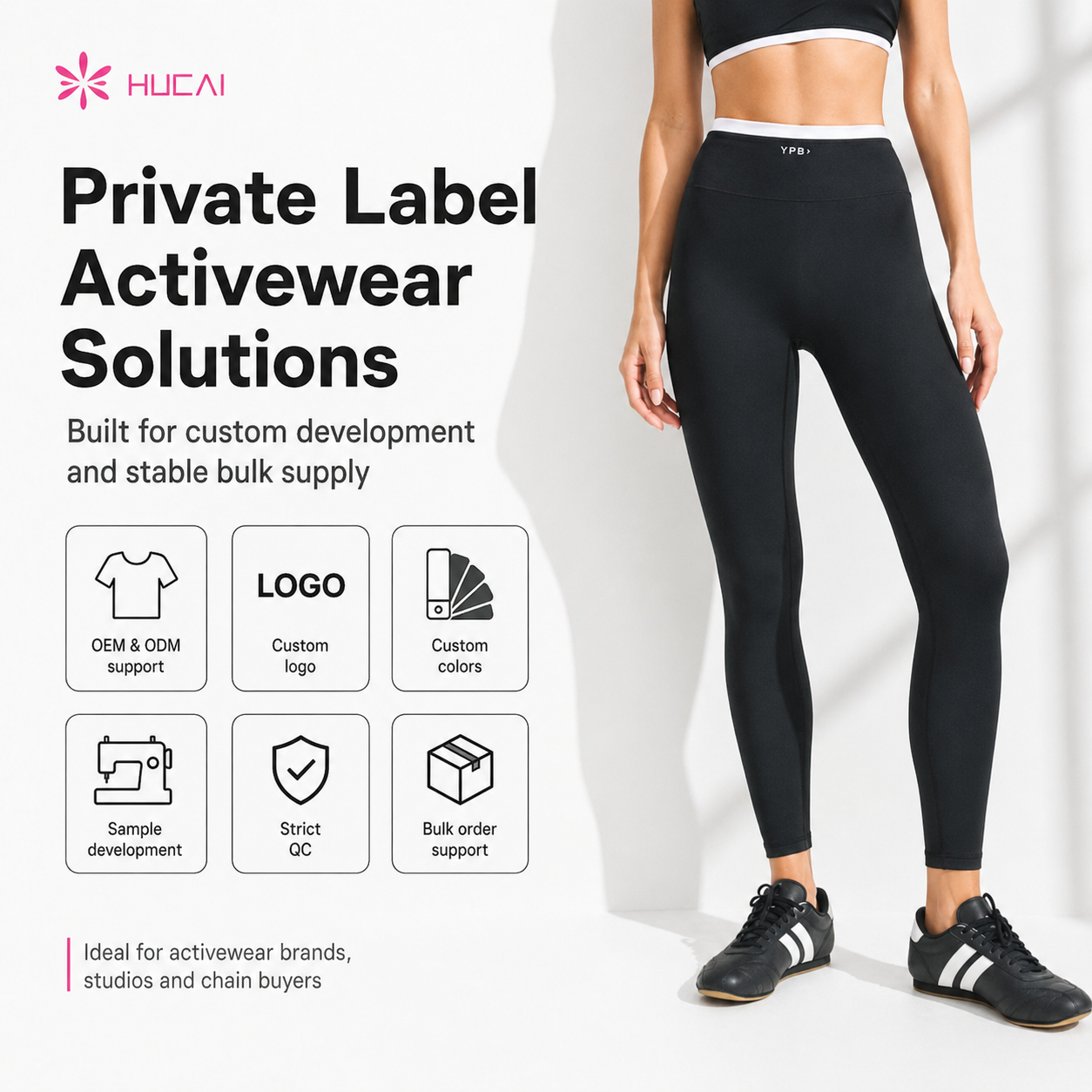
ODM activewear development can start from reference images, but private label activewear brands should not treat references as final production instructions. For custom women's activewear, sample planning, MOQ discussion, and bulk planning become clearer when the references are translated into product roles, fabric direction, support needs, fit priorities, color plans, and capsule structure before development starts.
As a women's activewear manufacturer, hucai sportswear helps growing brands review reference styles and turn them into practical ODM development directions. The goal is not to copy a picture, but to define what each product should do, what fabric and fit decisions need to be confirmed, and what the first sample round should actually solve.
Quick Answer
Yes, a brand can start an ODM activewear capsule with reference images, even without a complete tech pack. However, reference images are only the starting point. Before sampling, the brand and manufacturer should clarify product type, activity use, fabric handfeel, support level, fit direction, color plan, logo placement, MOQ structure, and sample priorities.
The strongest ODM projects usually begin with a focused capsule instead of too many styles at once. For many growing brands, a first capsule may include a sports bra, leggings, shorts, a tank top, or a matching set direction. Once the product roles and sample standards become clear, the project can move closer to OEM-style execution.
Why Reference Images Are Useful but Not Enough
Reference images are useful because they help a manufacturer understand the visual direction quickly. They can show silhouette, neckline, waistband shape, pocket placement, color story, styling, and the general product mood.
But a reference image does not explain everything needed for development. It usually does not confirm fabric composition, weight, stretch direction, support level, opacity, size range, construction method, logo placement, MOQ structure, or bulk production requirements.
This is why reference images should be treated as development inputs, not final production instructions. A good ODM process translates visual references into practical product decisions.
For activewear brands, the most important question is not only “Can you make something like this?” The stronger question is: “What needs to be confirmed before this reference becomes a sample-ready product?”
Who This Article Is For
This article is mainly for startup brands, growing activewear brands, and private label buyers who want to start a women's activewear capsule but do not yet have complete tech packs.
- Brands with reference images, Pinterest boards, product links, or mood boards.
- Startup brands planning their first sports bra, leggings, shorts, or matching set capsule.
- Growing brands that want ODM support before creating detailed tech packs.
- Private label buyers comparing product directions, fabric options, and sample priorities.
- Brands that need help turning a market theme into a clearer product development plan.
It is less suitable for established brands that already have complete tech packs, confirmed measurements, fabric specifications, color standards, and construction details. Those projects are usually closer to OEM manufacturing.
What This Guide Helps You Prepare
Clearer Project Inputs
Understand what information should be prepared before contacting a manufacturer, even if your brand only has reference images.
Better Sample Direction
Learn how to define product roles, fabric direction, support needs, fit priorities, and sample goals before the first round begins.
Smarter ODM Path
See when a project should stay in ODM planning and when it can move toward OEM-style execution after details are confirmed.
1. What Brands Should Prepare Before ODM Discussion
Brands do not need a perfect file before starting an ODM discussion. However, better preparation usually leads to clearer sample direction and fewer scattered revisions.
Before contacting a manufacturer, it is useful to prepare:
- Reference images or product links
- Target product types
- Preferred activities or use cases
- Target customer and market positioning
- Fabric handfeel preferences
- Support level or compression expectations
- Color direction or color palette
- Logo and branding placement ideas
- Size range
- Estimated quantity or MOQ questions
- Expected launch or sample timing, if available
These details do not need to be final at the beginning. They are used to create a more useful development conversation.
Brands that are still at the reference-image stage can review ODM development support to understand how product direction, fabric selection, color, logo, and sample discussion can be organized before tech packs are complete.
2. How to Turn References Into Product Roles
One common issue with reference-based development is that the references look good individually but do not form a clear product system.
A brand may send a sports bra from one brand, leggings from another, shorts from another, and a jacket from a different market direction. Each reference may be useful, but the manufacturer still needs to understand the role of each product inside the capsule.
Product-role planning asks:
- Is the sports bra for yoga, training, running, or all-day activewear?
- Are the leggings for compression, soft studio wear, training, or sculpting support?
- Are the shorts for running, gym circuits, bike-short styling, or warm-weather active living?
- Is the tank top for layering, sweat control, or styling?
- Is the jacket a warm-up layer, running-inspired layer, or travel-ready piece?
- Should the products be developed as a matching set, capsule, or separate category test?
Once the product roles are clear, the sample plan becomes easier to control. If sports bras are part of the capsule, brands can connect support planning with custom sports bra development. If leggings are the hero product, fabric and fit planning can connect with custom leggings development.
3. How to Confirm Fabric, Fit, Support, and MOQ Direction
After product roles are clear, the next step is confirming the development direction for fabric, fit, support, and order structure.
Fabric Direction
Fabric direction should be based on product use, not only handfeel. A soft fabric may work well for yoga or all-day activewear, but training leggings may need stronger recovery and opacity. A sports bra may need fabric stability for support, while shorts may need lightweight movement or liner structure.
Brands comparing fabric handfeel, stretch, compression, opacity, and product-use requirements can review fabric selection for activewear before final sample direction is confirmed.
Fit Priorities
Fit priorities should be different for each product. Sports bras may need underband stability and strap comfort. Leggings may need waistband control and squat coverage. Shorts may need inseam, pocket placement, and leg opening review. Tops may need shoulder movement and sweat behavior.
Support and Compression
Support and compression should be defined before sampling. If a sports bra is described only as “similar to this reference,” the sample may not match the intended activity. If leggings are described only as “buttery soft,” the final fit may not provide enough compression or coverage.
MOQ and First Capsule Scope
MOQ planning should be connected to the number of styles, colors, sizes, fabrics, trims, and logo methods. The current public-facing MOQ is from 100 pcs / style. For early-stage ODM capsules, a focused first product mix is usually easier to sample, review, and scale than a wide launch with too many variations.
4. What the First Sample Round Should Solve
The first sample round should not try to solve everything. It should answer the most important development questions for the brand's stage.
For a startup brand, the first sample round may need to confirm whether the target product direction is realistic. For a growing brand, it may need to test fabric feel, fit, support, and color logic across a small capsule. For a private label buyer, it may need to check whether the style can move toward bulk planning after revisions.
The first sample round should usually focus on:
- Silhouette and proportion
- Fabric handfeel and recovery
- Support level or compression
- Fit comfort and movement
- Color direction
- Logo placement
- Construction details
- Sample comments for revision
If the capsule includes shorts, brands can review custom activewear shorts as a related product path for waistband, pocket, liner, and movement details.
5. When ODM Direction Can Move Into OEM-Style Execution
ODM development does not mean the project stays vague forever. A good ODM process should gradually turn references into clearer specifications.
Once the product direction, fabric choice, measurements, trims, logo placement, construction details, and sample comments are confirmed, the project can move closer to OEM-style execution.
This usually means the brand and manufacturer now have:
- Confirmed product types
- Approved sample or revised sample direction
- Clearer measurements and fit comments
- Fabric and trim standards
- Logo and label requirements
- Color and size plan
- Bulk production discussion based on approved details
When a brand already has these details, the project may be ready for OEM activewear manufacturing. When these details are still unclear, ODM support remains the better starting point.
Decision Check Before Starting ODM Development
Before starting an ODM activewear capsule from reference images, brands should confirm the following points.
- Product Mix: Are you developing sports bras, leggings, shorts, tops, matching sets, light layers, or a smaller test capsule?
- Use Case: Is the capsule for yoga, training, running, active living, studio wear, or gym-to-street movement?
- Reference Priority: Which reference details are most important: silhouette, fabric feel, color, fit, support, or construction?
- Fabric Direction: Do you need soft handfeel, compression, support, breathability, opacity, or lightweight movement?
- Fit Priority: What should be checked first in the sample: support, waistband, coverage, inseam, pocket, or shoulder mobility?
- Color Plan: Are you starting with one core color, a small palette, or multiple color drops?
- MOQ Structure: How many styles, colors, and sizes are realistic for the first development round?
- Development Path: Are you ready for OEM execution, or do you still need ODM planning before tech packs are complete?
Only Have Reference Images? Start With ODM Planning.
If your brand has product references but not a complete tech pack, start by organizing the references into product roles, fabric direction, fit priorities, color plan, and sample goals.
Share your reference images, target products, fabric handfeel, support needs, color ideas, logo placement, MOQ questions, or sample goals. hucai sportswear can help review whether your project is ready for ODM development or should move toward OEM execution after details are confirmed.
Manufacturer Insight: Reference Images Need Translation Before Sampling
A common early-stage issue is that brands send many references but do not explain which details matter most. One image may be for neckline, another for fabric texture, another for waistband, another for color, and another for styling.
Without translation, the first sample round can become scattered. The sample may follow the wrong detail, the fabric may not match the intended activity, or the product may look similar to the reference but fail in support, fit, or movement.
At hucai sportswear, reference-based development is usually reviewed through product role, fabric behavior, sample priority, and bulk follow-up logic. Once product details, measurements, trims, logo placement, and sample comments are confirmed, pre-production review, AQL 2.5-based quality checkpoints, and MES / ERP-supported tracking can help improve coordination from sample approval to bulk planning.
These systems do not replace early development decisions. They help the team follow confirmed project details more clearly after the ODM direction becomes sample-ready.
FAQ: ODM Activewear Development From Reference Images
1. Can I start an ODM activewear project with only reference images?
Yes, you can start with reference images, but the images need to be translated into product roles, fabric direction, fit priorities, support needs, color plans, and sample goals. Reference images are useful for showing visual direction, but they usually do not provide enough information for production. ODM discussion helps turn those references into a clearer development plan before sampling.
2. Do I need a tech pack for ODM activewear development?
A complete tech pack is helpful, but it is not always required at the beginning of ODM development. If you only have references, the first step is to clarify product type, fabric, fit, measurements, trims, logo placement, and sample priorities. Once these details become clearer, the project can gradually move toward more detailed OEM-style execution.
3. What should I prepare before contacting an activewear manufacturer?
You should prepare reference images, target product types, use case, preferred fabric handfeel, support or compression expectations, color direction, logo placement, size range, estimated quantity, and any launch timeline you already know. These details do not need to be final, but they help the manufacturer understand your project faster and suggest a more practical development path.
4. What products are suitable for an ODM activewear capsule?
Common ODM capsule products include sports bras, leggings, shorts, tank tops, T-shirts, matching sets, and light layers. The best mix depends on the brand stage, target activity, budget, MOQ plan, and product positioning. For many growing brands, a focused 3-5 style capsule is easier to sample and refine than a wide first collection with too many unrelated products.
5. How does fabric selection work in ODM development?
Fabric selection should be based on the product role. Sports bras may need support and recovery, leggings may need compression and opacity, tops may need breathability, and shorts may need movement-friendly fabric or liner support. During ODM development, fabric direction is usually reviewed together with handfeel, activity use, sample goals, and bulk consistency needs.
6. What is the MOQ for an ODM activewear capsule?
The current public-facing MOQ is from 100 pcs / style. For an ODM capsule, final order planning depends on the number of styles, colors, sizes, fabrics, trims, logo methods, and packaging requirements. A smaller focused capsule is usually easier for a startup or growing brand to sample, evaluate, and prepare for bulk production.
7. When does an ODM project become an OEM project?
An ODM project moves closer to OEM execution when product roles, measurements, fabrics, trims, logo placement, colors, construction details, and sample comments are confirmed. At that point, the project is no longer only based on references. It has clearer specifications that can guide sample revision, pre-production review, and bulk production.
8. What causes repeated revisions in reference-based activewear sampling?
Repeated revisions often happen when reference images are not translated clearly. The brand may expect one detail from a reference, while the manufacturer focuses on another. Revisions can also come from unclear fabric expectations, support level, fit priorities, logo placement, color direction, or size requirements. Clear product-role planning before sampling can reduce avoidable confusion.
Final Takeaway
Reference images can start an ODM activewear capsule, but they should not be treated as complete production instructions.
The strongest reference-based projects usually come from clear translation: product roles, fabric direction, support needs, fit priorities, color plans, MOQ structure, sample goals, and the path from ODM planning to OEM-style execution. When these details are discussed early, growing brands can move into sampling with a clearer and more practical development direction.