How Much Does a Sportswear Sample From An OEM Manufacturer Cost
- Share
- publisher
- ran
- Issue Time
- Mar 6,2026
Summary
Learn what affects sportswear sample cost and how OEM manufacturers develop prototypes before production begins.
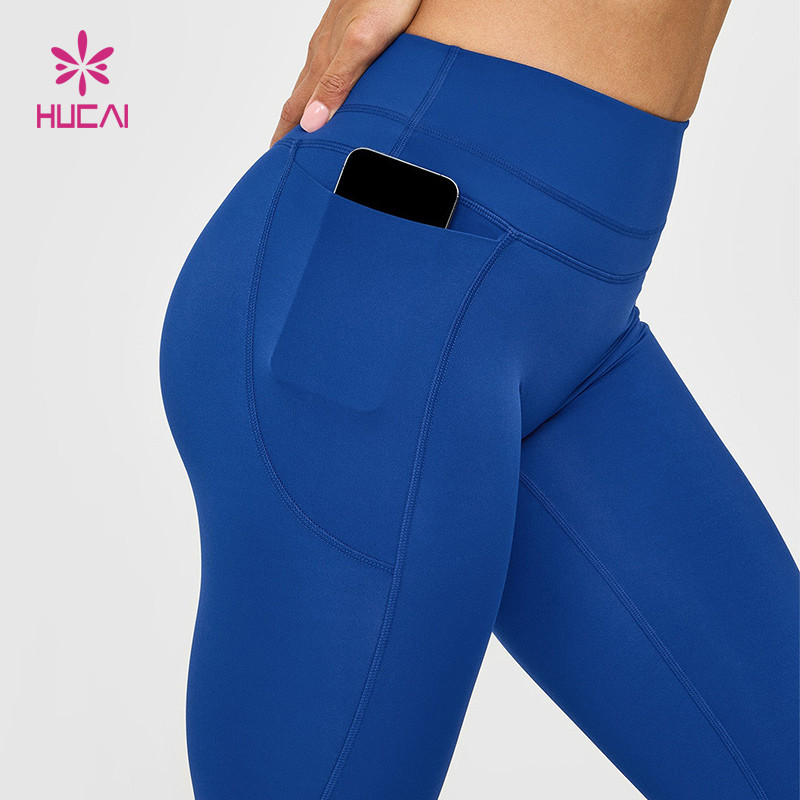
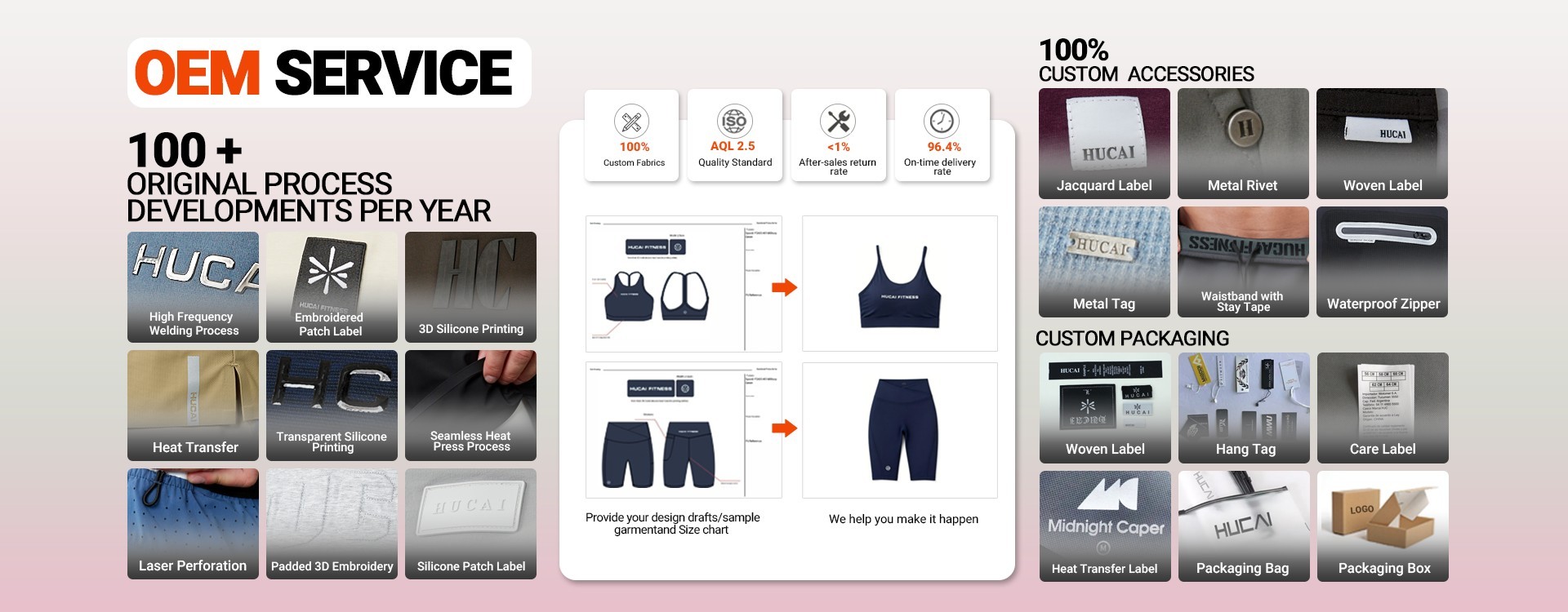
When launching a new activewear collection, one of the most common questions brands ask is: how much does a sportswear sample cost? Before production begins, every sportswear design must go through a sample development stage where the concept is turned into a wearable prototype. This process allows brands to evaluate fabric performance, garment fit, and construction accuracy. For brands working with an OEM sportswear manufacturer , understanding how sample pricing works helps streamline development and ensures better preparation for production planning.
Why Sportswear Sample Development Requires Investment
A sportswear sample may look like a single garment, but the work behind it involves multiple professional steps. Pattern makers must create accurate garment patterns, development teams must review design specifications, and fabrics must be sourced according to performance requirements. Skilled technicians then assemble the garment while carefully following the technical details of the design.
Unlike bulk production, where efficiency reduces unit cost, sample development focuses on precision and experimentation. Each prototype is created individually, which requires dedicated labor and technical resources. For this reason, most OEM sportswear manufacturers charge a sample fee to cover development time, materials, and craftsmanship involved in building the first product version.
Key Factors That Influence Sportswear Sample Cost
Several elements determine the final sportswear sample cost, and garment complexity is often the most significant factor. Performance apparel frequently uses technical fabrics designed for breathability, stretch recovery, or moisture management. These materials can require additional sourcing and testing during the development stage.
Design structure also plays an important role. Activewear products with advanced construction—such as multi-panel layouts, ergonomic cuts, or specialized functional details—often require more pattern adjustments and sewing time. In many cases, brands will go through more than one prototype before finalizing the design. Each revision helps improve garment performance, but it can also add to the total sample development effort.
Why Sample Development Improves Final Product Quality
Although sample development adds cost at the beginning of the production process, it significantly reduces risks later in manufacturing. A well-developed sample allows brands to conduct fit testing, performance evaluation, and design verification before moving into bulk production.
This stage helps identify potential issues related to sizing, comfort, or garment construction. By refining the product during sample development , sportswear brands can avoid costly corrections during mass production. For many companies, investing in proper sportswear sample development ultimately leads to higher-quality products and more efficient production cycles.
Understanding how much a sportswear sample costs is an important step for any brand planning a new activewear collection. Sample development transforms a design concept into a functional garment while ensuring the product meets performance and quality expectations.
By working closely with an experienced OEM sportswear manufacturer , brands can optimize the sample process, refine their designs, and prepare for successful bulk production. A carefully developed prototype not only improves product quality but also helps brands bring new sportswear products to market with greater confidence.
How to contact us
➡️ Contact HUCAI today for your custom outerwear solution and connect with a team committed to premium quality and authenticity.