How Private Label Sportswear Brands Should Plan Fabric Families Before Sampling
- Share
- publisher
- HUCAI Sportswear
- Issue Time
- May 23,2026
Summary
Learn how private label activewear brands should plan fabric families before sampling, including support, compression, opacity, handfeel, color consistency, MOQ planning, and OEM / ODM development.
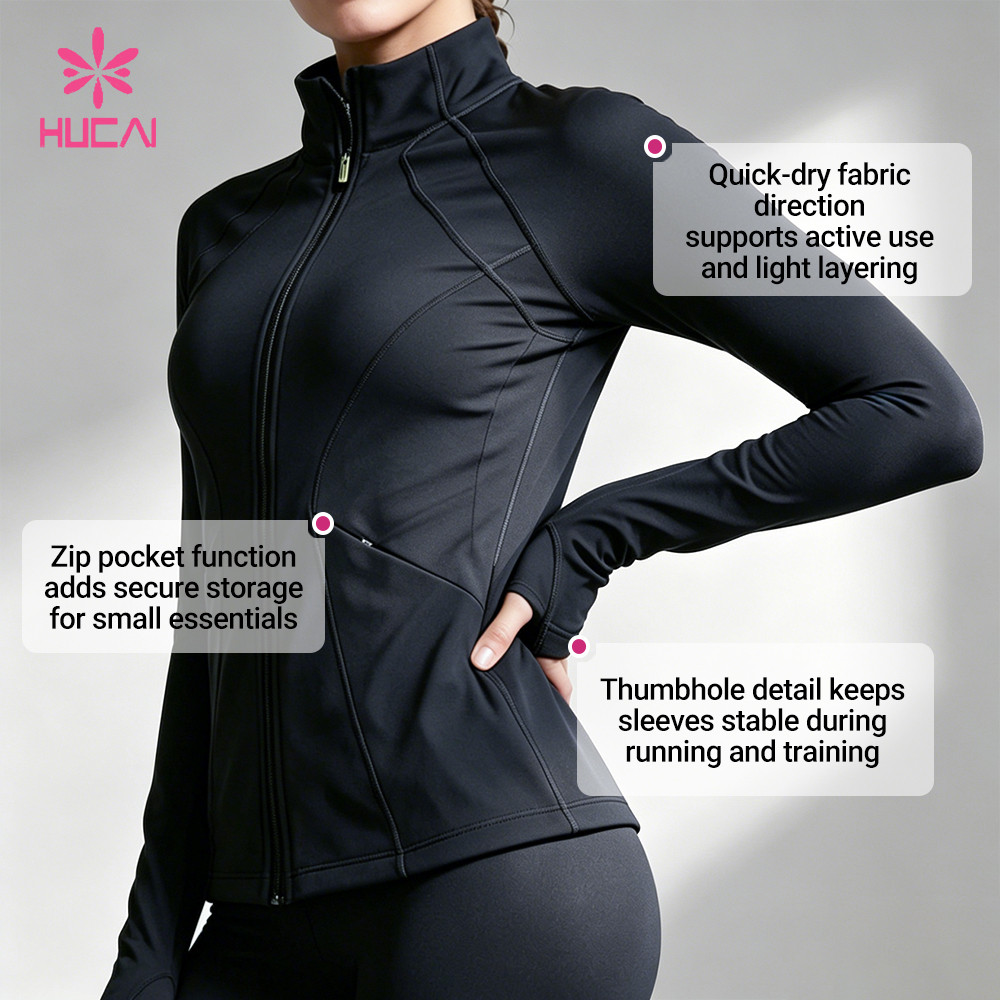
Fabric family planning is one of the most important steps in private label activewear development, especially when a brand is building custom women's activewear across sports bras, leggings, shorts, tops, matching sets, and light layers. Before OEM / ODM development, sample planning, MOQ discussion, or bulk planning begins, the brand should understand how each fabric role affects support, compression, opacity, handfeel, color consistency, and sample-to-bulk repeatability.
As a women's activewear manufacturer, hucai sportswear helps brands review fabric direction before the first sample round becomes too scattered. The goal is not simply to choose the softest or stretchiest material, but to build a fabric system that supports the product mix, brand positioning, and development path.
Quick Answer
A fabric family is a planned group of fabrics used across one activewear capsule or product range. For private label activewear brands, it helps sports bras, leggings, shorts, tops, and matching sets feel connected while still allowing each product to perform its own job.
The best fabric family is not always one fabric used everywhere. A strong activewear capsule may need supportive fabric for bras, compressive fabric for leggings, breathable fabric for tops, lightweight fabric for shorts, and stable fabric choices for matching sets. The key is to define fabric roles before sampling.
Why Fabric Family Planning Matters Before Sampling
Many activewear brands start development by choosing styles first. They select a sports bra, a legging, a short, a tank top, and a jacket, then discuss fabric style by style. This can work for single products, but it often creates problems when the brand wants to build a capsule or matching set.
A private label activewear capsule needs more than attractive silhouettes. The products should feel connected in handfeel, support, recovery, color direction, and customer experience. If each product is developed with unrelated fabric, the collection may look fragmented even when the colors are similar.
Fabric family planning helps brands reduce that risk. It clarifies which fabric should provide support, which fabric should provide compression, which fabric should provide breathability, and which fabric should help the collection feel commercially consistent.
For growing brands, this step is especially useful before sampling because it helps control the number of fabrics, colors, sample comments, and revision directions.
Who This Article Is For
This article is mainly for growing private label activewear brands planning a capsule, matching set, or multi-style product launch.
- Brands developing sports bras, leggings, shorts, tops, and light layers together.
- Startup brands preparing their first activewear capsule and trying to avoid too many fabric variations.
- Private label buyers comparing fabric handfeel, compression, opacity, and support before sampling.
- Brands that have reference images but still need ODM support to define the fabric direction.
- Established brands reviewing fabric consistency before scaling into repeat orders or color extensions.
It is less suitable for buyers only looking for low-price stock items or single-SKU sourcing with no concern for fabric coordination, sample review, or bulk consistency.
What This Guide Helps You Decide
Fabric Role
Understand which fabric should provide support, compression, breathability, softness, durability, or light layering inside your product range.
Capsule Consistency
Plan how sports bras, leggings, shorts, tops, and matching sets should feel connected without forcing every product to use the same material.
Sample Direction
Reduce scattered sample revisions by confirming fabric priorities, color direction, MOQ structure, and product roles before sampling starts.
1. What a Fabric Family Means in Activewear Development
A fabric family is not just a group of similar-looking materials. In activewear development, it is a planned fabric system that supports how the product range should feel, fit, move, and perform.
For example, a brand may use one supportive nylon-spandex fabric for sports bras, one compressive fabric for leggings, one lightweight fabric for shorts, and one breathable knit for tanks. These fabrics do not need to be identical, but they should work together in handfeel, color direction, stretch behavior, and brand positioning.
A good fabric family helps the customer understand the collection. It also helps the brand manage sampling, merchandising, photography, and repeat orders more clearly.
Brands still comparing material options can review fabric selection for activewear before finalizing the first sample direction.
2. Fabric Roles Across Sports Bras, Leggings, Shorts, Tops, and Layers
One of the biggest mistakes in fabric planning is assuming one material can solve every product problem. A sports bra, legging, short, tank top, and light jacket may belong to the same capsule, but they do not all need the same fabric role.
Sports Bra Fabric: Support and Recovery
Sports bras usually need stable stretch, good recovery, underband support, coverage, and comfort. If the fabric is too soft, the bra may feel comfortable but lack support. If it is too firm, it may restrict movement or feel less wearable for all-day active use.
For brands developing bras as part of a capsule, fabric should be reviewed together with strap structure, neckline, pad design, and support level. Related product options can be reviewed through custom sports bra development.
Leggings Fabric: Compression, Opacity, and Waistband Stability
Leggings usually need a stronger balance of compression, opacity, recovery, and waistband control. A fabric that feels soft in hand may still fail if it becomes sheer during stretch, rolls at the waistband, or loses shape after repeated movement.
If leggings are the hero product of the capsule, the fabric family should be built around stretch recovery, squat coverage, compression level, and color behavior. Brands can connect this decision with custom leggings development.
Shorts Fabric: Movement, Shell Weight, and Liner Function
Activewear shorts may need different fabric roles depending on the structure. Bike shorts need supportive stretch and recovery. Running shorts may need a lightweight outer shell and a stable inner liner. Training shorts may need durability, breathability, and waistband security.
For shorts with pockets, liners, or gym-to-run use, fabric should be reviewed as a movement detail rather than only a surface choice. Related product directions can be reviewed through custom activewear shorts.
Tops and Tanks: Breathability and Sweat Control
Tank tops and T-shirts usually need lighter, more breathable fabrics than bras or leggings. The fabric should support sweat control, shoulder mobility, and layering without clinging too much during movement.
For private label capsules, tops often help complete the outfit visually, but their fabric role should still match the intended activity: studio, training, running, travel, or all-day active living.
Light Layers: Low Bulk and Capsule Coordination
Jackets, hoodies, and track layers can extend the capsule into warm-up, commute, and seasonal use. Their fabric should feel coordinated with the base styles without becoming too heavy or unrelated to the activewear story.
3. What Goes Wrong When Every SKU Uses Unrelated Fabric
When brands choose fabric style by style, the first sample round may seem flexible. But the collection can become difficult to manage once all samples are reviewed together.
Common problems include:
- The sports bra feels firm, but the legging feels too soft.
- The matching set looks similar in color but feels different in handfeel.
- The short has good movement, but the fabric does not coordinate with the rest of the capsule.
- The tank top looks clean but clings too much after sweat.
- Different fabric bases react differently during dyeing, washing, and bulk production.
These problems do not always appear in flat product photos. They often appear during sample fitting, color review, customer wear testing, or the first bulk planning stage.
This is why fabric family planning should happen before the brand adds too many SKUs or colorways.
4. Color, Handfeel, and Consistency in Matching Sets
Matching sets make fabric planning more important because the customer expects the top and bottom to feel intentional together. Even small differences in shine, texture, compression, or dye behavior can affect how the set is perceived.
For example, a sports bra and legging may use different fabric weights, but the color should still look controlled. A shorts set may use a different shell and liner fabric, but the overall handfeel should still support the same product story.
Brands should confirm whether the set needs identical fabric, compatible fabric, or coordinated fabric roles. These are different decisions.
If the goal is to build a set-based product range, the brand can connect fabric planning with matching set development so the capsule direction, product roles, and color logic stay aligned.
Decision Check Before the First Sample Round
Before sampling, brands should confirm the following fabric family decisions. These checks help reduce unclear revisions and make the sample review more useful.
- Product Mix: Which styles are included in the first capsule: sports bra, legging, short, tank, jacket, or matching set?
- Hero Fabric: Which fabric should define the main handfeel or performance direction of the capsule?
- Support Role: Which products need stronger recovery, compression, or underband stability?
- Opacity and Coverage: Which bottoms need squat coverage, lining, or more stable stretch?
- Color Plan: Are all colors being tested across the same fabric base, or across different fabric bases?
- MOQ Structure: Does the fabric plan make sense for the number of styles, colors, and sizes?
- Development Path: Is the project ready for OEM execution, or does it need ODM fabric planning first?
Planning a Private Label Activewear Capsule?
If you are developing a sports bra, legging, shorts, tank top, or matching set capsule, fabric planning should happen before the first sample round becomes too wide.
Share your reference styles, target handfeel, support needs, compression direction, color plan, MOQ questions, or tech packs. hucai sportswear can help review whether your project is better suited for ODM development support or OEM activewear manufacturing.
Manufacturer Insight: Fabric Planning Should Happen Before the Sample List Gets Too Wide
A common early-stage issue is that brands choose products first and fabrics later. They may request one sports bra, two leggings, one short, one tank, and one jacket, each based on a different reference image.
This approach can create a first sample round that is visually interesting but technically scattered. The handfeel may not match, the support level may vary too much, and the fabric behavior may create different fit comments across styles.
At hucai sportswear, fabric discussion is usually connected with product role, sample priority, and bulk follow-up. Once fabric direction, color plan, measurements, trims, and construction details are confirmed, pre-production review, AQL 2.5-based quality checkpoints, and MES / ERP-supported tracking can help improve coordination from sample approval to bulk production.
These systems do not replace fabric decisions. They help the team follow confirmed decisions more clearly after the right fabric direction has been set.
FAQ: Fabric Family Planning for Private Label Activewear
1. What is a fabric family in activewear development?
A fabric family is a planned group of materials used across one activewear capsule or product range. It helps different products feel connected while still allowing each style to perform its own job. For example, sports bras may need more recovery, leggings may need more compression and opacity, tops may need breathability, and shorts may need movement-friendly fabric.
2. Should all products in a matching set use the same fabric?
Not always. Some matching sets work best with the same fabric, especially when the brand wants a very consistent handfeel and color surface. Other sets may need compatible fabrics instead, such as a more supportive fabric for the bra and a slightly different compression fabric for the legging. The key is to confirm whether the set needs identical fabric, compatible fabric, or coordinated fabric roles.
3. What fabric should brands choose for sports bras?
Sports bra fabric should be chosen according to support level, underband stability, stretch recovery, coverage, and comfort. A soft fabric may work for light support or yoga-inspired styles, while training or running-inspired bras often need stronger recovery and a more stable structure. Fabric should be reviewed together with strap design, neckline, padding, and intended activity.
4. What fabric should brands choose for leggings?
Leggings fabric should balance compression, opacity, recovery, handfeel, and waistband stability. A fabric that feels soft in hand may not be suitable if it becomes sheer during stretch or loses shape during movement. Brands should test squat coverage, color behavior, compression level, and recovery during sample review before approving the fabric for bulk production.
5. How does fabric planning affect MOQ?
Fabric planning can affect MOQ because each fabric, color, trim, and product variation may change the order structure. The current public-facing MOQ is from 100 pcs / style, but the final plan depends on the number of styles, colors, sizes, fabric bases, and logo or trim requirements. A simpler fabric family is often easier to manage in early-stage development.
6. Can brands start if they only have reference images?
Yes, brands can start with reference images if they are not ready with full fabric specifications. In that case, ODM development support is often more suitable because the fabric direction, product role, handfeel, support level, and sample priority still need to be clarified before tech packs become final.
7. What causes fabric-related sample revisions?
Fabric-related revisions often come from unclear support expectations, opacity problems, poor recovery, unexpected handfeel, color mismatch, waistband instability, or using unrelated fabrics across one capsule. Many of these issues can be reduced when the fabric family is planned before sampling instead of being selected style by style.
8. How can brands improve sample-to-bulk fabric consistency?
Brands can improve sample-to-bulk consistency by confirming fabric composition, weight, color standard, stretch direction, approved swatches, trim details, and construction requirements before production. Pre-production review and quality checkpoints are also important because fabric behavior can affect fit, color, and garment stability in bulk.
Final Takeaway
Fabric family planning is not only a material decision. It is a product development decision that affects support, compression, opacity, color consistency, sample review, MOQ planning, and bulk repeatability.
For private label activewear brands, the best approach is to define fabric roles before sampling. Once the sports bra, legging, short, top, and layer each have a clear fabric job, the capsule becomes easier to sample, evaluate, merchandise, and scale.