How a Flexible MOQ Sportswear Manufacturer Maintains Production Capacity
- Share
- publisher
- 然
- Issue Time
- Mar 24,2026
Summary
A flexible MOQ sportswear manufacturer maintains production capacity through smart scheduling, MES systems, and fast quality feedback for women's activewear brands.
Flexible MOQ has become an important requirement in today's activewear industry. Many mature and premium brands prefer smaller orders so they can test products, respond to market feedback, and reduce inventory risk. However, flexible MOQ also introduces a management challenge: when orders become smaller and more diverse, production capacity can quickly become unstable if the factory is not structured to handle it.
For a sportswear manufacturer serving women's activewear brands , the key question is not simply whether small orders can be accepted, but whether they can be integrated into production without disrupting overall efficiency. Maintaining production capacity under flexible MOQ conditions requires careful management of order structure, production planning, information flow, and quality control systems.
Order Fragmentation and the Shift Toward Smaller Orders
In recent years, the activewear market has moved toward smaller and more frequent production cycles. Brands increasingly prefer to launch limited quantities of leggings, yoga wear, and training apparel rather than committing to large seasonal orders. This shift creates what manufacturers often refer to as order fragmentation, where production must accommodate many small orders with different styles, fabrics, and timelines.
Order fragmentation introduces several operational risks. Frequent style changes increase setup time, different products compete for the same production resources, and coordination between departments becomes more complex. Without structured management, small orders can easily interfere with each other and reduce overall productivity.
At the same time, smaller specialized manufacturers often have advantages in this environment. Because their production scale is more focused, they can adapt faster to varied orders and maintain closer coordination across departments. Mature manufacturers with structured systems can also prevent small orders from interfering with each other by carefully organizing production flows. The ability to maintain stability under fragmented demand is what separates a flexible manufacturer from one that simply accepts small orders without controlling the consequences.
Production Scheduling: Aligning Different Orders on the Same Line
Production scheduling becomes the central management task when handling flexible MOQ. In apparel manufacturing research, line balancing and production sequencing are widely recognized as key factors in maintaining throughput. Operations management studies show that grouping similar tasks together reduces setup time and improves efficiency because operators can maintain rhythm and familiarity with the same type of operation.
In practice, scheduling decisions often depend on how similar the products are.
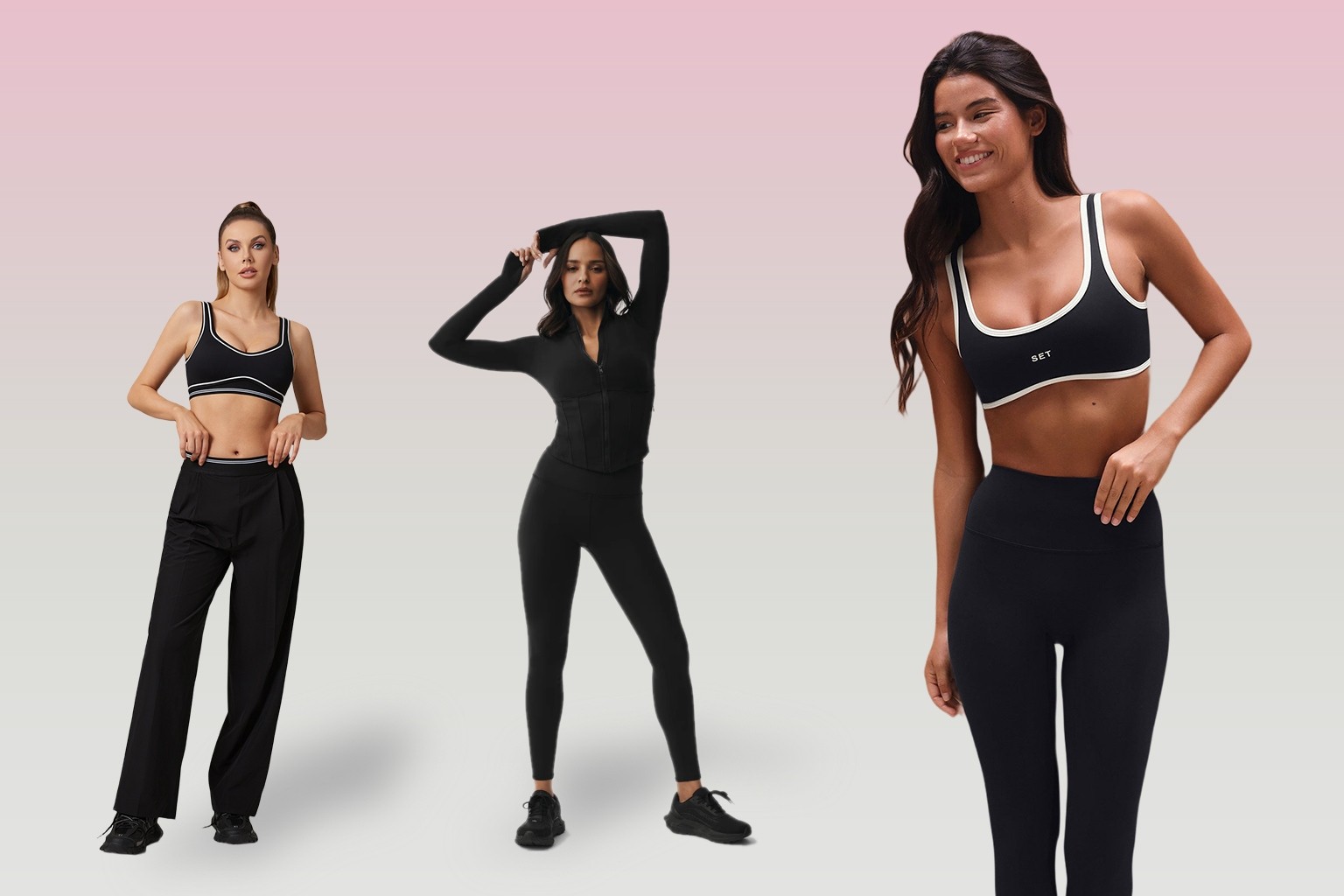
When orders involve similar styles, they can often be arranged sequentially on the same production line. For example, a factory producing women's leggings and yoga shorts can schedule these products consecutively because they share many similar processes such as stretch fabric cutting, gusset joining, waistband attachment, and hemming. Since the machines, thread tension, and operator techniques are already optimized for high-stretch fabrics, switching between these items requires minimal adjustment. Operations management principles suggest that such sequencing reduces setup loss and preserves line efficiency.
A different strategy is required when completely different products must be produced. For instance, a high-stretch leggings order and a structured sports bra order involve different materials, seam constructions, and operator skill requirements. In such cases, it is often more efficient to separate them into different production windows or allocate them to different lines. This approach aligns with lean manufacturing principles that emphasize reducing changeover complexity and stabilizing workflows. By isolating operations that require different equipment settings or handling techniques, the factory prevents disruption to the rest of the production line.
Effective scheduling therefore depends not only on order size but also on how compatible different products are within the same production environment.
Information Flow and the Role of MES Systems
Another major challenge under flexible MOQ conditions is information flow. When multiple small orders move through the factory simultaneously, communication delays can quickly create confusion about production status, material requirements, or process instructions.
A Manufacturing Execution System (MES) provides a structured way to manage this complexity. By connecting order data, production progress, and workstation instructions in real time, MES reduces the reliance on manual communication between departments. Operators can see the latest production requirements, managers can monitor progress instantly, and potential delays can be identified earlier.
In environments where orders change frequently and production cycles are shorter, efficient information flow becomes just as important as physical production capacity. Without a digital system, fragmented orders can overwhelm manual coordination processes.
Quality Feedback Loop and Response Speed
Flexible production also requires a fast and reliable quality feedback loop. When multiple orders are moving through the factory at the same time, delays in identifying quality issues can affect not only the current order but also subsequent production.
At HUCAI , quality monitoring is treated as a continuous process rather than a final inspection step. The team conducts weekly quality meetings, where production feedback from different departments is reviewed and discussed. The speed of quality feedback is also incorporated into internal performance evaluation, encouraging teams to identify and address issues quickly.
This approach ensures that problems discovered during production are corrected before they expand across multiple orders.
System vs Experience
Many apparel factories rely heavily on experience. Skilled workers and long-term employees often play a critical role in maintaining production stability. While experience remains valuable, relying solely on individual knowledge becomes increasingly difficult when production complexity grows.
HUCAI has nearly 27 years of experience as a sportswear manufacturer , but the company continues to invest in system-based management rather than relying exclusively on traditional methods. Structured workflows, digital production monitoring, and standardized processes help ensure that knowledge is embedded in the system rather than remaining dependent on individual operators.
By combining experience with systematic control, production becomes more predictable and easier to scale even under flexible MOQ conditions.
How to contact us
➡️ Contact HUCAI today for your custom outerwear solution and connect with a team committed to premium quality and authenticity.