How to Balance Comfort, Support and Style in Women's Athleisure Development
- Share
- Issue Time
- Apr 29,2026
Summary
Learn how to balance comfort, support and style in women's athleisure development. This B2B guide explains how growing brands can build more wearable, comfort-led sportswear capsules through clearer product roles, softer support, fabric direction, and better sample planning. It is written for brands exploring OEM or ODM development and looking for a smoother path from early athleisure planning to bulk production.
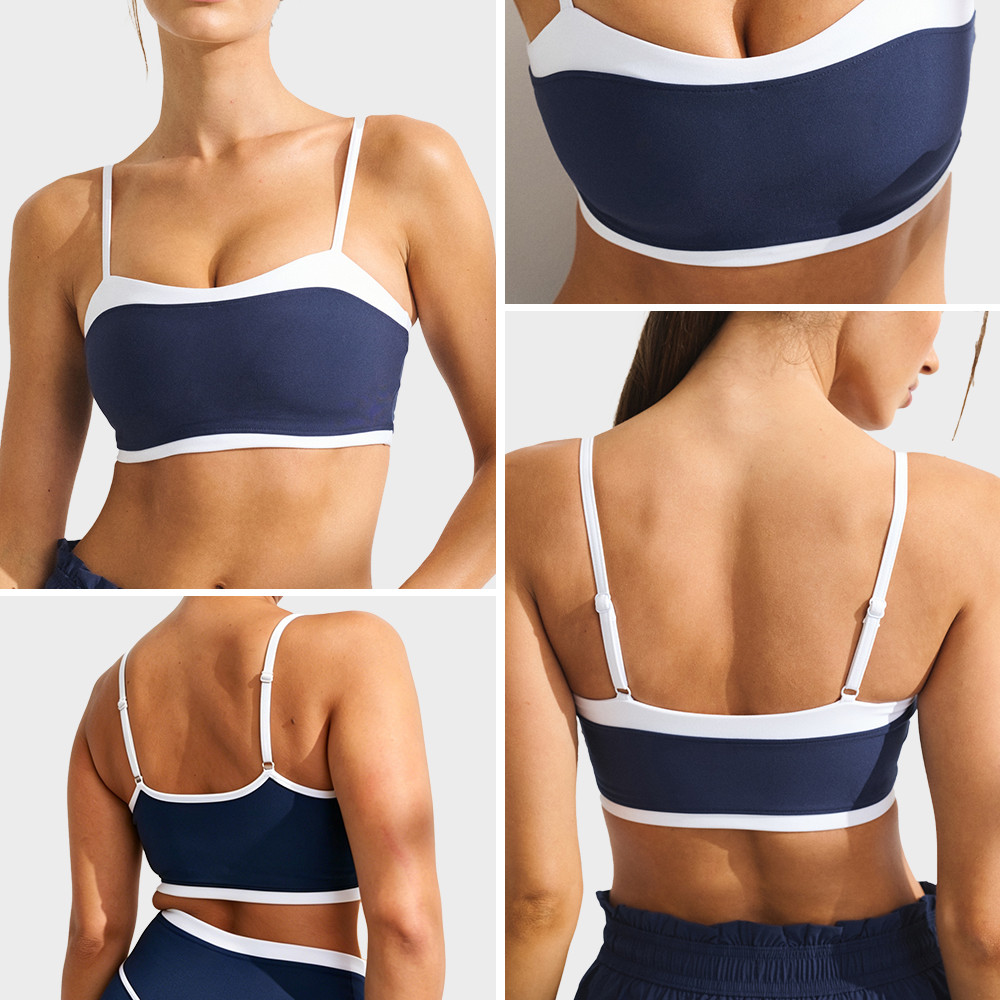
In women’s athleisure development, comfort, support, and style are often treated like separate goals. One team member pushes for softer handfeel. Another wants more hold. Another wants a cleaner, more wearable silhouette. The result is often a product brief that sounds attractive in theory but becomes harder to sample, harder to review, and harder to scale into bulk.
At hucai sportswear, comfort-led athleisure projects usually become clearer when those three goals are treated as one product system instead of three competing priorities. A bra should not be too soft to hold its role. A leggings direction should not feel stable only on paper. And a style detail should not make the product less wearable just because it looks more fashionable in a mockup. The best women’s athleisure lines are usually the ones where comfort, support, and style are aligned early enough to guide sampling properly.
Quick Answer
The strongest women’s athleisure products are built by balancing comfort, support, and style as one development system. For brands, that means defining how a bra should feel, how a bottom should behave, and how the overall capsule should look in real wear before sample work begins. When those priorities are aligned early, the line becomes easier to sample, easier to revise, and easier to carry into bulk.
Table of Contents
- Who This Article Is For
- What Brands Usually Need From This Direction
- Why Athleisure Development Fails When Comfort, Support, and Style Are Separated
- What Comfort Actually Means in Product Development
- What Light Support Should Still Do in Wear
- How Style Should Support the Product Role Instead of Replacing It
- What Brands Should Confirm Before Sampling an Athleisure Line
- When ODM Is More Practical Than OEM
- Why Softer Collections Still Need Strong Sample-to-Bulk Control
- Manufacturer Insight
- FAQ
- Final Takeaway
Who This Article Is For
This article is mainly for growing women’s sportswear brands that want a softer, more wearable athleisure direction but do not want the line to lose product clarity. It is also useful for private label buyers who already know the customer mood and styling direction, but still need a cleaner way to decide how much support, softness, and structure each piece should carry.
It is less useful for brands that are currently focused on high-impact, compression-first performance lines. Athleisure works best when the goal is broader wearability, easier movement, and a more comfort-led product story.
Clearer product roles
So bras, leggings, tops, and layers work together instead of competing inside the same capsule.
Fewer avoidable revisions
Especially around handfeel, support response, waistband behavior, fit balance, and outfit coordination.
A stronger path to bulk
Because comfort-led products still depend on consistent fabric behavior, fit, and follow-up after sample approval.
Why Athleisure Development Fails When Comfort, Support, and Style Are Separated
One common development mistake is assuming that comfort, support, and style can each be optimized separately and then merged later. In practice, that often creates conflicting sample comments. The bra should feel softer, but it should also feel more stable. The leggings should look cleaner, but they should still feel secure. The top should look more fashion-led, but it should not break the calm logic of the capsule.
A stronger athleisure line starts by deciding which role each product needs to play. Once that role is defined clearly enough, comfort, support, and style become easier to balance around the same product goal rather than being treated like separate directions.
What Comfort Actually Means in Product Development
In athleisure, comfort is often treated like a visual or emotional word. But from a product development perspective, comfort has to be more specific. It usually includes softer handfeel, easier movement, lower-friction wear, and a fit that feels stable without becoming restrictive.
That means comfort is not only decided by choosing a softer fabric. It is also affected by waistband behavior, seam placement, support level, layering compatibility, and how the product feels after repeated wear. A style that looks soft in a flat image can still feel commercially weak if it loses shape, rides up, or behaves inconsistently in use.
What Light Support Should Still Do in Wear
Light support does not mean the product should feel vague or unstable. In a comfort-led capsule, support should still do a clear job. A bra should hold its role in yoga, studio movement, or all-day wear. A leggings direction should still deliver waistband stability, opacity confidence, and enough recovery to feel reliable beyond one try-on.
The question is not whether support exists. The question is how much support the product really needs and where that support should come from. In many athleisure products, support should feel smoother and easier, not absent.
Bra direction
Comfort-led support should still provide stable coverage, a clean underband feel, and enough hold for the intended activity.
Bottom direction
Leggings and flare bottoms should still feel secure in motion, even when the line is prioritizing softness and broader all-day wearability.
Layer direction
Tops and cover-up layers should add styling value without making the whole capsule feel visually disconnected or technically weak.
How Style Should Support the Product Role Instead of Replacing It
In women’s athleisure, style matters because the product has to move beyond one narrow activity. But style should strengthen the product role, not distract from it. A neckline, flare shape, cover-up layer, or tonal color story should make the line more wearable and easier to merchandise. It should not create a visual story that the product cannot support in use.
This is why style should not be treated as “the creative part” that comes after product logic. In many growing-brand collections, cleaner style decisions actually make the development process easier because the line becomes more coherent instead of more crowded.
What Brands Should Confirm Before Sampling an Athleisure Line
Before sample work starts, the goal is not to finalize every small visual detail. The goal is to make sure the collection is solving the right balance.
- Comfort target: what the product should feel like in wear, not only in hand.
- Support target: how much hold is still needed in bras and bottoms.
- Style role: whether design details are helping the product role or only decorating it.
- Capsule structure: how bras, bottoms, tops, and layers should work together.
- Sample objective: whether the first round is testing handfeel, support, silhouette, or the system as a whole.
- Range logic: which pieces should act as core items and which are extension pieces.
In many early-stage athleisure projects, a clearer checklist reduces more revisions than a longer inspiration deck. The more stable the starting assumptions are, the more useful the first sample becomes.
When ODM Is More Practical Than OEM
Not every comfort-led athleisure line should begin the same way. The better path depends on how clearly the brand has already defined product roles, fabric direction, and capsule logic.
You are closer to an OEM path if...
- The comfort, support, and style balance is already clear.
- You have specifications, measurements, or solid product references.
- You mainly need controlled execution, sample confirmation, and bulk follow-through.
- The capsule role of each piece is already defined.
ODM is more practical if...
- You know the mood and customer type, but not yet the product-role system.
- You still need help deciding how much softness and support each piece should carry.
- You want the collection to feel more commercially complete before locking specs.
- You need development guidance, not only production execution.
Need help turning an athleisure idea into a clearer development system?
If your team already knows the direction but still needs clearer role planning, fabric logic, or sample priorities, start by defining how the capsule should work together instead of reviewing each piece in isolation.
View the Soft-Support Athleisure Collection | Explore ODM service
Why Softer Collections Still Need Strong Sample-to-Bulk Control
Comfort-led products often look easy from the outside. In practice, they can lose value quickly if softness, fit, support response, or color behavior shift between the approved sample and bulk.
At hucai sportswear, this is where sample approval should be treated as more than a visual checkpoint. A comfort-led bra still needs stable coverage and a clearer support feel. A soft leggings direction still needs waistband consistency, opacity confidence, and repeatable fabric behavior. And a style-led layer still needs to keep its role inside the capsule once the project moves into production.
That is also why structured quality and production follow-up still matter in athleisure. AQL 2.5-based checkpoints, pre-production review, and MES / ERP-supported coordination do not create product value by themselves, but they help protect the comfort, support, and style balance the approved sample was meant to establish.
Manufacturer Insight
A common failure pattern we see in athleisure development is not that the sample feels too soft. The bigger issue is that comfort, support, and style were each being judged by different expectations from the start.
One comment asks for softer handfeel. Another asks for stronger hold. Another asks for a more fashion-led silhouette. Another asks for the line to remain more performance-ready. In many early-stage projects, the most useful correction is not “add more options,” but “define the balance more clearly before the first sample round.”
FAQ
What does comfort actually mean in athleisure development?
In product development, comfort usually means more than soft handfeel. It also includes easier movement, stable fit, lower-friction wear, and enough structure for the product to stay commercially usable in real use.
How much support should a comfort-led athleisure bra still provide?
That depends on the intended activity, but a comfort-led bra should still deliver a clear support role. Soft-support does not mean no support. It means the hold should feel easier and more wearable while still matching the product’s real use scenario.
Can soft leggings still feel stable enough for daily wear?
Yes, if the fabric direction, waistband logic, opacity expectation, and fit balance are defined clearly. Soft leggings usually fail when softness is treated as the only priority and stability is left undefined.
How should brands balance style details without weakening performance?
Style details should support the role of the product, not work against it. Necklines, flare shapes, layers, trims, and color stories should make the line more wearable and more coherent instead of creating visual interest that the product cannot support in use.
Which pieces should carry more support inside an athleisure capsule?
In many collections, bras and core leggings should carry more support responsibility, while tops, flare bottoms, and cover-up layers can carry more style or ease value. The exact balance depends on the collection role of each piece.
What should be confirmed before sampling an athleisure line?
Brands should usually confirm comfort target, support target, capsule structure, style role, fabric direction, and the real purpose of the first sample round. The clearer these points are, the easier the review process becomes.
When is ODM more practical than OEM for athleisure development?
ODM is usually more practical when the brand already understands the mood and customer direction, but still needs help turning that direction into clearer product roles, fabric choices, and sample priorities. OEM works better once those decisions are already defined.
Why do softer collections still need strong bulk follow-up?
Because comfort-led products can lose value quickly if fabric feel, support response, color behavior, or fit drift in bulk. Softer collections do not reduce the need for control. In many cases, they make consistency even more important.
Final Takeaway
The best women’s athleisure products are usually not the softest, the most supportive, or the most stylish in isolation. They are the ones where comfort, support, and style have been aligned clearly enough to behave like one system.
For growing brands, that kind of balance makes the collection easier to develop, easier to review, and easier to carry into bulk. That is what turns a comfort-led athleisure idea into a more commercially useful line.
Ready to move the athleisure line forward?
Choose the next step based on how clear your current balance already is.
- Go to OEM Service if your comfort, support, and style priorities are already defined.
- Go to ODM Service if you still need help shaping product roles, fabric logic, or sample priorities.
- Explore the Soft-Support Athleisure Collection if you want to review the capsule direction first.
Trust Note
This article is written from a manufacturer and product-development perspective. The goal is not to turn athleisure into a trend phrase, but to help brands build a more workable women’s sportswear line through clearer balance and stronger product logic.
Hucai sportswear is not presented here as only a name. It is presented as the company structure behind the project: a women’s sportswear-focused manufacturer with OEM and ODM support, sample-room and pattern resources, AQL 2.5-based quality logic, and a more connected path from early athleisure planning into bulk follow-up.