How to Build a Custom Leggings Development System for Private Label Activewear Brands
- Share
- publisher
- HUCAI Activewear
- Issue Time
- Jun 12,2026
Summary
Learn how private label activewear brands can plan custom leggings development by defining product role, fabric direction, waistband logic, compression, opacity, sample review, and bulk consistency before production.
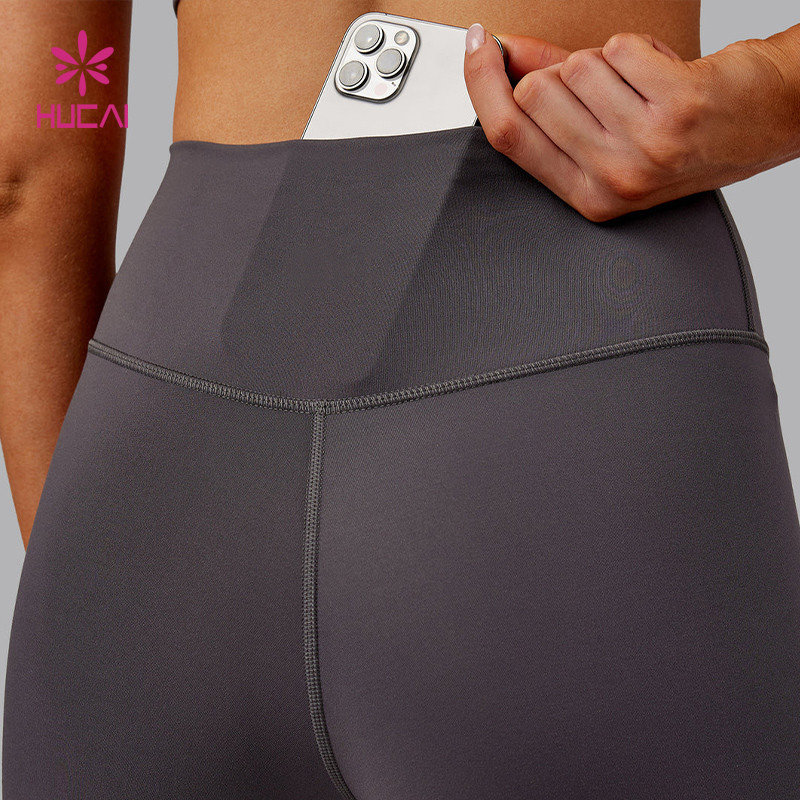
For private label leggings, custom women's activewear, and OEM / ODM development, the first question should not be only "Which leggings style should we make?" A better question is: "What product role should this leggings style play in the brand's collection?" At hucai sportswear, leggings development is reviewed as a system that connects fabric direction, fit, waistband structure, compression, opacity, sample planning, and bulk consistency before production starts.
Quick Answer
A strong custom leggings program should be developed as a product system, not as isolated styles. Before sampling, brands should define the product role first, then align fabric direction, silhouette, waistband hold, compression, opacity, branding details, sample review standards, and bulk control around that role.
Table of Contents
Why Custom Leggings Need a Development System
```Many activewear brands begin a leggings project with a reference image, a color direction, or a popular silhouette. That is useful, but it is not enough for stable product development. A leggings style may look simple from the outside, while the actual result depends on fabric recovery, waistband pressure, stretch behavior, opacity, rise balance, seam placement, logo position, and how the garment performs after repeated wear.
This is why custom leggings should be planned as a development system. A yoga legging, a sculpting legging, a running legging, and a matching-set bottom may all look similar on a flat product photo, but they need different decisions before sampling.
For brands comparing a custom leggings manufacturer for OEM / ODM development, the goal is not only to find a supplier that can sew leggings. The more important question is whether the manufacturer can help review the product role, fabric direction, fit logic, and sample-to-bulk risks early enough.
Is the legging made for yoga, training, running, everyday wear, sculpting, or a matching set?
Fabric, waistband, compression, opacity, and silhouette should support the same product purpose.
Sample approval is only one stage. Consistency still depends on fabric, measurements, color, and production follow-up.
When this system is missing, sample revisions become repetitive. A brand may ask for softer fabric after the first sample, stronger waistband hold after the second sample, better opacity after a wear test, and a different rise after fit feedback. These are not random changes. They usually come from unclear product positioning at the start.
```Start With Product Role Before Fabric or Style
```Before selecting fabric or finalizing a silhouette, brands should define what the leggings are supposed to do inside the collection. Product role affects almost every later decision.
A soft yoga legging should not be judged by the same standards as a high-compression training legging. A studio-to-life legging may need smoother handfeel and a cleaner front appearance, while a running legging may need more secure pockets, stronger waistband stability, and better sweat performance.
| Leggings Role | Development Focus | Common Review Points |
|---|---|---|
| Yoga / Studio Leggings | Soft handfeel, comfort, flexible movement | Fabric softness, stretch recovery, gusset, seam comfort, waistband pressure |
| Training / Workout Leggings | Support, recovery, stable fit | Compression level, waistband hold, opacity, size grading, fabric density |
| Sculpting Leggings | Body-shaping appearance and firm support | Fabric power, rise, waistband height, seam placement, front appearance |
| Running Leggings | Movement stability and practical details | Waistband security, pocket bounce, quick-dry direction, reflective trim, inseam |
| Everyday Leggings | Comfort, clean look, all-day wear | Handfeel, opacity, color, low-bulk seams, logo placement, fit comfort |
| Matching-Set Bottoms | Coordination with sports bra, tank or light layer | Color consistency, fabric consistency, support balance, capsule planning |
This product-role step is especially important for growing brands. If a brand wants to build a capsule instead of a single SKU, the leggings should connect naturally with a sports bra, tank top, short, or light layer. In that case, the leggings are not only a bottom style. They become part of a coordinated activewear system.
For brands planning leggings as part of a set, it may also be useful to review matching activewear set development so the bottom style, top style, color direction, fabric feel, and logo placement are planned together.
```Fabric Direction, Compression and Opacity
```Fabric is not only a material choice. In leggings development, fabric controls handfeel, compression, recovery, opacity, color behavior, and bulk repeatability. A fabric that feels soft on the hand may not provide enough recovery after repeated stretch. A dense fabric may improve opacity but feel too heavy for warm-weather studio wear. A high-stretch fabric may look comfortable but lose shape if the recovery is not strong enough.
This is why fabric direction should be reviewed together with product role. A private label leggings project should not select fabric only by composition. GSM, stretch direction, spandex ratio, knit structure, surface finish, recovery, color, and intended activity all matter.
If a brand is still comparing material options, a broader sportswear fabric selection process can help clarify which fabric direction better supports the product role before sampling.
Soft Feel vs Support
Soft-touch leggings are often used for yoga, studio, and everyday wear. The key risk is that the fabric may feel comfortable at first but become loose after repeated movement. Support-led leggings need better recovery and hold, but if compression is too strong, the garment may feel restrictive or create fit complaints.
Compression vs Opacity
Compression and opacity are connected, but they are not the same thing. A legging can feel compressive but still show transparency under stretch if the fabric density, color, yarn structure, or size grading is not suitable. Light colors and high-stretch areas should be reviewed carefully before bulk fabric approval.
Sample Fabric vs Bulk Fabric
One common development risk is approving a sample based only on appearance. For bulk production, brands should also consider fabric batch consistency, lab dip confirmation, stretch recovery, color behavior, and whether the final fabric matches the approved sample standard.
Manufacturer Insight: Fabric Problems Often Appear as Fit Problems
In many leggings projects, buyers first describe the issue as a fit problem: the waistband rolls, the knee area bags out, the legging feels loose, or the fabric becomes slightly transparent. Very often, the root cause is not only pattern. It may come from fabric recovery, fabric density, stretch behavior, or how the fabric reacts under tension.
At hucai sportswear, fabric direction, product role, and sample review are treated as connected decisions rather than separate steps. This helps brands reduce avoidable sample revisions before moving toward bulk production.
For a deeper fabric planning perspective across sports bras, leggings, shorts, tops, and matching sets, brands can also read our guide on fabric family planning before sampling.
```Waistband, Rise and Fit Logic
```The waistband is one of the most important structures in leggings development. It affects support, comfort, visual proportion, movement stability, and the customer's first impression of fit. A waistband that looks clean on a flat sample can still roll down, dig in, or shift during movement if its height, pressure, elastic behavior, and rise balance are not reviewed properly.
For private label leggings, waistband decisions should not be left until the sample correction stage. They should be part of the first development brief.
Waistband Height
High-rise leggings are common in yoga, training, and sculpting directions, but height alone does not create stability. The waistband must match fabric recovery, body movement, front rise, back rise, and compression level.
Waistband Pressure
Too little pressure may cause the waistband to slip or roll. Too much pressure may feel tight and create discomfort. The right balance depends on the product role, target customer, fabric power, and size range.
Rise Balance
Front rise and back rise influence how the leggings sit on the body. If the rise balance is not reviewed, the sample may look acceptable on a table but feel wrong during squat, stretch, or running movement.
Seam and Gusset Placement
Gusset and seam placement affect comfort, mobility, and visual smoothness. For studio and everyday leggings, seam comfort may be more important. For training leggings, stability and anti-chafe performance may need more attention.
```OEM vs ODM Path for Leggings Projects
```Not every leggings project should begin the same way. Some brands already have complete tech packs, confirmed measurements, fabric references, branding details, and size specifications. These projects are closer to OEM execution. Other brands may have reference images, target market direction, color ideas, or a product role, but still need help turning those ideas into a development brief. These projects are closer to ODM support.
The key is not which path sounds better. The key is which path matches the brand's current preparation stage.
| Brand Situation | Recommended Path | What to Prepare |
|---|---|---|
| You have a complete tech pack | OEM leggings development | Specs, measurements, fabric details, logo placement, size range, packing requirements |
| You have reference images | ODM development support | Target product role, fabric feel, support level, color direction, quantity range |
| You want to build a leggings capsule | ODM planning first, then OEM execution | Hero styles, use scenarios, fabric family, matching set structure, launch priority |
| You only know the trend direction | Product direction review | Target customer, market positioning, activity scenario, budget range, first sample focus |
Brands with complete specifications can review the OEM service path for tech pack-based production. Brands that are still developing from reference images or product direction may be better suited for ODM activewear development support.
Decision Check: Is Your Leggings Project Ready for Sampling?
Before starting a custom leggings sample, check whether these decisions are clear enough:
- Have you defined the product role: yoga, training, running, everyday, sculpting, or matching set?
- Have you selected the silhouette, length, rise, and waistband direction?
- Have you clarified fabric handfeel versus support expectation?
- Have you reviewed opacity, compression, and stretch recovery requirements?
- Will the leggings be a single SKU or part of a matching activewear set?
- Do you have a tech pack, or are you starting from reference images?
- Have you prepared logo, label, color, size range, and quantity information?
- Do you know whether your project is closer to OEM execution or ODM development support?
Planning a Leggings Project?
If your leggings idea is still at the reference-image or product-direction stage, share your target use scenario, fabric feel, silhouette, and quantity range with hucai sportswear. We can help review whether your project is closer to OEM execution or ODM development support.
Sample-to-Bulk Control
```Sample approval is not the end of leggings development. It is the point where a brand and manufacturer confirm what should be repeated in bulk production. If the approved sample standard is not clear, bulk production may face avoidable differences in fabric feel, measurements, waistband tension, color, logo placement, or packing details.
For custom leggings, sample-to-bulk control should begin before the first sample is made. The clearer the development brief is, the easier it is to judge whether the sample is successful.
1. Confirm the Approved Sample Standard
The approved sample should not only be approved visually. Brands should confirm measurements, waistband feel, opacity under stretch, compression level, seam comfort, logo placement, and fabric handfeel.
2. Review Fabric and Color Consistency
Bulk leggings can be affected by fabric batch, color direction, stretch behavior, and finishing. Lab dip, fabric approval, and material confirmation should be handled before bulk production begins.
3. Check Measurement and Size Grading
Leggings fit does not depend only on one sample size. Size grading affects waistband tension, rise, inseam, hip fit, and overall comfort across the size range.
4. Control Branding and Trims
Logo print, heat transfer, woven label, care label, hangtag, polybag, and packaging details should be confirmed clearly. Private label details often look small, but they affect final brand presentation.
5. Use Production Follow-Up and Quality Checkpoints
For bulk production, hucai sportswear supports activewear projects with production coordination, quality checkpoints, and AQL 2.5-based inspection logic. For projects that require better progress visibility, production follow-up can also connect with digital management tools such as MES / ERP-supported tracking.
Brands that want to understand broader production organization can review HUCAI's manufacturing capacity and production management information.
```Manufacturer Insight: Most Leggings Delays Start Before the First Sample
In many early-stage leggings projects, repeated revisions do not happen because the brand chose the wrong style. They happen because the first brief did not clearly define product role, fabric feel, waistband hold, opacity expectation, compression level, or whether the leggings should work alone or as part of a matching set.
That is why a custom leggings development system matters. It gives the brand and manufacturer the same framework before sample making starts. The sample can then be reviewed against a clear product target instead of becoming a guessing process.
Who This Article Is For
```This guide is written for activewear brands that want to develop leggings as a serious product category, not as a random add-on style.
- Growing brands: best fit if you are expanding from sports bras, sets, or basic leggings into a more structured leggings line.
- Startup brands: useful if you are preparing your first private label leggings capsule and need to avoid overdeveloping too many SKUs.
- Private label buyers: useful if you need to prepare fabric, logo, label, packaging, MOQ, and sample details before sending an inquiry.
- Established brands: still useful if you already have tech packs but want to check whether your supplier understands leggings development logic.
This article is less suitable for buyers who only want ready-stock leggings, the lowest possible price, or a one-off fashion trend without product development planning.
```Trust Notes for Buyers
```hucai sportswear supports OEM, ODM, and private label activewear development across leggings, sports bras, matching sets, shorts, tops, and broader women's sportswear programs.
Leggings development is reviewed from product role and sample performance through pre-production standards, quality checkpoints, and bulk follow-up.
Brands can start from tech packs, reference images, or a product direction, then decide whether OEM execution or ODM support is more suitable.
FAQ: Custom Leggings Development
```What should brands confirm before starting custom leggings development?
Brands should confirm the product role, target use scenario, silhouette, fabric direction, waistband structure, compression expectation, opacity requirement, branding details, size range, and quantity range before sampling. These details help the manufacturer understand whether the leggings should be developed for yoga, training, running, everyday wear, sculpting, or matching-set coordination.
Is MOQ from 100 pcs / style suitable for a first leggings project?
MOQ from 100 pcs / style is the current public-facing baseline for many custom leggings projects on hcsportswear.com. Whether it is suitable for a first project depends on the style, fabric, color, size range, logo method, packaging needs, and whether the brand is developing one SKU or a small capsule.
Should yoga leggings and workout leggings use the same fabric?
Not always. Yoga leggings often need softer handfeel, flexible stretch, and comfort for studio movement, while workout leggings usually need stronger recovery, support, and opacity under higher movement intensity. The right fabric depends on the product role, target customer, compression expectation, and sample performance.
What affects opacity in custom leggings?
Opacity is affected by fabric density, color, GSM, knit structure, stretch behavior, size grading, and how the garment is worn under tension. A fabric may look opaque when flat but behave differently during squat, stretch, or training movement. This is why opacity should be reviewed during the sample stage before bulk fabric approval.
Why does waistband design cause repeated sample revisions?
Waistband design affects hold, comfort, visual proportion, and movement stability. Revisions often happen when waistband height, pressure, elastic behavior, front rise, back rise, or fabric recovery is not aligned with the product role. A high-rise waistband for sculpting leggings may need a different structure from a soft yoga waistband.
How should a brand decide between OEM and ODM leggings development?
If a brand already has a complete tech pack, measurements, fabric details, and branding specifications, OEM development is usually more suitable. If the brand has reference images, product direction, or a capsule idea but still needs help with fabric, fit, and sample planning, ODM support may be a better starting point.
Can leggings be developed as part of a matching set?
Yes. Leggings can be developed as part of a matching set with a sports bra, tank top, short sleeve top, or light layer. In this case, fabric consistency, color coordination, support balance, logo placement, and SKU planning should be reviewed together instead of treating the leggings as a separate bottom style only.
What should be checked before moving leggings from sample to bulk?
Before bulk production, brands should check the approved sample standard, fabric batch, color, measurements, waistband tension, opacity, compression, logo placement, care label, packing details, and pre-production confirmation. These checks help reduce avoidable differences between the approved sample and bulk production.
Final Takeaway
```A strong custom leggings program is not built by choosing a popular style and sending it directly to sampling. It is built by defining the product role first, then aligning fabric, fit, waistband, compression, opacity, sample review, and bulk control around that role.
For private label activewear brands, this system makes the development process clearer. It helps buyers prepare better briefs, compare OEM and ODM paths more accurately, and reduce repeated sample changes caused by unclear early decisions.
For a manufacturer, the same system helps turn a product idea into a reviewable sample and then into a more controlled bulk production path.
```Next Steps for Your Leggings Project
If you have tech packs: send your specifications, measurements, fabric details, logo placement, and size range for OEM review.
If you have reference images: share your target product role, fabric feel, waistband direction, and quantity range so the project can be reviewed for ODM development support.
If you are still planning your first leggings capsule: start with product role, fabric direction, color plan, and the number of styles you want to test first.
Contact hucai sportswear to discuss your custom leggings project