How to Define Compression Direction for Premium Leggings and Training Shorts Before Sampling
- Share
- Issue Time
- Aug 27,2026
Summary
A manufacturer-led decision guide for private label buyers on defining compression direction for premium leggings and training shorts before sampling. Covers fabric and construction variables, compression targets, leggings vs shorts, and OEM/ODM.
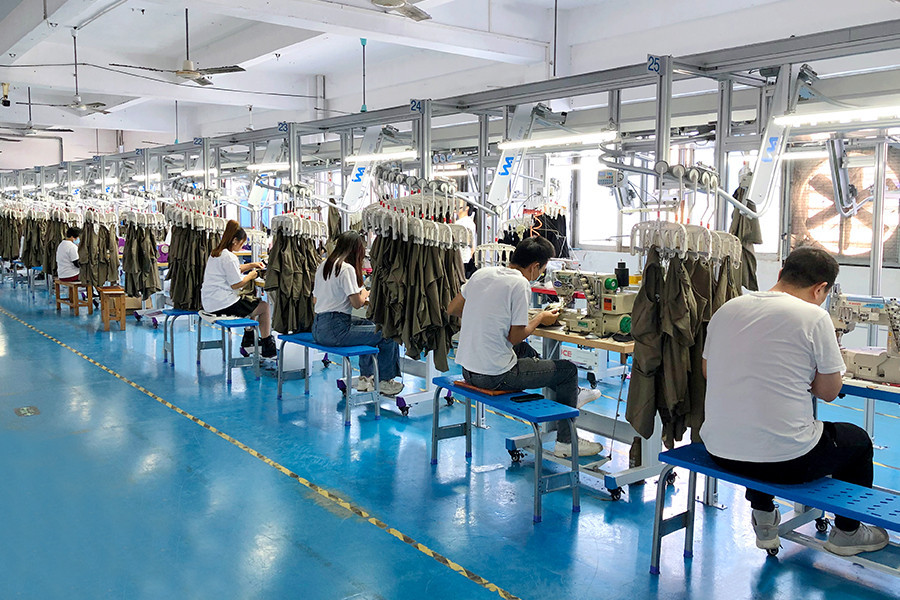
Compression is one of the most used, and least defined, words in a private label activewear brief. A buyer will ask for a "compression legging" or a "compression training short" and assume everyone at the table means the same thing, but two suppliers, or even two developers at the same supplier, can interpret the same phrase as two different products. In development terms, compression is not a single fabric label. It is a direction that comes from fabric weight, stretch and recovery, and how the waistband, seams, and panels are built, and it has to be defined in the brief before the first sample is cut. HUCAI Sportswear works with private label buyers to turn a vague compression request into a clear target, so the first sample already reflects the intended hold, support, and fit instead of being discovered mid-revision.
Quick Answer
Compression direction in premium leggings and training shorts should be defined before sampling as a combination of fabric and construction, not as a single "compression" label. The fabric sets the baseline through weight, spandex content, and recovery, while the waistband, seam placement, and panel structure adjust the hold and where it sits on the body. A private label buyer should fix the compression target, the intended activity, the fabric direction, and the sample review points before the first sample, then confirm the result through fit review and measurement rather than by feel alone.
Table of Contents
- Who This Article Is For
- What Compression Direction Means in Development
- Fabric Variables That Shape Compression
- Construction: Waistband, Seams, and Panels
- Leggings vs Training Shorts: Different Targets
- Defining a Compression Target Before Sampling
- OEM vs ODM for Compression-Led Development
- Decision Check
- Manufacturer Insight
- FAQ
- Final Takeaway
Who This Article Is For
- Primary reader: Private label buyers developing premium leggings and training shorts with a specific compression direction
- Secondary reader: Growing brands refining the hold, fit, and support of an existing bottoms line
- Product stage: Pre-sample planning through pre-production confirmation
- Problem being solved: Turning a vague "compression" request into a measurable target so the first sample, the revision rounds, and the bulk run all reference the same standard
- Who may not need this article: Buyers sourcing a fully finished off-the-shelf style where compression is already fixed by the supplier's catalog
What you gain from this article: A manufacturer's view of how compression is built, not assumed. You will see which fabric and construction variables actually drive hold and recovery, how a legging target differs from a training short target, and how to write a compression brief that survives sampling and bulk without re-spec drift.
What Compression Direction Means in Development
In a development brief, "compression" is a target, not a property that a fabric automatically carries. The same nylon-spandex base can be built into a soft, brushed legging for studio wear or a firmer training legging with a different hold, simply by changing the weight, the construction, and the fit. What a buyer should define is the direction: how much hold, where the hold sits, and what the garment should feel like on the body.
Hold comes from three sources working together. Fabric weight and recovery create the baseline tension. Construction shapes where that tension is applied: a wide waistband, a gusset, a shaped side panel, or a seam moved to the outside of the leg all change how the garment holds. Fit, and specifically how much negative ease the pattern allows, determines how much the fabric is actually stretched when worn. A legging is only as compressive as the combination of these three, not any one of them alone.
This is why "compression" cannot be read from a reference image. A photo shows the silhouette, but it does not show the fabric weight, the recovery, the seam placement, or the pattern ease, and each of these changes the hold. A buyer should treat a reference image as a visual direction and confirm the compression separately through the fabric spec and the fit review.
The practical step is to write the compression direction in measurable language. Instead of "high compression," a brief should say which activities the garment needs to hold through, where the hold should be felt, and how the fabric should recover after movement. That gives the developer a target to build against, and it gives the sample review a standard to measure.
Fabric Variables That Shape Compression
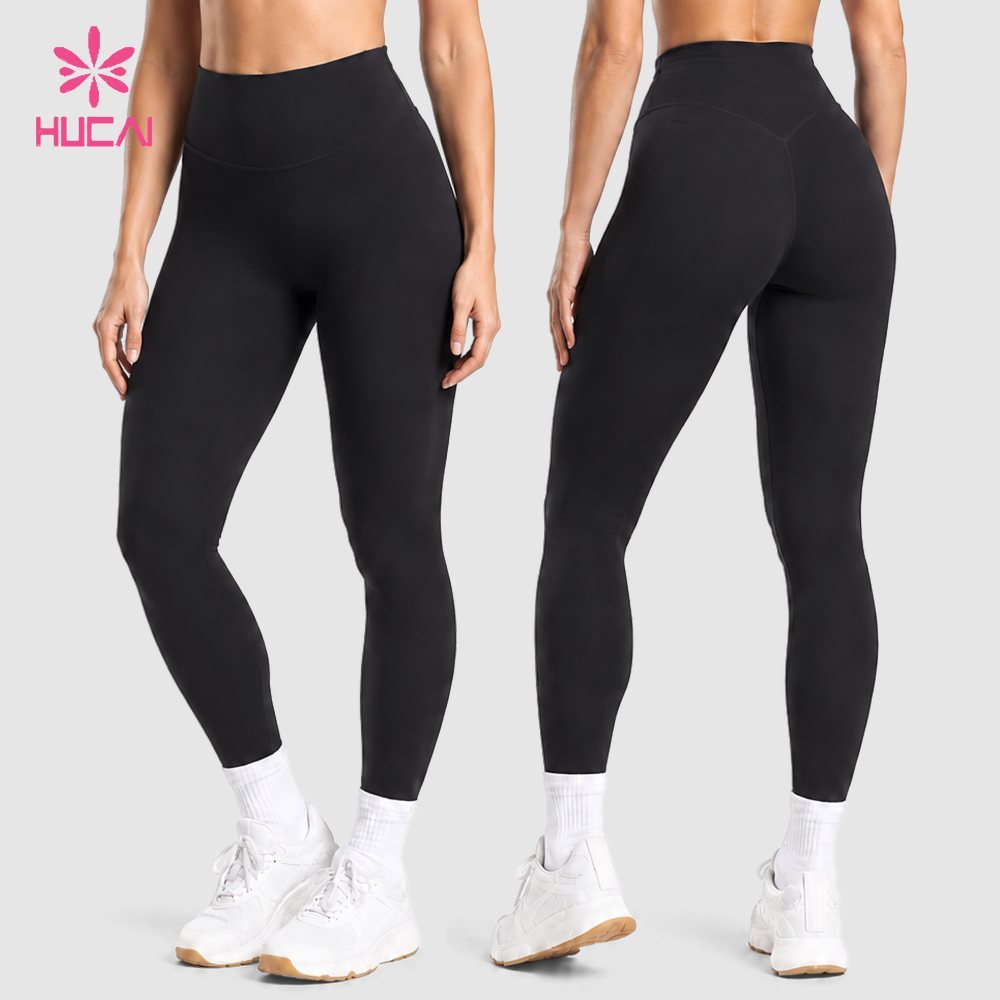
The fabric is the baseline for compression, and three variables do most of the work: weight, spandex content, and recovery. A private label buyer does not need to be a textile engineer to control these, but they should know which ones to name in a brief.
Weight is usually described in grams per square meter, and it sets how much material is holding the body. A heavier knit generally supports a firmer direction, while a lighter knit moves toward a softer, second-skin feel. Weight is not the same as compression, but it is the first lever a developer pulls, and it interacts directly with opacity and hand feel.
Spandex content drives the stretch and the return. A base with a higher spandex percentage stretches further and pulls back harder, which supports a firmer direction. A base with less spandex feels softer but holds less. The exact percentage should be confirmed with the supplier against the target, because it is the single most important fiber decision for a compression-led style.
Recovery is the property that decides whether the compression lasts or fades. A fabric that recovers well returns to its original shape after being stretched, so the hold stays consistent through a session and after wash. A fabric that stretches but does not recover well bags out at the knee and waist, and the compression drops after a few wears. Recovery is reviewed on the sample and against the fabric spec, not assumed from the hand feel.
Surface finish also matters. A brushed or peached inner face changes the hand feel and the way the fabric sits against the skin, which is why many premium studio styles use a brushed base for softness while a training style may use a smoother, more technical face. The surface direction should be chosen for the activity, not copied from a reference image without checking how it affects the hold.
Construction: Waistband, Seams, and Panels
Construction is where the compression direction is fine-tuned, and the three places that matter most are the waistband, the seams, and the panel structure. This is also where two leggings made from the same fabric can feel completely different.
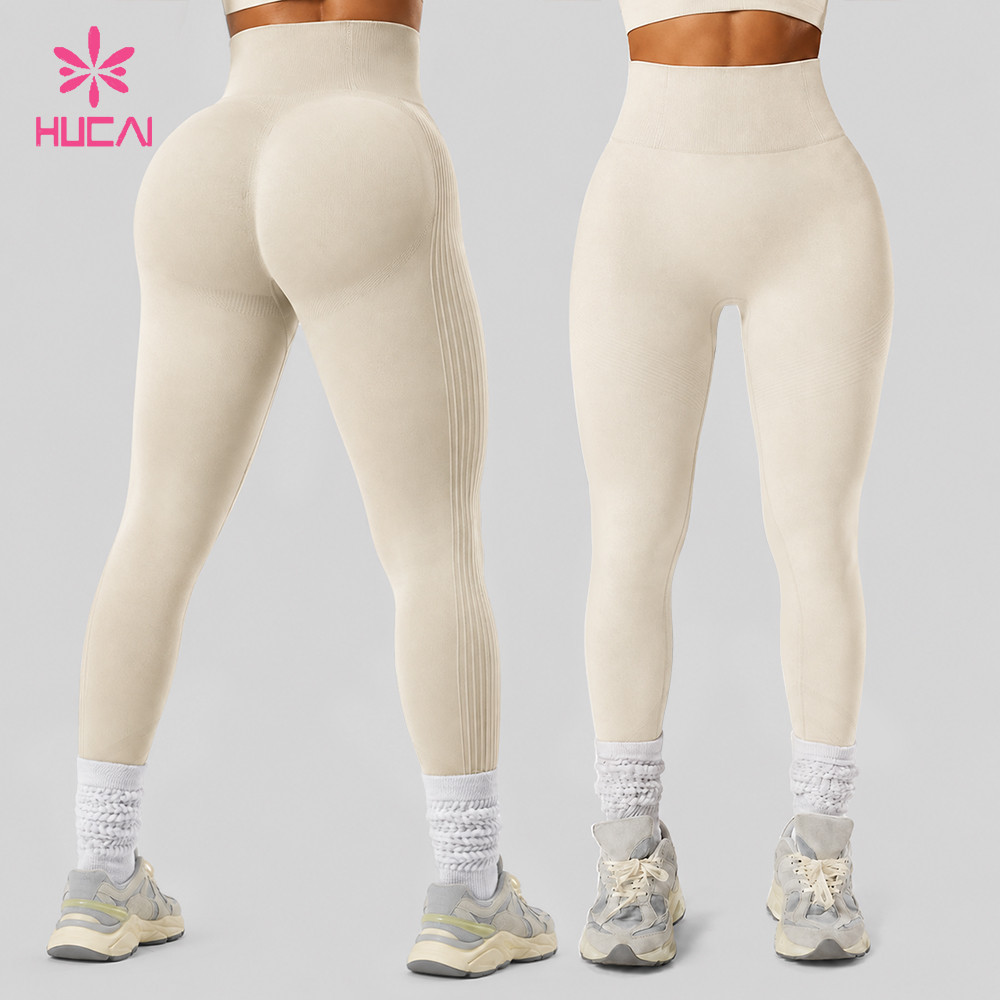
The waistband sets the anchor. A wide, firm waistband holds the garment at the natural waist and carries a large part of the compression feel, while a narrow or elastic-only band lets the garment sit softer and can allow rolling during movement. Waistband height, width, and the internal elastic are all decisions that should be named in the brief, because changing the waistband after sampling usually means re-cutting the sample.
Seam placement changes both comfort and hold. A seam moved to the outside of the leg reduces irritation and gives a smooth construction on the inner thigh, while a center-front seam creates a different silhouette and can change how the fabric pulls across the front panel. For a compression style, the seam layout should be reviewed against the activity so the hold is not fighting the seam, and so high-friction areas are not overloaded with stitching.
Panels and gussets shape the fit. A shaped side panel can add wrap and hold around the hip and thigh, and a gusset changes the crotch fit and reduces stress at a high-movement point. The number and shape of panels are a construction decision, not a decoration, and they are one of the main ways a developer tunes a legging from a soft silhouette into a firmer, more supportive one.
For a private label buyer, the takeaway is that construction is not an afterthought to the fabric. The fabric sets the ceiling, and the construction decides how much of that ceiling the garment actually uses. A brief that names the fabric but leaves the waistband and seam direction open is a brief that will be reworked at the sample stage.
Leggings vs Training Shorts: Different Targets
A compression legging and a compression training short are not the same project with different inseams. They hold the body differently, stress the fabric differently, and are reviewed against different fit points, so the compression target should be set per style rather than carried over automatically.
Leggings work as a full-length compression system. The fabric wraps the waist, hip, thigh, and calf, and the hold is distributed down the leg. This makes them well suited to a firmer direction, because the full coverage allows the garment to hold through a wide range of movement without stressing a single seam. The review points are the waistband, the knee recovery, and the hem, which should stay in place through running and training.
Training shorts work over a shorter area, so the hold concentrates at the waist and the upper thigh, and the leg opening becomes a real fit point. A short cannot rely on the full leg to distribute tension, which means the waistband and the leg opening have to work harder, and a short that is too firm at the hem can ride up or pinch. The compression target for a short is usually set lower at the hem than at the waist, and that difference is confirmed during fit review.
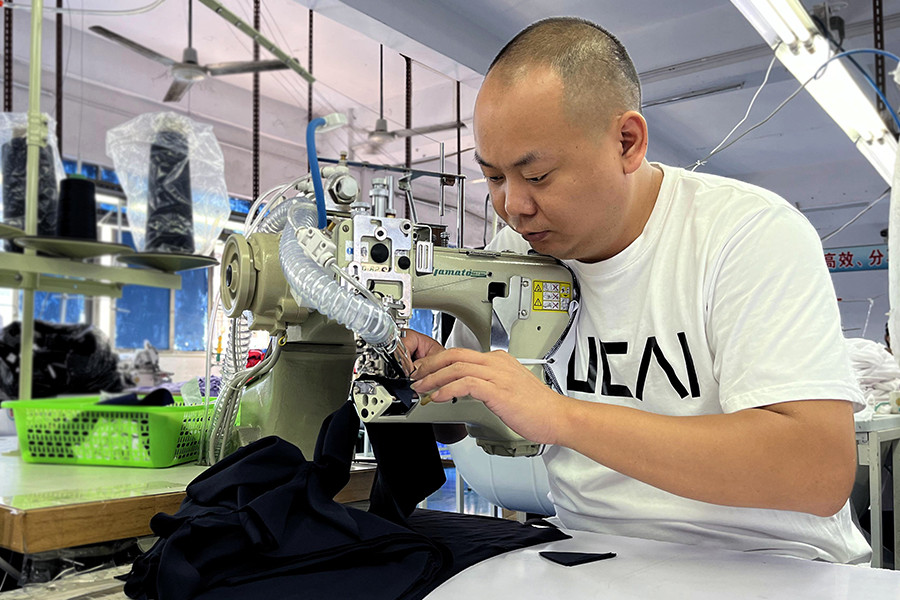
The inseam and the inner-thigh construction matter more on shorts. A short with an inner-thigh seam needs that seam to stay flat and low-friction, while a short with a smooth, minimal-seam inner leg reduces the rub point entirely. For high-movement training, the inner-thigh construction should be reviewed alongside the compression target, because the two decisions affect each other.
The practical step is to write the compression direction per style. A capsule that pairs a firm legging with a softer training short is a common and coherent combination, but each style still needs its own waistband, hem, and hold target so the two bottoms do not drift to the same fit by default.
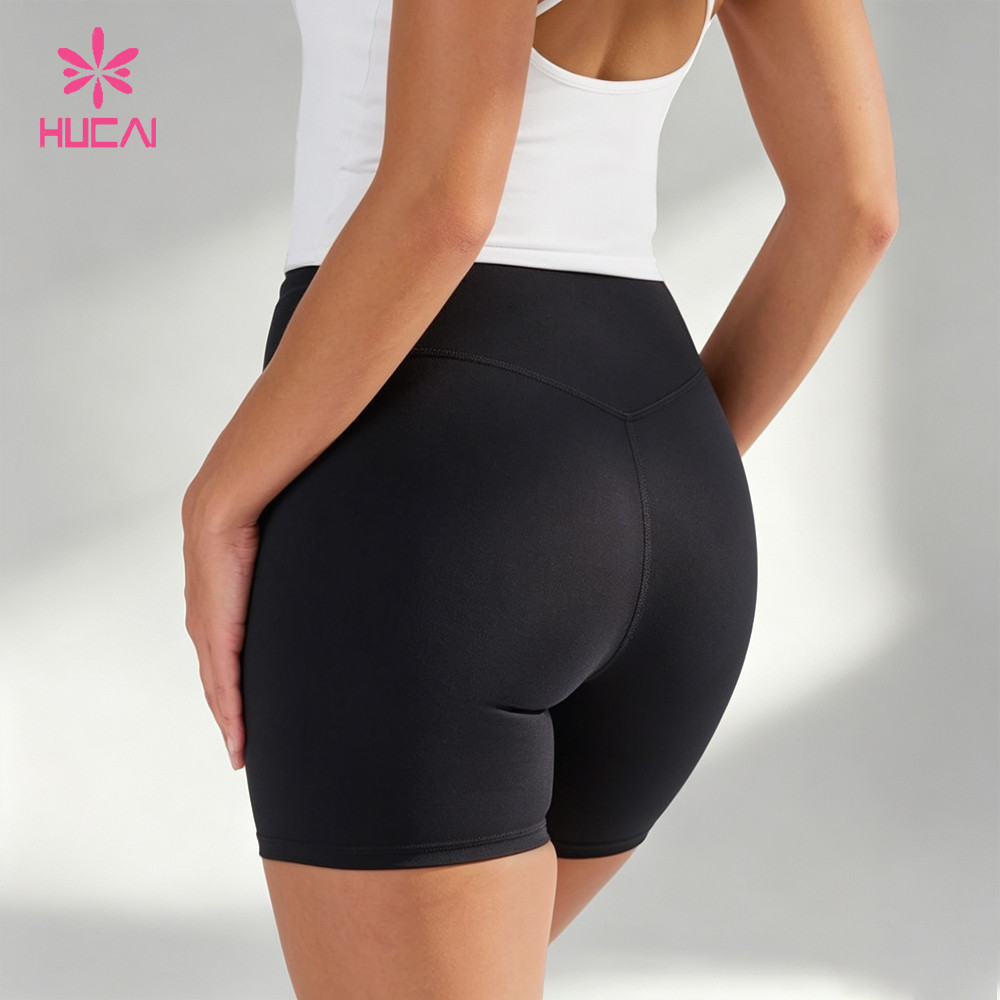
Defining a Compression Target Before Sampling
The whole point of defining compression before sampling is to give the first sample something to be measured against. Without a written target, the first sample becomes the target by default, and every revision is made against a moving standard. A clear brief avoids that loop.
The target should start with the activity. A legging for running needs recovery at the knee and a hem that stays down. A short for HIIT needs a waistband that stays anchored through explosive movement. A studio legging needs hold without stiffness. Naming the activity first keeps the compression direction realistic instead of defaulting to "as firm as possible," which is how a style ends up over-built and uncomfortable.
Second, set the compression level as a direction, not a number. Light, medium, and firm are useful working labels, but they should be paired with what the buyer wants to feel: where the hold sits, how much the fabric should return after a stretch, and whether the garment should feel like a second skin or a supported layer. This gives the developer a range to build within and gives the fit review a language to use.
Third, define the review points. The waistband, the knee or thigh, and the hem are the three places compression is judged, and each should have a written expectation. The sample review then checks whether the hold matches the brief at those points, rather than relying on a general impression of "too tight" or "too loose."
Finally, connect the target to the fabric and construction decisions. A firm direction needs a fabric with enough weight and recovery to hold it, plus a waistband and seam plan that deliver it. If the target and the fabric do not match, that mismatch should be caught at the brief stage, not discovered after the sample arrives. Sample development usually takes about 10-15 days, and every re-cut cycle that comes from an undefined target is time that could have been saved by writing the target down first.
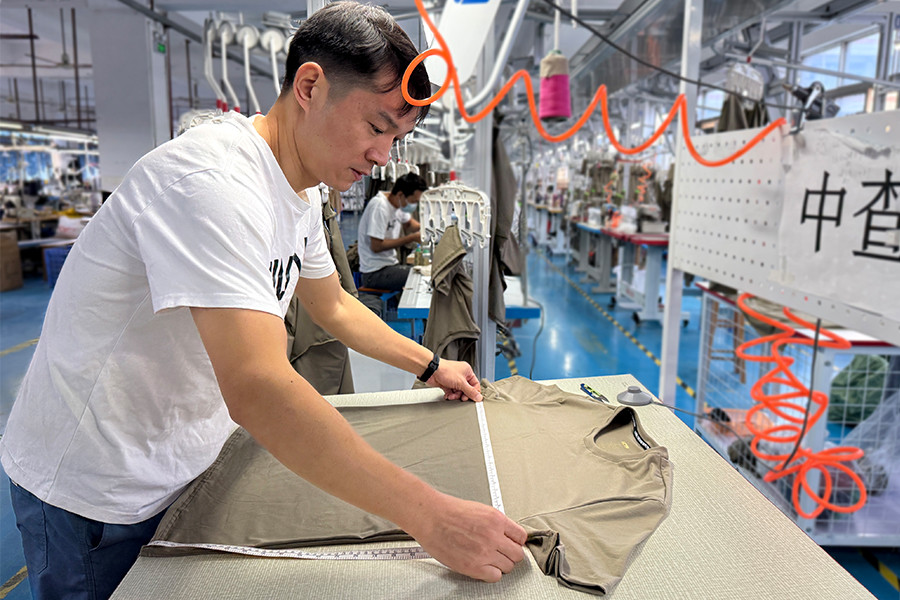
OEM vs ODM for Compression-Led Development
A compression-led project fits one of two development paths depending on how complete the brief is, and choosing the path early avoids a mid-development re-spec.
OEM is the right path when the buyer has a defined brief: a compression target, a fabric direction with weight and recovery, a waistband and seam plan, and a measurement chart. In this path, the factory executes against the buyer's specification, and the review is about whether the sample matches the brief. A buyer with a tech pack that already names these variables is positioned for an OEM review, where the first sample is a check of the spec rather than a discovery of it.
ODM is the right path when the buyer has a direction but not a full specification: a reference image, an activity, and a compression feel they are aiming for, without the fabric weight or construction decided. In this path, the factory helps translate the direction into a concrete brief, recommending the fabric, the construction, and the review points against the target. This is common for a brand moving into a firmer compression direction for the first time, where the supplier's fabric library and sample experience shorten the path from direction to sample.
The two paths are not a quality ranking; they are a documentation question. A brand that sends an incomplete brief down the OEM path will spend its sample cycles discovering the spec, and a brand with a full tech pack that sends it down the ODM path is paying for development guidance it already has. Matching the path to the brief is the single fastest way to control revision cycles.
In either path, the compression target should still be written down before the first sample. The difference is only who fills in the fabric and construction gaps. A buyer who fixes the target, the activity, and the review points can enter either path cleanly, and the first sample arrives as a check of the standard rather than as the standard itself.
Decision Check: Is the Compression Direction Ready for Sampling?
Before requesting a compression sample, confirm the following:
- Activity confirmed: The brief names the activity (running, training, HIIT, studio, or similar) the style must hold through
- Compression target defined: The direction is written as light, medium, or firm, with where the hold should sit and how the fabric should recover
- Fabric direction confirmed: Weight, spandex content, and recovery are named or flagged for supplier confirmation
- Construction plan defined: Waistband height and width, seam placement, and panel or gusset direction are written down
- Sample review points set: The waistband, the knee or thigh, and the hem each have a written expectation for fit review
If three or more criteria are confirmed, the direction is ready for a structured sample request. If fewer than three are resolved, the project will benefit from a compression and fabric conversation before sampling, because a target that is only defined at the first sample becomes a moving standard for every revision after it.
Ready to take the compression direction forward? If you have a defined brief with a target, a fabric direction, and a measurement chart, share the specification for an OEM review through the send inquiry form. If you are starting from a reference image and a compression feel you want to hit, share the images, the activity, and the target styles for an ODM development review through the contact us page.
Manufacturer Insight
The most common early-stage mistake in compression development is treating a reference image as a compression spec. A photo can show a smooth, second-skin silhouette, but it cannot show the fabric weight, the recovery, the seam placement, or the pattern ease, and those are exactly the variables that decide the hold. Brands that move fastest from reference to sample are the ones that arrive with an activity, a compression direction, and a set of review points, then let the factory fill in the fabric and construction against that target. HUCAI Sportswear reviews compression-led briefs against fabric, construction, and fit before sampling, so the first sample is built to a written standard rather than to a guess at what the reference was meant to feel like.
FAQ
What is the MOQ for compression leggings and training shorts?
The current public MOQ starts from 100 pcs per style. Final color, size range, fabric, trim, logo, and customization planning depends on the confirmed project, so a compression program with several styles should plan each style as its own MOQ line.
How long does sample development usually take?
Sample development usually takes about 10-15 days, depending on style, fabric, trim, logo, revision requirements, and confirmed details. A compression style with an undefined target tends to add revision cycles on top of this, which is why the target is worth writing down before the first sample.
What affects compression more, the fabric or the construction?
They work together, so it is not an either-or. The fabric sets the baseline through weight, spandex content, and recovery, while the waistband, seam placement, and panel structure adjust the hold and where it sits on the body. A firm direction needs both a fabric that can hold and a construction that delivers it.
Can a compression product be developed from reference images?
Yes, through an ODM path. A buyer can start with a reference image, an activity, and a compression feel they are aiming for, and the factory can translate that into a concrete fabric and construction brief. The reference provides the visual direction, but the compression target still needs to be confirmed separately.
Should I choose OEM or ODM for a compression project?
Choose OEM if you have a defined brief with a compression target, a fabric direction, a construction plan, and a measurement chart. Choose ODM if you have a direction and reference images but the fabric and construction are not yet decided. The path follows the documentation you have, not the style itself.
What should I prepare before requesting a compression sample?
Prepare the activity the style must hold through, the compression direction (light, medium, or firm with where the hold should sit), the fabric direction for weight and recovery, and the review points at the waistband, knee or thigh, and hem. The more of these are written down, the fewer revision cycles the project will need.
How is compression verified during sampling?
Compression is reviewed through fit review, measurement, and the fabric spec, not by hand feel alone. The waistband, the knee or thigh, and the hem are checked against the written target, and the fabric's recovery is reviewed against its specification. The sample confirms whether the hold matches the brief at those points.
What affects sample-to-bulk consistency for compression products?
Sample-to-bulk consistency depends on confirmed standards, approved samples, material control, in-process review, and final inspection. For a compression style, the fabric lot, the waistband construction, and the seam plan are the points most likely to drift, and a quality control process aligned with AQL 2.5-based inspection helps keep the bulk run matched to the approved sample.
Final Takeaway
Compression in premium leggings and training shorts is a direction you define, not a label you assume. The fabric sets the baseline, the construction delivers the hold, and the target is what the sample is measured against. A private label buyer who fixes the activity, the compression direction, the fabric variables, and the review points before sampling moves from reference to sample with fewer revision cycles, and enters bulk with a written standard instead of a moving one.
About HUCAI Sportswear
- Founded in 1998, specializing in women's activewear and sportswear manufacturing
- OEM and ODM development support for leggings, shorts, sports bras, tops, and matching sets
- Structured sample development with fabric, construction, and fit review before bulk production
- AQL 2.5-based inspection as part of the quality workflow
Current certification information can be reviewed during supplier evaluation based on the project and documentation requirements.