How to Translate the Soft-Support Studio Trend Into a Private Label Sports Bra and Leggings Capsule
- Share
- publisher
- HUCAI Sportswear
- Issue Time
- Aug 4,2026
Summary
A product development guide for growing activewear brands planning soft-support studio capsules. Learn how to define support structure, fabric recovery, and top-bottom coordination before sampling.
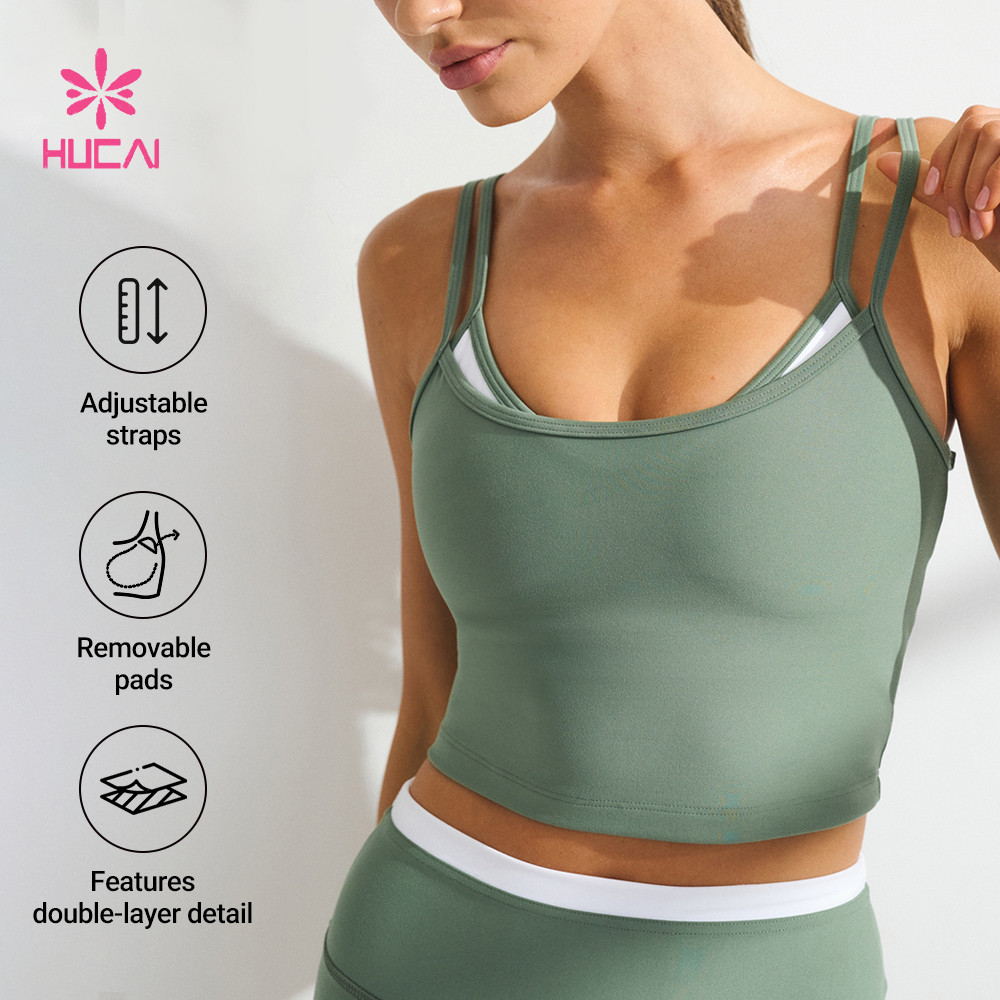
The soft-support studio trend has moved from boutique yoga studios into mainstream activewear collections. For private label activewear brands, this is not simply a comfort story. It is a product architecture challenge that touches sports bra structure, leggings recovery, fabric hand feel, and the coordination logic between top and bottom. Brands that treat soft support as a single fabric choice often discover fit issues, support gaps, or mismatched aesthetics only after the first sample round. HUCAI Sportswear works with growing brands to translate this trend into a development-ready capsule before sampling begins.
Quick Answer
Translating the soft-support studio trend into a private label sports bra and leggings capsule requires three coordinated decisions: defining support structure without heavy compression, selecting fabric with balanced recovery and hand feel, and aligning top-and-bottom construction so the matching set performs as a system. OEM and ODM development paths differ in how these variables are defined before sampling.
Table of Contents
- Who This Article Is For
- What Soft-Support Studio Means in Product Development Terms
- Sports Bra Structure Decisions for Soft Support
- Leggings Construction for Studio-to-Life Wear
- Fabric Recovery and Hand Feel Balance
- Top-Bottom Coordination in a Matching Set
- OEM vs ODM Implications for Soft-Support Capsules
- Decision Check: Is Your Soft-Support Direction Ready for Sampling?
- Manufacturer Insight
- FAQ
- Final Takeaway
Who This Article Is For
- Primary reader: Growing activewear brands planning a private label soft-support studio capsule for sports bras and leggings.
- Secondary reader: Established brands expanding into low-to-mid support categories or refreshing an existing matching set line.
- Product stage: Pre-sample development, with either reference images (ODM) or partial tech pack (OEM) in hand.
- Problem being solved: How to define support, fabric, fit, and coordination requirements so the first sample round tests the right variables.
- Who may not need this article: Brands already in bulk production with confirmed soft-support specifications, or buyers looking only for generic fabric recommendations without product structure context.
What you gain from this article: A clearer framework for defining soft-support product architecture before sampling. You will understand which bra and leggings variables move together, where fabric recovery becomes critical, and how to structure your development brief so the manufacturer can respond with relevant samples rather than guesswork.
What Soft-Support Studio Means in Product Development Terms
Soft support is often described as comfortable or relaxed, but in manufacturing terms it is a specific support range with defined structural consequences. A soft-support sports bra does not simply use lighter fabric. It relies on a different distribution of stability: wider underband width, adjusted strap placement, modified neckline geometry, and reduced padding or molded structure. Each of these changes affects pattern making, grading, and sample review criteria.
For leggings, soft support translates into lower compression, higher stretch recovery tolerance, and a waistband structure that prioritizes comfort over aggressive hold. The shift from high-compression training leggings to studio-focused bottoms changes fabric modulus requirements, seam placement, and gusset geometry.
Brands that communicate "soft support" without defining these structural variables often receive samples that feel comfortable but lack the intended stability, or vice versa. The first development decision is to translate the trend language into measurable product parameters.
Sports Bra Structure Decisions for Soft Support
The move from medium or high support to soft support changes five structural variables:
- Underband width and elastic modulus: A wider underband with moderate elastic tension can provide stability without the aggressive grip of a narrow, high-tension band. The width-modulus combination must be specified before pattern making begins.
- Strap configuration: Soft-support bras often use racerback or cross-back designs with wider straps. Strap width, attachment point, and adjustability affect both comfort and the bra's ability to maintain position during movement.
- Cup and lining structure: Reducing or removing molded padding changes how the bra manages shape and coverage. The lining fabric, seam placement, and potential for removable padding must be confirmed early.
- Neckline and coverage: Lower necklines and relaxed coverage are common in studio-oriented bras. These design choices affect pattern geometry, size grading behavior, and the relationship between support and movement freedom.
- Closure type: Pullover designs dominate soft-support bras, but some brands prefer hook-and-eye closures for adjustability. The closure decision affects back panel construction, underband width requirements, and grading logic.
Each of these decisions should be documented in the development brief before sampling. Brands working with a custom sports bra manufacturer should confirm which variables the manufacturer can adjust within the intended support range.
Leggings Construction for Studio-to-Life Wear
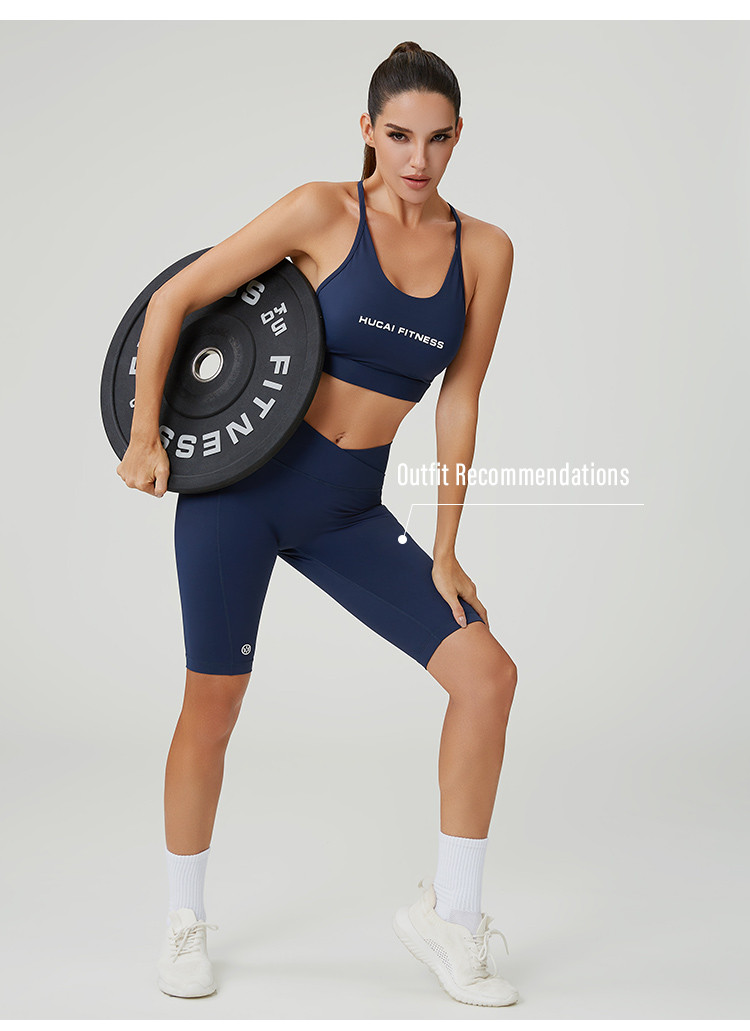
Studio-oriented leggings share visual DNA with training leggings but operate under different performance assumptions. The key construction differences include:
- Waistband height and structure: Soft-support leggings often use a higher waistband with moderate compression. The waistband height, elastic type, and seam placement determine whether the legging stays in place during yoga transitions or slides during repeated bending.
- Compression zoning: Unlike high-compression training leggings, studio leggings may use uniform or lightly graded compression. The absence of aggressive compression changes fabric selection, seam type, and the potential for gusset design.
- Gusset and crotch construction: A well-designed gusset reduces fabric tension and improves range of motion. For soft-support leggings, gusset shape, fabric direction, and seam finish affect both comfort and long-term durability.
- Length and hem options: Studio leggings range from full length to seven-eighths and cropped. Length decisions affect fabric consumption, grading behavior, and how the legging pairs visually with the matching bra.
These construction decisions should align with the bra's coverage and support level. A low-support bra paired with high-compression leggings creates a product logic mismatch that confuses the buyer and complicates the marketing message.
Fabric Recovery and Hand Feel Balance
Soft-support products live in a narrow zone between too much compression and insufficient recovery. Fabric selection must address:
- Stretch modulus: The force required to stretch the fabric determines how the garment feels against the body. Lower modulus fabrics feel softer but may lack the recovery needed to maintain shape after repeated wear.
- Fabric recovery rate: After stretching, the fabric must return to its original dimensions. Poor recovery leads to bagging at knees, elbows, and waistband areas, particularly in leggings worn for extended periods.
- Hand feel vs. performance: Soft, brushed, or peached surfaces feel comfortable against the skin but may pill faster or lose recovery over time. The trade-off between immediate hand feel and long-term performance should be discussed during fabric review.
- Moisture behavior: Studio environments vary in temperature and intensity. Fabric that manages moisture without feeling clammy supports the all-day-wear positioning that many soft-support brands target.
Brands developing a custom matching set should request fabric swatches with documented stretch and recovery data before committing to a sample round. Visual assessment alone cannot confirm whether a fabric will maintain its hand feel and structure through the intended product life.
Top-Bottom Coordination in a Matching Set
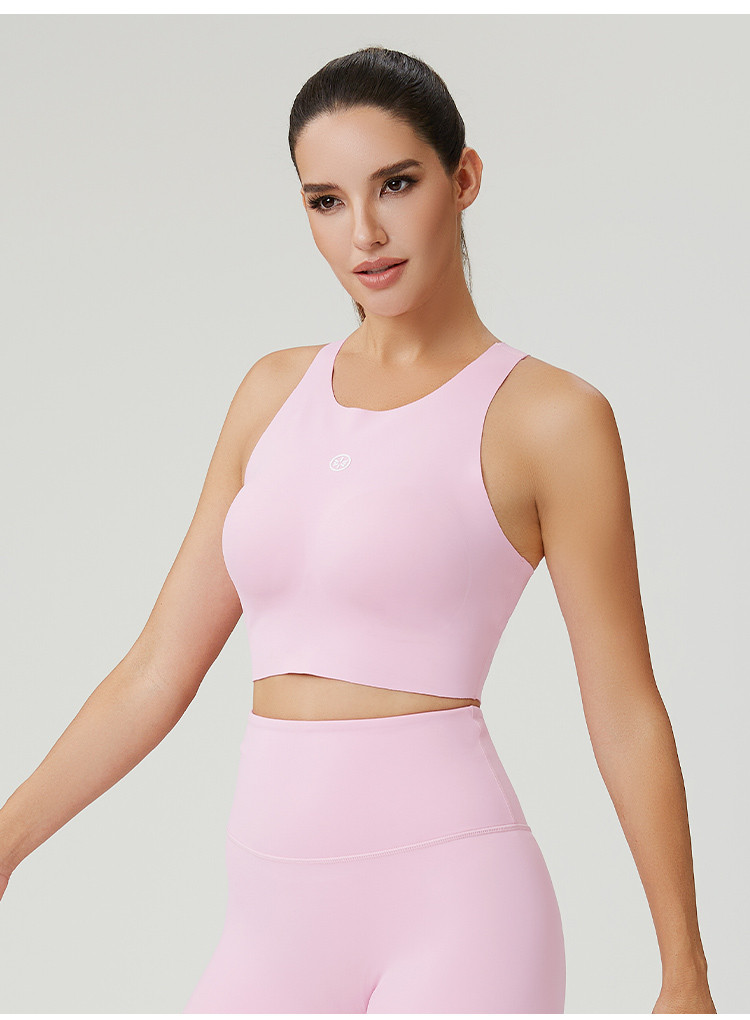
The commercial appeal of a soft-support studio capsule often depends on how well the bra and legging function as a set. Coordination involves more than matching color:
- Visual proportion: The relationship between bra coverage and waistband height affects how the set looks on different body types. A high-waist legging paired with a minimal bra creates a different silhouette than the same legging with a longer-line bra.
- Fabric family consistency: Using the same fabric base for both pieces simplifies color coordination and reduces dye lot variation. However, bras and leggings may require different lining or double-layer construction, which affects hand feel consistency.
- Color and shade control: Matching colors across different garment types requires managing dye absorption differences, especially when one piece uses double fabric layers and the other uses single. Pre-sample shade confirmation is essential.
- MOQ and color minimums: Coordinating color across bra and legging styles affects minimum order quantities. A two-piece set in three colors creates six SKU-color combinations, each with potential minimums.
Brands planning private label sportswear should resolve coordination questions during the development brief phase, not after the first sample arrives.
OEM vs ODM Implications for Soft-Support Capsules
The development path affects how soft-support variables are defined:
| Variable | OEM (Tech Pack) | ODM (Reference Images) |
|---|---|---|
| Support level | Defined by buyer in tech pack | Interpreted from reference; requires explicit confirmation |
| Fabric specification | Buyer provides target or approves mill options | Manufacturer proposes based on reference and target price |
| Construction details | Documented in tech pack | Inferred from images; must be confirmed before sampling |
| Size grading | Buyer provides grade rules | Manufacturer proposes; buyer reviews against target market |
| Sample revision scope | Focused on execution accuracy | May include structural interpretation adjustments |
In both paths, the brand must communicate the intended support range, fabric direction, and coordination requirements clearly. A manufacturer with both OEM and ODM capability can advise which path suits the brand's current documentation and timeline.
Decision Check: Is Your Soft-Support Direction Ready for Sampling?
Before requesting samples, confirm the following:
- Support range defined: Have you specified the intended support level (soft, light, low) with structural notes on underband, straps, and closure?
- Fabric direction confirmed: Do you have target stretch modulus, recovery requirements, and hand feel preferences documented?
- Top-bottom coordination resolved: Have you decided on visual proportion, fabric family consistency, and color strategy across the set?
- Size range and grading agreed: Is the size range confirmed, and do grade rules account for the relaxed fit of soft-support construction?
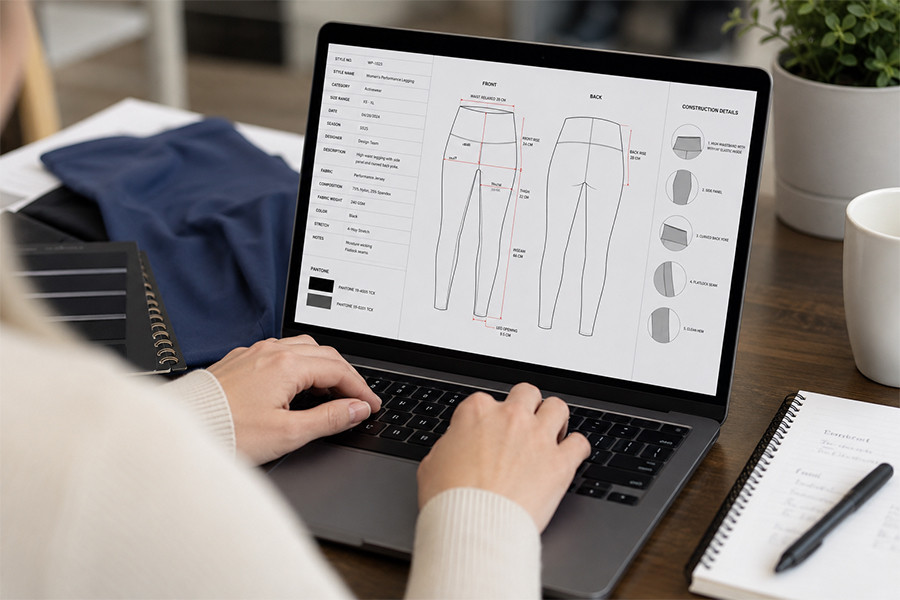
- Development path clear: Do you have a tech pack (OEM) or reference images with annotation (ODM) ready for manufacturer review?
If three or more criteria are confirmed, the direction is ready for a structured sample request. If fewer than three are resolved, additional development planning will reduce sample revision cycles and control cost.
Manufacturer Insight
A common early-stage issue in soft-support development is treating fabric softness as the primary variable while ignoring structural support redistribution. Brands select a fabric with excellent hand feel, only to discover during sample review that the bra lacks position stability or the leggings waistband rolls during forward folds. The root cause is usually not the fabric itself but the absence of structural compensation: a wider underband, adjusted strap geometry, or modified waistband construction. At HUCAI Sportswear, the development review process includes a structural check before fabric selection is finalized, identifying whether the intended support level can be achieved with the proposed fabric and construction combination.
FAQ
What is the MOQ for a soft-support sports bra and leggings set?
The current public MOQ starts from 100 pieces per style. For a matching set with multiple colors and sizes, the total minimum depends on color and size distribution. Coordinate these details during the development brief to avoid surprises at quotation.
How long does sample development usually take?
Sample development usually takes about 10-15 days after the development brief is confirmed and materials are available. Complex constructions or special fabric sourcing may extend this timeline. Confirm the sample schedule during the initial review.
Can development start from reference images for a soft-support capsule?
Yes. ODM development from reference images is common for soft-support studio collections. The key is to annotate the references with support level preferences, fabric hand feel direction, and coordination requirements so the manufacturer interprets the intent correctly.
What causes repeated fit revisions in soft-support bras?
Repeated revisions usually stem from incomplete support level definition. If the brand requests adjustments to underband tension, strap width, or coverage after the first sample, the pattern and construction may need significant modification. Defining these variables before sampling reduces revision cycles.
How should support direction be defined for a studio-oriented sports bra?
Support direction should be defined by activity type (yoga, pilates, light movement), intended wear duration, and the relationship between the bra and the legging set. Document underband width, strap configuration, closure type, and desired compression feel in the development brief.
What affects sample-to-bulk consistency in soft-support leggings?
Fabric lot variation, elastic tension settings, and sewing tension consistency are the main factors. Pre-production approval should verify that bulk fabric matches the approved sample in stretch modulus and recovery. Waistband elastic tension must be set and checked per production batch.
When does fabric choice change product structure in soft-support development?
Fabric choice changes structure when the selected material's stretch modulus or recovery rate falls outside the range assumed during pattern making. A fabric with lower recovery than expected may require a tighter pattern or additional structural elements to maintain shape.
Should a brand choose OEM or ODM for a first soft-support capsule?
Choose OEM if you have a tech pack with confirmed measurements, construction details, and fabric specifications. Choose ODM if you have reference images, brand direction, and are willing to collaborate on technical interpretation. Review the OEM and ODM paths to determine which fits your current documentation.
Final Takeaway
The soft-support studio trend is a product architecture challenge, not a fabric selection exercise. Brands that define support structure, fabric recovery, and top-bottom coordination before sampling produce capsules that perform as intended across yoga, studio, and all-day wear scenarios. The development brief is the critical control point: the more precisely you communicate support level, fabric direction, and coordination requirements, the more accurate your first sample round will be.
About HUCAI Sportswear
- Founded in 1998, specializing in women's activewear and sportswear manufacturing
- OEM and ODM development support for sports bras, leggings, shorts, tops, and matching sets
- Structured sample development and sample-to-bulk consistency control
- AQL 2.5-based inspection as part of the quality workflow
Current certification information can be reviewed during supplier evaluation based on the project and documentation requirements.