How to Translate the Soft-Support Studio Trend Into a Private Label Sports Bra and Leggings Capsule
- Share
- publisher
- HUCAI Sportswear
- Issue Time
- Aug 5,2026
Summary
How growing brands can translate the soft-support studio trend into a developable private label sports bra and leggings capsule. Covers bra underband and cup structure, legging waistband and opacity, fabric recovery vs. hand feel, color coordination across matching sets, and OEM vs. ODM path selection.
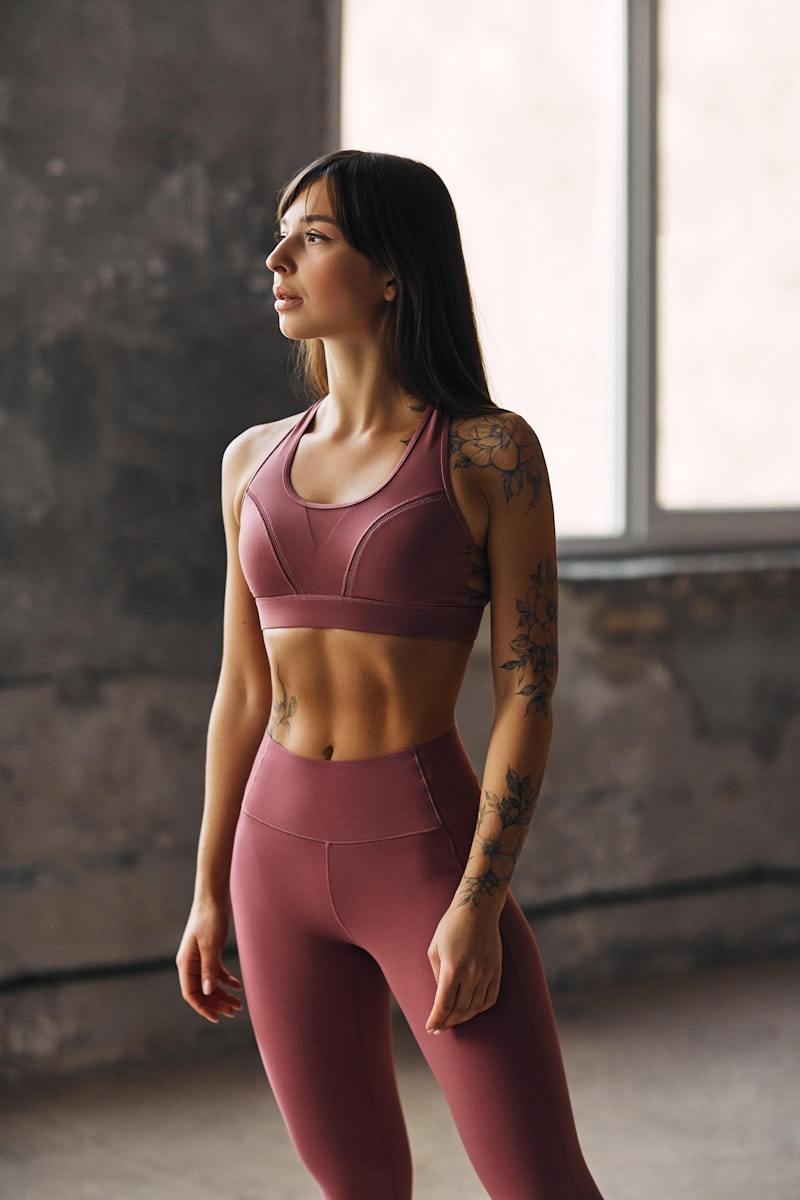
The soft-support studio aesthetic has become one of the most consistent matching-set directions across North American and Australian activewear brands over the past 18 months. For a private label buyer or growing brand, the real question is not whether the look is popular — it is how to translate that visual direction into a viable sports bra and leggings capsule that can move through sample development and into bulk production without repeated surprises. At HUCAI Sportswear, we see brands make the same early mistake: treating this category as easier because it looks simple. A soft-support set still requires deliberate decisions on fit, fabric recovery, underband stability, waistband construction, and opacity — and skipping any one of them tends to show up in the first sample round.
Quick Answer
Translating the soft-support studio trend into a private label capsule depends on defining the right sports bra structure (removable or fixed cup, wide or narrow underband, minimal or adjustable straps), legging construction (brushed or smooth hand feel, gusset, rise, waistband fit), and fabric family that balances soft drape with sufficient recovery. Brands with reference images and a clear target market are typically better suited to the ODM path, while brands with a complete tech pack and confirmed fabric specifications can move through OEM. Either way, support direction, opacity, and matching-set color control should be confirmed before sampling — not discovered during it.
Who This Article Is For
Primary reader: Growing brands with an established visual direction who are ready to develop a matching sports bra and legging capsule — but may not yet know how to write a full technical brief for soft-support construction.
Secondary reader: Private label buyers evaluating whether the studio aesthetic fits their brand positioning and development budget, and who want to understand what makes this category different from high-support or compression-led activewear.
Who may not need this article: Brands that already have a confirmed tech pack with fabric specifications, measurement charts, and construction details for a soft-support set — in that case, a direct OEM review may be more efficient. Brands looking for high-impact or compression-led sports bras should start from a different structural direction.
What This Article Helps You Do
This article helps you move from a market observation to a structured development brief. By the end, you should be able to discuss bra underband design, legging gusset and waistband construction, fabric recovery and opacity targets, and the OEM or ODM path with your manufacturing partner — without relying on guesswork or reference images alone.
What "Soft-Support Studio" Means in Product-Development Terms
The studio aesthetic is not one product. It is a recurring combination of three development decisions that show up together across multiple brands in North America and ANZ markets:
- Low-to-moderate support direction — designed for yoga, barre, Pilates, and light studio movement, not running or HIIT. This means the bra prioritizes comfort and shape over compression, and the legging prioritizes drape and range of motion over locked-in hold.
- Smooth, minimal-seam panel construction — the silhouette uses clean lines, often with a racerback or cross-back strap structure. The visual language is refined but not technical-looking. This is not the same as seamless construction, which has its own production requirements and is not the default path for this direction.
- Matching fabric family across bra and legging — the set is read as one system. The fabric hand feel, surface finish, and color must coordinate across both pieces. Even small mismatches in sheen or texture become visible when the bra and legging are worn together.
For a growing brand, the development risk sits in the gap between what the reference image shows and what the fabric, fit, and construction actually require. A soft-support bra may look simple in a photo but still needs deliberate decisions on lining, cup structure, strap width, and underband tension — each of which can trigger a sample revision if left undefined before the first round.
Sports Bra Structure for Soft-Support Studio Development
The sports bra in a studio capsule is not a compression garment. The goal is light shaping, comfortable wear, and enough stability for floor-based and standing studio movement — not impact protection. That still leaves several structural decisions that should be confirmed before the first sample is cut.
Underband Direction
For soft-support bras, the underband is usually wider and less compressive than in a training bra — often 1.5 to 3 inches of elastic or self-fabric banding. The underband should be reviewed for stability during forward-fold and side-bend movements, not just for static fit. A band that feels secure standing still may ride up during a down-dog sequence. This is one of the most common sample-stage revision triggers.
Cup and Lining Structure
Removable cups are a common buyer request for studio bras, but they add production complexity: the cup pocket must be correctly aligned, the cup must not shift during wash or wear, and the removable nature must not compromise the outer fabric drape. Fixed padded cups or shelf bras are simpler to produce and often yield more consistent fit, but they change the visual result. This decision should be confirmed before sampling — switching from removable to fixed cups mid-development frequently requires pattern changes.
Strap and Back Design
Racerback, cross-back, and U-back strap layouts all affect shoulder mobility and the visual character of the set. A racerback may offer more stability for studio movement; a cross-back may create a more delicate look but can shift during lateral arm movement. The buyer should specify the intended activity range — not just the visual reference — so the manufacturer can recommend the strap direction that balances aesthetic and function.
Leggings Construction for the Studio Capsule
Studio leggings in this direction are typically high-rise, with a smooth or lightly brushed surface hand feel, and an emphasis on range of motion over compression. The silhouette often reads as fluid rather than sculpted — but fluidity should not come at the expense of opacity and recovery.
Waistband and Rise
High-rise is the dominant direction, but rise height is only one variable. The waistband should avoid rolling during forward-bend transitions — a common issue when the elastic is too narrow or the waistband panel does not match the body fabric's stretch profile. A folded-over elastic-free waistband may create a cleaner look but requires a fabric with enough self-recovery to stay in place without a separate elastic band.
Gusset and Seam Placement
A gusset improves fit and durability, but its shape and seam placement affect how the legging reads visually. A diamond gusset provides more mobility; a triangular gusset is simpler to construct. The seam around the gusset should be reviewed during sampling for comfort and appearance under stretch — particularly for lighter colors where seam shadow may show through.
Opacity Target
Opacity should be defined as a requirement, not assumed from a fabric swatch. The buyer should specify the expected opacity under stretch — for example, during a forward fold or a deep squat — and the fabric should be tested on-body at the sample stage, not only on a flat table. This is one of the highest-stakes variables for studio leggings, because a fabric that looks opaque in a catalog image may lose coverage when stretched across the body.
Fabric Direction: Soft Hand Feel vs. Recovery Requirements
The core tension in a soft-support studio capsule is between the desired soft hand feel and the recovery the garment needs to maintain its shape through movement and wash cycles. A fabric that feels buttery and lightweight in hand may not have enough elastane content or knit structure to hold its shape in the underband or waistband.
Common fabric directions for this category include nylon-spandex blends with a brushed or peached surface finish. The brushed surface creates the soft hand feel and matte appearance that characterize the studio look. The spandex content — often in the range of 15-25% depending on the construction — provides the recovery. However, exact fiber content, GSM, and finish specifications must be confirmed with the manufacturer for each project; these figures should not be assumed from a reference image.
Before sampling, the buyer and manufacturer should align on:
- Hand feel target: Brushed / peached / smooth — describes the surface finish direction
- Recovery requirement: How much snap-back the fabric should retain after stretch, particularly for waistband and underband panels
- Opacity target under stretch: Confirmed through an on-body sample review, not only a flat-fabric opacity check
- Weight range: Lightweight (for drape) vs. midweight (for structure and coverage) — affects how the legging performs during studio movement
- Surface sheen: Matte is the dominant studio direction; a shiny or slick finish changes the aesthetic and should be intentionally chosen or intentionally avoided
For a deeper walkthrough on fabric selection, see our sportswear fabric guide.
Color and Matching-Set Coordination
A matching set depends on more than choosing the same color name for the bra and legging. The same dye lot and fabric family must be used across both pieces, or subtle shade differences will appear — especially under natural light and after wash testing.
For private label development, the following should be defined before color lab dips begin:
- Core palette: Usually 2-4 colors for the first capsule — a mix of neutral and muted tones (moss, oat, slate, mauve, clay) is the most common studio direction. Bright or saturated colors are less typical for this aesthetic.
- Cross-product shade control: The bra body fabric, legging body fabric, and any contrast binding or trim should share the same dye-lot reference. When different base fabrics are used for bra and legging, even the same dye formulation may produce visibly different results.
- MOQ per color: The standard MOQ of from 200 pcs per style applies, but splitting that across multiple colors increases per-color cost and may extend lead time. Discuss the planned color count early so the manufacturer can factor it into fabric ordering and production scheduling.
Color fastness to light, wash, and perspiration should be reviewed at the sample stage. Studio apparel is often worn for extended periods and washed frequently; color degradation that appears after 10-15 washes can create a negative brand experience that the buyer discovers too late.
OEM vs. ODM: Which Path for This Direction
The soft-support studio direction can move through either OEM or ODM — the right path depends on what the brand already has, not on which path sounds more advanced.
| Choose OEM if the brand already has: | Choose ODM if the brand is starting from: |
|---|---|
| A complete tech pack with measurements, construction details, and fabric specifications for both bra and legging | Reference images showing the desired studio look, with notes on target market, price point, and activity scenario |
| Confirmed fabric direction with GSM, composition, and finish requirements | An early product concept — for example, "a soft bra and legging set for yoga and Pilates, matte finish, muted tones" |
| Defined branding specifications: logo placement, label type, hangtag direction, packaging requirements | An incomplete specification where fabric, fit, construction, and branding still need to be clarified |
| Prior sample experience and a defined revision process | Limited product-development experience and a need for guidance on what to confirm before sampling |
Most growing brands entering the studio direction for the first time start closer to the ODM column. They have a clear visual idea but not a full tech pack. That is a normal starting point — the key is to acknowledge it and work through fabric, fit, and construction systematically, rather than rushing into a sample based on a reference image alone. For a detailed OEM-vs-ODM comparison, see our OEM vs. ODM guide.
Ready to Move From Reference Images to a Development Brief?
Starting from references? Share the images, product category, target market, and sample priorities for ODM development. We can help clarify fabric, fit, construction, and branding decisions before the first sample round.
Have a tech pack? Send measurements, fabric requirements, construction details, and branding specifications for OEM review. A structured tech pack helps us provide a more accurate development timeline and quotation.
Decision Check: Is Your Studio Capsule Ready for Sampling?
Before requesting the first sample, confirm these five items:
- Bra structure defined: Underband width, cup type (removable / fixed / shelf), strap layout, and intended activity range are all specified — not left as "we'll see what the sample looks like."
- Legging construction confirmed: Rise, waistband type, gusset shape, seam placement, and opacity target under stretch are all documented, not assumed.
- Fabric direction chosen: Hand feel, recovery requirement, surface finish (brushed / smooth), and weight range are agreed upon — not left as a single "soft fabric" request.
- Color palette locked: Core colors and contrast trim are defined, and the MOQ-per-color plan has been discussed with the manufacturer.
- OEM or ODM path selected: The brand has communicated whether it is sending a tech pack (OEM) or reference images with a development brief (ODM), and the manufacturer has confirmed it can support that path.
If any of these five items is still "we'll decide later," expect at least one extra sample revision round — and possibly more, depending on how many variables change simultaneously.
Manufacturer Insight
Manufacturer Insight: The most common early-stage mistake in a studio capsule is treating the bra and legging as two independent products during development. When the underband fabric on the bra and the waistband fabric on the legging come from different lots — or when the color approval happens on separate timelines — the set no longer reads as a set. During sampling, the two pieces should be reviewed together, worn together, and photographed together, under the same lighting conditions. A matching set is only matching if it was developed as one project from the start.
FAQ: Soft-Support Studio Capsule Development
What is the MOQ for a private label sports bra and legging set?
The current public MOQ starts from 200 pcs per style. This means a matching set of one sports bra style and one legging style would begin at 200 pcs for the bra and 200 pcs for the legging. Final color, size, fabric, trim, and customization planning depends on the confirmed project. Splitting the MOQ across multiple colors or sizes may increase per-unit cost and affect production scheduling.
Can I start development with reference images instead of a tech pack?
Yes. Many growing brands begin a soft-support studio project with reference images through the ODM path. The manufacturer can help clarify fabric direction, bra underband structure, legging construction, and fit targets before cutting the first sample. However, the more detail the brand provides about target market, activity scenario, and intended price point, the faster the development brief comes together.
How long does sample development usually take for a matching set?
Sample development usually takes about 10-15 days, depending on style, fabric, trim, logo, revision requirements, and confirmed details. A matching set with coordinated fabric and color across two pieces may require additional coordination time compared to a single-piece sample.
What affects the quotation for a soft-support sports bra and legging capsule?
Quotation depends on fabric type and weight, construction complexity, trim selection, logo method, color count, size range, packaging requirements, and total order quantity. A brushed-finish legging with a diamond gusset and folded waistband, for example, will price differently than a smooth-finish legging with a standard elastic waistband. Quotation can be reviewed after the product specifications and project requirements are confirmed.
How do I ensure the bra and legging colors match across the set?
Color consistency across a matching set requires the same dye lot for the body fabric of both pieces, coordinated lab-dip approval, and a cross-product shade review under consistent lighting. When the bra and legging use different base fabrics, even the same dye formulation may produce slightly different results — this should be checked at the sample stage, not discovered during bulk production.
What should I prepare before requesting a sample?
At minimum, you should be ready to discuss: (1) the target activity scenario for the set, (2) your preferred sports bra structure — underband, cup, and strap direction, (3) your preferred legging rise and waistband type, (4) fabric hand feel and opacity targets, (5) your planned color palette and logo placement, and (6) whether you are pursuing OEM or ODM. The more of these are defined before the first sample, the fewer revision rounds are typically needed.
Does HUCAI Sportswear support both OEM and ODM for studio capsules?
Yes. HUCAI Sportswear supports both OEM and ODM development paths. Brands with a complete tech pack, confirmed fabric specifications, and defined branding can move through OEM. Brands starting from reference images, a product concept, or an early capsule direction can work through ODM to clarify fabric, fit, construction, and branding before sampling.
How long does bulk production take after sample approval?
Bulk production often takes about 25-30 days after pre-production details and approvals are confirmed, depending on project scope, materials, processes, quantity, and scheduling. A multi-color, multi-size matching set may require additional production coordination compared to a single-style order.
Final Takeaway
The soft-support studio direction is a strong capsule opportunity for growing brands — if the development is treated as a structured project rather than a simple copy of a reference image. Define the bra underband and cup structure, confirm the legging opacity and waistband construction, align on the fabric family that balances soft hand feel with recovery, and treat the bra and legging as one coordinated development from day one. Whether you pursue OEM or ODM, the brands that move fastest from concept to approved sample are the ones that show up to the first conversation with these decisions already thought through.
About HUCAI Sportswear
Founded in 1998, HUCAI Sportswear is a women's activewear and sportswear manufacturer based in Dongguan, China. We support OEM, ODM, private label development, sampling, and bulk production across categories including sports bras, leggings, shorts, tops, and matching sets. The development workflow combines fabric, trim, pattern, CAD, and sample support to help brands clarify product requirements before bulk production. Our quality workflow includes AQL 2.5-based inspection, in-process checkpoints, and sample-to-bulk consistency control. MES and ERP-supported tracking, together with a hanging production system, support production visibility and order follow-up.