Integrating Print and Pattern Into Activewear Production: What Affects Cost, Consistency, and Lead Time
- Share
- Issue Time
- Aug 25,2026
Summary
A B2B process-explainer guide for private label buyers on integrating print and pattern into activewear production. Covers print methods, cost structure, color consistency, lead time, fabric compatibility, capsule planning and the OEM/ODM path.
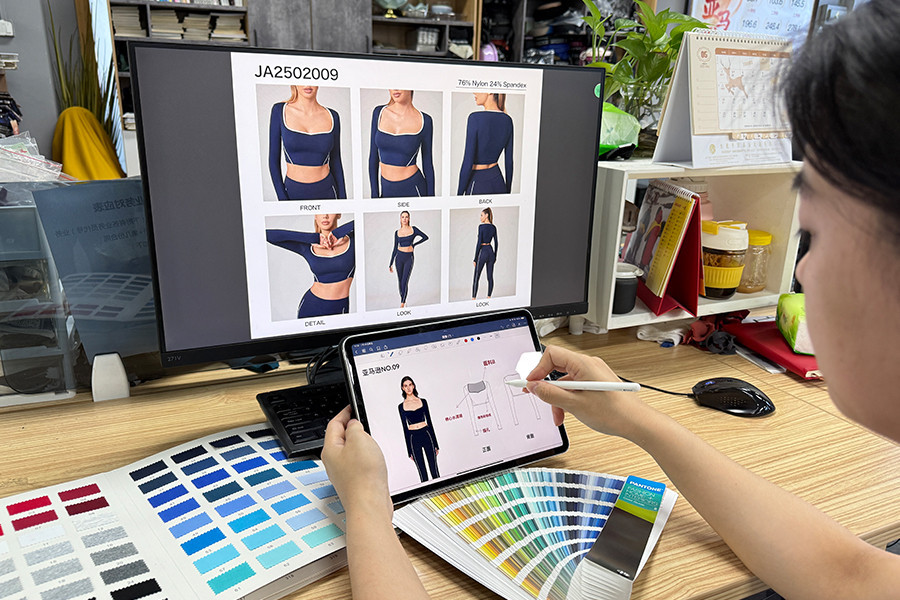
Print and pattern have moved from a seasonal accent to a core part of how private label activewear brands build identity. A printed legging, a graphic bra, or a tonal pattern across a matching set can carry a whole capsule's point of view, and it is often the artwork that a customer notices first. The common mistake is treating print and pattern as a decoration that is added once the style is already defined. In activewear production, print decisions interact with fabric, color, MOQ, and lead time at the very first sample, and the choices made on day one are the ones that show up in the bulk shipment. HUCAI Sportswear works with private label buyers to bring print and pattern into the development brief from the start, so the first strike-off already reflects the production method, the fabric base, and the color count instead of being discovered mid-sample.
Quick Answer
Print and pattern in activewear production should be planned as part of the development brief, not added at the end. The print method (sublimation, digital print, screen print, rotary print, or heat transfer) drives setup cost, color consistency, fabric compatibility, and the MOQ that can be run economically. Lead time is shaped by strike-off, screen or plate making, and how many colorways or print positions the capsule carries. To control cost, consistency, and timing, a private label buyer should confirm the print method, the fabric base, the color count, and the capsule print plan before the first sample.
Table of Contents
- Who This Article Is For
- What Print and Pattern Methods Mean in Activewear Production
- How Print Method Affects Cost Structure
- Color Consistency and Sample-to-Bulk Risk
- Lead Time Variables for Print and Pattern
- Fabric Direction and Print Compatibility
- How to Plan a Print and Pattern Capsule
- Decision Check
- Manufacturer Insight
- FAQ
- Final Takeaway
Who This Article Is For
- Primary reader: Private label buyers adding or expanding print and pattern across a women's activewear capsule
- Secondary reader: Growing brands coordinating prints across sports bras, leggings, and matching sets
- Product stage: Pre-sample planning through pre-production confirmation
- Problem being solved: Understanding where print decisions affect cost, color consistency, and lead time so the first sample reflects the real production cost and timing
- Who may not need this article: Brands running only solid colorways, or buyers sourcing fully printed finished goods from an off-the-shelf catalog
What you gain from this article: A process-explainer view of the print and pattern variables that affect cost, color consistency, and lead time in activewear production, from method selection and fabric compatibility through capsule planning and the OEM or ODM path that fits a private label brief.
What Print and Pattern Methods Mean in Activewear Production
A "print" or "pattern" in activewear is not a single process. Several methods are used, and each carries a different cost, fabric, and color profile that a private label buyer should be aware of before sampling.
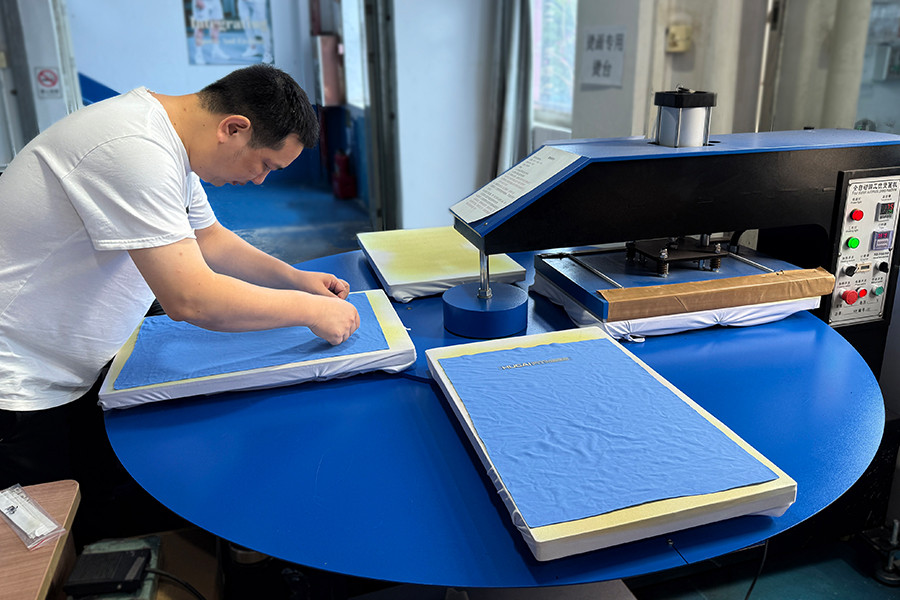
Sublimation (dye-sublimation) is the most common method for polyester-rich activewear. The design is printed onto transfer paper and then heat-pressed into the fabric, so the ink becomes part of the fiber rather than sitting on top. It handles full-color, photographic, and all-over patterns well, and the hand feel stays soft because there is no surface ink layer. It is, however, limited to polyester or polyester-blend bases; a nylon or cotton-rich fabric will not accept the dye the same way.
Digital print is similar to sublimation in look and hand feel, but the design is printed directly onto the fabric from a digital file rather than through transfer paper. It suits short runs, complex artwork, and small capsule drops because there is minimal physical setup. The trade-off is unit cost, which is higher than sublimation at scale, and color consistency between repeat orders, which can drift if the printer profile or fabric base changes.
Screen print and rotary screen print sit on top of the fabric as ink. They work on a wide range of bases including cotton, blends, and some nylon constructions, and they produce bold, saturated color. Rotary screen print is the bulk-production version of screen print and is efficient for large runs of repeating patterns. The hand feel is firmer than sublimation, and the ink can crack or feel heavy if the fabric stretches aggressively, so stretch recovery and print placement are real review points at the sample stage.
Heat transfer applies a pre-printed film to the fabric with heat and pressure. It is fast to set up and useful for logos, placements, and small-batch graphics, but it changes the surface hand feel and is more limited in stretch behavior than sublimation or screen print.
Discharge print removes dye from a colored fabric and replaces it, leaving a soft print on a dark base. It is a specialty method used in fashion-driven capsules rather than core activewear, and it depends on the dye chemistry of the base fabric.
For a private label buyer, the practical step is to confirm which method the reference design implies. A "sublimation legging" and a "screen print bra" are different products with different fabric, cost, and lead time profiles, and the choice should be made on the brief, not discovered at the sample.
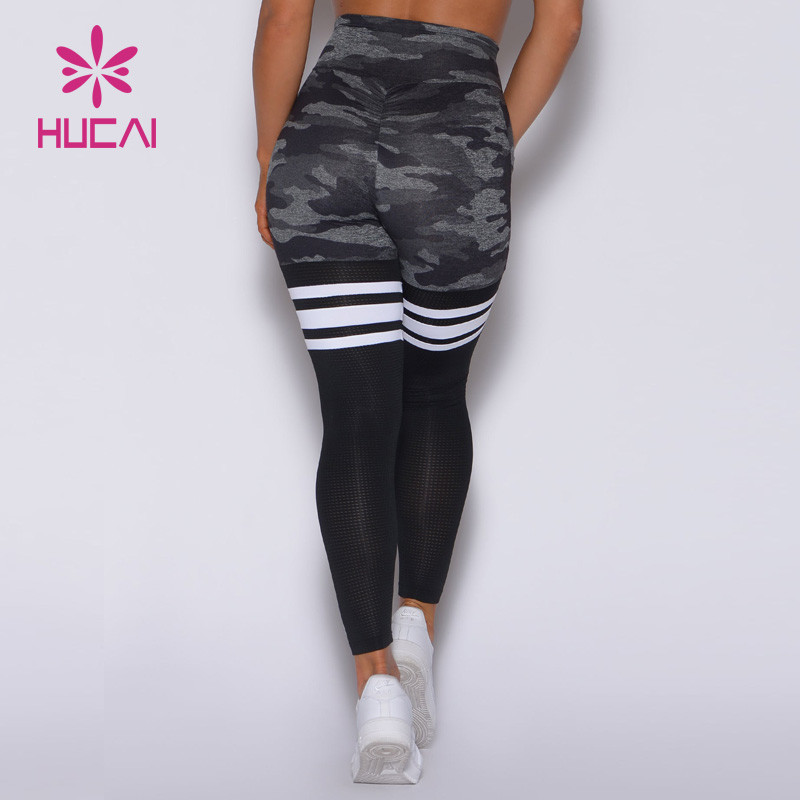
How Print Method Affects Cost Structure
Print cost in activewear is not a single number. It is a stack of setup, per-unit, and revision costs that changes sharply with the method, the color count, the coverage area, and the order quantity.
Setup cost is the first line. Sublimation needs a print file, transfer paper, and heat-press calibration. Digital print needs a print file and a printer profile. Screen print and rotary screen print need screens, one per color, plus screen-making time and registration setup. A ten-color design on rotary screen print is a different project from a three-color design, both in setup time and in bulk run throughput.
Per-unit cost is driven by coverage, color count, and fabric. A small logo on the back waistband is a low-cost print. An all-over engineered pattern on a legging is a high-cost print because it uses more ink, more paper or screen time, and more fabric handling. Coverage that crosses seams is the most expensive because of pattern matching and waste.
MOQ impact varies by method. Sublimation and digital print are friendly to lower MOQs because the main setup is the digital file, not a physical tool. Screen print and rotary screen print carry a higher effective MOQ because the screens and setup have to be amortized across enough units to make the unit cost workable. This is one of the main reasons a small capsule with a complex print is often routed through sublimation even when the artwork could technically be screen printed.
Hidden costs sit in color matching, strike-offs, and revisions. A strike-off is a pre-production print run used to confirm color and registration before the bulk fabric is committed. Each strike-off costs time and material, and a design that goes through two or three strike-offs before approval is a real cost event. This is why color count and the artwork's color tolerance should be agreed before the first print file is finalized, not during the strike-off review.
The private label takeaway is that print cost is driven by four decisions: method, color count, coverage, and quantity. A development brief that locks these four items is a brief that holds quotation and MOQ planning together, and a brief that leaves any of them open is a brief that will be re-quoted at the sample stage.
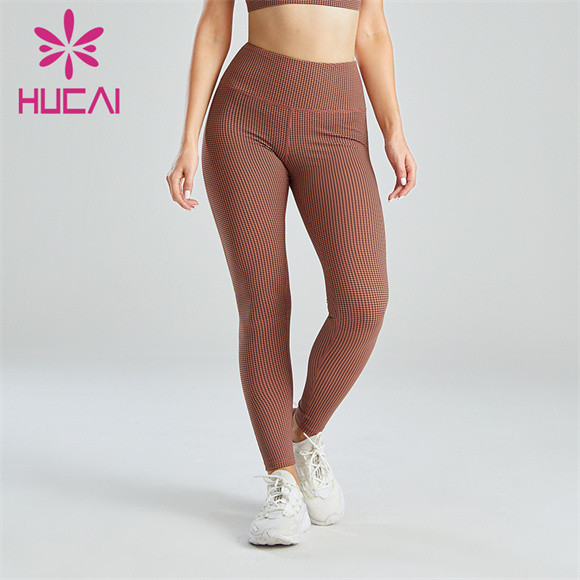
Color Consistency and Sample-to-Bulk Risk
Color is where most print and pattern disappointments start. The print that looks right on a strike-off, then on a pre-production sample, then on the first bulk batch, can shift at each step, and the shift is usually larger on an activewear stretch fabric than on a flat woven or a non-stretch surface.
Pantone matching is a starting point, not a guarantee. A Pantone color reads differently on a white polyester base, a recycled polyester base, a nylon blend, and a brushed surface. Two strike-offs of the same file on two different fabric bases can look like two different colors, even when the print file is unchanged. This is one of the main reasons the print fabric, the print method, and the color target should be locked together before sampling.
Stretch and recovery change how a print reads on the body. A pattern that is aligned on a flat strike-off can skew, wave, or blur on a fabric that stretches 50% or more in one direction. The issue shows up most in engineered placements, such as a stripe that needs to sit straight across the thigh or a logo that needs to read level at the waistband, and it is reviewed on the garment sample, not on the print file alone.
Registration is the alignment between print layers or between print and seam. A small registration error on a small placement is invisible; the same error on a border-to-border pattern is highly visible. Rotary screen print and sublimation hold registration differently, and the choice of method should follow the artwork's tolerance for alignment, not the other way around.
Sample-to-bulk consistency is reviewed through the pre-production sample against the bulk. AQL 2.5-based inspection is the framework for printed garments, with print placement, color shade, and registration added to the usual measurement and workmanship checks. Setting the tolerance in writing before sampling is the single most effective way to keep the bulk shipment aligned with the approved sample.
The private label takeaway is that print color is a fabric-and-method question, not a Pantone question. The right place to lock color is at the strike-off, against the actual production fabric, with the print method confirmed and the tolerance written down.
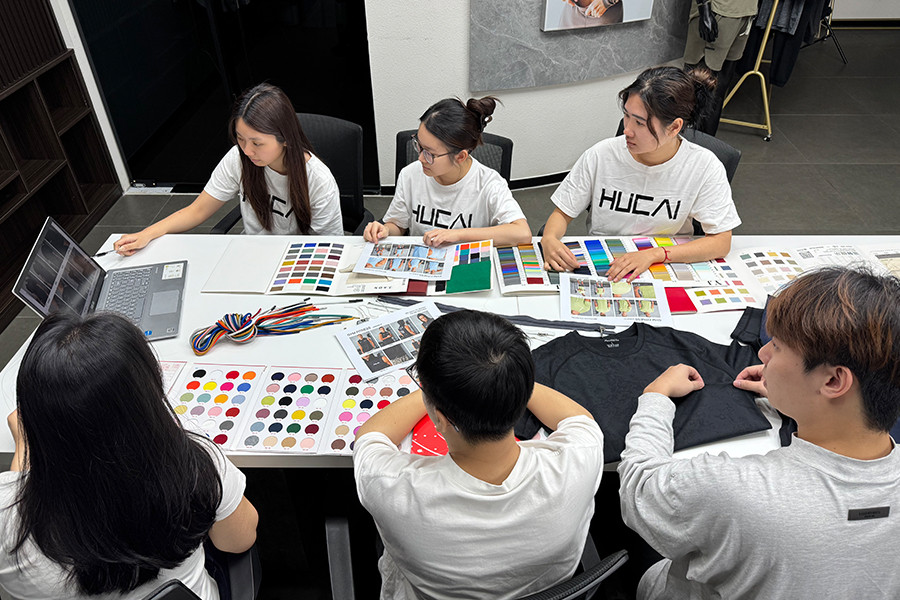
Lead Time Variables for Print and Pattern
Lead time on a print and pattern project is longer than on a solid color project at the same complexity, and the extra time is concentrated at specific points that a private label buyer can plan around.
Strike-off production is the first extension. A strike-off usually takes several days to a week, depending on the method and the factory calendar. It runs on the production fabric, not a substitute, and it exists to confirm color and registration before bulk fabric is committed. Skipping or rushing the strike-off is one of the most common causes of bulk disappointment.
Screen or plate making is the second extension for screen print and rotary print. Each color needs a screen, and a multi-color design can take a week or more to prepare and register. This is built into the lead time before the first bulk run, and a print method change late in development usually means starting the screen-making clock again.
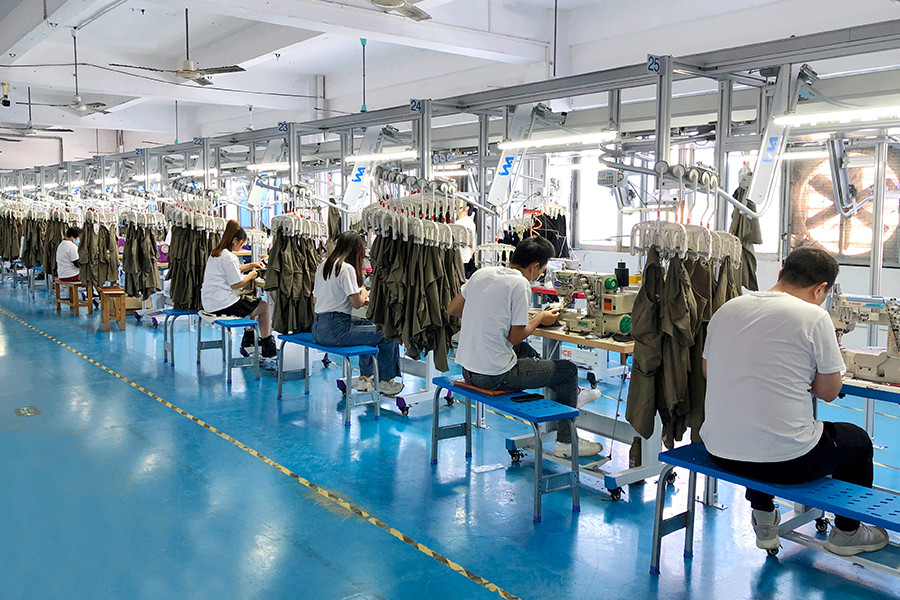
Bulk print run time is the third variable. A print run is slower than a solid-color run because the fabric has to pass through the print station, then often a fixation or curing step, and then the usual cutting and sewing. The slow-down is real and is one of the reasons a printed capsule cannot be quoted at the same lead time as a solid-color capsule at the same quantity.
Reorder and repeat setup is the fourth variable. A repeat order on a sublimation or digital print is fast because the file is stored. A repeat order on a screen print or rotary print is faster than the original run but still needs the screens to be retained, re-checked, and sometimes re-made if they have worn. This affects the replenishment model, especially for fast-selling prints, and it should be confirmed at the development stage, not at the first reorder.
A private label buyer should ask for a lead time that separates print preparation from bulk production, so the two timelines can be tracked and planned independently. The standard sample development time of about 10-15 days usually refers to the garment sample, not the print strike-off, and the print timeline should be added on top of that rather than absorbed into it. Bulk production often takes about 25-30 days after pre-production details and approvals are confirmed, and the print preparation sits in front of that window, not inside it.
Fabric Direction and Print Compatibility
The fabric base and the print method have to fit together, and the fit is the first thing that determines whether a print will look the way the reference design shows.
Polyester and polyester-rich blends are the natural fit for sublimation and digital print. The fiber takes the dye, the hand feel stays soft, and color vibrancy is high. Most printed activewear (leggings, bras, and tops with engineered patterns) sits in this family.
Nylon and nylon-spandex blends behave differently. Nylon does not accept sublimation dye as cleanly as polyester, so a nylon-rich fabric usually goes through screen print, heat transfer, or a specially prepared digital print process. The hand feel and stretch recovery are excellent, which is why nylon is common in premium activewear, but the print method options are narrower and the cost is usually higher.
Spandex content changes the print equation. A fabric with 20% or more spandex stretches aggressively, and a print that is engineered to sit straight on the body has to survive that stretch without distortion. The method and the artwork should be reviewed together: sublimation handles stretch well because the dye is part of the fiber; screen print needs a flexible ink system and a placement that allows the fabric to move.
Surface treatment also matters. A brushed or peached inner surface, a water-repellent finish, or a coated face changes how ink sits on the fabric. A print that works on a smooth face may look dull or patchy on a brushed face, and the difference is only visible on the sample.
Recycled or certified material options can be reviewed based on project requirements and available documentation, and the same print method and color targets apply once the fabric is confirmed. The fabric's surface behavior and stretch direction should still be reviewed against the print method before sampling, because the print process does not change just because the fiber source does.
The private label takeaway is that fabric and print method should be chosen as a pair, not in sequence. A design brief that names the print without naming the fabric base, or names the fabric without naming the print method, is a brief that will be reworked at the sample stage.
How to Plan a Print and Pattern Capsule
A capsule with prints is a more complex project than a capsule of solid colorways, and the complexity is manageable if it is planned as a capsule from the start rather than assembled style by style.
Print count versus color count is the first decision. A capsule with three styles in five solid colors is a 15-SKU program with no print. A capsule with three styles in three prints is a smaller SKU program, but each style carries a higher print setup cost and a higher print risk. The mix between the two is the capsule's first planning call, and it usually sets the MOQ economics for the whole capsule.
Coordinating prints across sports bras, leggings, and matching sets is a separate design question from selecting the print. An engineered placement on a legging and a coordinated all-over print on a bra usually need two print files, two strike-offs, and two setups. Treating them as a single print is a common source of sampling delay, because the strike-off review on one style will not catch a registration or color issue that only shows on the other style.
MOQ per print is different from MOQ per style. The current public MOQ starts from 100 pcs per style, but a print that runs across several styles still has to clear its own setup amortization on the first run. A small capsule that needs a complex print often does better with one strong print than with two or three competing ones, because the setup cost is paid once and the per-unit cost is more workable across the capsule.
Sample-stage print review should include the strike-off, the pre-production sample on the actual bulk fabric, and the first bulk batch. The strike-off confirms color and registration. The pre-production sample confirms the print on the garment. The first bulk batch confirms that the production run can repeat the sample. Each step has a different tolerance and a different review point, and a brief that names all three reviews holds the capsule together.
OEM versus ODM for print-led projects depends on the artwork. A brand with a finalized print file, Pantone targets, and a confirmed fabric base is positioned for an OEM review, where the factory executes against a defined brief. A brand with a print direction but no finalized artwork is better served by an ODM path, where the factory can recommend fabric, method, and color count against the brief. Choosing the path on the artwork's actual state avoids a mid-development re-spec.
The private label takeaway is that a print capsule is planned, not assembled. The print count, the color count, the coordinating style logic, and the OEM or ODM path should be set before the first sample so the strike-off, the pre-production sample, and the bulk run all line up against the same brief.
Decision Check: Is the Print and Pattern Direction Ready for Sampling?
Before requesting a print strike-off or a garment sample, confirm the following:
- Print method confirmed: The brief names the method (sublimation, digital, screen, rotary, or heat transfer) and the reason it fits the artwork
- Fabric base confirmed: The print fabric, the fiber mix, the stretch level, and the surface finish are written down
- Color count and Pantone targets agreed: Color count, Pantone references, and the tolerance between strike-off, sample, and bulk are fixed
- Strike-off and sample review points defined: The strike-off, the pre-production sample on bulk fabric, and the first bulk review are scheduled with named tolerances
- OEM or ODM path chosen: The brand knows whether it is sending a finalized print file or a print direction that still needs factory input
If three or more criteria are confirmed, the direction is ready for a structured sample request. If fewer than three are resolved, the project will benefit from a print-method and fabric conversation before sampling, because a re-spec at the strike-off stage is more expensive than a re-spec at the brief stage.
Ready to take this print or pattern direction forward? If you have a finalized print file, Pantone targets, and a fabric base, share the artwork and a sample request for an OEM review through the send inquiry form. If you have a print direction but no finalized file, share the reference images, the target styles, and the capsule plan for an ODM development review through the contact us page.
Manufacturer Insight
A common early-stage mistake in print and pattern development is asking the factory to quote on a reference image alone. A reference image shows the artwork, but it does not show the print method, the fabric base, the color count, or the coverage area, and each of these can change the quotation, the MOQ, and the lead time by a wide margin. The brands that move fastest from reference to sample are the ones that bring a print direction, a target fabric, a color count, and a capsule SKU plan to the first conversation, so the factory can confirm method and setup before the first strike-off is scheduled. HUCAI Sportswear reviews print and pattern briefs against fabric, method, and capsule structure before sampling so the first strike-off already reflects the production cost and the production timeline, not just the artwork.
FAQ
What is the difference between sublimation and screen print for activewear?
Sublimation dyes the design into a polyester or polyester-blend fabric, leaving a soft hand feel and full-color capability. Screen print lays ink on top of the fabric and works on more fabric types, but the hand feel is firmer and stretch recovery needs to be reviewed. The choice is driven by the fabric base, the artwork's color count, and the order quantity.
How does print method affect MOQ?
Sublimation and digital print have lower effective MOQs because the main setup is a digital file. Screen print and rotary screen print carry screen-making and setup cost that has to be amortized, so the MOQ that makes the unit cost workable is higher. A small capsule usually defaults to sublimation for this reason.
How long does a print strike-off usually take?
A strike-off usually takes several days to a week, depending on the method and the factory calendar. It runs on the production fabric, not a substitute, and it exists to confirm color and registration before bulk fabric is committed. The strike-off timeline is additional to the standard sample development time of about 10-15 days for the garment sample.
Why do print colors shift between sample and bulk?
Print colors shift because the strike-off, the pre-production sample, and the bulk run are produced on different batches of fabric, through different print runs, and often with slightly different printer or screen settings. A print that looks right on the strike-off can shift on the pre-production sample and again on the bulk. The way to manage this is to set a written color tolerance, approve a strike-off on the actual production fabric, and review the first bulk batch against the pre-production sample.
Can I print on a nylon-spandex activewear fabric?
Yes, but the print method is usually screen print, heat transfer, or a specially prepared digital print rather than sublimation. Nylon does not accept sublimation dye as cleanly as polyester, and the spandex content adds stretch that the print method has to handle. The method, the ink system, and the placement should be reviewed together at the sample stage.
How should I coordinate prints across a matching set?
An engineered placement on a legging and an all-over print on a coordinating bra usually need two print files, two strike-offs, and two setups. The capsule should be planned as a print program, not assembled style by style, so the coordinating logic, the color count, and the artwork consistency are decided before sampling.
Can recycled or certified fabrics be used for printed activewear?
Recycled or certified material options can be reviewed based on project requirements and available documentation. The same print method and color targets apply once the fabric is confirmed, and the fabric's surface behavior and stretch direction should be reviewed against the print method before sampling.
What is the current MOQ for a printed activewear style?
The current public MOQ starts from 100 pcs per style. Final color, size range, fabric, trim, logo, and customization planning depends on the confirmed project, so a printed capsule that runs across several styles should plan each style as its own MOQ line while accounting for the print setup on the first run.
Final Takeaway
Print and pattern in activewear production are a planning exercise, not a decoration step. The print method, the fabric base, the color count, and the capsule structure drive the cost, the color consistency, and the lead time, and each of these is decided before the first sample. A private label buyer who locks the method, the fabric, the color count, and the capsule plan at the brief stage moves from reference to sample with fewer revisions, fewer strike-off loops, and a clearer bulk timeline.
About HUCAI Sportswear
- Founded in 1998, specializing in women's activewear and sportswear manufacturing
- OEM and ODM development support for sports bras, leggings, shorts, tops, and matching sets, including print and pattern programs
- Structured sample development and sample-to-bulk consistency control
- AQL 2.5-based inspection as part of the quality workflow
Current certification information can be reviewed during supplier evaluation based on the project and documentation requirements.