Lightweight Warmth in Women's Activewear: How to Add Insulation Without Building a Bulky Product
- Share
- publisher
- HUCAI Sportswear
- Issue Time
- Oct 20,2026
Summary
A development guide for brands adding lightweight warmth to women's activewear: how fiber and yarn direction, brushed-back, double-face, spacer and quilted structures, seam bulk budgets, layering allowance, and wash-recovery testing decide whether a warm layer stays light or turns bulky.
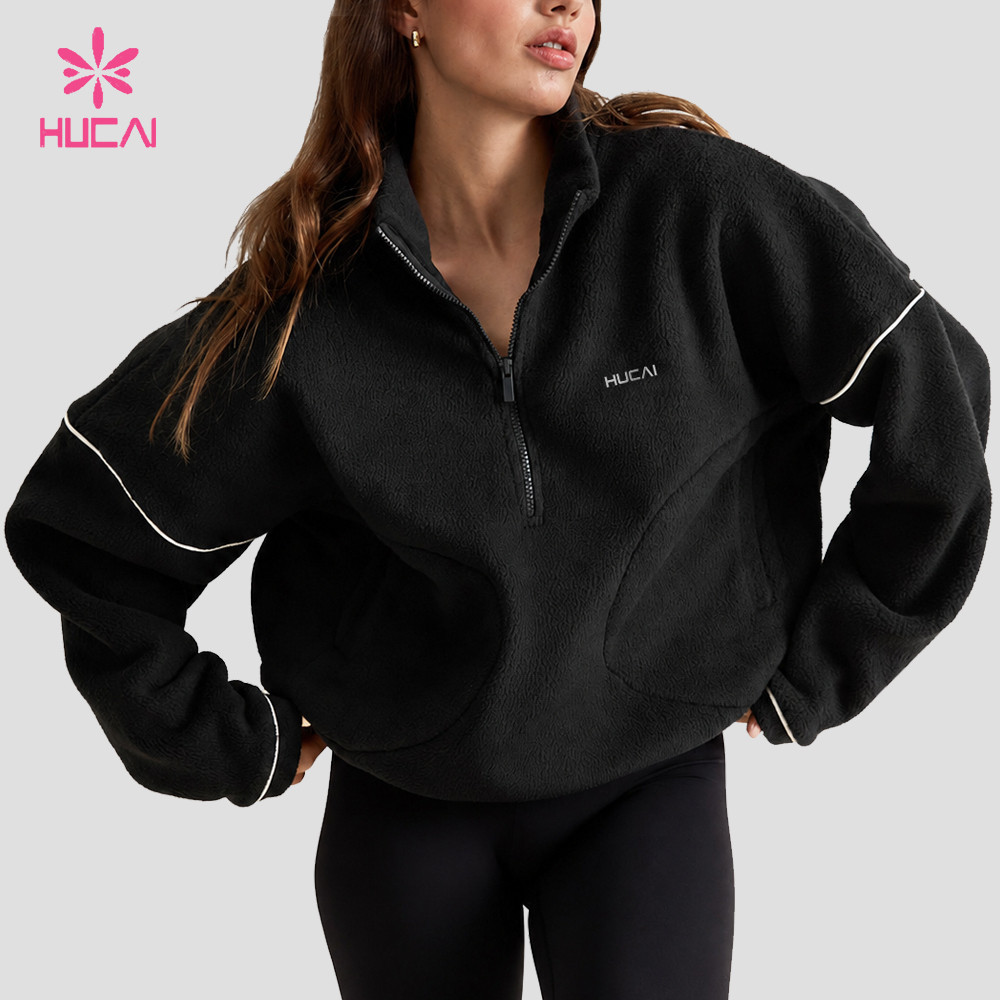
Warmth requests usually arrive as one sentence: the brand wants a winter version of an existing set, warm but not heavy. That sentence hides a stack of manufacturing decisions — yarn and fabric weight, whether the insulating surface sits inside or outside, how many layers can be joined before the seams stiffen, and how much room the pattern needs so the garment still moves. Handled late, these choices surface as a piece that feels warm in a showroom and clammy twenty minutes into a session, or one that fits over a base layer on the fit model but binds across the size range. HUCAI Sportswear reviews lightweight warmth as a construction brief rather than a fabric label, because the same fabric can produce a quiet mid-layer or a bulky shell depending on structure, panel placement, and how the first sample is validated.
Quick Answer
Lightweight warmth comes from three decisions rather than one: a fiber and yarn direction that holds still air, a structure that keeps that air without adding thickness, and a pattern that leaves layering allowance at the armhole, sleeve, and rise. Most of the bulk in a warm garment comes from seams, closures, pocket bags, and collar build-up rather than from the fabric itself. These should be fixed in the product brief before sampling, then tested together for warmth, overheating, and recovery.
Table of Contents
- Who This Article Is For
- What Lightweight Warmth Requires in a Brief
- Fiber and Yarn Direction
- Structure Options and Their Trade-Offs
- Where Weight and Volume Accumulate
- Fit and Layering Allowance
- Sample Validation for Warm Layers
- Decision Check
- Founder's Technical Insight (Jean Yuan)
- FAQ
- Final Takeaway
Who This Article Is For
- Primary reader: growing women's activewear brands adding a cold-weather or layering piece to an existing collection.
- Secondary reader: established brands revisiting a winter style that sells but receives fit and overheating feedback.
- Product stage: product definition and fabric direction, before a sample is requested.
- Problem being solved: the brand needs visible warmth without the garment reading heavy, stiff, or difficult to layer.
- Who may not need this article: buyers sourcing a fully specified insulated outerwear program with an approved tech pack, where the thermal target and construction are already locked.
What you gain from this article: a way to translate a warmth request into fabric, structure, pattern, and sample criteria that a factory can act on — and a shortlist of the points that most often force a second sample round.
What Lightweight Warmth Requires in a Brief
Warmth in a garment is mostly still air held close to the body. A fabric contributes to that by trapping air in its structure; a garment contributes by preventing the air from escaping through openings, seams, and compressed panels. That is why weight alone predicts very little. A heavier knit that compresses flat under a backpack strap insulates less than a lighter structure that keeps its loft.
The brief therefore needs three statements before any fabric is proposed. First, the thermal role: is this piece worn next to skin, as a mid-layer over a bra or tank, or as an outer layer over both? Second, the movement requirement: studio, gym floor work, running, or walking between locations. Third, the layering relationship: which existing styles must fit underneath and on top, at which size. A brief that says only "warm but light" leaves the factory guessing on all three, and the guess usually appears in the first sample.
Market observation supports separating these roles. In the winter assortments published by established activewear brands, warmth is usually sold as its own layer — a brushed long sleeve, a fleece vest, a light insulated jacket — rather than as a thicker version of a core legging. Training and running communities describe the same practical problem from the other side: a layer that feels right while standing still becomes wet and cold once the pace rises, because moisture has nowhere to go. Both signals point to the same brief structure: define the thermal role and the moisture path together, not separately.
Fiber and Yarn Direction: Warmth Without Added Weight
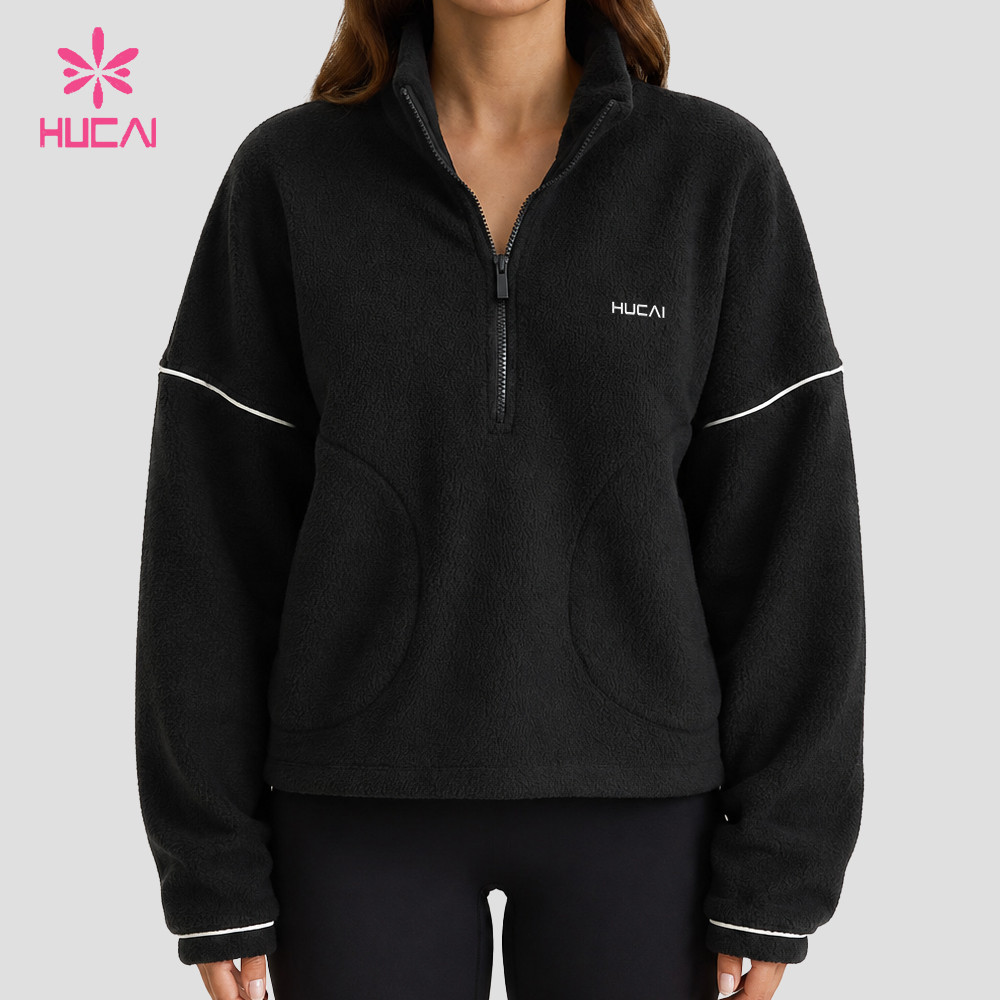
At fiber level, warmth per gram is influenced by fineness, crimp, and how much air the yarn structure can hold. Fine wool and wool-blend yarns bring crimp and natural loft; air-textured and bi-component synthetic yarns build bulk into the yarn itself rather than into the fabric weight; brushed yarns raise surface fibers to create a thin insulating layer. None of these is automatically warmer in every construction, and the difference between them is usually smaller than the difference made by structure and fit.
The trade-offs belong in the same conversation. A very fine, soft yarn may pill sooner at the underarm and cuff. A high-loft brushed surface sheds fiber and can mat down after repeated washing. A wool blend improves warmth and odor behavior but changes care instructions and cost. Moisture handling matters as much as insulation: a warm layer that holds sweat against the skin loses most of its value once the wearer stops moving, so wicking direction and dry time should be specified alongside warmth.
This is where a swatch review earns its place. Blend proportion, yarn count, and surface treatment interact in ways that a specification sheet does not show, and the same nominal composition can behave differently between two suppliers. Recycled or certified material options can be reviewed based on project requirements and available documentation, but they should be assessed on the same hand, recovery, and pilling criteria as the standard option rather than treated as a separate category. HUCAI Sportswear's fabric review compares candidates on warmth direction, recovery, surface stability, and care requirements before a structure is chosen, which keeps the material decision tied to the garment's actual role. The activewear fabric selection process sets out the review points in more detail.

Structure Options: Brushed Back, Double Face, Spacer, and Quilted Panels
Once the fiber direction is set, structure decides how the warmth is delivered and how the garment behaves in movement. Four routes cover most lightweight warm projects, and each one fails in a different way.
Brushed back raises the inner surface of a knit to create a thin air-holding layer. It adds little weight and keeps a smooth outer face, which suits mid-layers and warm leggings. The risks are surface matting, fiber shedding, and pilling where the garment rubs — underarm, side seam, and cuff. Brushing depth is the variable to control: deeper brushing feels warmer at first and collapses faster.
Double face and interlock constructions build two surfaces into one fabric, so the outer face can stay smooth while the inner face carries the warmth. Recovery is usually more stable than a heavily brushed back, because the loft is part of the knit structure rather than a raised surface. The cost is weight and a firmer hand, which affects drape in relaxed silhouettes.
Spacer and air-layer knits create thickness through a connecting yarn between two faces. They resist compression, which matters at the shoulder and hip, but they dry more slowly and can feel stiff at narrow panels. Quilted or padded panels concentrate warmth where it is needed — a vest body, a front panel — at the cost of seam bulk, stiffness, and a more complex sampling sequence. Localized insulation is often the most efficient answer for a vest, and the least efficient for a garment that must move through a full range.
| Structure | How it holds warmth | Main development watch-point |
|---|---|---|
| Brushed back knit | Raised inner fibers trap a thin air layer | Brushing depth, pilling, fiber shedding, matting after wash |
| Double face / interlock | Loft built into the knit, smooth outer face | Weight, hand firmness, drape in relaxed shapes |
| Spacer / air-layer knit | Connecting yarn holds two faces apart | Compression resistance at panels, slower dry time |
| Quilted or padded panel | Localized insulation in specific zones | Seam bulk, stiffness, extra sampling steps |
Choosing between them is a question of where the warmth is needed and what the garment must do. A studio layer benefits from an even, soft structure; a running layer needs a moisture path and fast recovery; a vest can afford localized insulation because the arms are free. HUCAI Sportswear matches the structure to the activity and the layering role before pattern work begins, since a structure change after grading usually reopens the fit discussion.
Where Weight and Volume Actually Accumulate
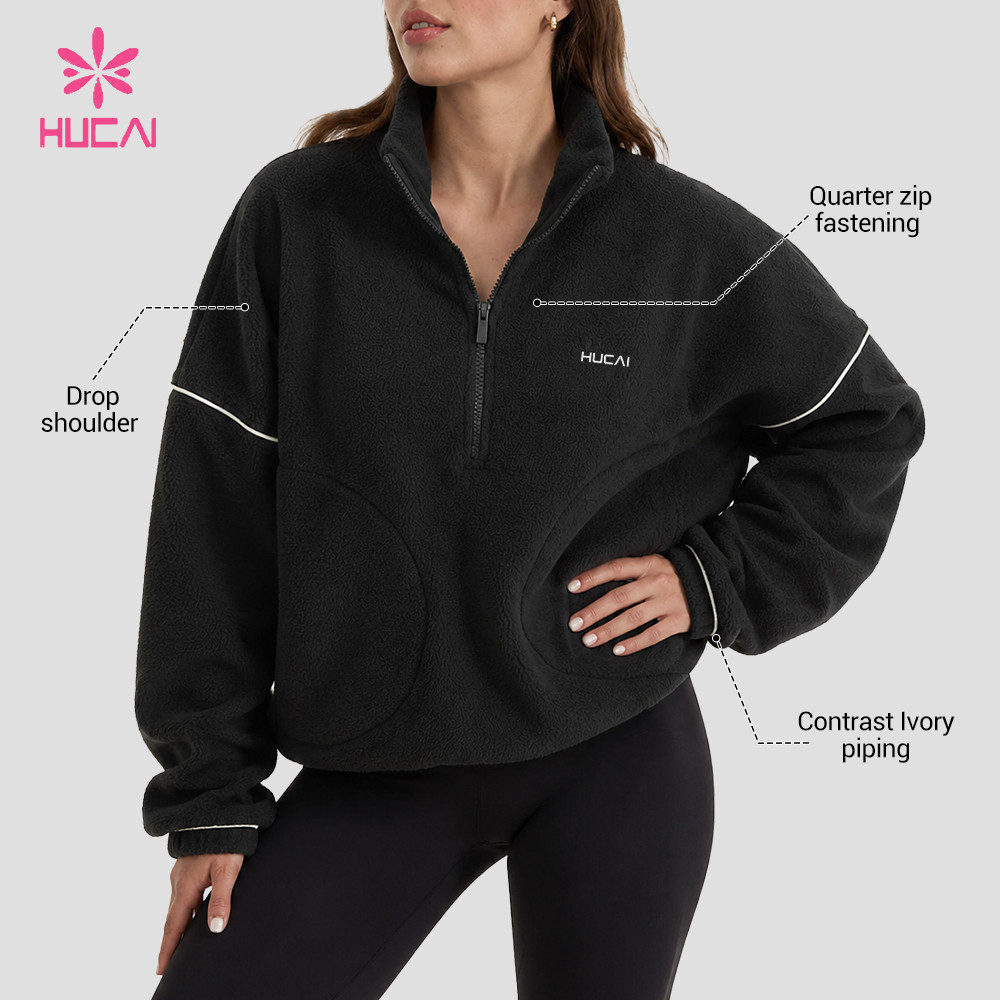
Fabric weight is only one line in the bulk budget. In most warm garments that read heavy, the fabric is not the cause. Volume accumulates at cross-sections: the side seam where front and back panels meet, the armhole where sleeve, body, and sometimes a lining converge, the center front where a zip tape and its facing sit, the collar where a stand and a seam allowance stack, and the hem where a band folds over elastic.
Each of those points can be controlled at pattern level. Reducing seam allowance at a bulky intersection, replacing a folded hem band with a lighter binding, using a single-layer pocket bag instead of a doubled one, or narrowing the zip tape all remove volume without touching the fabric. Drop-shoulder and raglan constructions distribute the armhole stack differently and change where the bulk is visible, which is why sleeve construction belongs in the warmth conversation rather than only in the silhouette conversation.
The practical method is to count layers at each cross-section on paper before cutting anything. If the armhole carries body panel, sleeve panel, seam allowance, and binding, the finished edge will be stiffer than the fabric suggests, and the wearer will feel it as restricted reach rather than as weight. In HUCAI Sportswear's sampling review, these cross-sections are marked on the pattern and checked on the first fit sample, because correcting them after grading means repeating the size set. The production and sampling workflow explains how those checkpoints are sequenced.
Fit and Layering Allowance: Pattern Changes That Keep Movement
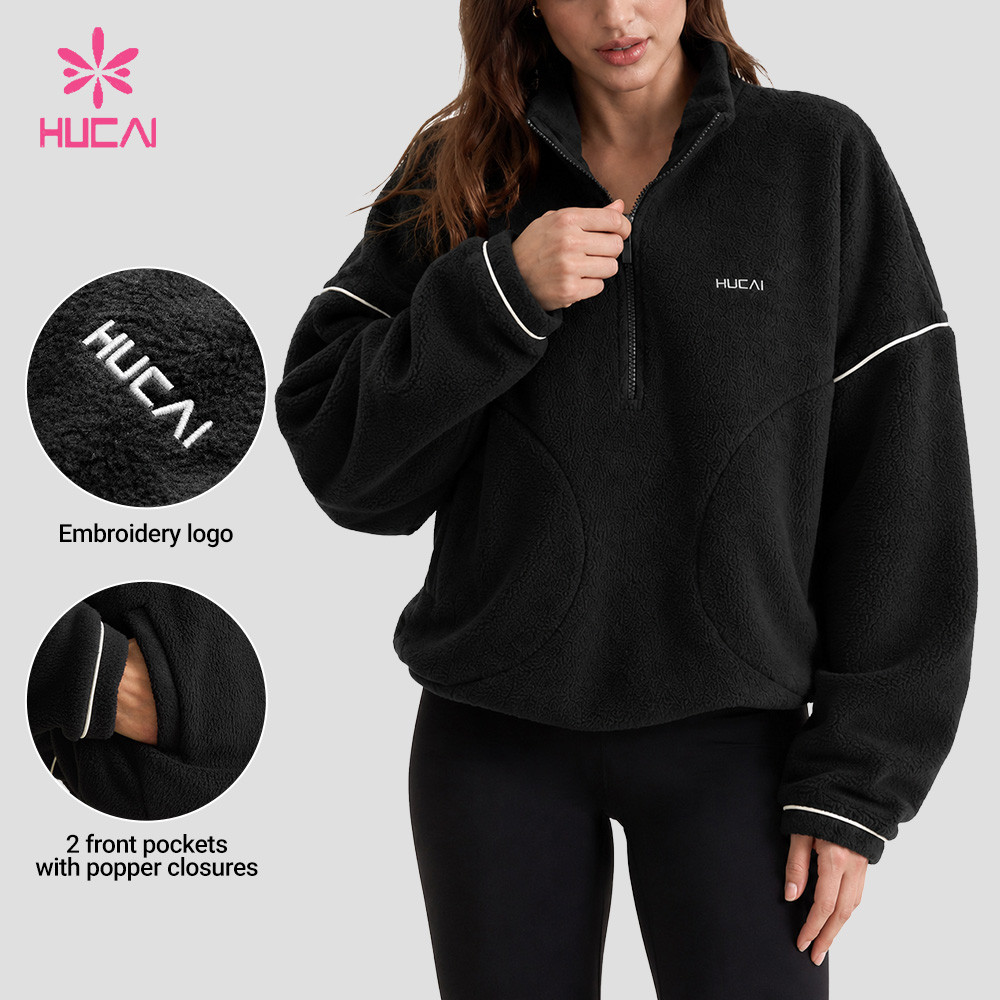
A warm layer is worn over something. That single fact changes the pattern. The garment needs enough ease at the bust, waist, and armhole to sit over a bra or tank without compressing the layer underneath — compression flattens the air the fabric is meant to hold, and it also pulls at the shoulder seam. Sleeve circumference needs the same treatment, especially where a base layer has its own thickness.
Allowance is not uniform across the size range. Adding ease only at the base size and grading proportionally can leave larger sizes binding at the armhole and smaller sizes reading oversized. The cleaner approach is to define the finished measurements for the layered condition — measured over a stated base layer — and grade from those, then check the extremes on a fit model rather than only the middle size.
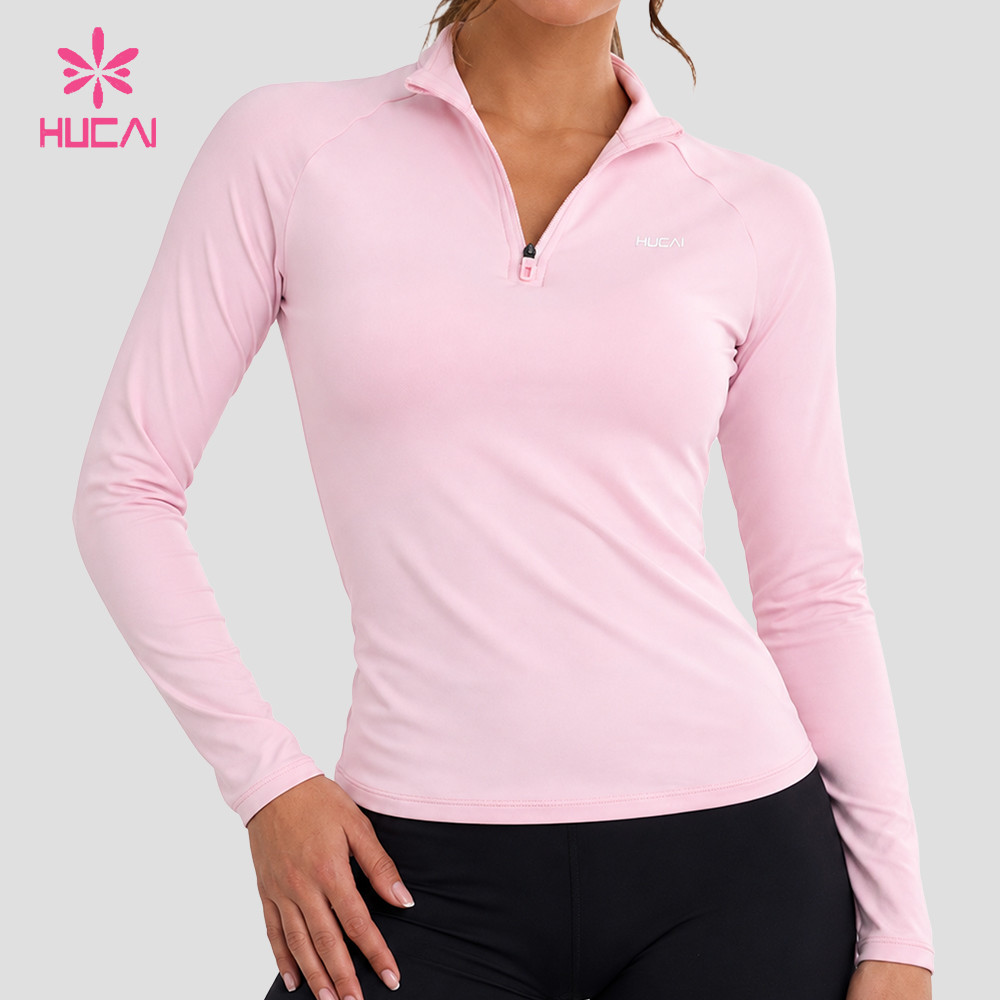
Surface also matters. A brushed inner face grips the layer underneath, which stabilizes the hem but makes the garment harder to pull on and off; a smooth inner face slides easily but can ride up during overhead movement. Neither is universally better, and the choice should follow the movement pattern the garment is designed for. Movement testing should include overhead reach, trunk rotation, a hinge, and a deep squat, performed with the intended base layer on, not on a bare fit model. Layering programs that combine a warm mid-layer with an existing bottom are easier to stabilize when both pieces are developed against the same measurements; the Nordic layering collection shows how that relationship is structured across a range.
Sample Validation: Warmth, Overheating, and Recovery
A warm layer has two failure modes, and they pull in opposite directions: it does not hold enough warmth, or it holds too much and becomes wet. Testing only for the first produces a garment that fails in real use. The sample review should therefore cover both ends, plus the behavior that changes after washing.
A workable protocol has four parts. First, a static check: wear the sample over the intended base layer at rest in a cool room and record where it feels cold — usually the shoulder, the center front, or the small of the back. Second, an activity check at the intended intensity, noting when the wearer first feels damp and how quickly the garment feels cold afterwards. Third, a recovery and stability check after repeated washing: shrinkage by direction, surface pilling, brushing matting, and seam grin at the stressed cross-sections. Fourth, a repeat-fit check on the washed sample, because a warm garment that shrinks at the sleeve or rise stops layering correctly even if the fabric still performs.
Test methods should be agreed rather than assumed. ISO and ASTM methods for fabric weight, stretch and recovery, pilling, and dimensional change after washing give both sides a shared language, and AATCC methods cover colorfastness where a dark brushed surface is involved. Which method applies, and what constitutes a pass for this specific garment, should be written into the sample report before the first sample is cut. HUCAI Sportswear records these criteria in the sample review so that a revision request names the measurement or the observation rather than a general impression. Sample development usually takes about 10-15 days depending on structure, fabric, trims, and revision requirements; see the sample development policy for how the review points are set.
Decision Check: Is This Warm Direction Ready for Sampling?
Before requesting samples, confirm the following:
- Thermal role is stated: the garment is defined as next-to-skin, mid-layer, or outer layer, and the intended base layer is named.
- Structure is chosen against the activity: brushed back, double face, spacer, or quilted panel is selected for a reason, with the known failure mode accepted.
- Bulk budget is counted: the layer stack at side seam, armhole, center front, collar, and hem has been reviewed on the pattern.
- Layering measurements are set: finished measurements are defined over the stated base layer and checked at the small and large ends of the range.
- Sample criteria are written: static warmth, activity overheating, wash recovery, and repeat fit each have an agreed pass condition.
If three or more criteria are confirmed, the direction is ready for a structured sample request. If fewer than three are resolved, the sample will still be made — but it will function as a development round rather than a confirmation round, and the revision cost sits in the calendar.
Ready to move this into development? Buyers with a tech pack, measurements, and a defined thermal role can send specifications for OEM review. Buyers starting from a reference garment or a capsule direction can begin with ODM development support, where fabric and structure options are narrowed before a sample brief is written.
Founder's Technical Insight: Jean Yuan's Development Note
Jean Yuan, who leads product development at HUCAI Sportswear, sees the same problem appear in the sample room across most brushed-back programs: the garment measures correctly before washing and stops layering correctly afterwards. The cause is rarely the fabric weight. It is differential shrinkage between the brushed inner face and the outer face, which shows up as a shortened sleeve, a raised hem, or a back panel that pulls across the shoulder blade. When the two faces are bonded or knitted with different tension, they recover at different rates, and the seam that joins them takes the strain.
Two habits prevent most of it. First, brush depth is set by the intended wash life, not by the first hand feel: a deeper brush reads warmer in the showroom and mats into a thinner, harder surface after several washes, which is exactly when the customer judges the product. Second, the first sample is washed before it is fitted. Measuring the sleeve, rise, and armhole after a wash cycle, then fitting the washed sample over the intended base layer, exposes the shrinkage path while the pattern can still be corrected cheaply.
Jean Yuan's checklist before approving a warm-layer pattern for bulk: confirm the brushed face and outer face shrink within an agreed tolerance in both directions; check seam grin at the armhole and side seam after washing, not before; confirm the zip tape or placket does not pucker once the surrounding panels shrink; verify collar stand height still clears the chin after wash; and re-measure the layered condition at the smallest and largest sizes. If any of these fail, the correction belongs in the pattern and the fabric approval, not in a larger seam allowance. That sequence is what keeps a lightweight warm program from turning into three sample rounds.
FAQ
What does lightweight warmth mean in a manufacturing brief?
It means the garment holds still air close to the body without adding significant weight or stiffness. In practice that is a combination of a yarn and fabric structure that traps air, a construction that keeps the air from escaping at openings and seams, and a pattern that does not compress the layer underneath. A brief that states only a fabric weight does not define this.
Is brushed-back fleece warmer than a spacer knit per gram?
Not consistently. Brushed back creates a thin insulating surface with little added weight, while a spacer knit holds thickness through its structure and resists compression better. Which one feels warmer depends on activity, fit, and how the garment is layered. Both should be compared on the same garment shape and the same base layer before a decision is made.
Can insulation be added without a separate lining?
Yes. Double face and interlock constructions, brushed-back knits, and spacer fabrics all provide warmth without a separate lining layer. Avoiding a lining removes a whole set of seam and shrinkage variables, but it limits how much loft can be built in. Where more warmth is needed in a specific zone, a localized quilted or padded panel is usually more efficient than lining the whole garment.
How do you keep a warm layer from becoming too hot indoors?
By designing the escape route rather than only the insulation. A half-zip or quarter-zip opening, a stand collar that can be folded down, ventilated panels under the arm, and a fabric that moves moisture away from the skin all let the wearer regulate without removing the garment. The thermal target should be defined for the transition between activity and rest, which is where overheating complaints usually originate.
What makes a warm garment feel bulky at the seams?
Layer count at the cross-section, not fabric weight. The armhole, side seam, center front, collar, and hem are where body panel, sleeve or facing, seam allowance, tape, and binding stack up. Reducing seam allowance at those points, simplifying pocket bags, or changing a folded hem band to a lighter binding removes volume without changing the fabric.
Should a layering piece be graded differently from a fitted style?
Usually yes. The finished measurements should be defined over the stated base layer, and the allowance should be checked at the smallest and largest sizes rather than assumed to scale. Proportional grading can leave larger sizes tight at the armhole while smaller sizes read oversized. A short fit check at both ends of the range catches this before bulk.
What should be tested on the first warm-layer sample?
Four things together: static warmth over the intended base layer, overheating during the intended activity, recovery and surface stability after repeated washing, and fit on the washed sample. Shrinkage by direction, pilling, brushing matte-down, seam grin, and zip or placket puckering should each have an agreed pass condition before the sample is cut.
What is the minimum order quantity and typical sampling time?
The current public MOQ starts from 200 pcs per style, while final color, size, fabric, trim, and customization planning depends on the confirmed project. Sample development usually takes about 10-15 days depending on structure, fabric, trims, logo, and revision requirements, and bulk production often takes about 25-30 days after pre-production details and approvals are confirmed.
Final Takeaway
Lightweight warmth is a construction outcome, not a fabric attribute. The brief has to name the thermal role and the base layer, choose a structure whose failure mode the brand can live with, count the layer stack at the seams before cutting, and set sample criteria for warmth, overheating, and wash recovery at the same time. Brands that settle these four points before sampling spend their first round confirming a direction; brands that do not spend it discovering one. The next practical step is to write the thermal role and the layering measurements into the brief, then review fabric and structure options against them.
Send your tech pack for OEM review if specifications, measurements, and construction details are already defined. Share reference images for ODM development if the direction exists but the structure still needs to be chosen. For buyers comparing options before committing, the light performance capsule and the private label manufacturing overview show how warmth, weight, and layering are balanced across a range rather than in a single style.
About HUCAI Sportswear
- Founded in 1998, specializing in women's activewear and sportswear manufacturing
- OEM and ODM development support for sports bras, leggings, shorts, tops, outerwear, and matching sets
- Structured sample development with sample-to-bulk consistency control
- AQL 2.5-based inspection as part of the quality workflow
Current certification information can be reviewed during supplier evaluation based on the project and documentation requirements.