Merino Base Layers for Women's Activewear: What Brands Should Define Before Sampling
- Share
- publisher
- HUCAI Sportswear
- Issue Time
- Oct 14,2026
Summary
A development guide for brands building merino or wool blend base layers: how fibre fineness, blend ratio, fabric weight, the handfeel-versus-pilling trade-off, measurement and seam planning, and first-wash relaxation change the sample brief. Includes a pre-sourcing specification sheet, a decision check, and FAQ on MOQ, sampling, and bulk timing.
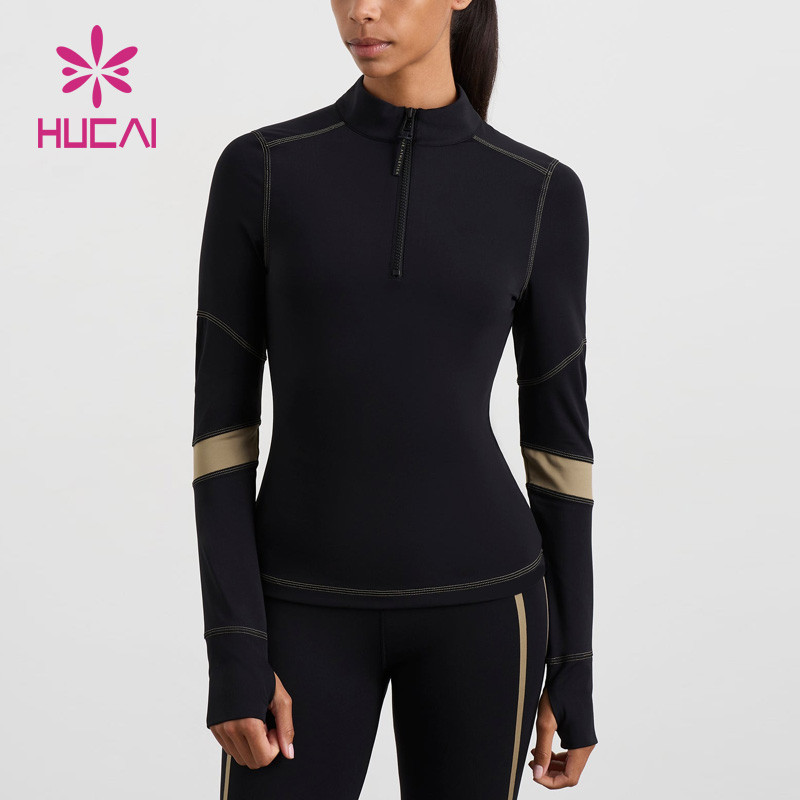
Merino base layers ask a women's activewear team to make a different set of decisions than a polyester or nylon knit does. Wool responds to moisture and to the humidity in the room, it relaxes after steaming, and it shows surface wear long before the fibre itself gives out. A sample that photographs well can still hide the four or five parameters that decide whether bulk production matches what the buyer approved.
This guide is written for brands planning a merino or wool blend base layer program that want those parameters closed before a sample is cut. Founded in 1998, HUCAI Sportswear supports women's activewear brands with fabric and trim review, sample development, and sample-to-bulk coordination, and the sequence below follows the order in which these decisions usually need to be made.
Quick Answer
Define six things before sampling a merino or wool blend base layer: fibre fineness and blend ratio with a tolerance, fabric weight in g/m² with a measurement state, knit structure with its stretch and recovery direction, the handfeel-versus-pilling trade-off the brand is willing to accept, the measurement chart and seam plan for a fitted garment, and the expected behaviour after the first wash. A brief that leaves any of these open will usually produce a sample that cannot be judged fairly.
Table of Contents
- Who This Article Is For
- Start With Fibre Fineness and Blend Ratio, Not the Word Merino
- Set Fabric Weight in g/m² as a Range, and Say What It Buys
- Decide Where Handfeel Ends and Durability Begins
- Lock Fit, Measurement Plan and Seam Construction Before Cutting
- The Pre-Sampling Specification Sheet
- Plan Sample-to-Bulk Consistency Before Approving the Sample
- Decision Check
- Founder's Technical Insight (Jean Yuan)
- FAQ
- Final Takeaway
Who This Article Is For
- Primary reader: product developers and founders at growing women's activewear brands building a first or second wool-based base layer.
- Secondary reader: established labels adding a wool blend option to an existing knit program.
- Product stage: pre-sampling, after the category and price direction are set but before fabric and fit are frozen.
- Problem being solved: the brief does not yet define the parameters that make a wool knit sample repeatable in bulk.
- Who may not need this article: teams that already hold an approved wool fabric, a signed measurement chart and a workmanship standard, and only need production scheduling.
What you gain from this article: a pre-sampling specification list covering fibre, weight, handfeel, fit, seams and laundering, the review points to agree before approving a sample, and the causal checks to run when bulk fabric behaves differently from the sample.
Start With Fibre Fineness and Blend Ratio, Not the Word Merino
Merino is a fibre type, not a fabric specification. Wool is graded by fibre diameter, expressed in microns, and industry fibre-grading references commonly describe merino in a band from roughly 17.5 to around 23 microns. Two fabrics can both be labelled merino and behave completely differently next to skin at the neckline, on the shoulder and under a strap.
The blend ratio is what makes the fabric usable in active conditions. Common development directions pair wool with nylon for abrasion resistance and shape retention, with elastane where stretch and recovery matter, or with polyester-family and cellulosic fibres to change drying speed and drape. None of these is automatically right for a given brief. What matters is writing the ratio with a tolerance and stating which property the ratio is protecting.
Two further details belong in the brief at this stage. First, whether the wool is blended inside the yarn or the yarns are plied, because the two constructions behave differently in the knit. Second, how the fibre content will be confirmed, which means a composition statement and a test report reference agreed during fabric review rather than after sampling.
Public discussion among activewear founders and studio owners keeps returning to the same two complaints: a neckline that feels scratchy after two washes, and a wool knit that develops surface pills within a few wears. Both usually trace back to a specification that was never written down, not to the supplier. Fabric direction is easier to defend when it is reviewed against the brief, which is what the custom fabric selection guide sets out in more detail.

Set Fabric Weight in g/m² as a Range, and Say What It Buys
Weight is the parameter buyers feel first and describe worst. Base-layer knits are commonly developed in a light band of roughly 150 to 180 g/m² and a mid band of roughly 200 to 260 g/m², with looser or tighter interpretations depending on the market and the season the program is built for. Treat those as development starting points rather than fixed standards.
What the weight buys is a trade, and the brief should name both sides of it. A lighter knit dries faster, packs smaller and sits more comfortably under a shell, but it holds less warmth when the wearer stops moving and shows the body more. A heavier knit holds warmth and opacity, but adds bulk under a mid-layer and takes longer to dry.
Written properly, the weight line reads as a range with a tolerance and a measurement state, for example a target band with an agreed percentage tolerance measured on a conditioned sample. Without that, a mill and a factory can both be correct and still disagree, because wool absorbs moisture from the air and changes weight with it.
Structure belongs on the same line of the brief. The knit type and the direction of stretch decide how the fabric will be cut, so a brand that specifies weight without specifying stretch direction is still leaving the pattern open. A development reference for the top of a base layer program can be reviewed through the page for custom women's tops and long-sleeve training styles.

Decide Where Handfeel Ends and Durability Begins
Surface pilling is normal behaviour for wool knits rather than a defect by definition. Short fibres migrate to the surface, entangle, and form small balls that eventually shed. How quickly that happens is decided by fibre length, yarn twist, knit density and the finishing route, and each of those levers trades against softness.
Brushing and similar finishing improve next-to-skin handfeel and usually raise pill risk at the same time. Higher twist and a denser knit hold fibres in place, which improves surface stability and costs some of the softness the brand is paying for. That is a real decision, and it should be made deliberately in the brief rather than discovered in a wear test.
Pilling and abrasion behaviour are commonly assessed with published methods, including the Martindale-based family of standards (ISO 12945 and ASTM D4970) and random tumble methods such as ASTM D3512. Brands can ask for the test method reference during supplier evaluation instead of relying on a verbal statement, and they should expect the result to describe a level, not an absence.
Laundering belongs in the same conversation. Wool knits relax and change dimension in the first wash, and the change depends on water temperature, mechanical action and drying method. Writing the care instruction and an acceptable first-wash dimensional change into the brief is what makes a wear test meaningful. During development review, HUCAI Sportswear checks fabric behaviour against the briefed parameters, including handfeel, surface stability and relaxation after laundering, so the trade-off is visible before sampling rather than after. The production sequence that supports those checks is described in the factory and production procedures overview.
Lock Fit, Measurement Plan and Seam Construction Before Cutting
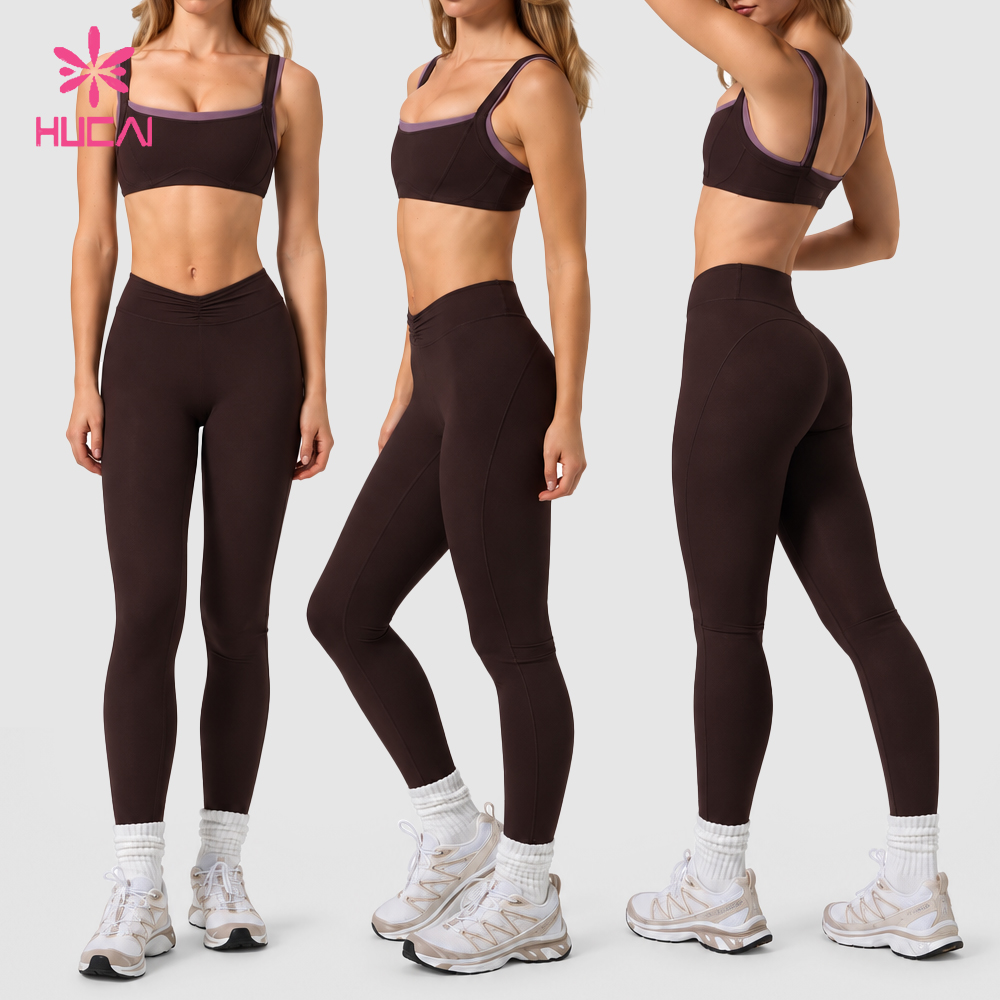
A base layer is a fitted garment, so the measurement chart carries more risk than it does on a relaxed style. The brief needs the body measurement chart, the intended negative ease at chest, waist, hip and upper arm, and tolerances per measurement point. Where the garment is a bottom, the waistband depth, the elastic recovery and the gusset construction all belong in the same document.
Seam construction is the second half of that decision. Stitch type, seam placement and thread choice each affect how the garment moves and how it feels under a mid-layer. A bulky seam under a pack strap or a waistband edge that rolls will be noticed long before a fibre property is.
Fabric stretch and recovery must be matched to the pattern ease. A wool blend with lower recovery needs different ease than a nylon knit with high recovery, even when both fabrics measure the same stretch percentage. Where a smooth surface is the requirement, the brief should describe it as smooth construction or a clean seam appearance and then agree the actual stitch type and seam plan, because the surface look follows from the construction detail.
Bottom-layer development follows the same logic, and a reference for how waistband, gusset and seam plans are handled can be reviewed on the page for custom leggings development.

The Pre-Sampling Specification Sheet
The list below is the practical form of everything above. Each line exists because leaving it open creates a question that cannot be answered after the sample arrives.
| Parameter | Write it as | Why it must be closed before sampling |
|---|---|---|
| Fibre fineness and type | Target diameter band plus the wool type | Decides next-to-skin feel and how the yarn can be spun |
| Blend ratio | Ratio with a tolerance, plus the property it protects | Drives abrasion, stretch, drying and drape together |
| Fabric weight | g/m² range, tolerance, conditioned measurement state | Wool weight shifts with moisture, so the method matters |
| Knit structure | Structure type, stretch percentage, recovery direction | Sets the cutting direction and the pattern ease |
| Handfeel and surface | Handfeel target and accepted pilling level with method | Keeps softness and surface stability from being traded silently |
| Colour and laundering | Colour standard plus accepted first-wash dimensional change | Relaxation in wear is a fit issue, not only a fabric issue |
| Measurement chart | Body chart, negative ease and tolerances per point | Fitted garments fail on grade, not on average fit |
| Seam plan | Stitch type, seam placement, thread and bulk target | Comfort under a mid-layer depends on seam geometry |
| Branding and care | Logo method, label placement, care content | Both affect finishing route and review criteria |
Timing and quantity belong on the same page, with the understanding that they are planning figures rather than commitments. Sample development usually takes about 10-15 days, depending on style, fabric, trim, logo, revision requirements and confirmed details. The current public MOQ starts from 200 pcs per style, while final colour, size, fabric, trim and customization planning depends on the confirmed project. Wool blend sourcing can move both variables, so they are confirmed during fabric review.
HUCAI Sportswear reviews this sheet with the fabric, pattern and sample teams before a sample is cut, because the value of the document is in the review it triggers rather than in the file itself. The approval and revision path around those samples is summarised in the sample policy.
Plan Sample-to-Bulk Consistency Before Approving the Sample
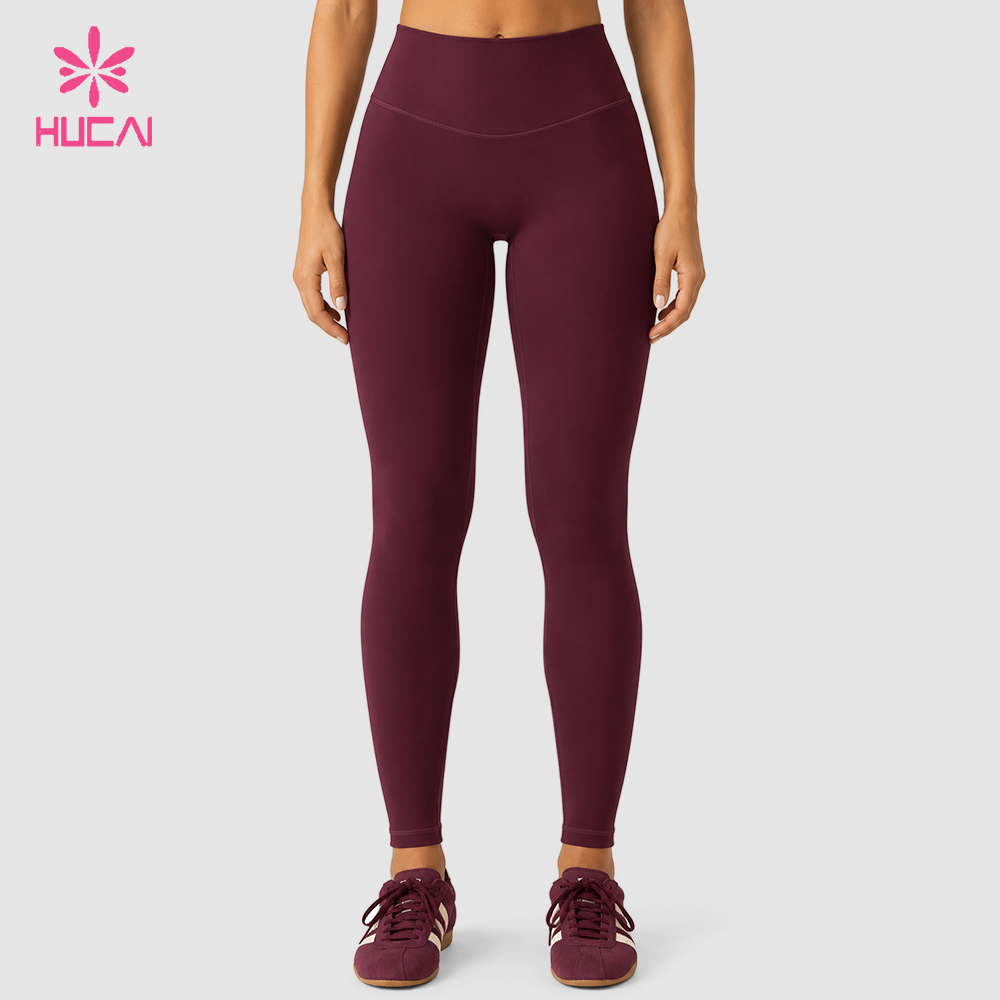
Approving a sample is a decision about a reference, not about a single garment. Consistency between that reference and bulk depends on confirmed standards, the approved sample itself, material control, in-process review and final inspection. Brands that write those five items into the development plan before approval avoid most of the arguments that appear at shipment.
Practically, that means the approved sample is retained as the colour and construction reference, the measurement chart is confirmed against it with tolerances, the workmanship standard is photographed and written rather than described from memory, and any revision after approval is documented so the bulk line is working from one version. Material control matters more on a wool blend than on a synthetic knit, because two fabric lots from the same mill can differ in handfeel while matching the composition statement.
HUCAI Sportswear combines pre-production review, AQL 2.5-based checkpoints, in-process inspection, final inspection and sample-to-bulk consistency control within one production workflow. AQL 2.5 is a sampling-based inspection standard, so it describes a defined acceptance level rather than an absence of variation; the value for a wool program is that the acceptance level is agreed in advance and applied at named checkpoints. The quality framework is set out in more detail on the custom sportswear quality control page.
Sustainability and certification questions usually arrive at this stage. Recycled or certified material options can be reviewed based on project requirements and available documentation, and the fibre documentation route should be agreed before bulk rather than after.
Decision Check: Is the Base Layer Brief Ready for Sampling?
Before requesting samples, confirm the following:
- Fibre and blend: fineness band and blend ratio written with a tolerance, plus the property each one protects.
- Weight and structure: g/m² range with a conditioned measurement state, plus stretch and recovery direction.
- Handfeel versus surface: an accepted pilling level and test method reference, agreed rather than assumed.
- Fit and seams: body measurement chart with negative ease, tolerances per point, and a named stitch and seam plan.
- Laundering and reference: expected first-wash dimensional change, care content, and the sample that will act as the bulk reference.
If three or more criteria are confirmed, the direction is ready for a structured sample request. If fewer than three are resolved, additional development planning will reduce sample revision cycles and control cost.
If the fibre and weight lines are still open, that is a normal starting point rather than a delay. ODM projects with HUCAI Sportswear's ODM service can begin from reference images, an early product direction or a capsule concept, then clarify fabric, fit, construction and sample priorities before bulk planning.
Founder's Technical Insight: Jean Yuan's Development Note
Most wool blend problems I am asked to explain in the sample room are not fibre problems. They are measurement-state problems, and they are worth walking through in the order we check them.
When bulk fabric reads thinner or softer than the approved sample, the first suspect is not the yarn order. Wool knits relax and regain moisture, so weight and handfeel both move with the room and with the rest the fabric has had. We re-measure weight and stretch on a conditioned sample and compare it with the approved sample after the same steaming and resting treatment before we open any fibre dispute with a mill. In most cases the fabric is within the agreed range and the comparison was simply not made like for like.
When a wool blend pills earlier than expected, the useful question is about fibre length and yarn twist, not the washing machine. Shorter fibres migrate to the surface faster, and lower twist lets them. A denser knit and higher twist hold them in place and take softness out of the handfeel in return. Deciding which side of that trade the brand wants is a brief decision, and it has to be made before the yarn is spun.
When a waistband sags on a wool bottom, the elastic is rarely the whole story. We check stitch elongation along the seam and the recovery of the knit itself. A wool blend with lower recovery needs less negative ease in the band than a nylon knit, and a pattern that was graded on the synthetic assumption will relax in wear even if the elastic meets its own specification.
Three checks before approving any wool knit program: a composition statement with a tolerance, weight and stretch measured on a conditioned sample, and first-wash dimensional change measured on the finished garment rather than a swatch. A swatch relaxation figure is useful for the fabric, but the garment relaxes with its seams and its band, and that is the number the customer will feel.
FAQ
What should a merino base layer brief define before sampling?
Define fibre fineness, blend ratio with a tolerance, fabric weight in g/m² with a measurement state, knit structure with stretch and recovery direction, the accepted handfeel-versus-pilling trade-off, the body measurement chart with negative ease, the seam plan, and the expected change after the first wash. A brief that leaves weight or blend tolerance open usually produces a sample that cannot be judged fairly.
What blend ratio works for a women's wool base layer?
There is no single ratio that suits every program. Common development directions pair wool with nylon for abrasion resistance and shape retention, with elastane where stretch and recovery matter, or with polyester-family and cellulosic fibres to change drying speed and drape. The useful decision is not the number itself but the property the ratio is protecting, written with a tolerance and confirmed during fabric review.
What fabric weight is typical for a base layer?
Base-layer knits are commonly developed in a light band of roughly 150 to 180 g/m² and a mid band of roughly 200 to 260 g/m², with looser or tighter interpretations depending on the market. Treat those as development starting points rather than fixed standards, and always agree how, where and on what sample state the weight will be measured.
Will a wool blend base layer pill?
Surface pilling is normal behaviour for wool knits rather than a defect by definition. Fibre length, yarn twist, knit density and finishing decide how quickly it appears. Pilling and abrasion are commonly assessed with published methods such as the Martindale-based ISO 12945 family, ASTM D4970, and random tumble methods including ASTM D3512. Ask for the test method reference during supplier evaluation instead of relying on a verbal statement.
How do we control relaxation and shrinkage?
Agree a first-wash protocol before sampling: wash method, water temperature, mechanical action, drying method and the acceptable dimensional change. Measure the change on the finished garment as well as on the swatch, because a fitted knit relaxes differently once it has been sewn, banded and worn.
Should the fabric be a pure wool knit or a blend?
That depends on which property the program is protecting. A higher wool share supports warmth and next-to-skin comfort, while blending supports abrasion resistance, recovery, drying speed and shape retention. The decision belongs with the brief rather than with a preference, and it should be recorded with a tolerance so that a later fabric lot can be assessed against it.
What is the MOQ for a custom base layer program?
The current public MOQ starts from 200 pcs per style, while final colour, size, fabric, trim and customization planning depends on the confirmed project. Wool blend sourcing can change those variables, so they are confirmed during fabric review rather than at the quotation stage.
How long do sampling and bulk production take?
Sample development usually takes about 10-15 days, depending on style, fabric, trim, logo, revision requirements and confirmed details. Bulk production often takes about 25-30 days after pre-production details and approvals are confirmed, depending on project scope, materials, processes, quantity and scheduling.
Final Takeaway
A merino or wool blend base layer is decided on six parameters, not on the fibre name. Fix fineness and blend ratio with a tolerance, set the weight with a measurement state, choose deliberately where handfeel ends and surface stability begins, lock the measurement chart and seam plan for a fitted garment, write the first-wash expectations, and agree the standards that will be used to compare the approved sample with bulk. Brands that settle these points before cutting a sample usually spend the sample cycle confirming a decision instead of reopening one.
About HUCAI Sportswear
- Founded in 1998, specializing in women's activewear and sportswear manufacturing
- OEM and ODM development support for sports bras, leggings, shorts, tops, and matching sets
- Structured sample development and sample-to-bulk consistency control
- AQL 2.5-based inspection as part of the quality workflow
Current certification information can be reviewed during supplier evaluation based on the project and documentation requirements. Recycled or certified material options can be reviewed based on project requirements and available documentation.
Evidence base for this article
- Industry fibre-grading references for wool fineness and wool blend construction
- Published standard test methods for pilling and abrasion (ISO 12945 family, ASTM D4970, ASTM D3512)
- Public discussion threads among activewear founders, studio owners and product developers
- Pattern-room and development experience from our own sample workflow