Modal-Blend Activewear: Where Soft Drape Works—and Where Performance Requirements Take Priority
- Share
- publisher
- HUCAI Sportswear
- Issue Time
- Oct 19,2026
Summary
A development guide for women's activewear brands deciding where a modal blend belongs: how drape behaves as a specification, which categories it suits, where recovery, opacity and pilling take priority, and the blend, seam, shrinkage and wash checks that should be agreed before sampling and bulk production.
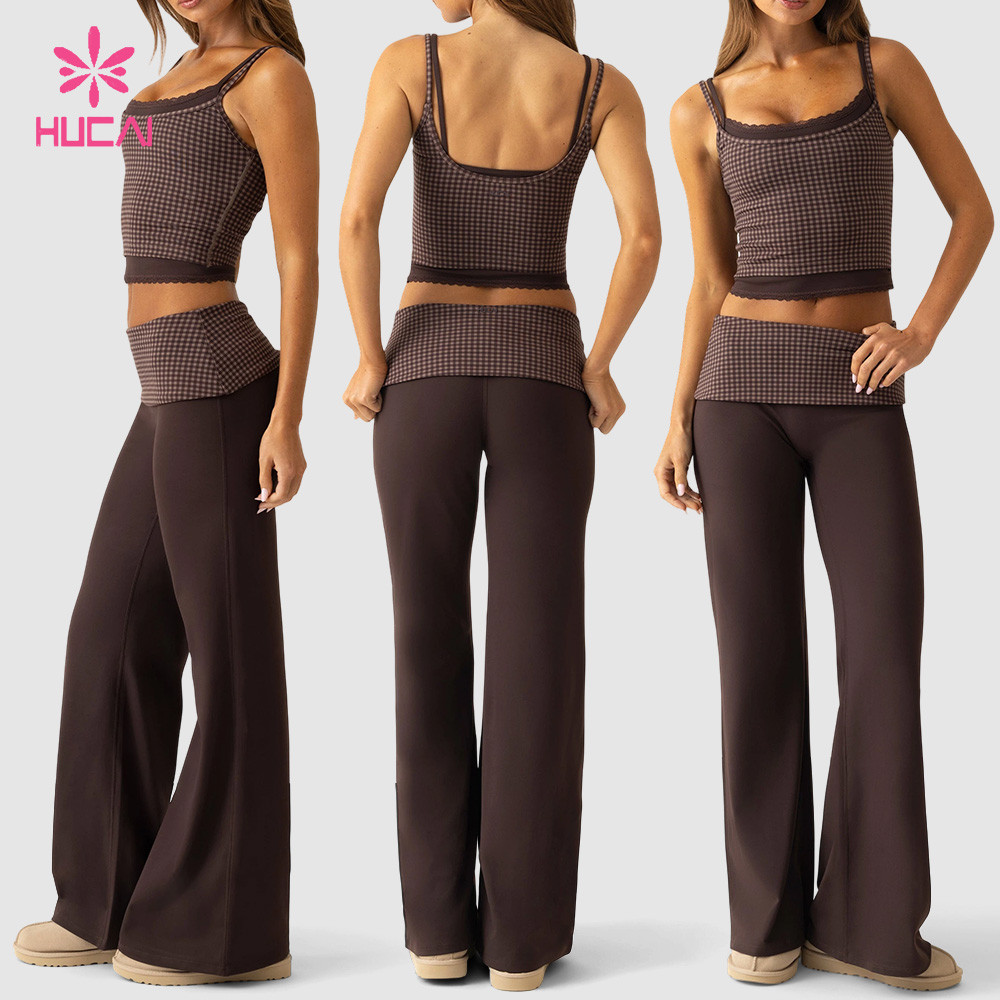
A modal blend is one of the easiest fabric decisions a women's activewear line can make, and one of the easiest to get wrong later. In hand it is soft, fluid and immediately convincing. Six weeks on, the same fabric has to hold a fold-over waistband, survive a wash without twisting, and stay opaque through a session. That gap between a good swatch and a repeatable product is where modal-blend programmes lose sample rounds.
This article separates the two jobs a modal blend can do: carrying drape where drape is the product benefit, and supporting performance where the garment has to hold shape under load. It is written for teams choosing fabric direction before sampling, in the order HUCAI Sportswear uses when a brand brings a cellulosic blend into fabric review.
Quick Answer
Modal blends work where drape and softness are the product promise: lounge bottoms, all-day tops, layering pieces and soft support sets. They are a weaker choice where the garment must hold shape under load, such as high-sweat leggings, compression styles and support bras, because recovery, wet stability and pilling matter more there than hand feel. The answer is category by category: modal-led for drape roles, modal as a minor component where performance leads, with composition tolerance, shrinkage and seam specification agreed before sampling.
Table of Contents
- Who This Article Is For
- What Soft Drape Means as a Specification
- Where Modal Blends Earn Their Place
- Where Performance Requirements Take Priority
- Blend Architecture: What to Agree Before the Mill Quotes
- Construction and Finishing on a Low-Modulus Fabric
- Sample-to-Bulk: Three Checks That Decide Whether the Blend Holds
- Decision Check
- Founder's Technical Insight (Jean Yuan)
- FAQ
- Final Takeaway
Who This Article Is For
- Primary reader: growing women's activewear brands building a lounge, athleisure or soft-support range and deciding whether a modal blend belongs in it.
- Secondary reader: established brands reviewing an existing cellulosic blend because of returns, sagging knees, pilling or shade complaints.
- Product stage: fabric direction being set, or first samples already cut and the revision list starting to grow.
- Problem being solved: the swatch felt right, but the garment behaves differently after wear and wash, and nobody has written down which properties were actually agreed.
- Who may not need this article: teams sourcing a fully specified compression legging from an existing tech pack, where fabric and construction are already locked by test data.
What you gain from this article: a category-level rule for when a modal blend is the right fabric direction, a specification list you can place in a tech pack, and the sampling and bulk checks that expose drape-versus-recovery trade-offs before they reach a customer.
What Soft Drape Means as a Specification
Drape is not a mood. It is how a fabric bends under its own weight, produced by a small set of inputs: fibre modulus, yarn twist, knit structure, weight per unit area and finishing route. Two fabrics that feel identical on a table behave very differently once a 500 g panel hangs from a waistband.
Buyers describe the target in sensory language: buttery, cool, fluid, "modal-like". Mills cannot sample from that. What a mill can act on is a reference swatch, a weight range, a stretch and growth target, a shrinkage allowance and an agreed surface. That translation is the brand's job, and the step most often skipped.
Consumer and sewing communities describe the same gap from the other side. In activewear and garment-construction forums, complaints about soft fabrics rarely begin with "it felt cheap". They begin with "it stretched out at the knee" or "the waistband rolled after two washes". The fabric felt good; the garment did not hold. That is a specification problem, not a hand-feel problem.
Practically, soft drape should be written as four numbers plus one reference: weight per unit area with a tolerance, stretch and growth at a defined load, recovery after a defined time, and shrinkage after an agreed wash cycle, each tied to a golden swatch kept by both sides. Then "soft drape" becomes a briefing item rather than an argument at sample review, and the fabric selection review has something concrete to test against.

Where Modal Blends Earn Their Place
Modal and other cellulosic fibres earn their place where the garment's value is how it falls, moves and feels across a long day. That usually means lounge bottoms, wide-leg and flare silhouettes, wrap and layering tops, soft support sets, and athleisure pieces worn well beyond the studio.
The technical reason is straightforward. Cellulosic fibres have a lower modulus than nylon or polyester, so they bend more easily and drape with less structure. They also absorb moisture readily, which supports the cool handle that lounge and all-day products sell on. In a wide-leg pant or a wrap top, that behaviour is the product. In a compression legging, the same behaviour is the problem.
There is also a positioning consequence worth deciding rather than inheriting. Publicly released lounge ranges from established brands lean on cellulosic blends when the story is softness and everyday wear, and on nylon-dominant knits when the story is training. That is an observation of public design language, not a claim about who produces it, and the pattern is consistent enough to read as a market signal: the fabric family follows the product promise.
So the first question is not "is modal good?" but "is this style sold on drape or on hold?" A modal-led blend in a drape-led role is coherent. The same blend in a hold-led role creates a product that photographs well and returns badly.

Where Performance Requirements Take Priority
Three requirements override hand feel in a women's activewear line: shape retention under load, opacity under stretch, and surface durability in friction zones. Where any of those is the customer's main reason to buy, the fabric system has to be built around them.
Modal-rich constructions struggle with all three for one reason. Low modulus and high absorbency mean the fabric gives easily and can sag when saturated, and cellulosic surfaces pill where abrasion is constant, such as the inner thigh, seat and underband. Recovery is slower than in nylon or elastane-dominant knits, so a garment that fits at 9 a.m. may not fit at 6 p.m. The same logic governs sports bra development, where underband stability is decided by modulus and recovery, not by surface softness.
This does not make modal a poor fibre. It makes it a poor lead fibre in the wrong role. Where performance leads, the usual direction is to keep the cellulosic content as a minority component for hand feel and moisture management, and let nylon, polyester and elastane carry recovery, strength and opacity through the knit structure.
| Product role | What the customer buys | Fabric priority |
|---|---|---|
| Lounge and wide-leg bottoms | Drape, softness, all-day comfort | Drape-led, with enough recovery to hold the waistband |
| Layering tops and wrap styles | Fluid fall, cool handle | Drape-led, with seam stability at the neckline and armhole |
| Soft support sets | Light support, soft surface | Mixed: hand feel from the cellulosic content, stability from structure |
| Training and high-sweat leggings | Shape retention, opacity, durability | Performance-led; cellulosic content as a minority component |
| Support bras | Support direction, underband stability | Performance-led; recovery and modulus are the deciding properties |
One more constraint belongs here rather than in a footnote. A modal blend sold as moisture-managing needs a wicking route that is actually specified, because absorbency and transport are not the same property. If the promise is sweat management, confirm the fabric direction against the mill's test data rather than inferring it from the fibre name.
Blend Architecture: What to Agree Before the Mill Quotes
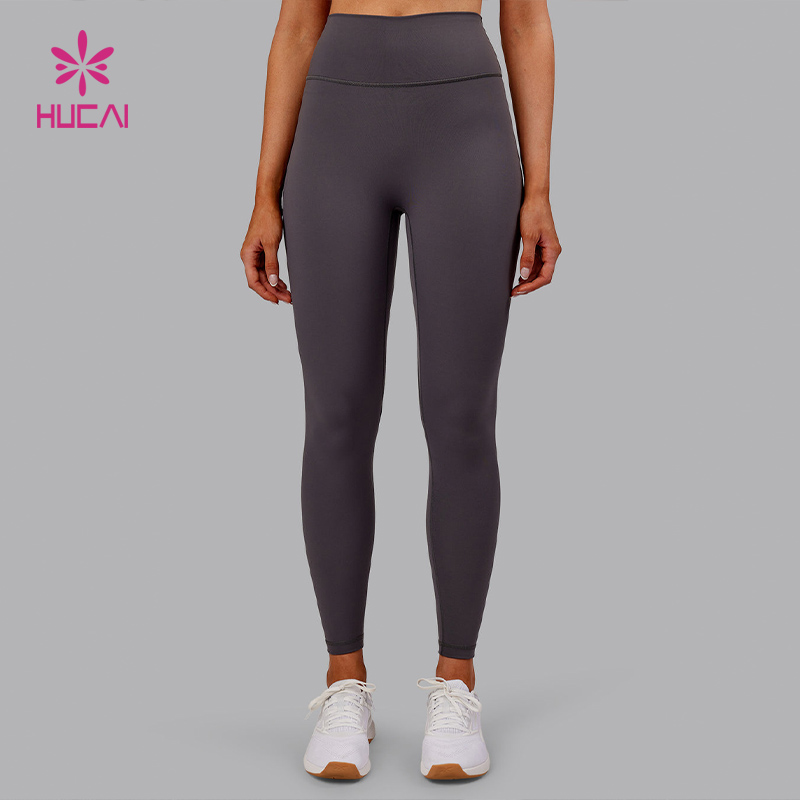
Most modal-blend disputes trace back to a tech pack that names a fibre but not a system. A blend is a set of roles: the cellulosic fibre supplies hand feel and moisture absorbency, polyester or nylon supplies strength, dimensional stability and cost control, and elastane supplies recovery. Change the yarn type or knit structure and the same percentages deliver a different garment.
Four decisions should be settled before a mill quote is treated as comparable:
- Fibre composition with a tolerance. State each fibre and the acceptable range, not a single figure. A tolerance of a couple of points is normal in spun yarns and should be written down rather than discovered at bulk.
- Yarn type. Ring-spun, compact and open-end yarns give different surface hairiness, which changes both hand feel and pilling behaviour on the same composition.
- Knit structure. Single jersey, rib and interlock sit differently on the body and recover differently. A 2x2 rib carries a waistband; a single jersey drapes a wide leg. The structure often matters more than the blend ratio.
- Finishing route. Enzyme or bio-polish reduces surface hair; silicone softeners improve hand feel but can reduce sewability and cause seam slippage; elastane knits need controlled heat setting to stabilise width and shrinkage.
Where a brand is deciding between two directions, the useful comparison is a paired review: same style, same measurements, two fabrics, cut and worn. HUCAI Sportswear runs that comparison against mill swatches and a golden reference before a sample is approved, because a fabric that wins on the table can lose on the body once panel weight and seam positions are real.
Construction and Finishing on a Low-Modulus Fabric
Soft fabrics punish construction decisions that a firmer knit would hide. The three that matter most in modal blends are seam type, stitch density and the way the garment is set up for stretch.
An overlock seam on a low-modulus jersey has to carry the same elongation as the fabric around it. If stitch density is too high, or the thread recovers less than the fabric, the seam becomes the limiting element: it breaks under stretch or relaxes into a visible wave along the side seam. Differential feed settings that work on a nylon-spandex knit often produce a rippled hem on a modal blend, because the fabric feeds differently under the presser foot.
Hems and waistbands follow the same logic. A coverstitch hem holds a drapey panel better than a narrow overlock finish, and a fold-over waistband on a wide-leg lounge pant depends entirely on the fabric's own recovery, so it should be tested on the body rather than on a hanger. A bonded or taped finish needs its bond strength and adhesive recovery tested on the actual blend.
Branding is the detail most often decided last and corrected most expensively. Heat transfer on cellulosic blends can scorch, shine or crack at the edge after washing, and the safe temperature window is narrower than on polyester. A woven label or a low-temperature transfer tested on the production fabric is usually more reliable, decided with the sample rather than after bulk approval.
Sample-to-Bulk: Three Checks That Decide Whether the Blend Holds
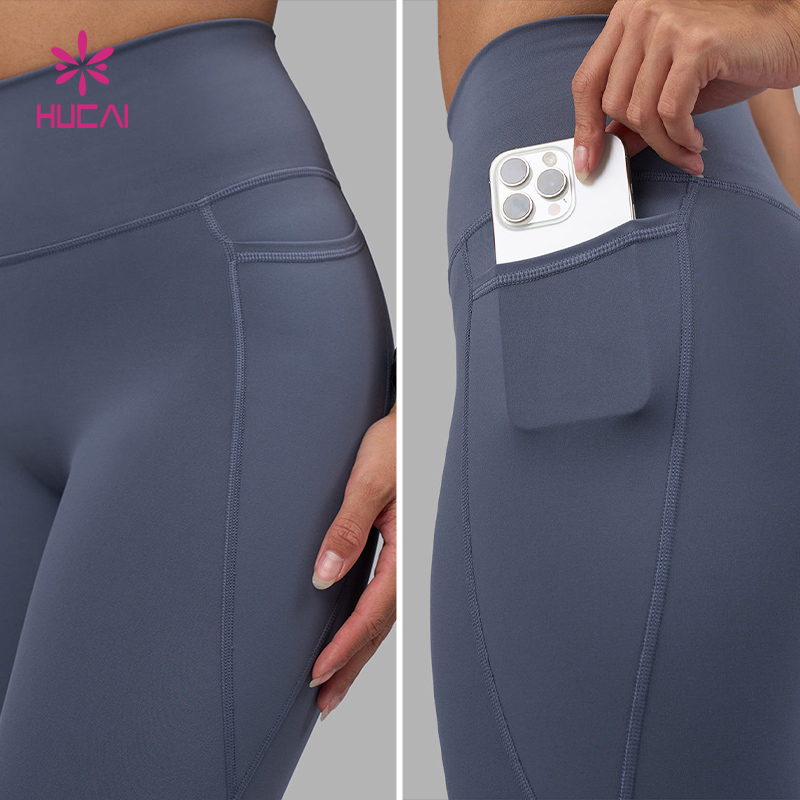
Most modal-blend failures are visible before bulk if three checks run on the actual sample, not the mill's swatch report.
First, wear growth. Mark the knee and seat area, wear the sample for a defined period under realistic activity, then measure how much the panel has grown and how much it recovers after rest. The number that matters is the residual growth, not the initial stretch, because that is what the customer sees at the end of a day.
Second, dimensional change after washing. Wash the sample with the care label the product will actually carry, using a standard method such as AATCC 135 for dimensional change, and measure length and width against the approved measurements. Run the agreed number of cycles, not one. Differential shrinkage between a modal-rich shell and an elastane-containing rib is the usual cause of a twisted side seam or a waistband that no longer sits flat.
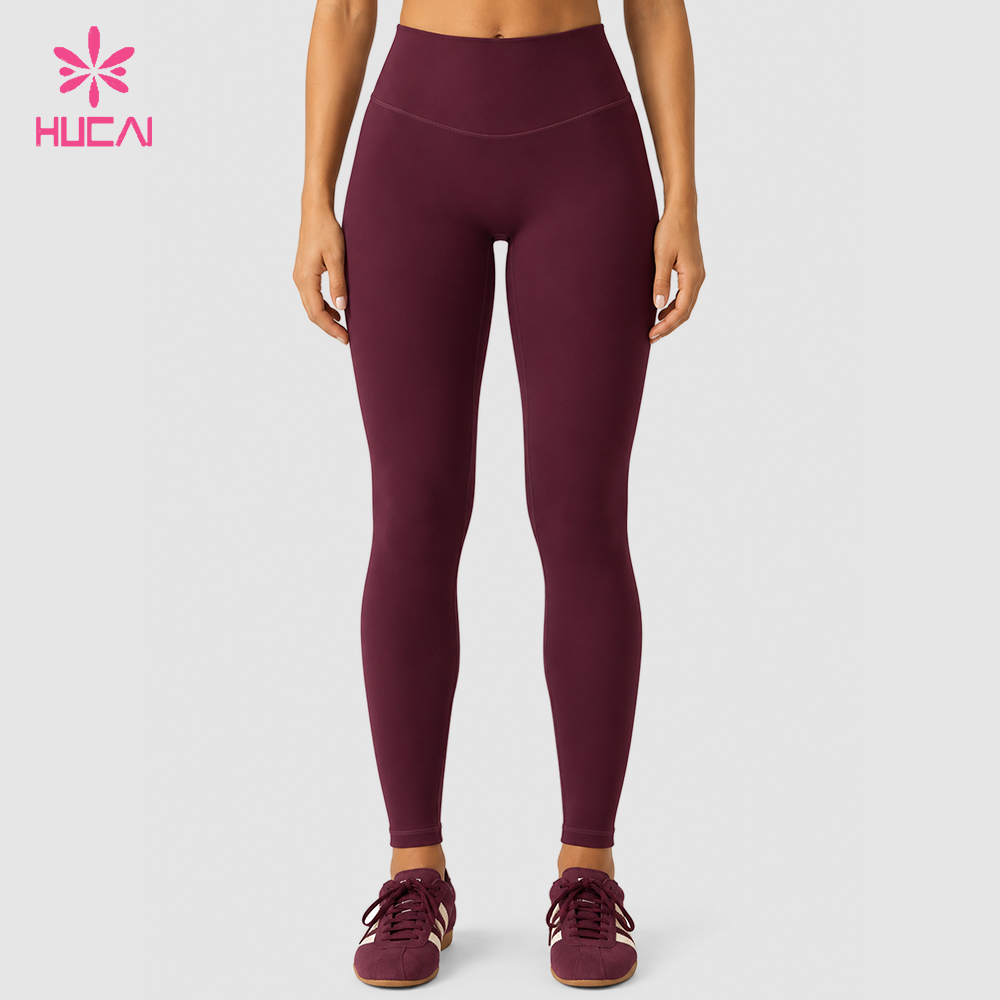
Third, surface durability in friction zones. Pilling and abrasion testing, using a method such as ASTM D3512 for random tumble pilling or a Martindale abrasion test, shows whether the blend will fuzz at the inner thigh and seat. On a two-piece set, shade belongs in the same review: panels should come from one dye lot for matching set production, and colour should be checked after washing. If the blend also goes into a fitted bottom, review leggings development tolerances in the same session.
Running these checks early is commercial, not academic. A blend that fails wear growth after four hours is a construction or fibre-role problem still fixable at sample stage. The same failure found after bulk is a return rate. HUCAI Sportswear builds these checkpoints into pre-production review so pass and fail criteria are agreed before the first cut.
Decision Check: Is a Modal Blend Right for This Style?
Before requesting a modal-blend sample, confirm the following:
- Product role is written down: the style is sold on drape, softness or all-day wear, not on compression or high-sweat performance.
- Recovery requirement is quantified: you know how much growth at the knee and seat is acceptable after a defined wear period, and who will measure it.
- Shrinkage allowance is agreed: the wash method and number of cycles match the care label the product will carry.
- Seam and stitch specification exists: seam type, stitch density, needle type and differential feed settings are in the tech pack, not left to the sample room.
- Surface durability is tested: pilling and abrasion performance is confirmed for the friction zones the garment will actually see.
If three or more are confirmed, the direction is ready for a structured sample request. If fewer are resolved, treat the first round as fabric validation rather than fit approval, and expect a revision to follow.
Have a fabric direction but no specification? Send the swatch or mill article, the product category, the target market and the care label, and HUCAI Sportswear can run an OEM development review covering composition tolerance, knit structure, shrinkage and seam requirements before sampling. Working from reference images instead? Share the images and the product role, and the review starts from drape and recovery targets.
Founder's Technical Insight: Jean Yuan's Development Note
In our sample room, the most common modal-blend failure is not the fabric. It is the seam, and it usually appears in the second wash rather than the first fitting.
The pattern is consistent enough that I look for it first. A brand approves a soft single jersey with a 1/4 inch overlock side seam. The first sample feels right on the body. After two home washes, the seam shows a faint bright line or a slight wave near the hip, and the customer reads it as poor quality. The cause is a mismatch between the elongation reserve in the stitch and the elongation the fabric is asked to deliver. On a low-modulus blend the panel stretches easily, but a dense overlock with a standard thread does not recover at the same rate, so the seam takes the load and stays stretched.
The second failure is panel shrinkage. A modal-rich shell and an elastane-containing rib can move differently in the wash; if the waistband and the body shrink at different rates, the garment twists at the side seam or the band stops sitting flat. The fabric passed its own shrinkage test; the combination did not.
What I ask a brand's development team to verify before we cut bulk:
- a signed golden swatch from the actual production lot, not a development swatch;
- composition written with a tolerance, plus the yarn type and knit structure;
- seam type, stitch density, needle type and differential feed recorded in the tech pack;
- shrinkage measured per panel and per component, then again on the assembled garment;
- one dye lot for two-piece sets, with a post-wash shade check;
- a wash test run with the care label the product will ship with.
None of these steps is complicated. They are simply easier to skip when the fabric feels good, which is exactly when they matter most. In our development workflow, the seam and shrinkage review happens at pre-production confirmation, while a change still costs a sample rather than a shipment.
FAQ
Can a modal blend be used for leggings?
Yes, but usually as a minority component rather than the lead fibre. Leggings are judged on shape retention, opacity and durability under load, so the fabric system is built around recovery first, with cellulosic content adding hand feel. A modal-led knit can work in a lounge or low-intensity legging if wear growth and pilling are tested against agreed limits.
What should a tech pack include for a modal-blend style?
It should include fibre composition with a tolerance, yarn type, knit structure, weight per unit area with a tolerance, shrinkage allowance with the wash method, stretch and recovery targets, seam type and stitch density, needle type, branding method, and the care label the product will carry. These items let the mill and the sample room work from the same numbers instead of from adjectives.
How do we compare drape between two candidate fabrics?
Compare them on the body, not on the table. Cut both fabrics to the same pattern and measurements, hang and wear them under the same conditions, and review how each panel falls and recovers. Pair the visual comparison with the measurable inputs: weight, stretch and growth, recovery, and shrinkage after the agreed wash cycle. A golden swatch kept by both sides makes the comparison repeatable.
Does choosing a softer fabric lower the MOQ?
No. The current public MOQ starts from 200 pcs per style, and final planning depends on the confirmed fabric, colour, size range, trims, logo method, packaging and construction. Fabric choice affects mill-level minimums, which is one reason to settle fabric direction before comparing quotations.
How long does sample development usually take?
Sample development usually takes about 10-15 days, depending on style, fabric, trim, logo, revision requirements and confirmed details. Modal blends often need one extra confirmation step because seam settings and shrinkage behaviour are fabric-specific, so the fabric should be approved before the sample schedule is fixed.
Will a modal blend pill?
Cellulosic blends can pill where abrasion is constant, especially at the inner thigh, seat and underband. Pilling depends on yarn type, surface finishing and knit structure as much as on fibre content. Specify a pilling test method and acceptance level in the fabric brief, and confirm the result on the production lot, not only a development swatch.
Can development start from reference images instead of a tech pack?
Yes. For ODM projects, buyers can begin with reference images, an early direction or a capsule concept, then clarify fabric, fit, construction and sample priorities before bulk planning. For a modal blend, the first clarification is the product role, because it decides whether the blend leads or supports the fabric system.
Is a modal blend a more sustainable choice?
Not automatically. Recycled or certified material options can be reviewed based on project requirements and available documentation, and any certification claim depends on the current certificate holder, scope and validity. Current certification information can be reviewed during supplier evaluation.
Final Takeaway
The useful question is not whether modal belongs in women's activewear. It is which role in the line the blend is being asked to fill. Where the product is sold on drape and all-day wear, a modal-led blend is coherent, and development work moves to seam settings, shrinkage and surface durability. Where the product is sold on shape retention, opacity or support, cellulosic content should support a performance-led construction rather than lead it.
Either way, the decision holds only when it is written down: composition with a tolerance, knit structure, weight, shrinkage method, recovery target, seam specification and a golden swatch. That document keeps a fabric that felt right in the showroom from becoming a revision list in the sample room. Choosing between two directions now? Send both swatches with the product role and the care label, and compare them on the same criteria.
About HUCAI Sportswear
- Founded in 1998, manufacturing women's activewear and sportswear from Dongguan, China
- OEM and ODM development support for sports bras, leggings, shorts, tops and matching sets
- Fabric, trim, pattern, CAD and sample review coordinated before bulk production
- Structured sample-to-bulk consistency control with AQL 2.5-based inspection
Current certification information can be reviewed during supplier evaluation based on the project and documentation requirements.