N66 Leggings Fabric Direction: What Brands Should Confirm Before Sampling
- Share
- publisher
- HUCAI Activewear
- Issue Time
- Jun 16,2026
Summary
Learn how private label activewear brands should evaluate N66 fabric direction for custom leggings before sampling, including handfeel, recovery, compression, opacity, color, waistband behavior, and bulk consistency.
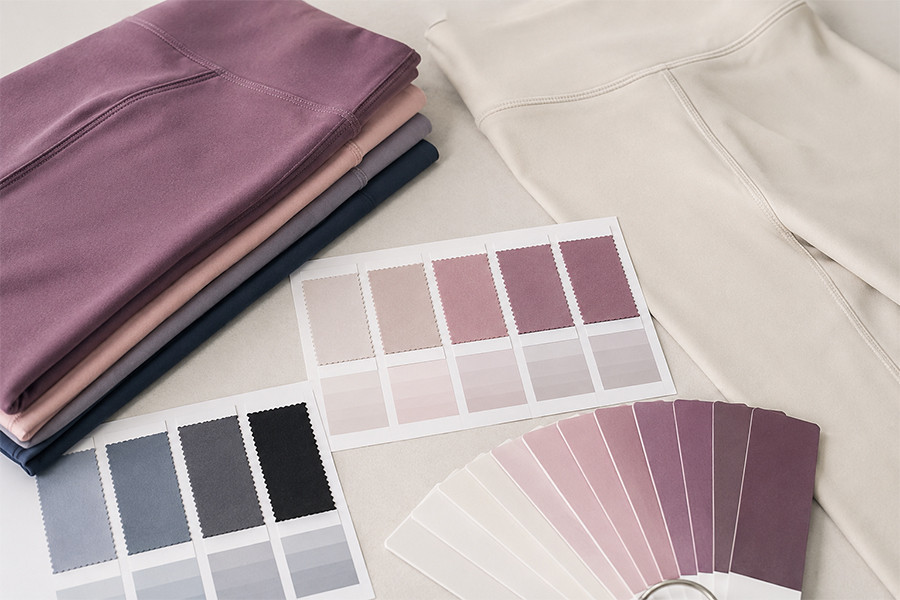
N66 leggings fabric can be an attractive direction for private label leggings, custom women's activewear, and OEM / ODM development. But for a leggings manufacturer, the key question is not only whether the fabric sounds premium. Before sampling, brands should confirm whether N66 fabric direction matches the product role, target handfeel, recovery, compression, opacity, waistband behavior, color plan, and bulk consistency expectation. At hucai sportswear, N66 is reviewed as one possible premium fabric direction inside a wider leggings development system, not as a shortcut that automatically solves every fit or performance issue.
Quick Answer
N66 can be a strong premium fabric direction for custom leggings, but it should be confirmed through product role, handfeel, recovery, compression, opacity, color behavior, and sample-to-bulk consistency before a brand treats it as the default fabric choice. It works best when the fabric direction supports the leggings' real use scenario, not only the product's visual positioning.
Table of Contents
- Why N66 is a fabric direction, not a shortcut
- What N66 should mean in leggings development
- Which leggings roles can benefit from N66 direction
- What to confirm before sampling N66 leggings
- Common mistakes when brands choose N66 too early
- Sample-to-bulk checks for N66 leggings
- Decision check before sampling
- FAQ
- Next steps
Why N66 Is a Fabric Direction, Not a Shortcut
```Many brands hear that N66 is a premium fabric direction and immediately want to use it for leggings. That instinct is understandable. In activewear development, fabric is one of the clearest ways to create product difference, improve handfeel, and support a more premium brand story.
However, N66 should not be treated as a shortcut. It does not automatically mean the leggings will have better support, better opacity, better comfort, or better bulk consistency. Those results still depend on fabric construction, GSM, spandex ratio, stretch behavior, dyeing behavior, finishing, pattern balance, waistband structure, and the product role.
For brands developing custom leggings with N66 fabric direction, the first step is to define why N66 is being considered. Is the goal a smoother handfeel? Stronger recovery? Better premium positioning? A cleaner fabric story for private label leggings? Or a more stable base for sculpting and training products?
Without this clarity, the project may become expensive without becoming more focused.
N66 needs to be reviewed through structure, stretch, recovery, opacity, finish, and use scenario.
Different N66 blends, weights, finishes, and knit structures can behave differently in sampling and bulk.
N66 may be suitable for selected leggings roles, but brands should not force it across every product without testing.
A stronger approach is to treat N66 as one fabric direction inside a full leggings development system. This means the fabric is selected because it supports the product role, not because it sounds premium in isolation.
```What N66 Should Mean in Leggings Development
```In practical leggings development, N66 direction should be translated into specific product questions. A buyer should not only ask, "Can you make N66 leggings?" A better question is, "What kind of N66 direction supports my product role, target handfeel, support expectation, opacity requirement, and bulk production plan?"
This is where fabric planning becomes a development decision rather than a material label.
| Fabric Question | Why It Matters | What to Review Before Sampling |
|---|---|---|
| Handfeel | Controls the first touch and wearing comfort of the leggings. | Softness, smoothness, surface finish, skin feel, and intended use scenario. |
| Recovery | Affects whether the leggings keep shape after stretch and movement. | Stretch recovery, spandex content, knit structure, and repeated-wear behavior. |
| Compression | Influences support, sculpting effect, and comfort level. | Light, medium, or strong compression direction based on product role. |
| Opacity | Determines coverage under stretch, especially in squat and training positions. | GSM, color, density, stretch behavior, and size range. |
| Color Behavior | Affects the final brand look and consistency across colorways. | Lab dip, dyeing direction, dark vs light color behavior, and batch control. |
| Bulk Repeatability | Determines whether the approved sample can be repeated more consistently. | Fabric availability, approved standard, measurement control, and production follow-up. |
If a brand is still planning the wider fabric direction for sports bras, leggings, shorts, tops, and matching sets, it may be helpful to review broader fabric family planning before sampling. But this article focuses more specifically on how N66 direction should be reviewed for leggings.
For custom leggings, N66 should be judged by how it performs inside a complete garment. A fabric that looks good on a swatch may behave differently after pattern cutting, waistband construction, seam stitching, logo application, washing, stretching, and bulk production.
```Which Leggings Roles Can Benefit From N66 Direction
```N66 fabric direction may be useful for several leggings roles, but not always for the same reason. A premium studio legging may use N66 direction to support smoother handfeel and cleaner appearance. A sculpting legging may need recovery and support. A matching-set bottom may need stable color and handfeel coordination with the top.
This is why product role should come before fabric confirmation.
| Leggings Role | Why N66 May Be Considered | Development Risk to Review |
|---|---|---|
| Premium Studio Leggings | To support smoother touch, cleaner appearance, and elevated positioning. | May feel too firm if compression and handfeel are not balanced. |
| Training Leggings | To support recovery, structure, and stronger movement performance. | Needs opacity, waistband hold, and repeated stretch review. |
| Sculpting Leggings | To create a more structured body-shaping product direction. | May become uncomfortable if fabric power and pattern tension are too strong. |
| Everyday Leggings | To give the product a more refined handfeel and stable brand story. | May be over-specified if the brand only needs a soft daily-wear style. |
| Matching-Set Bottoms | To help the leggings coordinate with sports bras, tanks, or light layers. | Color, handfeel, and fabric role must match the full set direction. |
| Running or High-Movement Leggings | To support recovery and stable wear during movement. | Needs pocket stability, sweat comfort, waistband security, and testing direction. |
For a brand building a premium leggings category, it is better to choose one or two N66-led product roles first, instead of applying the same fabric direction to every style. This keeps sampling more focused and makes the first MOQ discussion more practical.
If the leggings will be developed as part of a coordinated top-and-bottom program, brands can also review matching activewear set development so the fabric story, color plan, and product roles are planned together.
```What to Confirm Before Sampling N66 Leggings
```Before the first N66 leggings sample is made, brands should confirm both product and production information. This helps the manufacturer understand whether the project is closer to OEM execution, ODM development support, or early fabric direction review.
1. Product Role and Target Customer
Start by defining the leggings role. Are they for yoga, training, running, sculpting, everyday wear, or matching-set coordination? The answer affects fabric weight, compression, recovery, waistband direction, and sample review standards.
2. Fabric Handfeel and Surface Direction
Do you want a smooth, cool, brushed, compact, or more supportive handfeel? N66 direction can be developed in different ways, so the desired surface feel should be described before sampling. Reference garments or fabric swatches can help make this clearer.
3. Compression Level
Compression should be defined as light, medium, or stronger support. The correct level depends on the product role. A yoga legging and a sculpting training legging should not use the same compression target.
4. Opacity Expectation
Opacity should be reviewed under stretch, not only on the table. Light colors, smaller sizes, high-stretch areas, and squat movement can expose issues that are not visible in a flat sample.
5. Waistband Direction
Waistband structure must match the fabric. A high-stretch fabric may need different waistband pressure from a firmer sculpting fabric. Before sampling, brands should confirm waistband height, hold level, front appearance, elastic direction, and rise balance.
6. Color and Lab Dip Direction
If N66 is part of a premium fabric story, color quality matters. Brands should review whether the first drop will focus on neutrals, seasonal colors, dark shades, or lighter colorways. Light colors often require more careful opacity and dyeing review.
7. Branding and Trim Application
Logo method, care label, woven label, heat transfer, packaging, and hangtag should be confirmed early. Branding can affect fabric surface, stretch zones, heat application, and final presentation.
8. Quantity and Development Stage
MOQ, color count, size range, fabric sourcing, and sample direction are connected. On hcsportswear.com, the current public-facing MOQ baseline is usually from 100 pcs / style, but final planning still depends on fabric, color, style, size, branding, and project details.
Brands with complete specifications can connect this information to the OEM service path. Brands still working from reference images or market direction may need ODM development support first.
```Common Mistakes When Brands Choose N66 Too Early
```N66 can support a more premium leggings direction, but problems happen when brands choose it before defining what the leggings need to do. The fabric becomes the decision, when it should only be one part of the decision.
| Common Mistake | Why It Creates Risk | Better Development Approach |
|---|---|---|
| Choosing N66 only because it sounds premium | The fabric may not match the actual product role or target price level. | Define product role, customer expectation, and fabric performance target first. |
| Using the same N66 direction for every leggings style | Yoga, training, sculpting, and everyday leggings need different fabric behavior. | Select fabric direction by product role, not by one general collection idea. |
| Ignoring opacity until after the first sample | Opacity problems can cause repeated sample revisions and color delays. | Review GSM, density, color, stretch behavior, and size range before sampling. |
| Separating fabric choice from waistband design | Waistband hold depends on fabric power, recovery, and pattern tension. | Review waistband height, hold level, rise balance, and fabric recovery together. |
| Approving handfeel without wear review | A soft handfeel may not provide enough shape retention after movement. | Review recovery, squat coverage, repeated stretch, and wearing comfort. |
| Starting bulk planning before sample standards are clear | Bulk production may differ in measurement, color, fabric feel, or logo placement. | Confirm approved sample standard, fabric batch, lab dip, measurements, and QC points. |
Manufacturer Insight: Premium Fabric Does Not Replace Product Development
A premium fabric direction can improve a leggings program only when it is connected to the product role. In many early-stage projects, brands ask for a better fabric when the real problem is unclear use scenario, wrong compression target, weak waistband logic, or incomplete sample review standards.
At hucai sportswear, N66 direction is reviewed together with handfeel, recovery, opacity, waistband construction, size range, and sample-to-bulk consistency. This keeps the fabric decision practical instead of only promotional.
Sample-to-Bulk Checks for N66 Leggings
```Once an N66 leggings sample is approved, the project still needs control points before bulk production. The approved sample should become a production standard, not only a visual reference.
1. Confirm the Approved Fabric Standard
Brands should confirm the approved fabric construction, GSM, handfeel, color, stretch direction, recovery, and surface finish. If any bulk fabric substitution is needed, it should be reviewed before production starts.
2. Review Color and Lab Dip
N66-led leggings often carry a more premium fabric story, so color consistency matters. Lab dip approval, bulk fabric color review, and colorway planning should be handled carefully, especially for neutral tones and lighter shades.
3. Check Opacity Under Stretch
Opacity should be reviewed on the garment and under movement-related tension. A fabric swatch alone is not enough. Squat coverage, high-stretch areas, and size grading should be considered before approving bulk.
4. Check Waistband and Measurement Repeatability
The waistband should match the approved sample in height, pressure, rise balance, and wearing feel. Measurement repeatability across sizes is important because small differences can change how the leggings feel on the body.
5. Confirm Logo and Label Application
Heat transfer, print, label, and packaging details should be checked against fabric surface and stretch zones. A logo position that works visually may still need adjustment if it sits on a high-stretch area.
6. Keep Production Follow-Up Visible
For custom leggings, bulk consistency depends on production standards, quality checkpoints, and clear follow-up. hucai sportswear supports activewear projects with sample-to-bulk coordination, AQL 2.5-based quality checkpoints, and production follow-up for approved projects.
Brands that want to understand broader factory organization can review HUCAI's manufacturing capacity and production management information.
```Decision Check: Is N66 the Right Direction for Your Leggings Project?
Before asking for an N66 leggings sample, review these questions:
- What product role will the leggings serve: yoga, training, sculpting, running, everyday, or matching set?
- Is N66 being chosen for handfeel, recovery, compression, opacity, premium positioning, or fabric story?
- What compression level should the leggings provide?
- What opacity level is expected under stretch and movement?
- Should the fabric feel soft, compact, smooth, cool, brushed, or more supportive?
- How should the waistband behave with this fabric direction?
- Will the leggings be sold alone or as part of a matching activewear set?
- Have color, lab dip, logo, label, and packaging needs been considered?
- Do you already have a tech pack, or do you need ODM help to refine the fabric direction?
- Is the first order focused enough for MOQ, color, and sample control?
Planning N66 Leggings for Your Brand?
If your brand is considering N66 fabric direction for custom leggings, share your target product role, reference images, fabric handfeel, compression expectation, opacity requirement, color plan, and quantity range with hucai sportswear. We can help review whether the direction is ready for OEM execution or still needs ODM development support before sampling.
Who This Article Is For
```This guide is written for brands that want to treat fabric direction as part of product development, not as a simple material upgrade.
- Growing activewear brands: best fit if you are developing a leggings line and want a clearer premium fabric story.
- Private label buyers: useful if you need to compare N66 direction with other nylon-spandex fabric options before sampling.
- Startup brands: useful if you are preparing your first leggings capsule and need to avoid choosing fabric too early.
- Established brands: useful if you already have fabric specifications but want to review sample-to-bulk risk points.
This article is less suitable for buyers only looking for ready-stock leggings, the lowest possible fabric cost, or a generic one-style sample without fabric development planning.
```Trust Notes for Buyers
```hucai sportswear helps brands review fabric direction based on product role, handfeel, recovery, compression, opacity, and sample expectations.
Leggings are one of the key women's activewear categories we support across OEM, ODM, and private label development projects.
Fabric approval, color review, measurement control, waistband behavior, and QC checkpoints should be connected before bulk production.
FAQ: N66 Leggings Fabric Direction
```What is N66 fabric direction in custom leggings development?
N66 fabric direction usually refers to a more premium nylon-based fabric approach used to support better handfeel, recovery, and product positioning. In custom leggings development, it should still be reviewed through product role, compression, opacity, waistband behavior, color, and bulk repeatability before sampling.
Is N66 always better for private label leggings?
Not always. N66 can be a strong direction for premium leggings, but it is not automatically the best choice for every SKU. The right decision depends on use scenario, target price, compression level, handfeel, opacity, color plan, MOQ, and whether the brand wants a premium fabric story or a more cost-balanced development route.
Which leggings styles are most suitable for N66 direction?
N66 direction may be suitable for premium studio leggings, sculpting leggings, training leggings, and selected matching-set bottoms when the brand needs better handfeel, recovery, or fabric positioning. However, each style should be reviewed separately because yoga, running, sculpting, and everyday leggings require different fabric behavior.
What should brands confirm before sampling N66 leggings?
Brands should confirm product role, handfeel, compression level, opacity expectation, waistband direction, color plan, logo method, label and packaging details, size range, and quantity range. If the brand has a tech pack, the project may be closer to OEM. If it only has references, ODM development support may be more suitable.
Can N66 leggings be used for matching activewear sets?
Yes, N66 leggings can be developed as part of a matching activewear set, but the fabric should coordinate with the sports bra, tank, short sleeve top, or light layer. Color consistency, handfeel balance, logo placement, and support level should be reviewed together rather than treating the leggings as a separate bottom only.
Does N66 fabric solve opacity problems?
N66 direction alone does not automatically solve opacity problems. Opacity depends on fabric construction, GSM, density, color, stretch behavior, size grading, and how the leggings perform under tension. Light colors and high-stretch areas should be checked carefully during sample review before bulk fabric approval.
How does N66 fabric affect waistband development?
The fabric direction affects waistband hold, pressure, recovery, and wearing comfort. A softer N66 direction may need different waistband logic from a firmer sculpting direction. Brands should confirm waistband height, elastic or no-elastic direction, rise balance, and hold level before sampling.
What should be checked before bulk production of N66 leggings?
Before bulk production, brands should check approved fabric standard, lab dip, color, opacity under stretch, measurements, waistband tension, logo and label application, packaging details, and pre-production confirmation. These checks help reduce avoidable differences between the approved sample and bulk production.
Final Takeaway
```N66 can be a strong fabric direction for custom leggings, but it should not be treated as a universal solution. Its value depends on how well it supports the leggings' product role, handfeel, recovery, compression, opacity, waistband behavior, color direction, and bulk production plan.
For private label activewear brands, the smarter path is to confirm why N66 is needed before sampling starts. This helps the first sample become more focused, keeps fabric development realistic, and reduces avoidable revisions caused by unclear product positioning.
For a manufacturer, N66 direction becomes meaningful only when it is connected to garment structure, sample review, and bulk consistency. That is the difference between using a premium fabric name and building a premium leggings program.
```Next Steps for Your N66 Leggings Project
If you have tech packs: send your specifications, fabric details, measurement chart, logo placement, size range, and color plan for OEM review.
If you have reference images: share your target product role, desired fabric handfeel, compression expectation, opacity requirement, and quantity range for ODM development review.
If you are still comparing fabric options: start with product role, target customer, fabric story, first color range, and sample priorities before choosing N66 as the default direction.
Contact hucai sportswear to discuss your N66 leggings development direction