Natural Fiber vs Performance Blend Base Layers: Which Direction Fits Your Women's Collection?
- Share
- publisher
- HUCAI Sportswear
- Issue Time
- Oct 15,2026
Summary
A B2B decision framework for women's base layer development. This article explains how activity intensity, sweat load, drying and care expectations, recovery targets, and brand positioning should decide whether a natural fiber or performance blend direction belongs in the collection, and what to confirm before sampling.
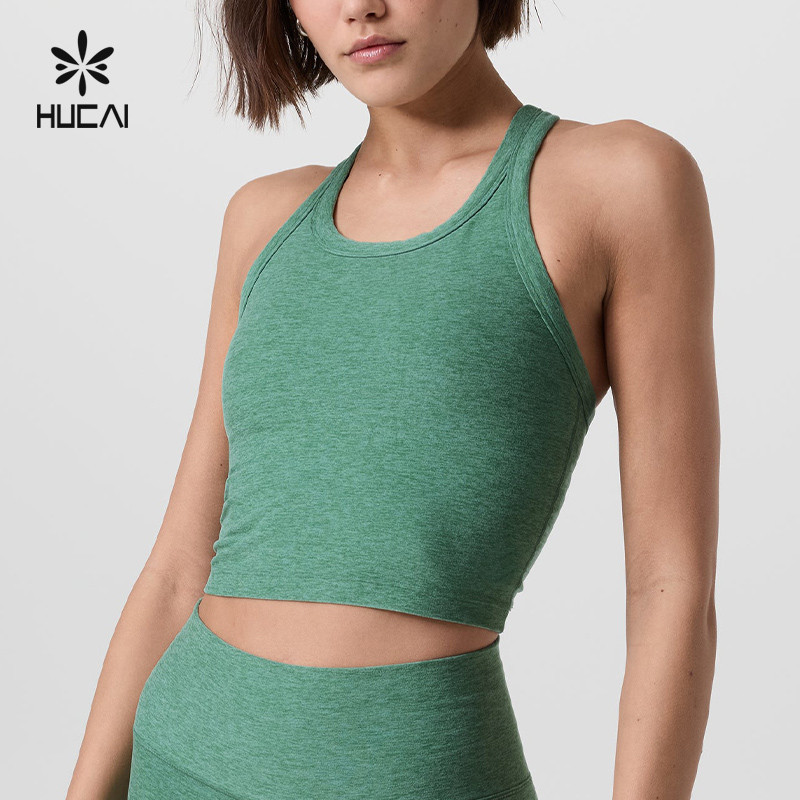
Base layers sit closest to the body, so the material decision behind them is rarely reversible. When a women's brand briefs a fitted tank, a long-sleeve training top, or a soft everyday layer, the direction usually narrows to two families: natural fibers such as cotton, modal, lyocell, or merino and wool blends, and performance blends built on polyester or nylon with elastane. Both directions can become a commercial product. The recurring problem is that many briefs choose a family before they define the conditions the garment has to survive — sweat load, drying expectation, wash routine, opacity, recovery, and the way the fabric behaves after repeated stretch. That gap is what turns a straightforward base layer brief into two or three avoidable sample rounds. In HUCAI Sportswear's development room, the first question is never which fiber is better; it is which conditions the piece must hold, because that answer shapes the brief, the sampling plan, and the bulk risk.
Quick Answer
Neither direction is the default answer. Natural fibers and performance blends solve different problems, and the right choice depends on activity intensity, sweat volume, drying-time expectation, care routine, opacity and recovery targets, and how the piece is positioned in the collection. Most women's base layer programs use both: natural-fiber blends for low-sweat, everyday, or layering pieces, and performance blends where moisture management, recovery, and durability carry more weight. The deciding factor is not the fiber name but whether the brief defines measurable requirements before sampling begins.
Table of Contents
- Who This Article Is For
- What "Natural Fiber" and "Performance Blend" Mean in a Brief
- Matching Fiber Direction to Activity Intensity and Sweat Load
- Recovery, Durability, and Care: Where the Trade-Offs Appear
- Fit, Weight, and Layering: How Fiber Choice Changes Construction
- Cost, MOQ, and Positioning as Commercial Decisions
- A Pre-Sampling Checklist for Both Directions
- Decision Check
- Founder's Technical Insight (Jean Yuan)
- FAQ
- Final Takeaway
Who This Article Is For
- Primary reader: Growing women's activewear brands developing a base layer top, fitted tank, or layering piece.
- Secondary reader: Established brands reviewing the material direction of an existing base layer line.
- Product stage: Material direction definition, before the first sample is requested.
- Problem being solved: Choosing between a natural-fiber direction and a performance blend without a repeatable decision framework.
- Who may not need this article: Brands with a locked tech pack, a confirmed fiber specification, and an approved fabric mill — that project needs supplier execution and a sampling schedule rather than a direction decision.
What you gain from this article: a decision framework that connects activity intensity, sweat load, drying and care expectations, recovery targets, and positioning to a material direction, plus a pre-sampling checklist you can apply to either fiber family before committing to bulk yardage.
What "Natural Fiber" and "Performance Blend" Mean in a Base-Layer Brief
The two labels are used loosely in briefs, which is where confusion starts. A natural-fiber base layer normally means a knitted fabric built mainly on cotton, modal, lyocell, or wool and merino blends, sometimes with a small elastane content for recovery. A performance blend normally means a knitted fabric built on polyester or nylon filaments, usually with elastane, and often with a textured or brushed inner face.
The middle ground matters commercially. Many base layers are neither one nor the other: a cotton-modal-elastane single knit and a polyester-elastane interlock can sit in the same collection, at similar price points, with very different behaviour. That is why a buying brief should describe fiber family plus construction plus target behaviour rather than a marketing word. "Soft" and "breathable" are outcomes, not specifications, and they cannot be briefed to a mill.
A practical starting point is to separate the three things a brief controls: the fiber family, the knit construction and weight band, and the finishing route. Market observation across established activewear brands shows both directions running in the same season — soft cotton-blend everyday tops alongside synthetic-blend training tops — which suggests the decision is usually portfolio-level rather than binary. For either route, an early fabric selection review is the point where weight, stretch direction, surface hand-feel, and opacity targets get translated into something a mill can quote.
Matching Fiber Direction to Activity Intensity and Sweat Load
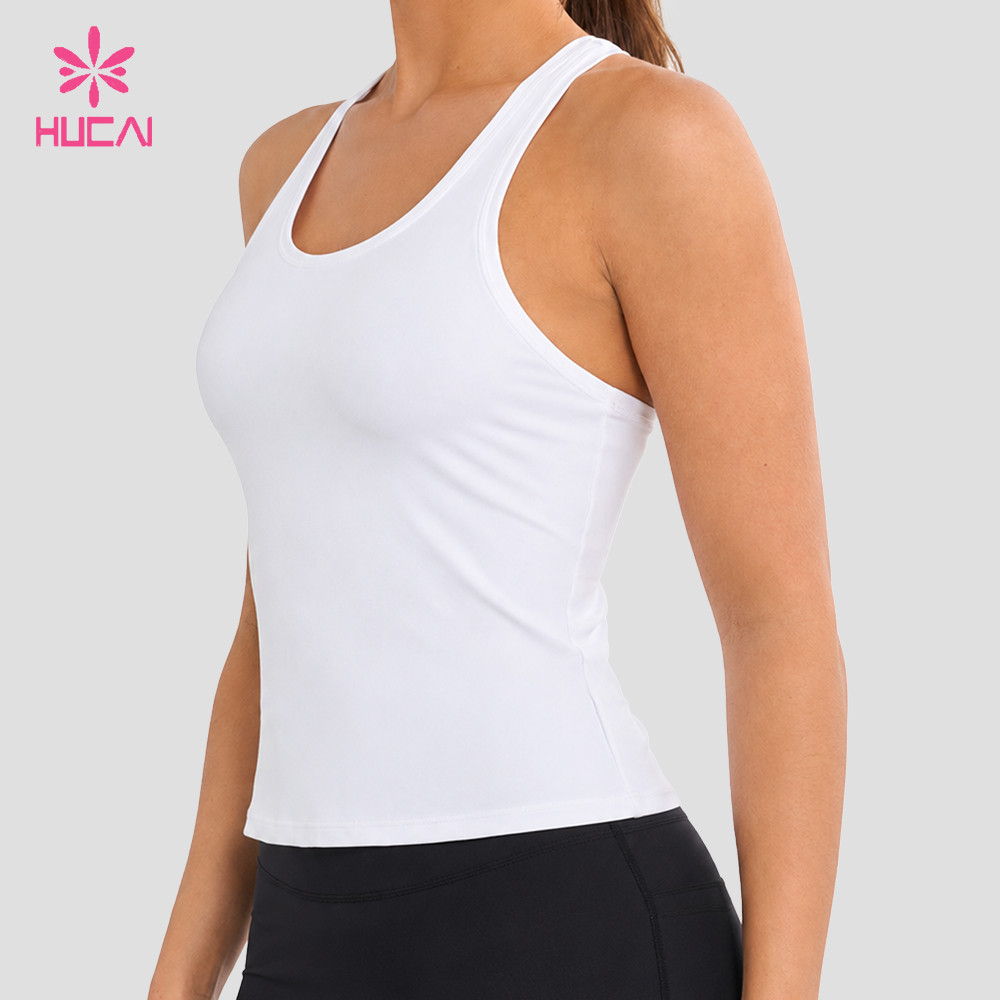
The clearest dividing line is not the fiber name but the sweat load the garment has to handle. For studio, yoga, pilates, everyday wear, and layering under a mid layer, sweat volume is usually moderate and the wearer changes and washes the piece frequently. For running, interval training, and high-sweat sessions, the fabric must move moisture away from skin, dry while worn, and keep its shape between washes.
Cellulosic fibers such as cotton and modal absorb and hold water. They feel soft and dry to the touch at rest, which is exactly what a comfort-led brief wants, but under heavy sweat they can feel heavy and slow to dry, and wet fabric can cling. Synthetic filament blends move moisture along the yarn and dry faster, which is why high-sweat programs usually lean that way; the trade-off is that some constructions hold odour more readily and can feel slicker against skin.
Community and buyer forums are useful here because they surface the complaints that never appear in a spec sheet. Across activewear and fitness communities, wearers commonly report three recurring pain points: cold and heavy fabric under high sweat, cling and chafing along seams in fitted silhouettes, and odour retention in certain synthetic builds. None of these are automatic failures in either fiber family — they are signals of what the brief must test for. A low-sweat direction can prioritise softness and drape, while a cold-weather program may treat the base layer as one element of a larger layering system rather than a standalone performance piece.
Recovery, Durability, and Care: Where the Trade-Offs Appear
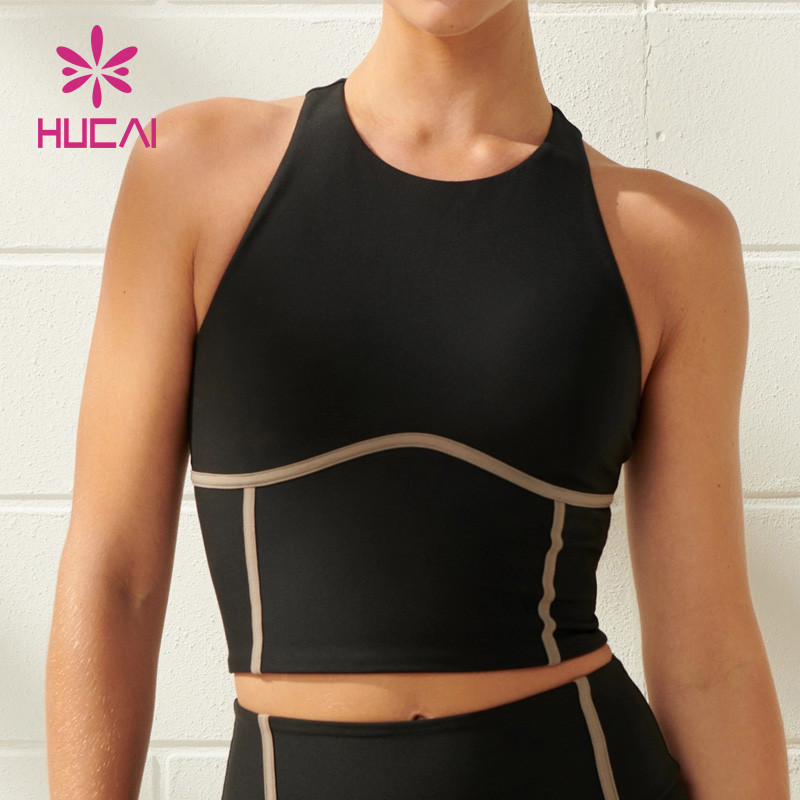
Recovery is the specification most often under-defined. Elastane content, yarn type, and knit structure together determine how a fitted base layer returns to shape after repeated stretch, and a single stretch test at the sample stage does not predict long-wear behaviour. A base layer that measures correctly on day one can still show bagging at the neckline, relaxed top edges, or distorted armholes after a season of wear.
Surface stability is the second exposure. Cellulosic and wool blends can pill or fuzz depending on staple length, blend ratio, and surface finish; performance blends can snag, develop shine, or show snag lines where the fabric rubs against a mid layer or a bag strap. Both outcomes are construction and finishing questions as much as fiber questions.
Care is the third. Wash temperature, drying method, and dimensional change after washing decide whether the piece keeps its size and its hand-feel. Recognised textile testing frameworks such as ASTM, ISO, and AATCC methods give brands a shared language for recovery, dimensional stability, pilling, and colourfastness, but the test conditions and pass criteria have to be written into the brief rather than assumed. At the sample development stage, the practical verification set for either direction is repeated-stretch recovery, wash-and-dry dimensional change against the approved measurement chart, surface change after a defined wash cycle, and colourfastness to wash and to rubbing. In HUCAI Sportswear's sample room these checks are reviewed against the approved measurement chart rather than a single dry reading, because a garment that measures correctly before washing can still drift afterwards.
A caution that applies to both families: do not publish a performance or material claim that the fabric has not been tested for. Moisture management, drying rate, antibacterial function, and recycled content all need documentation before they appear on a product page or a hangtag.
Fit, Weight, and Layering: How Fiber Choice Changes Construction
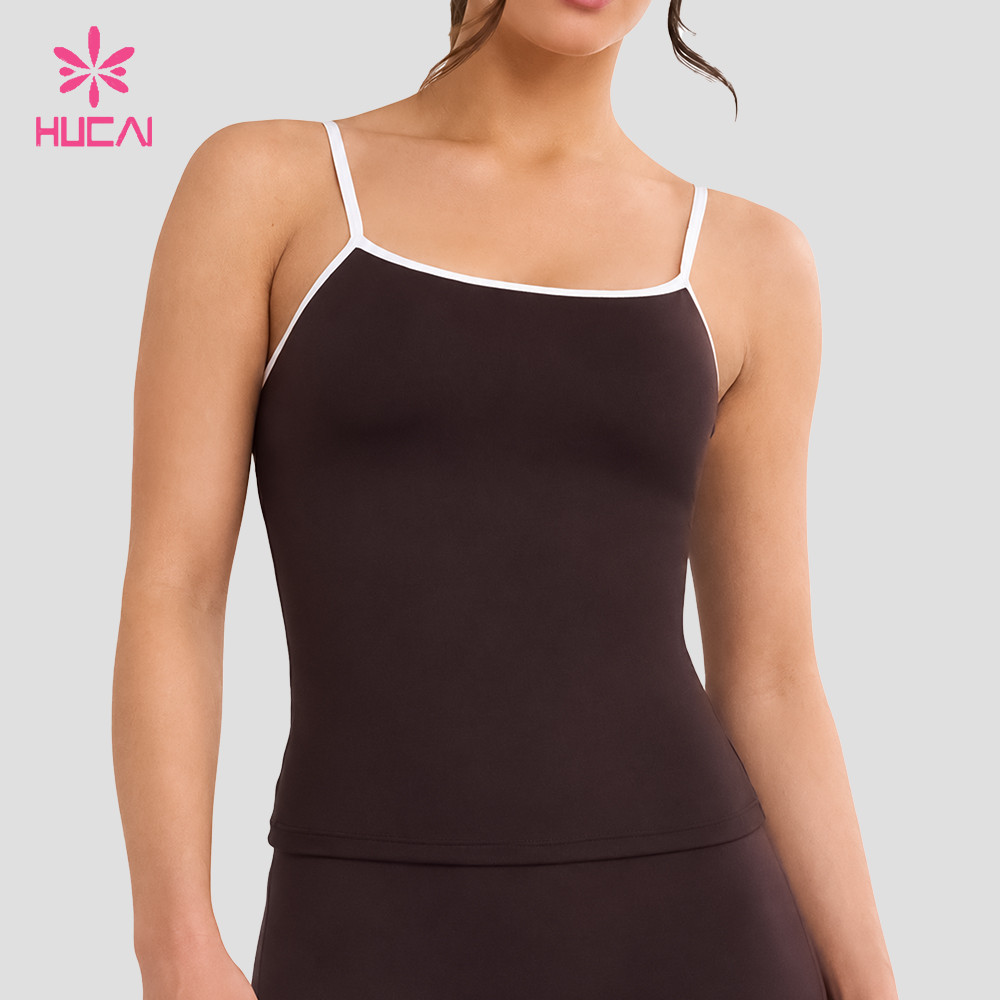
Fiber direction changes the garment's engineering, not just its hand-feel. A heavier cellulosic single knit drapes and reads soft on the body; a lighter synthetic interlock sits closer and relies more on recovery to hold a fitted silhouette. That difference moves the weight band, the stretch direction, the seam placement, and the way the top edge of a fitted tank is stabilised.
Stitch behaviour is where this becomes a manufacturing issue. Higher-elongation knits need balanced stitch and thread tension, otherwise seams pucker under stretch or the thread breaks at the highest points of extension. Heavier seams also add bulk, which matters when a base layer has to sit under a mid layer without creating a visible ridge or restricting movement.
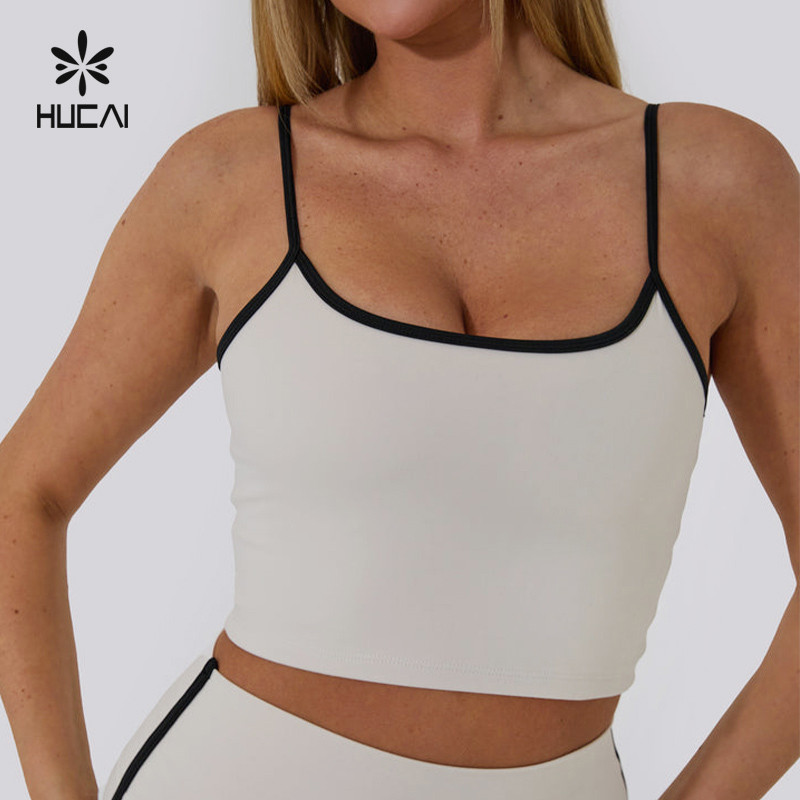
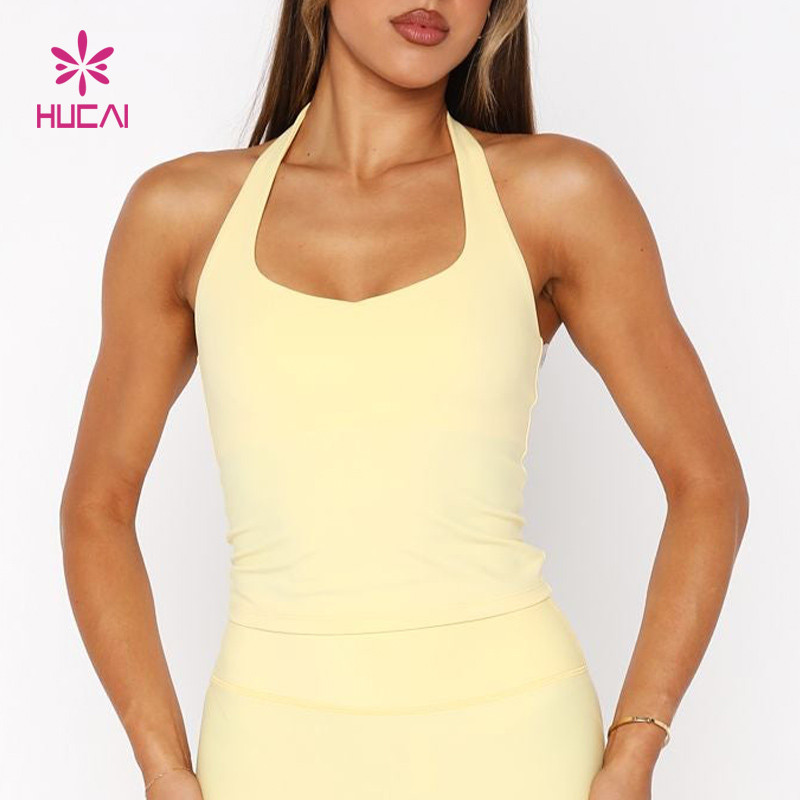
Fitted base layers concentrate risk around three areas: the neckline, the strap or shoulder line, and the top edge or underband. Each depends on the fabric's weight and recovery as much as on the pattern. When a base layer is developed as part of a coordinated set, the same fiber direction and weight band usually need to carry into the bottoms development so the two pieces behave consistently through wash and wear, and so the set reads as one product rather than two.
Cost, MOQ, and Positioning as Commercial Decisions
Material direction is a commercial decision as much as a technical one. The cost structure of a base layer normally moves with fiber price band, yarn and knit complexity, dyeing and finishing route, and the number of colourways carried. Natural-fiber blends can demand more attention to colour consistency and shrinkage control across dye lots; performance blends can demand specific finishing and, in some cases, additional testing before a performance claim is supported.
Volume planning follows the same logic. The current public MOQ starts from 200 pcs per style, while final colour, size, fabric, trim, and customization planning depends on the confirmed project — and MOQ can shift with fabric, colour, size range, logo method, trims, packaging, and construction complexity. A direction with three colourways across a full size range is a different production proposal from a single-core-colour programme. Quotation is reviewed after specifications are confirmed; the factors that affect quotation are worth reading before the brief is frozen, because they reveal where the cost is actually created.
Positioning then decides which direction leads. If the brand story leans on natural comfort and everyday softness, the natural-fiber direction carries the story but must be paired with an honest care message. If the story leans on training performance, the blend direction has to be backed by test evidence rather than adjectives. Private label routes are compatible with both directions — logo, label, trim, packaging, colour, and fabric direction can all be specified, subject to development and quantity review. When a brand needs to compare two directions before committing, HUCAI Sportswear can review fiber direction, weight band, trims, and sample priorities side by side before quotation is finalised.
A Pre-Sampling Checklist for Both Directions
Whichever family the brief selects, the same information should exist before a sample is requested. A complete brief lets the mill quote accurately and lets the sample room build the first prototype against defined conditions rather than assumptions — which is the difference HUCAI Sportswear sees between a one-round sample and a three-round revision cycle.
- Fiber direction and construction: fiber family, blend intention, knit type, weight band, and stretch direction.
- Behaviour targets: opacity, recovery expectation, surface hand-feel, and the activity intensity the piece is built for.
- Care requirements: expected wash routine and the dimensional stability the piece must hold afterwards.
- Measurement chart: confirmed points of measure with tolerances, and the size range to be graded.
- Branding and trims: logo method, label and hangtag placement, and packaging requirements.
- Evidence requirements: which claims will appear publicly and what documentation supports them.
Where that information already exists in a tech pack, the project usually fits an OEM review path. Where the brand is starting from a reference image, a mood direction, or a capsule concept, an ODM development path allows the fiber direction, weight band, fit, and sample priorities to be clarified before bulk planning.
Next step: if the fiber direction is still open, prepare the activity intensity, target care routine, opacity and recovery expectations, and the number of colourways the launch needs. Buyers with a confirmed tech pack can send measurements, fabric requirements, and construction details for OEM review. Buyers working from a reference or an early capsule idea can share the images and the intended use so the fiber direction and sampling priorities are clarified first.
Decision Check: Is the Material Direction Ready for Sampling?
Before requesting samples, confirm the following:
- Activity intensity is defined: the sweat load and the use case the base layer is built for are written into the brief, not implied.
- Fiber direction is specified by family and construction: the brief names the fiber family, knit type, and weight band rather than descriptive adjectives.
- Behaviour targets are measurable: opacity, recovery, and surface hand-feel have a defined expectation and a way to be checked.
- Care and wash expectations are stated: the wash routine and the dimensional stability the piece must hold are agreed before cutting fabric.
- Evidence requirements are listed: every public performance or material claim has a document or test that will support it.
If three or more criteria are confirmed, the direction is ready for a structured sample request. If fewer than three are resolved, additional development planning will reduce sample revision cycles and control cost.
Founder's Technical Insight: Jean Yuan's Development Note
When brands bring us a reference for a soft everyday base layer, the surprise in the sample room is rarely the fiber itself. It is the mismatch between the two faces of the fabric.
Many soft-touch knits are built with a cellulosic face and a synthetic filament or brushed inner face. The two components are dyed and heat-set differently, and if their shrinkage behaviour is not reviewed together, the garment looks correct when it leaves the sample table. After the first home wash, the seam line begins to pucker, the hem ripples, and the top edge of a fitted tank no longer lies flat against the body. The brand sees a fit problem and asks for a pattern change; the actual cause sits in the fabric, the finishing route, and the stitch used to join them.
In my experience, this single cause accounts for a large share of avoidable revision rounds on soft base layers, and it appears in both fiber families. A performance blend with a brushed backer shows the same behaviour when the backer and the face recover at different rates.
What we watch for before bulk yardage is approved, and what a brand's development team can check independently:
- Wash the garment, do not only measure it dry. Seam pucker and hem ripple appear after a defined wash and dry cycle, not on the sample table.
- Review face and back shrinkage together as one specification, not as two separate mill values.
- Match stitch type and thread to the elongation of the knit. A stitch that suits a stable knit can pull or break on a high-stretch one.
- Check top-edge and binding stability on the body after washing, since these are the first places where differential recovery becomes visible.
- Confirm the approved sample is the reference for measurement and workmanship standards before bulk cutting begins.
HUCAI Sportswear handles this through pre-production review, defined in-process checkpoints, and sample-to-bulk consistency control, so a fabric-level risk is identified before it becomes a production-level one.
FAQ
Is a natural fiber base layer or a performance blend better for women's activewear?
Neither is universally better; the right direction depends on sweat load, drying expectation, care routine, and positioning. Natural-fiber blends usually suit low-sweat, everyday, and layering pieces where softness and drape matter most. Performance blends usually suit high-sweat training where moisture movement, faster drying, and recovery carry more weight. Many programs run both, and the decision is portfolio-level rather than a single answer.
What should brands define before sampling a base layer?
Define the fiber family and knit construction, the weight band and stretch direction, the activity intensity the piece is built for, opacity and recovery expectations, the expected care routine, the measurement chart with tolerances, and the branding and trim plan. Each item should be specific enough to be checked, because descriptive words such as soft or breathable cannot be briefed to a mill.
How do natural fiber and performance blend base layers differ in drying and care?
Cellulosic fibers such as cotton and modal absorb and hold water, so they can feel heavier and slower to dry under heavy sweat, while synthetic filament blends move moisture and dry faster. Care expectations follow the same pattern: recovery and dimensional stability after washing need to be tested for either family rather than assumed, and both need a confirmed wash routine written into the brief.
Can a base layer be developed as a blend of natural and performance fibers?
Yes, and blends are common in commercial base layers. A blend gives the brand a way to combine the hand-feel of a natural fiber with the recovery behaviour of a synthetic component. The trade-off is that blend ratio, yarn structure, and finishing all interact, so the behavior of the blended fabric has to be verified in sampling rather than predicted from the fiber list alone.
What is the MOQ for a custom women's base layer?
The current public MOQ starts from 200 pcs per style. Final planning depends on the confirmed project, because fabric, colour, size range, trims, logo method, packaging, and production complexity all affect how a style is scheduled and produced.
How long does base layer sample development usually take?
Sample development usually takes about 10-15 days, depending on style, fabric, trim, logo, revision requirements, and confirmed details. Bulk production often takes about 25-30 days after pre-production details and approvals are confirmed, depending on project scope, materials, processes, quantity, and scheduling.
Can development start from reference images instead of a tech pack?
Yes. Buyers starting from reference images, an early product direction, or a capsule concept can begin with ODM support, then clarify fiber direction, weight band, fit, construction, and sample priorities before bulk planning. Buyers who already have a tech pack, measurements, and construction details usually begin with OEM review instead.
How should certification and recycled material claims be handled?
They should be documented rather than assumed. Current certification information can be reviewed during supplier evaluation based on the project and documentation requirements. Recycled or certified material options can be reviewed based on project requirements and available documentation. Neither claim should appear on a product page or hangtag until the supporting document exists for that specific material.
Final Takeaway
The question is not whether natural fibers or performance blends are the right direction in general, but which conditions the specific base layer has to hold. Define the sweat load, drying and care expectations, opacity and recovery targets, and the evidence required for any public claim — then let the fiber family follow from that brief. Programs that define these conditions before sampling spend fewer rounds correcting fabric-level problems after the fact, and the same brief serves both fiber directions when the collection later expands. The next practical step is to put the conditions on one page and confirm which parts of the brief are still open.
About HUCAI Sportswear
- Founded in 1998, specialising in women's activewear and sportswear manufacturing
- OEM and ODM development support for sports bras, leggings, shorts, tops, and matching sets
- Fabric, trim, pattern, CAD, and sample support to clarify product requirements before bulk production
- Structured sample development and sample-to-bulk consistency control
- AQL 2.5-based inspection integrated into the quality workflow
Current certification information can be reviewed during supplier evaluation based on the project and documentation requirements.