OEM Manufacturer Sportswear Sample Development Process
- Share
- publisher
- ran
- Issue Time
- Mar 5,2026
Summary
See how OEM manufacturers turn sportswear ideas into real samples before production.
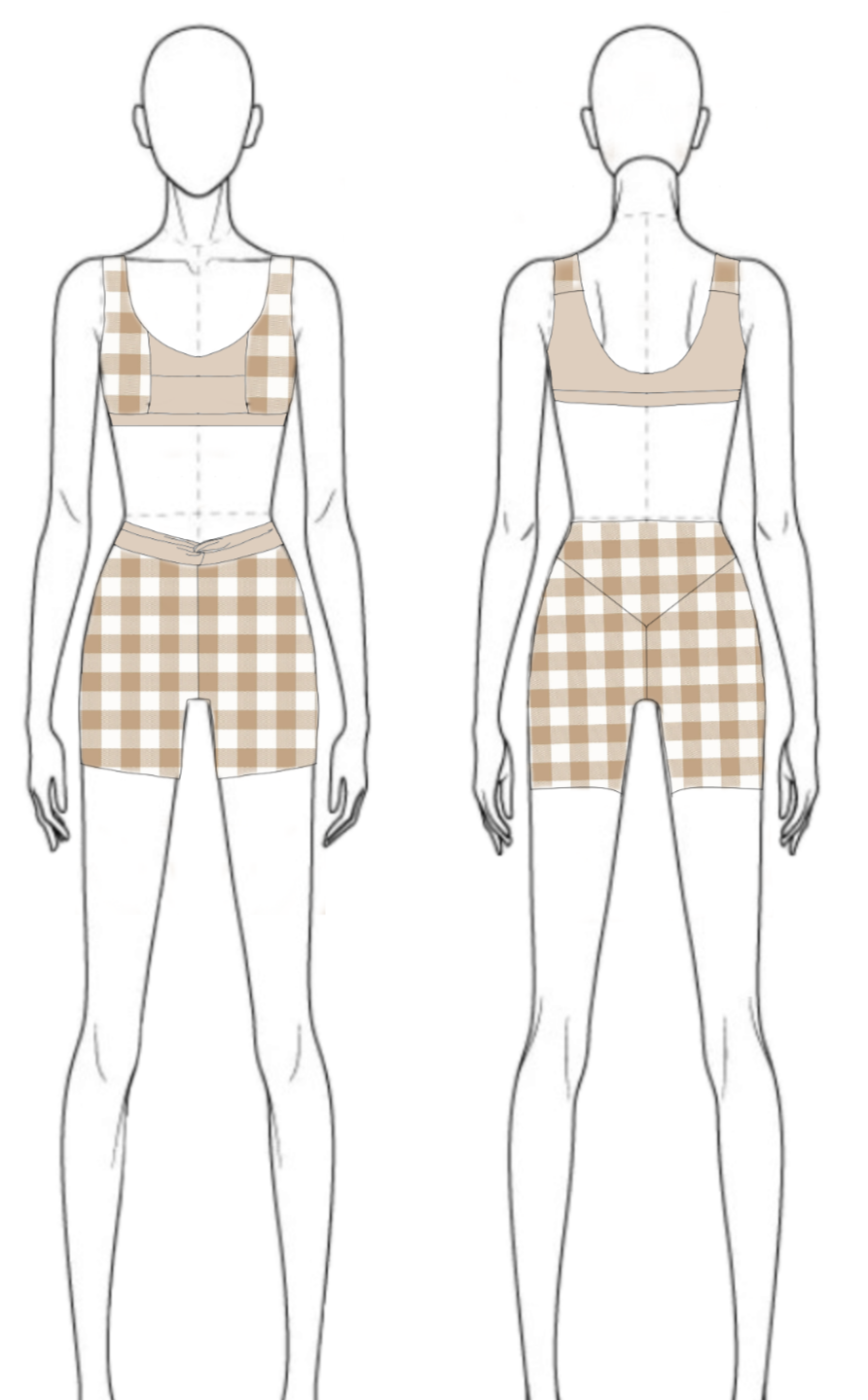
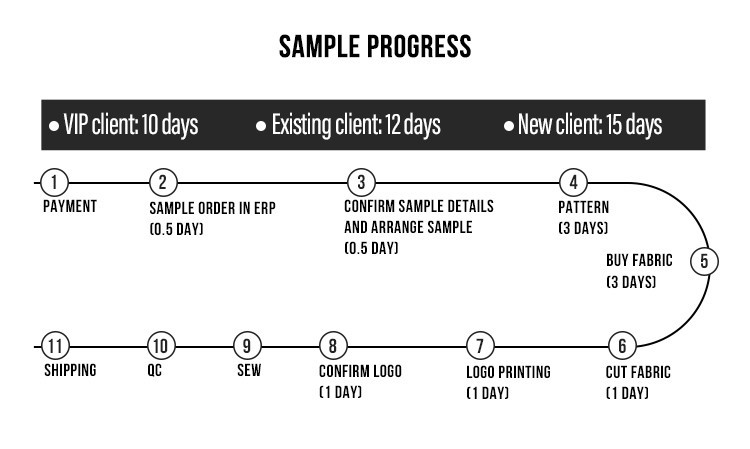
Before a new sportswear product reaches the market, it usually goes through one critical step: sample development. For activewear brands working with an OEM sportswear manufacturer, the sample stage is where a concept begins to take physical shape. A well-developed sample allows brands to check fit, fabric performance, and overall design accuracy before committing to production. Understanding the sportswear sample development process can help brands reduce risk, improve communication with manufacturers, and accelerate product launches.
Step One: Turning a Design Idea into a Technical Blueprint
Every sportswear sample starts with a clear design concept. Most brands provide a tech pack, reference garment, or design sketch that outlines the garment’s measurements, fabric requirements, color details, and branding elements. For an OEM sportswear manufacturer, this information acts as the technical blueprint for product development.
Once the design documents are received, the manufacturer’s development team evaluates whether the design can be produced efficiently. At this stage, they may recommend adjustments related to fabric performance, construction methods, or garment structure. These early discussions are important because they help align the brand’s vision with real production capabilities. A well-prepared tech pack often speeds up the entire sportswear sample development process and reduces unnecessary revisions.
Step Two: Pattern Development and Fabric Selection
After confirming the design specifications, the next phase involves pattern making and material preparation. Pattern technicians translate the technical design into precise garment patterns that define how the product will fit the body. In sportswear, pattern accuracy is especially important because athletic garments must support movement while maintaining comfort.
At the same time, appropriate fabrics are selected according to the performance requirements of the garment. For example, training shirts and running apparel often use lightweight, breathable fabrics that help regulate body temperature during workouts. During this stage, brands may also evaluate fabric stretch, durability, and moisture management. Choosing the right materials early ensures that the sample reflects the intended performance of the final product.
Step Three: Building the First Physical Sample
Once patterns and materials are prepared, the manufacturer produces the first sample garment. Skilled technicians assemble the product according to the design specifications, transforming the concept into a wearable prototype.
This sample allows brands to visually evaluate the product and conduct fit testing. It is common for brands to review the sample carefully and request adjustments. These revisions might involve modifying garment measurements, refining construction details, or improving overall comfort during movement. The sample development stage is therefore an iterative process where design ideas are gradually refined.
Step Four: Refining the Sample Before Production
In most cases, the first sample is not the final version. Brands and manufacturers often work through several rounds of revisions to perfect the product. Each updated sample improves the design by addressing feedback from fit testing, wear trials, or design evaluations.
This step is essential for sportswear products because athletic garments must balance performance, durability, and aesthetics. Once the final sample meets all design and performance expectations, the product can move into pre-production preparation and bulk manufacturing.
The OEM manufacturer sportswear sample development process bridges the gap between a design concept and a production-ready product. Through careful collaboration between brands and manufacturers, prototypes are refined step by step until the final garment meets the desired quality and performance standards.
For sportswear brands planning new collections, understanding how sample development works can make the product development process smoother and more efficient. A well-executed sample stage ultimately leads to better products, more reliable production, and stronger partnerships between brands and OEM manufacturers.
How to contact us
➡️ Contact HUCAI today for your custom outerwear solution and connect with a team committed to premium quality and authenticity.