OEM vs ODM Sportswear: Impact on Cost Structure and Margin Control
- Share
- publisher
- ran
- Issue Time
- Mar 3,2026
Summary
A strategic breakdown of how OEM and ODM models affect cost visibility, margin control, and long-term profitability in premium sportswear.
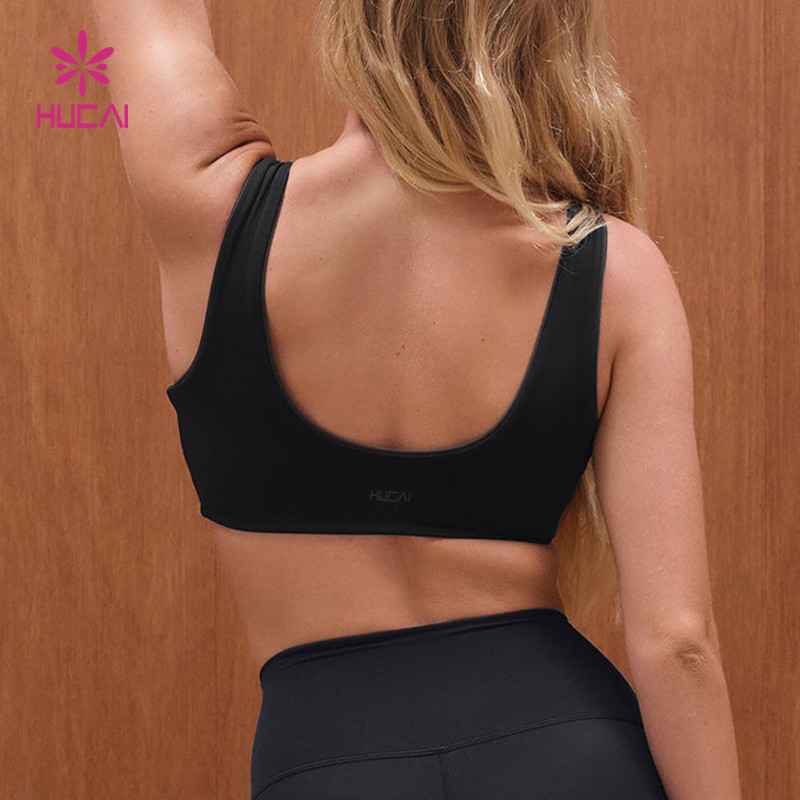
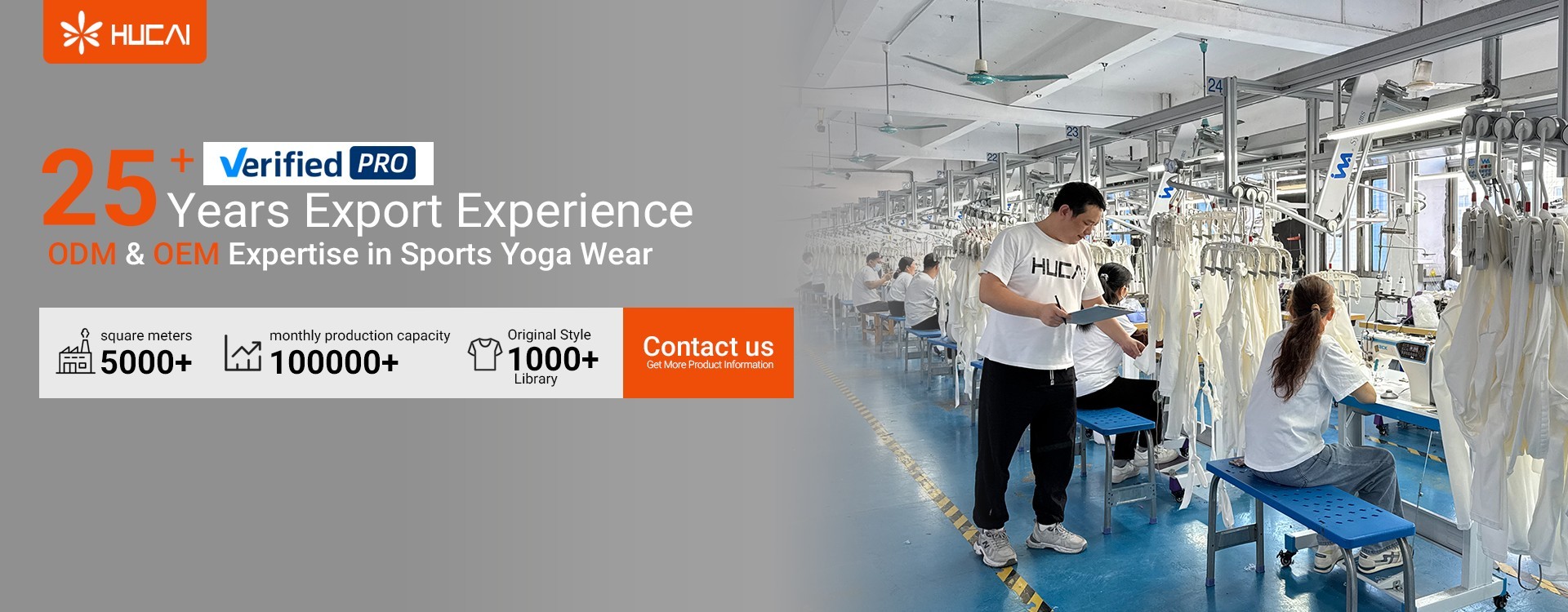
In sportswear manufacturing, margin is rarely lost in a single negotiation—it erodes quietly through structural blind spots. At HUCAI , where digital production tracking and AQL 2.0 inspection standards are embedded into daily operations, we see clearly how OEM and ODM models shape cost control differently. For premium brands, the real question is not production speed, but financial visibility.
Cost Visibility
The distinction between OEM and ODM in sportswear is often framed as a design responsibility issue. In practice, the more consequential difference lies in cost transparency.
ODM simplifies early production. Development frameworks are predefined, material options are streamlined, and sampling cycles move quickly. The structure reduces complexity—but also limits visibility. Fabric sourcing layers, yield efficiency, and construction cost drivers are partially embedded within the supplier’s system.
OEM requires deeper engagement. Patterns, material specifications, grading standards, and testing benchmarks are defined collaboratively. This process exposes cost components more clearly—fabric weight selection, trim quality, sewing complexity, and production tolerance. Visibility does not reduce cost automatically, but it enables informed financial decisions.
Margin Control
Premium margins are rarely protected by single-unit negotiation. They are protected through repeat consistency.
Under ODM, pricing stability often comes at the expense of flexibility. Adjustments in material sourcing, compression standards, or structural refinements may require working within preset cost bands. When raw material prices fluctuate, margin buffers can narrow without clear mechanisms for adjustment.
With OEM, brands influence structural inputs. Control over fabric specification and yield optimization creates room for incremental improvements. Even small adjustments in material sourcing strategy can compound across high-volume SKUs. Margin management becomes deliberate rather than reactive.
Ownership Power
In competitive sportswear markets, comparability compresses pricing power.
ODM models, by design, rely on shared development pools. While modifications are possible, foundational structures may overlap across brands. Over time, differentiation shifts from structural engineering to branding and marketing alone.
OEM restores product ownership. Proprietary fit blocks, customized compression mapping, and exclusive material combinations strengthen defensibility. When a product cannot be easily replicated, price integrity becomes easier to maintain. Ownership reduces substitution risk—and substitution risk directly affects margin durability.
Allocation Strategy
For many mid-to-high-end sportswear brands, the decision is not absolute. ODM can support experimental capsules or short-lifecycle products. OEM should anchor core identity pieces—the leggings, bras, and performance layers that generate repeat revenue.
The objective is alignment. High-repeat SKUs require manufacturing structures that maximize cost visibility and structural control. Peripheral products can tolerate speed-oriented frameworks.
Sustainable profitability in sportswear is not achieved through aggressive pricing alone. It is built through manufacturing decisions that reinforce margin discipline over time.
How to contact us
➡️ Contact HUCAI today for your custom outerwear solution and connect with a team committed to premium quality and authenticity.