OEM vs ODM Sportswear: Vary in Each Brand Stage
- Share
- publisher
- ran
- Issue Time
- Mar 2,2026
Summary
OEM vs ODM affects control, consistency, and long-term brand authority in premium sportswear.
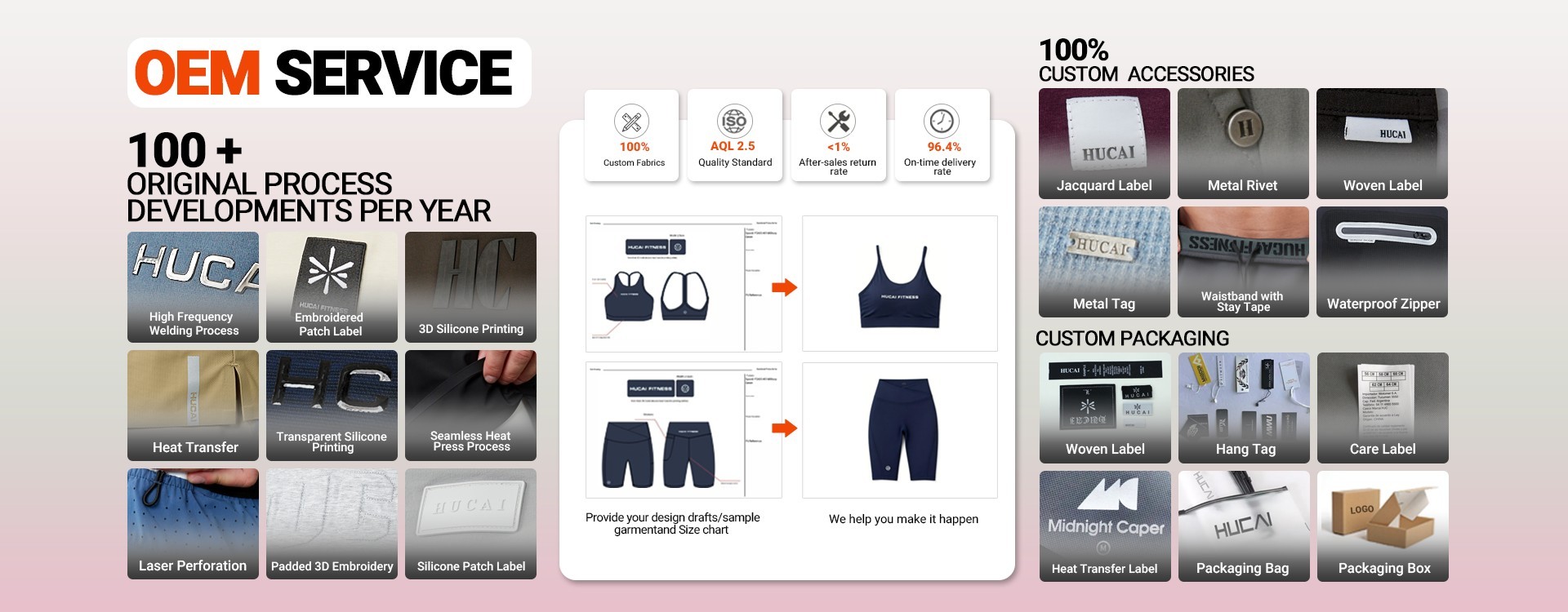
Manufacturing models are often discussed as operational choices. In reality, they shape brand authority. As sportswear labels grow, the decision between OEM and ODM stops being about convenience and starts influencing structural control, product consistency, and long-term positioning.
Different Brand Stages, Different OEM Challenges
Every sportswear brand eventually reaches a point where manufacturing decisions influence brand credibility. Early-stage brands confront feasibility and cost alignment. Growth-stage brands encounter scaling pressure. Mid- to high-end brands face a different reality: structural stability becomes inseparable from brand equity. The manufacturing model must evolve as the brand matures.
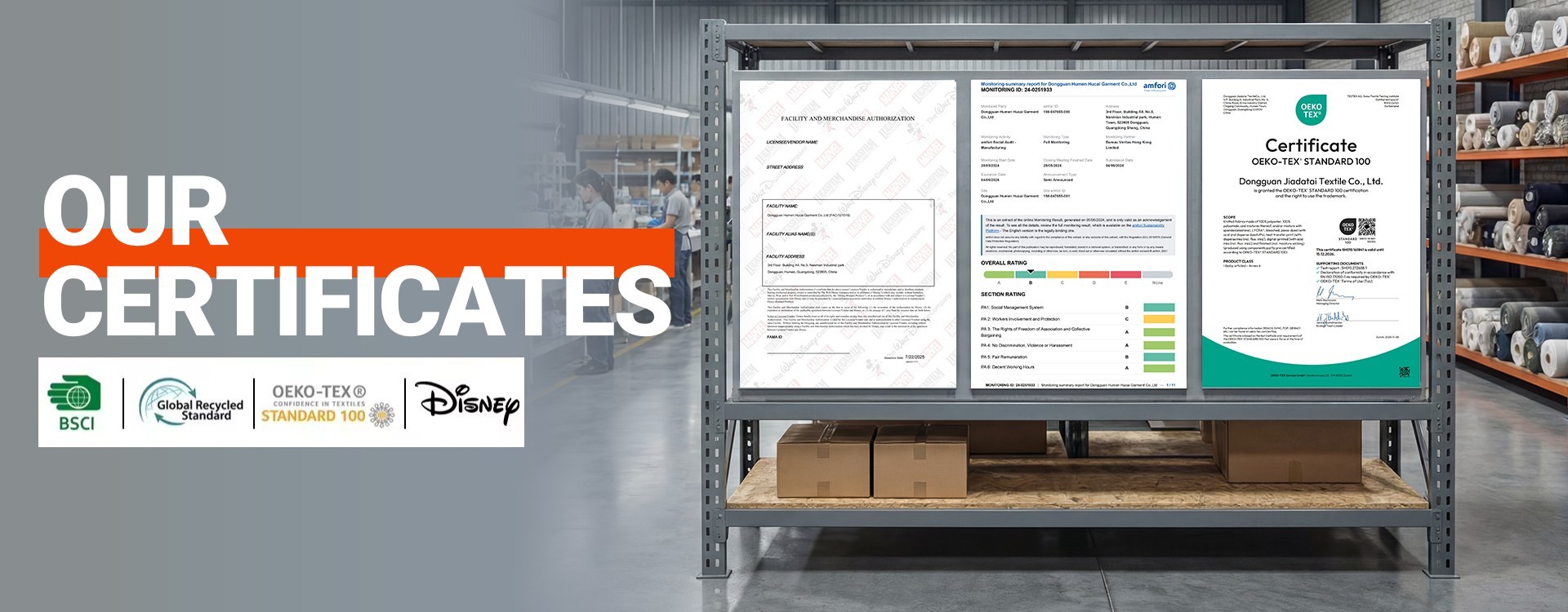
Cooperated with numerous premiumbrands, HUCAI is rooted clearly in our position, aiming at Flexible Moq to serve our customers to make it in the rapidly changing market, and keep stable production chains to achieve zero-error cooperation.
For Emerging Brands: Build Structure Before Expanding
In early collaborations, misalignment usually appears in planning rather than execution. Brands move from concept to sampling without clarifying grading standards, MOQ expectations, or long-term silhouette strategy. Product lines expand faster than production discipline. The most effective approach is structured collaboration with the OEM partner—mapping a realistic roadmap, identifying core pieces, and refining gradually. Early control prevents later instability.
For Mid-to-High-End Brands: The Risk Is Not Failure—It’s Drift
For established brands, the danger is rarely a dramatic production breakdown. It is gradual drift.
-A waistband feels slightly different in a restock.
-A fabric batch behaves marginally softer.
-A size run shifts within acceptable tolerance but outside brand expectation.
Individually, these are manageable. Collectively, they dilute product authority.
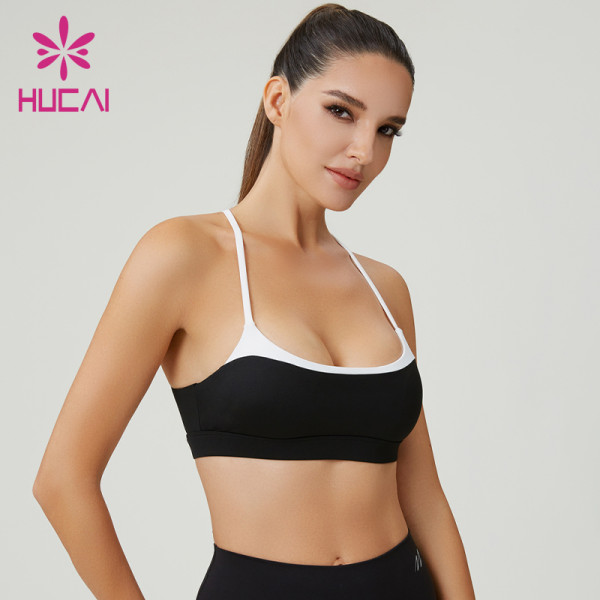
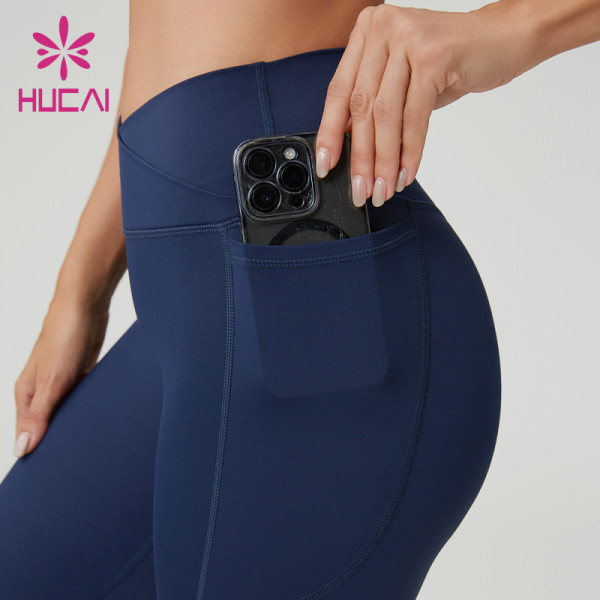
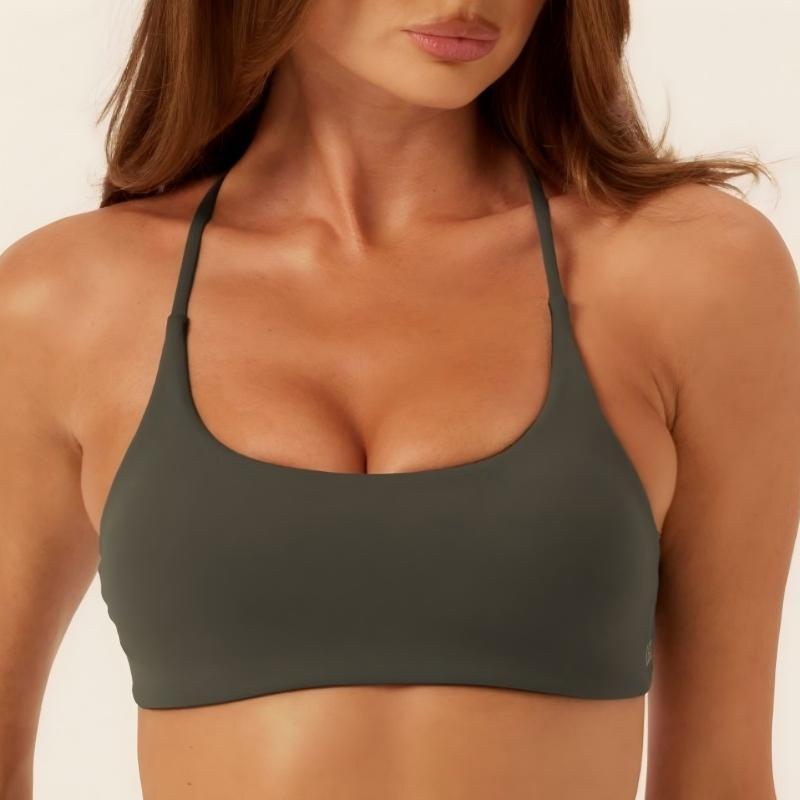
At this stage, the question shifts from “Can the factory produce this?” to “Can the system protect this structure over time?” Premium positioning depends on repetition without erosion. If leggings are a core revenue driver, their compression profile cannot subtly change between seasons. If bras define silhouette identity, grading precision must remain stable across color extensions.
This is where OEM becomes strategic. Not because it is exclusive—but because it allows deeper control over pattern ownership, material specification, and inspection standards.
Optimization Before Replacement: Strengthening the Manufacturing Framework
Mid-to-high-end brands often respond to instability by considering supplier replacement. Yet frequent factory changes introduce new learning curves and rarely solve structural ambiguity.
A more effective strategy begins internally:
-Re-examine technical documentation depth.
-Standardize fabric platforms across categories.
-Tighten tolerance alignment between brand expectation and factory capability.
-Reinforce inspection protocols that reflect premium positioning.
The objective is not simply to "fix issues", but to reinforce manufacturing infrastructure.
ODM remains useful for peripheral or seasonal pieces. OEM becomes essential for core identity products. The transition is not about changing vendors—it is about increasing structural ownership.
In premium sportswear, consistency is not operational detail. It is brand currency.
How to contact us
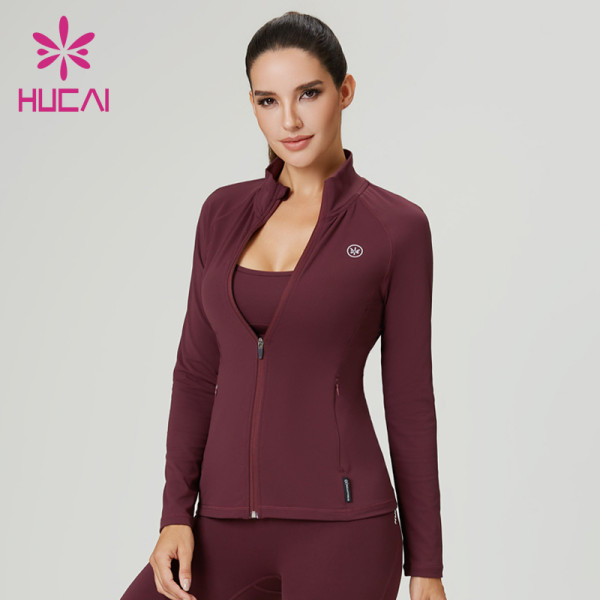
➡️ Contact HUCAI today for your custom outerwear solution and connect with a team committed to premium quality and authenticity.