What Activewear Brands Should Know Before Developing Hybrid Training Apparel for Strength and Endurance
- Share
- Issue Time
- May 18,2026
Summary
Learn how activewear brands can develop hybrid training apparel for strength and endurance workouts, with guidance on support, compression, fabric recovery, sweat control, sample review, and OEM / ODM planning.
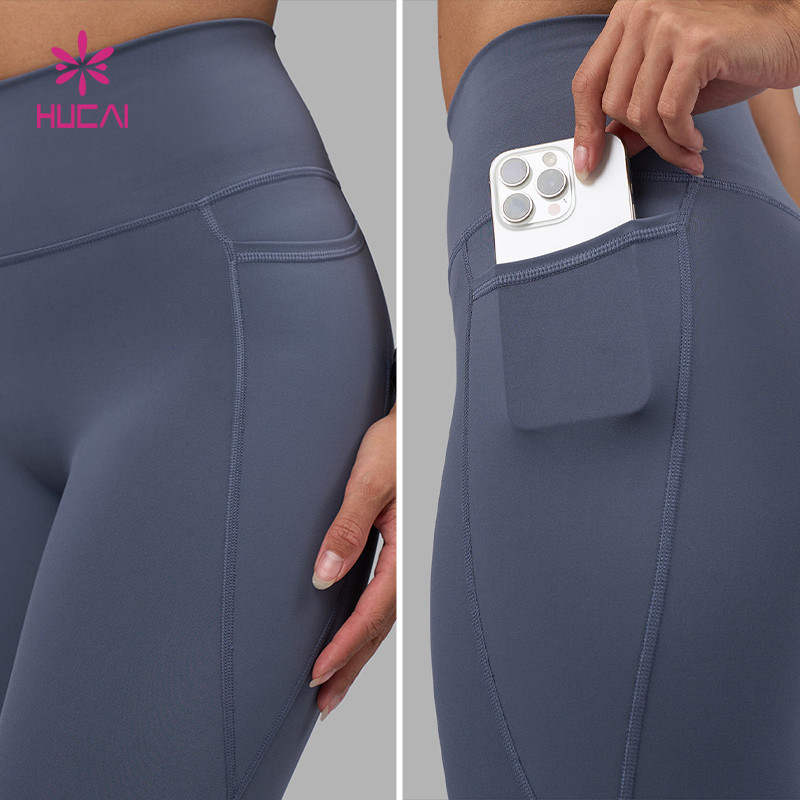
Hybrid training apparel should not be developed as generic gym wear with a performance label. For private label activewear brands, custom women's activewear projects, and OEM / ODM development, strength-and-endurance workouts create different product demands across sports bras, leggings, shorts, tanks, and light layers. Support, compression, sweat control, fabric recovery, abrasion resistance, and range of motion should be reviewed before the first sample round.
As a women's activewear manufacturer, hucai sportswear helps brands evaluate hybrid training apparel from a product development perspective, not only a styling perspective. The goal is to define what each product must do during strength work, conditioning, running intervals, mobility, and gym-to-run movement before the project moves into sample planning and bulk production.
Quick Answer
Hybrid training apparel is activewear developed for mixed workout sessions that may include strength training, endurance work, conditioning, mobility, and gym-to-run movement. It needs more support and durability than soft studio wear, but more breathability and movement flexibility than heavy compression-only gym apparel.
For activewear brands, the key is to define the training scenario first. A hybrid training capsule may include a medium-support or high-support sports bra, compression leggings, training shorts, breathable tanks or T-shirts, and one light layer. Each product should have a clear development role before sampling begins.
Why Hybrid Training Apparel Needs Different Development Logic
Hybrid training is different from single-scenario activewear. One workout may include squats, lunges, rowing, treadmill intervals, conditioning circuits, mobility work, and short endurance blocks. This creates different product demands from yoga, running-only apparel, or everyday athleisure.
Yoga-focused apparel often prioritizes softness, stretch, and low-friction comfort. Running apparel may prioritize lightness, breathability, and secure storage. Strength training apparel often needs support, compression, durability, and stability. Hybrid training combines parts of all these needs, which makes development more complex.
For women's activewear brands, hybrid training apparel should balance support, compression, sweat control, range of motion, abrasion resistance, and comfort. If one of these areas is ignored, the product may look right but fail during real movement.
This is why a hybrid training capsule should be developed as a product system, not a group of random gym styles.
Who This Article Is For
This article is mainly for growing activewear brands and private label buyers planning a women's hybrid training capsule for strength, endurance, conditioning, or gym-to-run workouts.
- Growing brands expanding from yoga, studio, or athleisure into training wear.
- Private label buyers planning sports bras, leggings, shorts, tanks, and light layers together.
- Startup brands building a performance-aware first capsule with a focused product mix.
- Established brands reviewing support, compression, fabric recovery, and sample-to-bulk consistency.
- Brands with reference images that still need ODM support to clarify product roles before sampling.
It is less suitable for brands only developing lounge wear, recovery wear, fully technical marathon apparel, or single-SKU low-price sourcing with no fabric or fit review.
What This Guide Helps You Decide
Product Role
Clarify what each style should do inside the capsule, from support and compression to sweat control, mobility, and light layering.
Fabric and Fit Direction
Understand how compression, breathability, recovery, opacity, and durability affect sports bras, leggings, shorts, tops, and layers differently.
Sample Planning
Know what should be reviewed before moving from reference images or tech packs into sample development and bulk planning.
1. Define the Training Scenario Before Choosing Products
The first step is not choosing the product list. The first step is defining the workout scenario.
A hybrid training capsule can mean different things depending on the brand:
- Strength training plus treadmill intervals
- Conditioning circuits with squats, lunges, and jumps
- Gym-to-run movement for indoor and outdoor sessions
- Functional fitness programs that combine equipment work and endurance blocks
- Active living products that still need stronger performance logic
These scenarios do not need the same product structure. A gym-to-run capsule may need breathable tops, stable waistbands, and lighter bottoms. A strength-conditioning capsule may need stronger compression, abrasion resistance, squat coverage, and more secure sports bra support.
When the training scenario is unclear, the sample direction becomes unclear. The brand may approve a style visually, but later discover that the bra is not supportive enough, the leggings restrict movement, or the tank clings too much after sweat.
Brands planning a broader training program can review related category and manufacturer positioning through custom fitness clothing development.
2. Core Product Roles in a Hybrid Training Capsule
A hybrid training capsule should not be built by combining random gym products. Each style should solve a specific training problem.
Medium-Support or High-Support Sports Bra
The sports bra controls the support story of the capsule. For hybrid training, it usually needs more stability than a soft yoga bra because workouts may include running intervals, jumps, strength work, and conditioning movement.
Key development points include underband tension, strap width, neckline coverage, pad structure, fabric recovery, breathability, and support level. Some capsules may work with medium support, while others need a more structured high-support design.
Brands can explore related product options through custom sports bra development.
Compression Training Leggings
Leggings for hybrid training should balance compression, mobility, opacity, and recovery. They need enough hold for strength movements, but they should not become too stiff for lunges, running intervals, or conditioning work.
Waistband stability is especially important. A waistband that feels fine during standing photos may roll, slide, or dig in during squats, jumps, or running blocks.
If leggings are part of the project, the brand should review fabric behavior, rise, waistband construction, inseam, pocket needs, squat coverage, and sample fitting. Related category options can be reviewed through custom training leggings.
Training Shorts
Shorts are useful for warm-weather training, gym circuits, and hybrid workouts. They may be simple training shorts, bike-short inspired bottoms, or shorts with a stable waistband and pocket function.
Key checks include leg opening, liner needs, pocket placement, waistband support, shell fabric, stretch recovery, and whether the short is designed more for gym movement or gym-to-run crossover.
Brands developing this product path can review custom training shorts.
Performance Tank Tops and Training T-Shirts
Tops should be developed around breathability, sweat control, shoulder mobility, and layering with sports bras. A tank that looks clean on a model may still restrict upper-body movement if armhole, strap placement, fabric weight, or back structure are not considered.
For hybrid training, tops should reduce cling, support repeated motion, and work with both strength and endurance blocks. Fabric handfeel matters, but sweat behavior and range of motion matter just as much.
Light Training Layer
A light layer can make the capsule more complete for warm-up, cooldown, commute, or transitional activewear use. It should stay low-bulk and breathable, and it should pair naturally with the sports bra, tank, leggings, or shorts.
3. Fabric Strategy: Support, Breathability, Recovery, and Durability
Fabric strategy is one of the most important parts of hybrid training apparel development. One fabric direction rarely works equally well across sports bras, leggings, shorts, tops, and light layers.
Support and Compression Fabric
Sports bras, compression leggings, and high-waist shorts may need medium-to-firm compression fabrics with strong recovery, opacity, and stable stretch.
The goal is not simply to make the product tight. The goal is to provide support without blocking movement. Too much compression can reduce comfort, especially in products designed for mixed training, conditioning, or active living crossover.
Breathable Sweat-Control Fabric
Tanks, T-shirts, and some inner panels usually need lighter moisture-management fabrics. Strength and endurance sessions create more sweat and repeated movement than lifestyle wear, so tops need breathability, mobility, and reduced cling.
Durable Stretch Fabric
Hybrid training can include floor work, equipment contact, repeated squats, lunges, and high-friction movements. For leggings and shorts, fabric durability and recovery matter as much as softness.
Brands that are still comparing compression, breathability, recovery, opacity, and durability can review fabric selection for training wear before finalizing sample direction.
4. Fit and Construction Details That Affect Real Training Use
Hybrid training apparel should be evaluated through movement. Fit that looks correct in static images may still fail when the wearer squats, jumps, runs, bends, lifts, or sweats.
Sports Bra Support and Strap Stability
Underband tension, strap width, neckline, coverage, and fabric recovery all affect support. A bra that feels soft during a try-on may not provide enough control during running intervals or dynamic conditioning.
Waistband Control in Leggings and Shorts
Waistband control affects confidence and comfort. The waistband should stay secure without digging in. It should support movement across squats, lunges, jumps, and short endurance blocks.
Squat Coverage and Opacity
Hybrid training leggings need reliable coverage during deep movement. Fabric opacity, stretch direction, pattern placement, and color choice can all affect whether the garment feels secure during strength work.
Range of Motion for Tops
Tanks and training T-shirts should support shoulder movement, arm lift, rotation, and sweat-heavy sessions. Armhole shape, back design, neckline, fabric weight, and seam placement all influence movement comfort.
Seam Comfort and Durability
Repeated movement creates stress on seams. Construction should be reviewed around high-friction and high-stretch zones such as crotch seams, waistbands, underbands, side seams, and armholes.
Decision Check Before Developing Hybrid Training Apparel
Before starting the first sample round, brands should confirm the following points. These decisions help reduce unclear sampling, repeated revisions, and product-role confusion.
- Training Scenario: Is the capsule for strength training, endurance movement, conditioning, gym-to-run use, or active living crossover?
- Sports Bra Support: Should the bra be medium support, high support, or activity-specific?
- Leggings Priority: Should leggings prioritize compression, mobility, squat coverage, or all-day comfort?
- Shorts Function: Are the shorts for gym circuits, running intervals, warm-weather training, or travel-ready active use?
- Top Structure: Does the top need more shoulder mobility, sweat control, coverage, or layering compatibility?
- Fabric Role: Which products need compression, breathability, durability, softness, or stronger recovery?
- Development Path: Is the project ready for OEM execution, or does it need ODM planning first?
Planning a Hybrid Training Capsule?
If you are developing a training capsule from reference images, product ideas, or tech packs, start by clarifying the workout scenario and product roles before adding more styles.
Share your product mix, support needs, leggings direction, shorts structure, fabric preference, sample goals, or MOQ questions. hucai sportswear can help review whether your project is better suited for ODM development support or OEM activewear manufacturing.
Manufacturer Insight: The Common Mistake Is Treating Hybrid Training Apparel as Generic Gym Wear
A common failure pattern in hybrid training apparel development is starting with visual gym references but not defining the actual workout demand.
The brand may choose a supportive-looking sports bra, sculpting leggings, training shorts, and a tank top, but the first sample may still fail in movement. The bra may not control bounce. The leggings may be too stiff for conditioning. The waistband may roll during squats. The tank may cling after sweat. The shorts may not provide enough coverage during gym-to-run movement.
This happens when product roles are not defined before sampling. Hybrid training apparel should be reviewed by movement requirement, not only by appearance.
At hucai sportswear, sample-to-bulk coordination starts from approved product details. Once support level, fabric direction, measurements, construction, and sample comments are confirmed, pre-production review, AQL 2.5-based quality checkpoints, and MES / ERP-supported tracking help improve coordination from sample approval to bulk follow-up.
These systems do not replace product development decisions. They help the team follow confirmed details more clearly after the right decisions are made.
FAQ: Hybrid Training Apparel Development
1. What is hybrid training apparel?
Hybrid training apparel is activewear developed for mixed workout sessions that combine strength training, endurance work, conditioning, and mobility. It usually needs more support and durability than soft studio wear, but more breathability and movement flexibility than heavy compression-only gym wear. For brands, the key is to define the training scenario before sampling so sports bras, leggings, shorts, tops, and layers are developed around clear product roles.
2. What products should a hybrid training capsule include?
A hybrid training capsule usually includes a medium-support or high-support sports bra, compression leggings, training shorts, a breathable tank or T-shirt, and one light training layer. The final mix depends on whether the brand is targeting strength training, gym-to-run sessions, conditioning, or active living crossover. A focused first capsule is often easier to sample and evaluate than launching too many unrelated training styles at once.
3. How should brands choose sports bra support for hybrid training?
Sports bra support should be chosen according to workout intensity, movement range, body coverage, and target customer needs. Hybrid training often needs more stability than yoga or studio movement because workouts may include jumps, running intervals, strength work, and conditioning. Brands should review underband tension, strap width, neckline, coverage, padding structure, and fabric recovery before approving the first sample.
4. What fabric is suitable for hybrid training leggings?
Hybrid training leggings usually need a balance of compression, stretch recovery, opacity, breathability, and abrasion resistance. The fabric should support squats, lunges, running intervals, and repeated movement without becoming too stiff or losing shape too quickly. Brands should review waistband stability, squat coverage, fabric recovery, and seam behavior during the sample stage instead of judging the legging only by handfeel.
5. Should hybrid training apparel use compression fabric?
Compression fabric can be useful in hybrid training apparel, but it should be matched to the product role. Leggings and sports bras may need stronger compression and recovery, while tanks and T-shirts usually need lighter, more breathable fabrics. Too much compression can reduce comfort and range of motion, especially in products designed for conditioning, gym-to-run movement, or active living crossover.
6. What is the MOQ for custom hybrid training apparel?
The current public-facing MOQ is from 100 pcs / style. For a hybrid training capsule, final order planning depends on the number of styles, colors, sizes, fabric roles, trims, logo methods, and whether the brand is developing one hero product or a multi-style training edit. Before quoting, it is useful to confirm the target workout scenario, product mix, and sample priorities.
7. Is this direction better for OEM or ODM development?
This direction can work for both OEM and ODM. OEM is better when the brand already has tech packs, confirmed measurements, fabric requirements, and construction details. ODM is better when the brand has a training theme, reference images, or product ideas but still needs help defining product roles, support levels, fabric direction, and capsule structure. Many growing brands start with ODM discussion before moving into more detailed OEM execution.
8. What should brands check during hybrid training sample fitting?
Hybrid training sample fitting should check sports bra support, waistband stability, squat coverage, fabric recovery, shoulder movement, seam comfort, sweat behavior, and overall mobility. The sample should not only be judged by appearance. For strength and endurance workouts, the key question is whether the garment stays stable, breathable, and comfortable through repeated movement and different training positions.
Final Takeaway
Hybrid training apparel should be developed around real training demands, not generic gym styling.
The strongest capsules usually come from clear decisions around training scenario, sports bra support, leggings compression, shorts function, top mobility, fabric recovery, sweat control, and sample review priorities. When these details are confirmed early, brands can reduce avoidable revisions and build a more commercially useful training apparel direction.