What Should You Know To Choose Sportswear Supplier
- Share
- publisher
- ran
- Issue Time
- Mar 17,2026
Summary
4 trends in 2026 sportswear market, here is a comprehensive introduction of these trends.
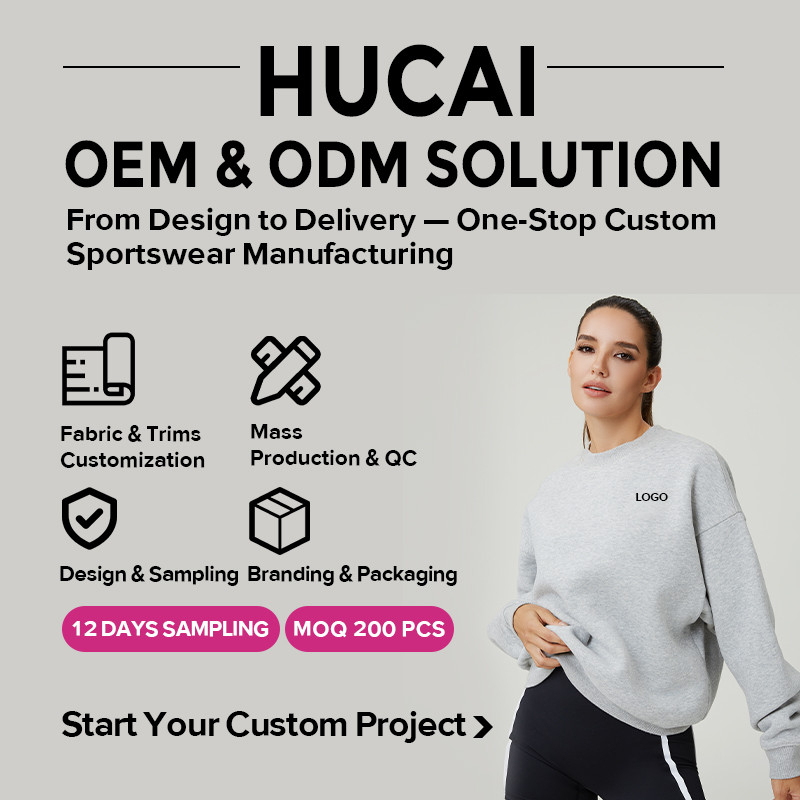
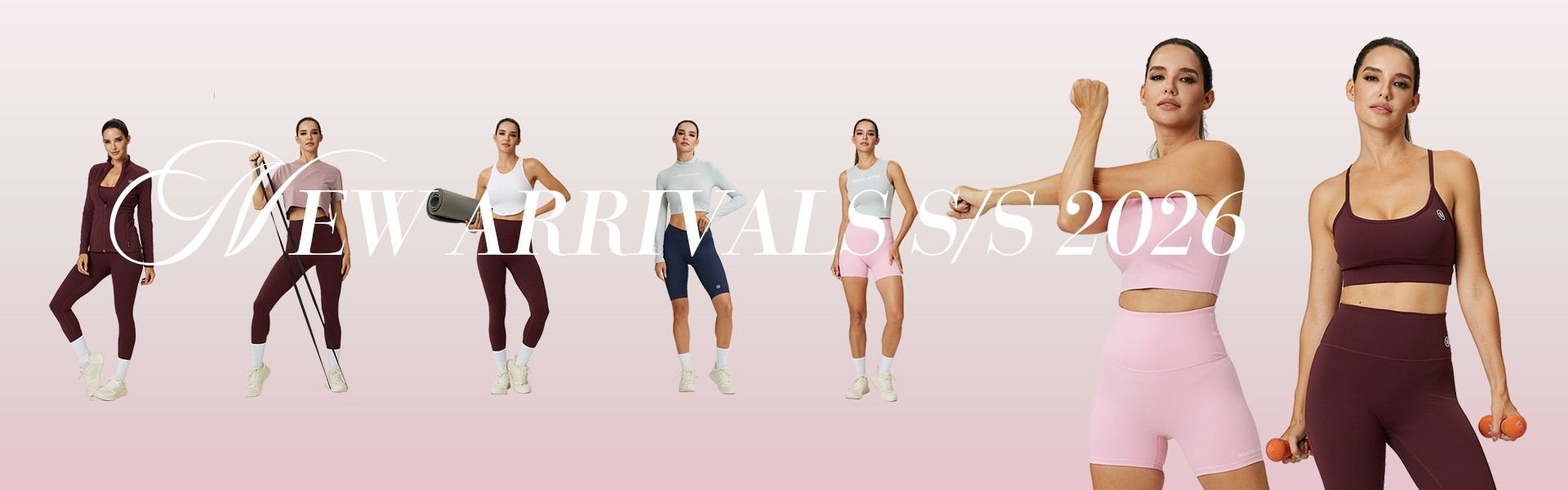
The sportswear market in 2026 is no longer driven by price or fast fashion, but by performance, premium positioning, and supply chain reliability.
Trend 1: Athleisure Is Moving Toward Premium
Athleisure hasn't slowed down—it’s just becoming more refined. In the EU and US markets, brands are moving away from logo-heavy, trend-driven pieces toward cleaner silhouettes and higher-quality fabrics. Consumers are choosing items they can wear across more scenarios, not just the gym.
For brands, this shift changes how products are developed. Premium athleisure leaves less room for inconsistency. Fabric feel, fit accuracy, and finishing details become more visible. That's why many brands are now looking for a sportswear OEM manufacturer that can deliver more controlled production and better material selection, rather than just low-cost output.
Trend 2: Performance Is Becoming the Baseline
In 2026, “looking like sportswear” is no longer enough. Products are expected to actually perform. Stretch recovery, breathability, durability, and comfort under movement are becoming basic expectations rather than added value.
This shift is pushing brands to rethink how they work with a custom sportswear manufacturer. It’s no longer just about making a design—it’s about understanding how that design behaves in real use. Manufacturers with experience in performance fabrics and testing are becoming more important, especially for brands targeting mid-to-high-end positioning.
Trend 3: Minimalist Luxury Athleisure Is Defining the Aesthetic
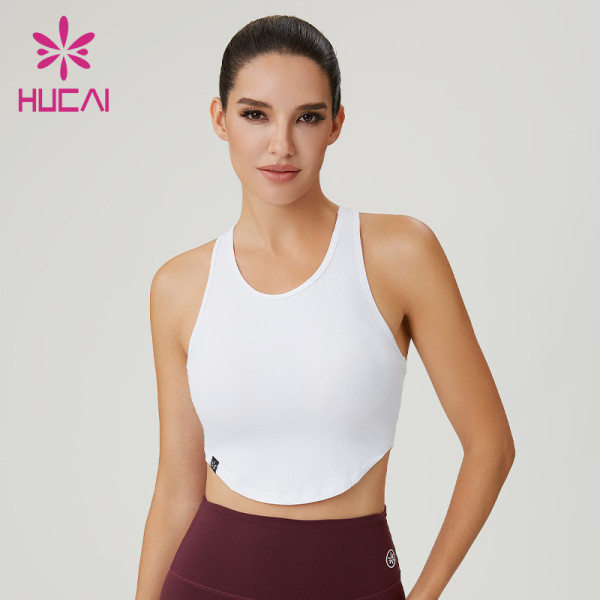
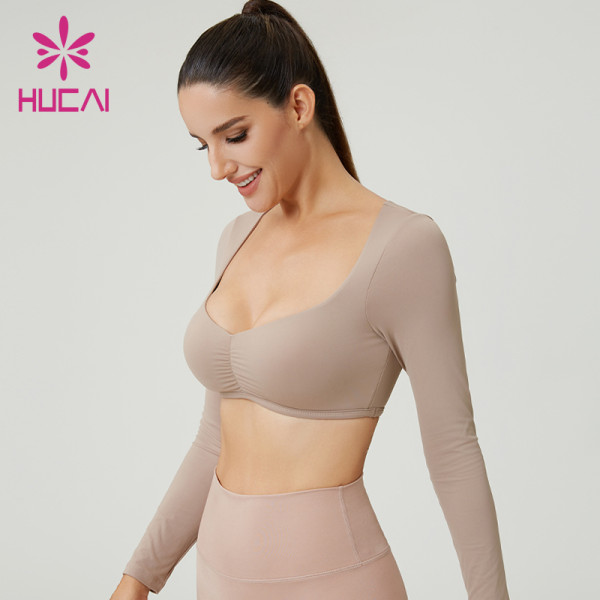
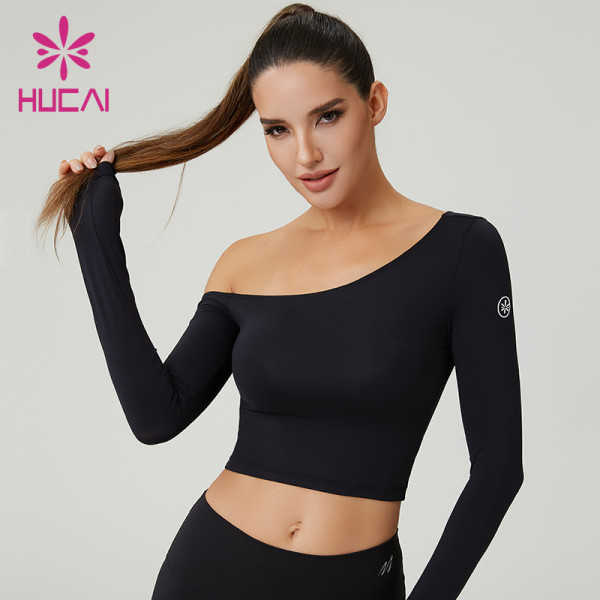
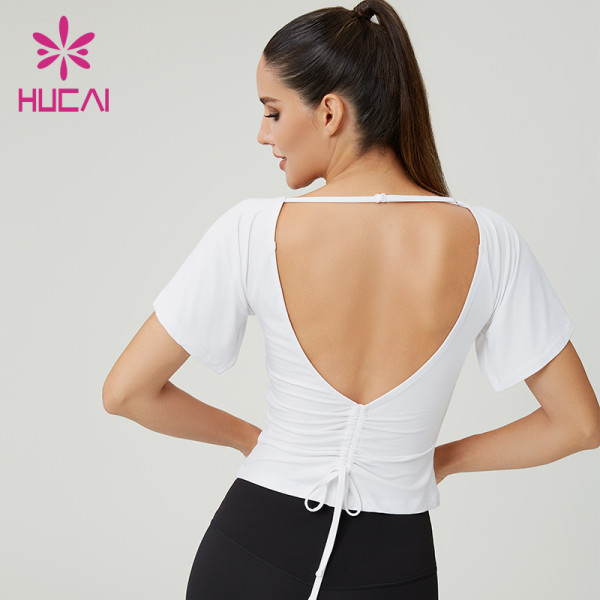
A clear visual direction is emerging across the sportswear market: minimalist, neutral, and quietly premium. Black, white, and earth tones dominate. Designs are simpler, but materials and construction are more considered.
This type of product is harder to execute than it looks. Without heavy graphics or decoration, every detail is exposed—cut, stitching, fabric texture, and drape. For brands, that means working with a sportswear OEM manufacturer that can maintain consistency at a higher standard. In this segment, small differences in execution can directly affect how “premium” the product feels.
Trend 4: Speed-to-Market Is Under Pressure
The pace of sportswear trends is accelerating, but development timelines don't always follow. Brands are under pressure to react faster—launching new styles, testing products, and adjusting collections in shorter cycles.
This is where manufacturing capability becomes critical. A responsive custom sportswear manufacturer can shorten sampling time, improve communication, and reduce delays between revisions. For many brands, speed is no longer just about production—it’s about how quickly a manufacturer can move from idea to wearable product without losing quality along the way.
How to contact us
➡️ Contact HUCAI today for your custom outerwear solution and connect with a team committed to premium quality and authenticity.