When “No Dig-In” Becomes a Manufacturing Stress Test
- Share
- publisher
- ran
- Issue Time
- Jan 28,2026
Summary
The rise of “no dig-in” expectations exposes a hidden truth. For a Sportswear Manufacturer, edge comfort is not a design trick—it’s a long-term stability problem.
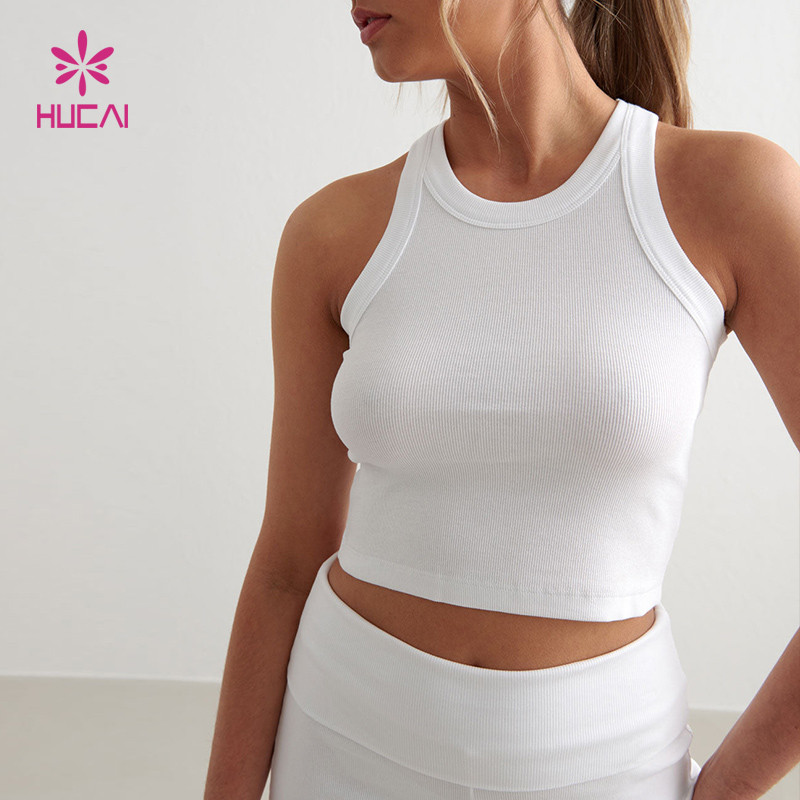
“No Dig-In” Is Not a Feature — It’s a Condition
Across U.S. and European markets, consumers increasingly describe comfort in negative terms: no digging, no rolling, no pressure marks. The absence of discomfort has become the expectation.
From a product standpoint, this may seem simple. Reduce tension. Soften edges. Relax compression.
From a Sportswear Manufacturer’s standpoint, this assumption is where problems begin.
No dig-in is not achieved by lowering pressure at a single point. It requires pressure to remain stable as the garment moves, stretches, warms, cools, and recovers. The challenge is not how the edge feels at first contact, but how it behaves after hours of wear.
Where Edge Comfort Quietly Breaks Down
Edge discomfort rarely appears immediately.
A waistband may feel smooth at fitting, pass motion tests, and remain visually clean. Over time, pressure begins to migrate. Fabric recovery slows. Elastic response changes subtly. The edge that once felt neutral starts to assert itself.
Nothing has failed visibly.
This breakdown is cumulative. It emerges from interactions between elastic behavior, knit structure, and finishing tension. Each element performs within tolerance on its own. Together, they drift.
This is why edge-related complaints often sound vague: “It was fine at first, but I didn’t want to keep wearing it.” The garment didn’t tighten. It changed.
Why “No Dig-In” Separates Disciplined Manufacturing from Capable Manufacturing
Many suppliers can produce a waistband that doesn’t dig in. Far fewer can produce one that continues not to dig in.
The difference lies in how early edge behavior is treated as a system-level requirement. Elastic selection, attachment method, seam hierarchy, and fabric recovery must be aligned before fit approval. Once production scales, even small inconsistencies amplify.
At HUCAI, edge comfort is evaluated beyond static fit. Pressure response and recovery are assessed across extended wear so stability is built into the structure—not adjusted after symptoms appear.
This is not about making edges softer. It is about preventing pressure from finding somewhere else to go.
Why Absence Has Become the Hardest Thing to Manufacture
In today’s sportswear market, comfort is defined by what the wearer does not notice.
No rolling. No digging. No need to adjust.
Delivering that absence consistently is not intuitive. It requires manufacturing systems that control behavior over time, not just appearance at approval.
As expectations rise, no dig-in is no longer a marketing claim. It is a stress test.
Welcome
Thank you for reading.
To see how a Sportswear Manufacturer engineers long-term edge stability—not just initial comfort