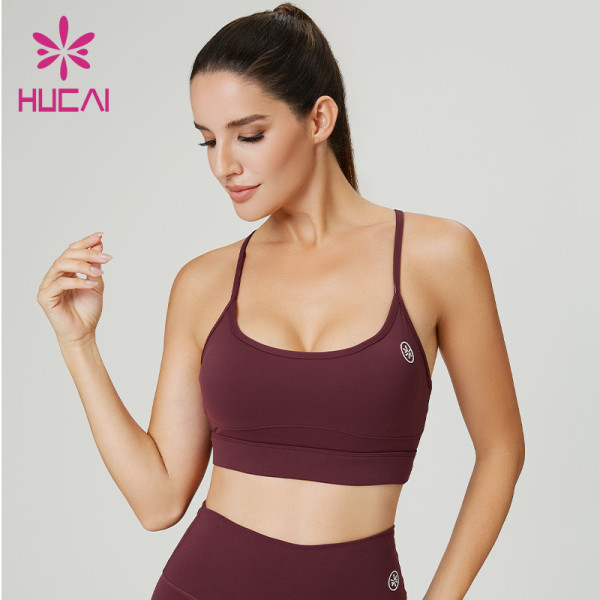
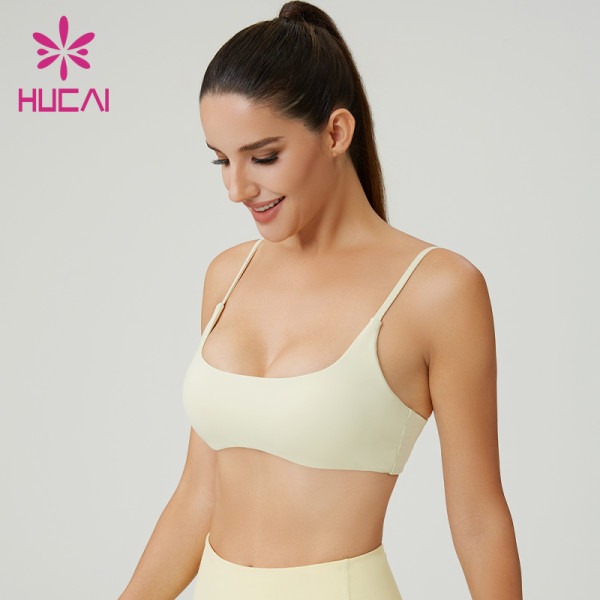
Why Sportswear Bras Have Replaced Tank Tops as the True Core Layer
- Share
- publisher
- ran
- Issue Time
- Feb 3,2026
Summary
As women’s sportswear evolves, sportswear bras have replaced tank tops as the true core layer. Support stability, recovery, and long-term trust now define product performance.
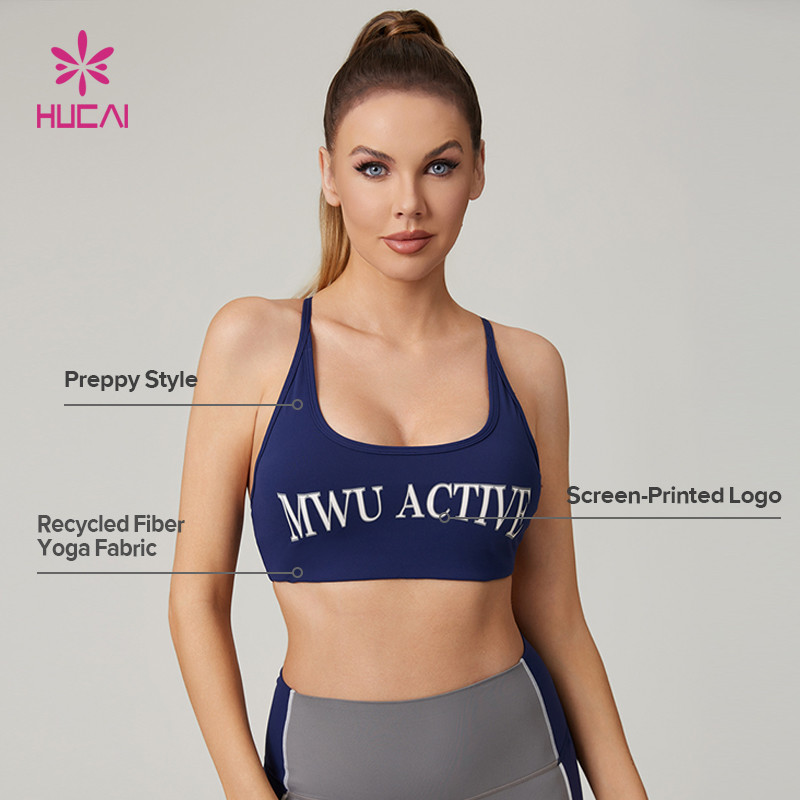
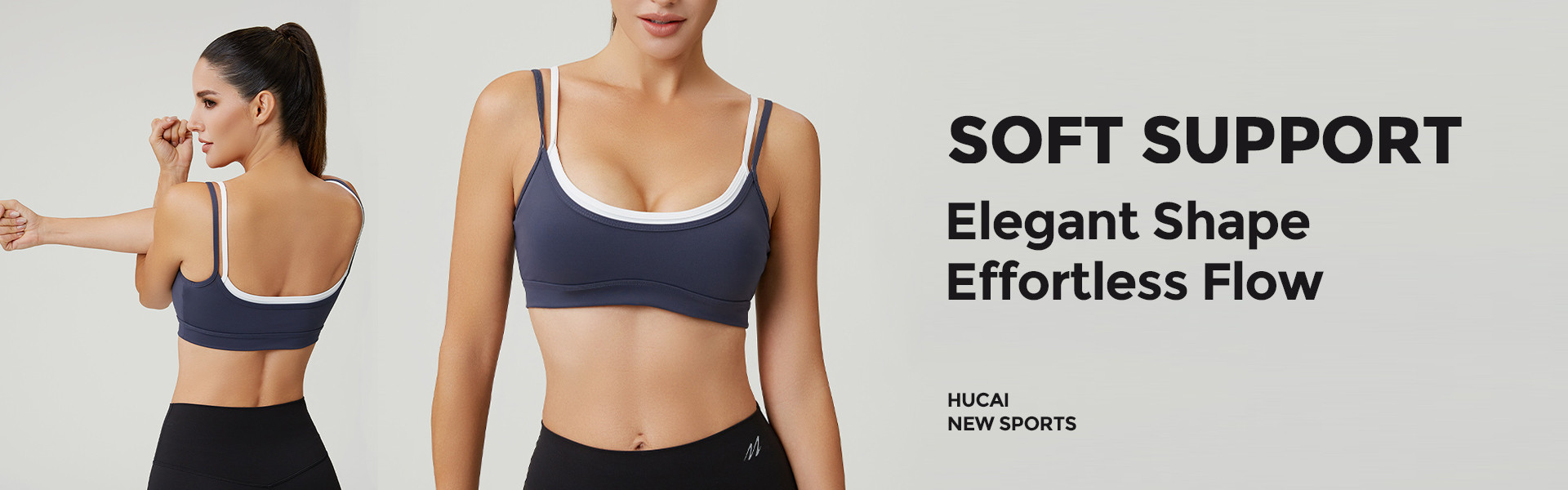
Sportswear Bras Carry Structural Responsibility, Not Just Coverage
Unlike tank tops, sportswear bras are not designed to sit lightly on the body. They manage load, movement, and stability across the chest and upper torso.
This shift changes expectations:
· Support must remain consistent over time
· Pressure must feel controlled, not restrictive
· Performance is judged by security, not appearance
When a sportswear bra fails, the issue is felt immediately. There is no buffer layer to mask imbalance or instability.
Why Sportswear Bras Expose Product Weakness Faster Than Tank Tops
Tank tops reveal manufacturing consistency through long-term wear.
Sportswear bras accelerate that test.
Because they absorb more movement and tension, bras surface issues such as:
· Uneven pressure distribution
· Loss of recovery after repeated wear
· Structural fatigue at high-stress zones
These problems rarely show during early sampling. They emerge only when the product is worn repeatedly, washed frequently, and relied upon for support.
The Core Layer Has Shifted From Simplicity to Trust
As sportswear bras replace tank tops as the true core layer, the definition of reliability changes.
A core product is no longer the one that looks minimal or versatile, but the one that users trust without thinking. In this role, sportswear bras function as confidence anchors—when they perform well, the rest of the outfit follows.
For brands, this shift raises the standard. Core layers must now deliver structural stability, not just visual simplicity.
Welcome
Thank you for reading.
To learn how we support women’s activewear brands in producing consistent, reliable core styles,