Why the Next Generation of Activewear Is Designed for “All-Day Wear”
- Share
- publisher
- 然
- Issue Time
- Apr 3,2026
Summary
Sports science shows why next-generation women's activewear is designed for all-day wear. Fabric weight, moisture control, and reduced friction help maintain comfort throughout the day.
What “All-Day Wear” Means in Modern Activewear
“All-day wear” refers to activewear designed to remain comfortable across multiple daily contexts rather than only during workouts. Modern activewear is expected to transition between training, commuting, casual movement, and extended sitting without creating discomfort.
From a sports science perspective, this shift reflects a change in design priorities. Instead of optimizing garments for peak exertion alone, next-generation activewear aims to maintain stable comfort across changing activity levels and longer wearing durations.
For manufacturers, this means performance is increasingly defined by comfort stability over time, not simply by maximum breathability or lightweight construction.
Why Activewear Is Being Engineered for Long-Term Comfort
Research in textile physiology and sportswear design highlights several parameters that directly influence long-duration wearability. Many of these factors translate into specific engineering decisions during fabric development and garment construction.
GSM (Fabric Weight):
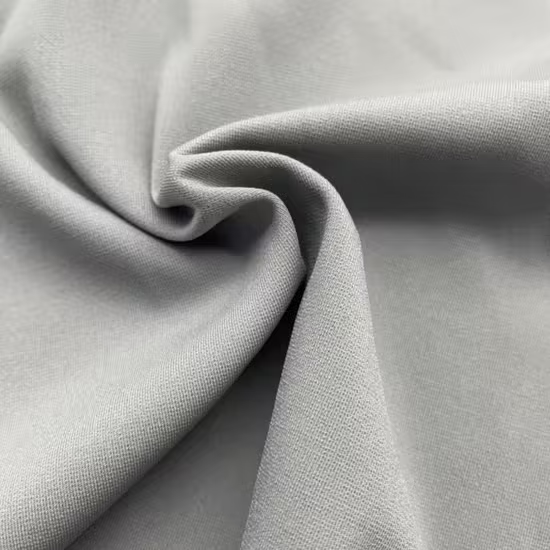
Normally 120–160 GSM is widely used in training T-shirts and base layers. Moderate fabric weight helps balance moisture dispersion, thermal regulation, and structural stability, while fabrics below 100 GSM may increase sweat cling during high-intensity exercise.
Moisture Vapor Transmission Rate (MVTR):
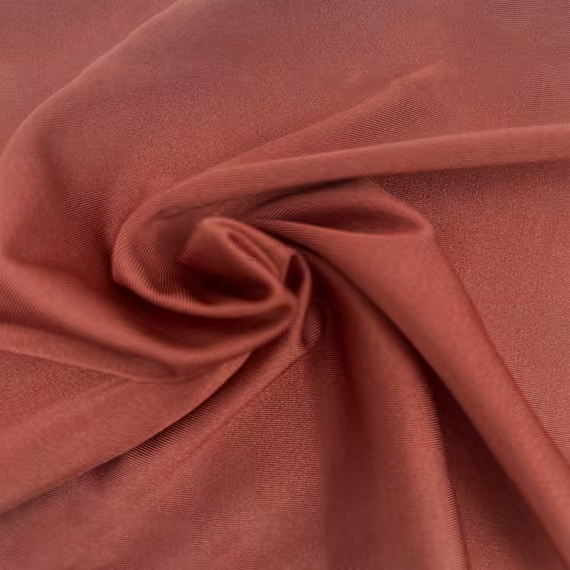
Performance training fabrics commonly reach 8,000–15,000 g/m²/24h. Higher MVTR allows faster moisture evaporation, which helps stabilize the skin–garment microclimate during extended wear.
Air Permeability:
Breathable training fabrics often fall within 200–500 mm/s air permeability, depending on knit density. However, research indicates that airflow alone does not determine thermal comfort; moisture transport efficiency and evaporation behavior are often more important.
Stretch Recovery Stability:
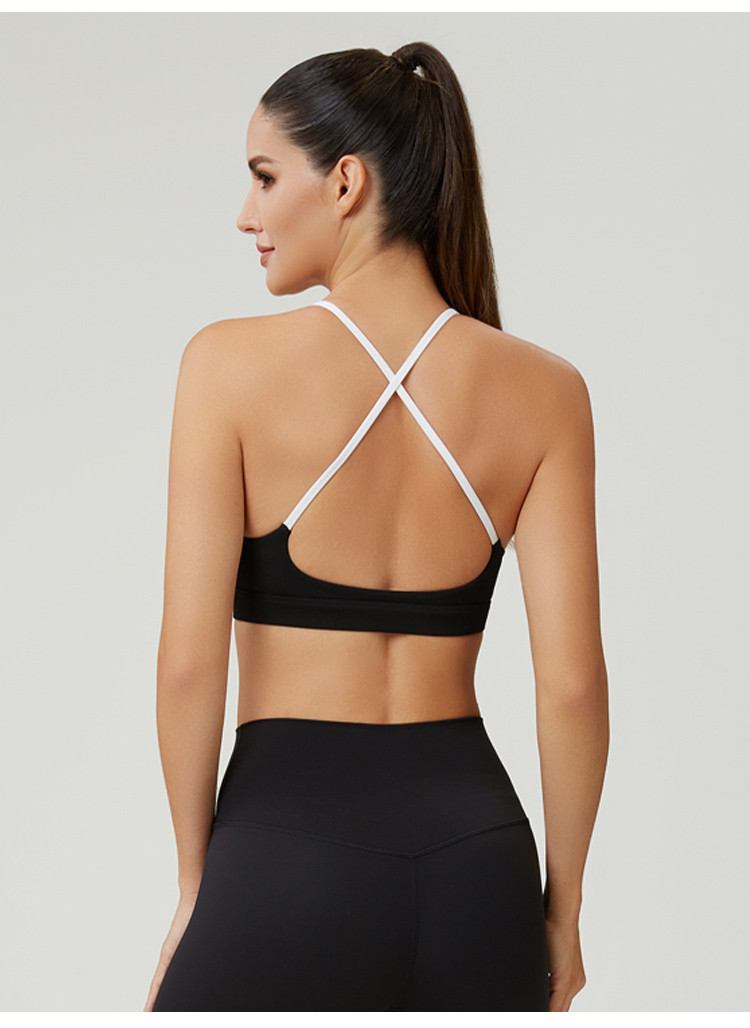
High-quality nylon–elastane fabrics typically maintain over 95% recovery after repeated stretch cycles. Stable recovery helps garments maintain shape and prevents pressure imbalance during prolonged wear.
Seam Density (Seams per Garment):
Modern performance garments increasingly reduce seam numbers to minimize friction zones. Many premium training tops now use 30–40% fewer seams than older multi-panel constructions.
Sweat Absorption Capacity:
Balanced moisture buffering allows fabrics to temporarily absorb sweat before releasing it through evaporation. This buffering effect helps prevent sudden discomfort caused by rapid moisture buildup.
Zoned Fabric Mapping:
Advanced sportswear designs often apply different knit structures in high-heat areas such as the upper back, chest, and underarm zones, where sweat rates are significantly higher than the body average.
Fabric–Skin Friction Coefficient:
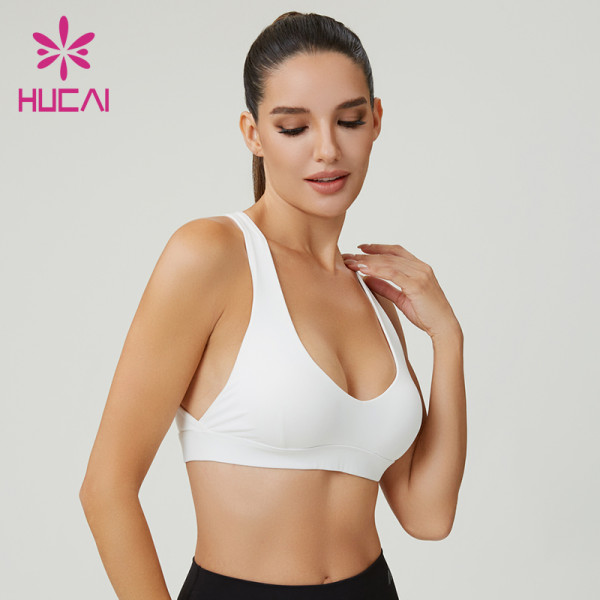
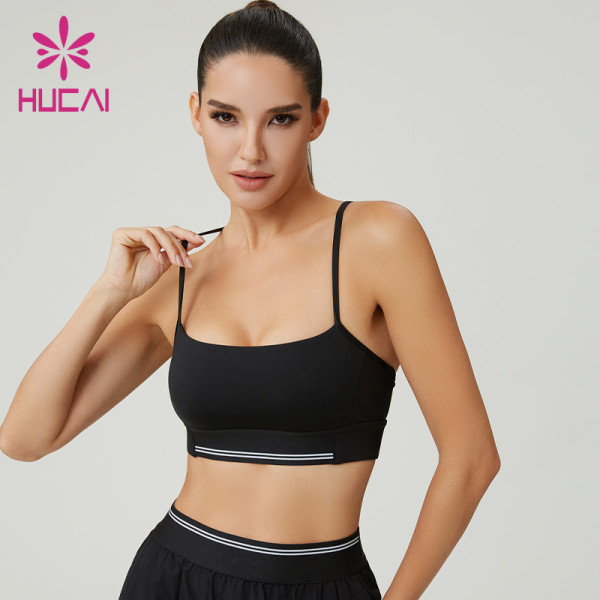
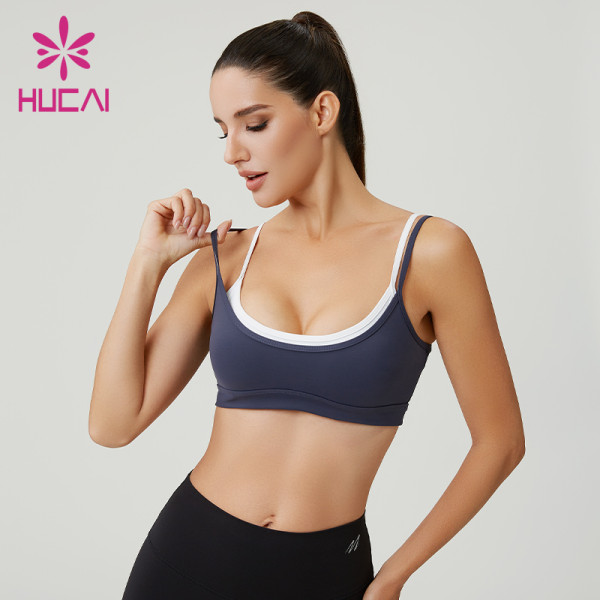
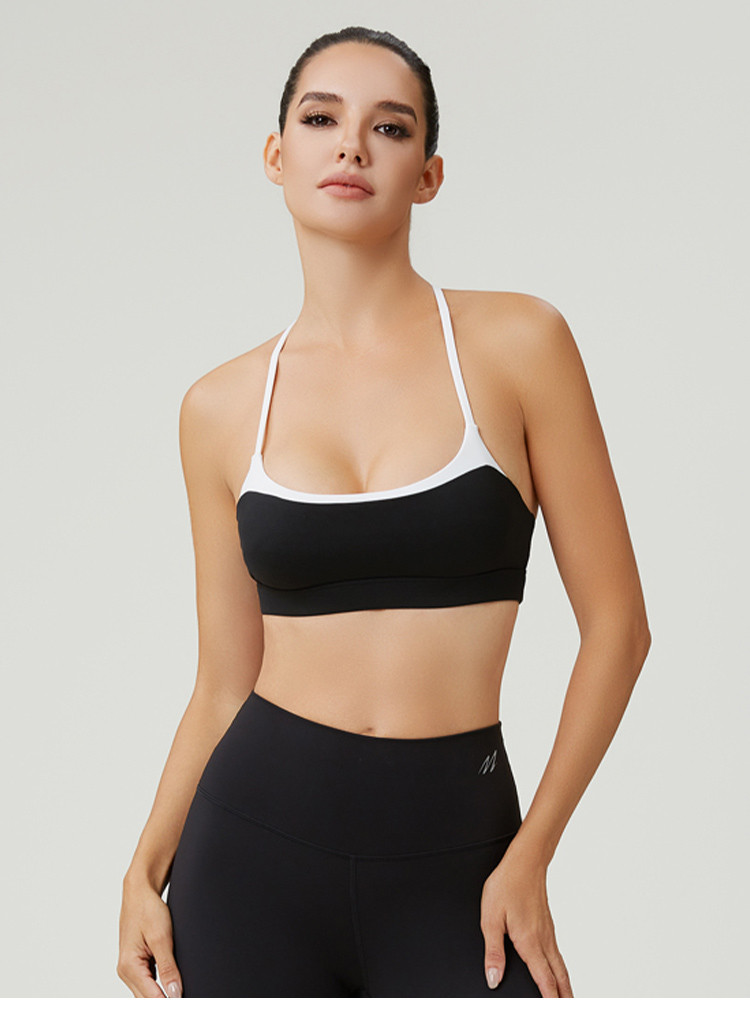
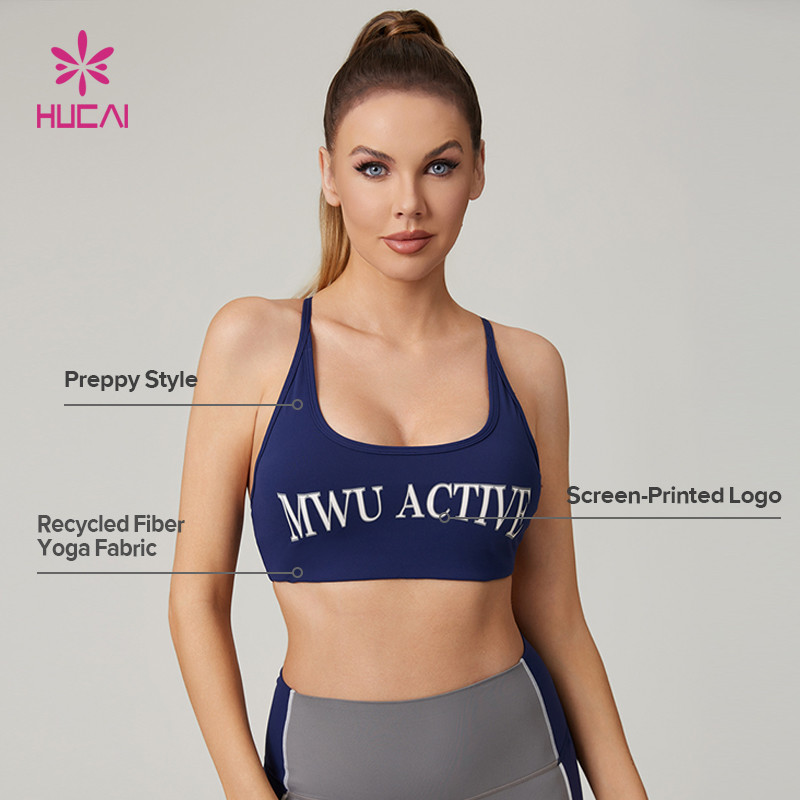
Lower-friction fibers such as nylon generally provide smoother interaction with skin during repetitive movement. Reduced friction helps prevent irritation in fitted garments like leggings, sports bras, and training tops.
Evaporation Time:
High-performance training fabrics typically dry within 15–30 minutes under moderate airflow conditions, helping prevent sweat accumulation during extended wear.
What This Means for Next-Generation Activewear Design
The shift toward all-day wear reflects a broader change in how performance apparel is evaluated. Instead of maximizing a single feature—such as breathability or lightweight construction—modern activewear development increasingly focuses on system-level comfort engineering.
For sportswear manufacturers, this means integrating multiple variables:
-balanced fabric weight
-stable moisture transport
-controlled stretch recovery
-reduced seam friction
-targeted ventilation zones
Together, these elements help maintain a stable microclimate between the skin and the garment while minimizing small sources of discomfort that accumulate during long periods of wear.
As activewear continues to merge with everyday wardrobes, the most successful products will likely be those that maintain comfort not only during exercise, but throughout the entire day.
How to contact us
➡️ Contact HUCAI today for your custom outerwear solution and connect with a team committed to premium quality and authenticity.