Women-Specific Fit Engineering: Why Women's Activewear Shouldn't Start From a Unisex Block
- Share
- Issue Time
- Sep 1,2026
Summary
A manufacturer-led development guide on why women's activewear fit should be engineered from product role, female body proportions, and movement requirements instead of scaling a unisex block. Covers category fit variables, fit brief preparation, movement fitting, and sample-to-bulk measurement control for brands preparing to sample with a women's sportswear manufacturer.
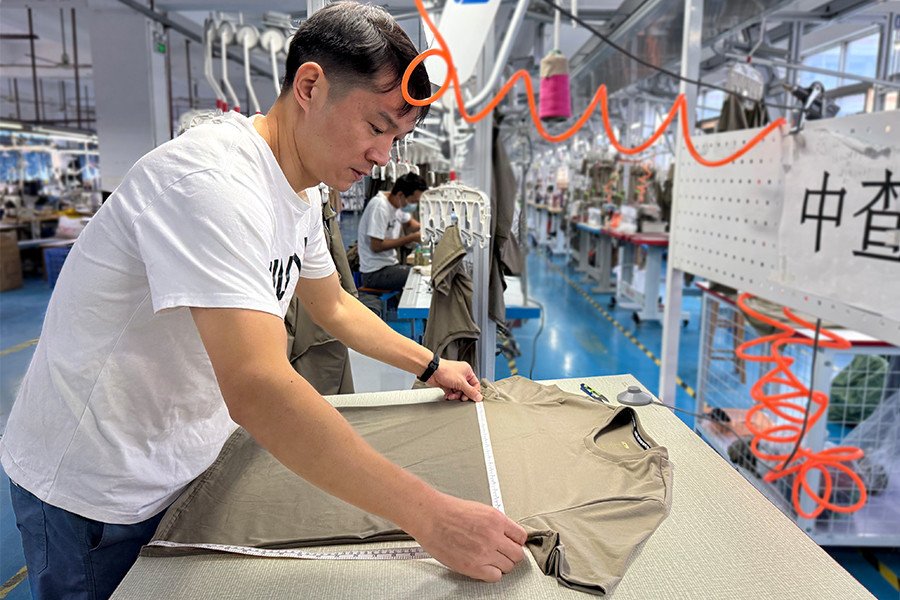
For women's activewear brands working with a private label manufacturer, fit is often the first place a collection either gains momentum or starts generating revision after revision. Many growing brands know they should design for a female body, yet the development brief still reads like a scaled-down version of a unisex block: same grading logic, same armhole depth, same rise, less width. The real question for an activewear manufacturer is not whether women's fit matters, but which measurements, pattern decisions, and ease zones have to be redefined before the first sample is cut. This article explains why women's activewear fit should be engineered from product role, female body proportions, and movement requirements rather than created by scaling a unisex base pattern, and what a brand should prepare before sampling with a women's sportswear manufacturer such as HUCAI Sportswear.
Quick Answer
Women's activewear fit should be built from product role and movement requirements, not from a unisex block that is simply reduced in size. In practice, this means defining bust, waist, and hip proportions, rise and coverage, armhole and shoulder mobility, waistband pressure targets, and ease zones separately for each category before sampling. Brands that start from a unisex block usually discover the problem only when dynamic movement testing exposes waistband roll-down, armhole gaping, underband pressure, or back rise pulling. For growing brands without a complete tech pack, ODM support is often the faster path, because reference images and product direction can be translated into a female-fit development brief before sampling begins.
Table of Contents
- Who This Article Is For
- What Women-Specific Fit Means in Development
- Why Scaling a Unisex Block Fails
- Category-by-Category Fit Variables
- What to Define Before the First Sample
- Movement Fitting and Revision Logic
- Sample-to-Bulk Measurement Control
- Decision Check
- Manufacturer Insight
- FAQ
- Final Takeaway
Who This Article Is For
- Primary reader: Growing brands building their first or second women's activewear capsule and preparing a development brief for a manufacturer.
- Secondary reader: Established brands reviewing their existing fit architecture for sports bras, leggings, tops, or light jackets.
- Product stage: Early planning through sample development; before bulk production approval.
- Problem being solved: Turning a product direction or reference image into a female-fit development brief that survives sampling without repeated revisions.
- Who may not need this article: Brands with a complete, tested tech pack and confirmed measurements who only need OEM production of an existing style.
What you gain from this article: A clear fit brief framework for each women's activewear category, a checklist of measurements and ease zones to define before sampling, and the revision logic that separates a static-fitting sample from one that holds through movement.
What Women-Specific Fit Means in Development
Women-specific fit is not a marketing phrase. In product development terms, it means the pattern starts from female body proportions and the movement the garment is designed around, rather than from a generic torso shape. The differences that matter in manufacturing are measurable: bust-to-waist and waist-to-hip ratios, back shape, rise height relative to waist position, armhole circumference and depth, shoulder mobility, and how compression or support pressure is distributed around the body.
Each category shifts the priority. A sports bra fit is driven by underband stability, cup structure, and strap logic. Leggings fit is driven by waistband pressure, rise, hip-to-thigh grading, and opacity and recovery targets at the point of maximum stretch. Tops are driven by armhole and shoulder mobility. Light jackets are driven by layering ease and arm movement. When a brand defines these category-specific variables before sampling, the manufacturer can translate the direction into pattern, ease, and construction decisions instead of guessing.
For a women's activewear manufacturer, the distinction is practical: a brief that says "female fit" without defined measurements still requires the pattern team to make assumptions. A brief that lists target proportions, ease zones, and movement requirements allows the development workflow to combine pattern, CAD, and sample support around a concrete target. This is where the development path usually becomes clearer for both sides.
Why Scaling a Unisex Block Fails
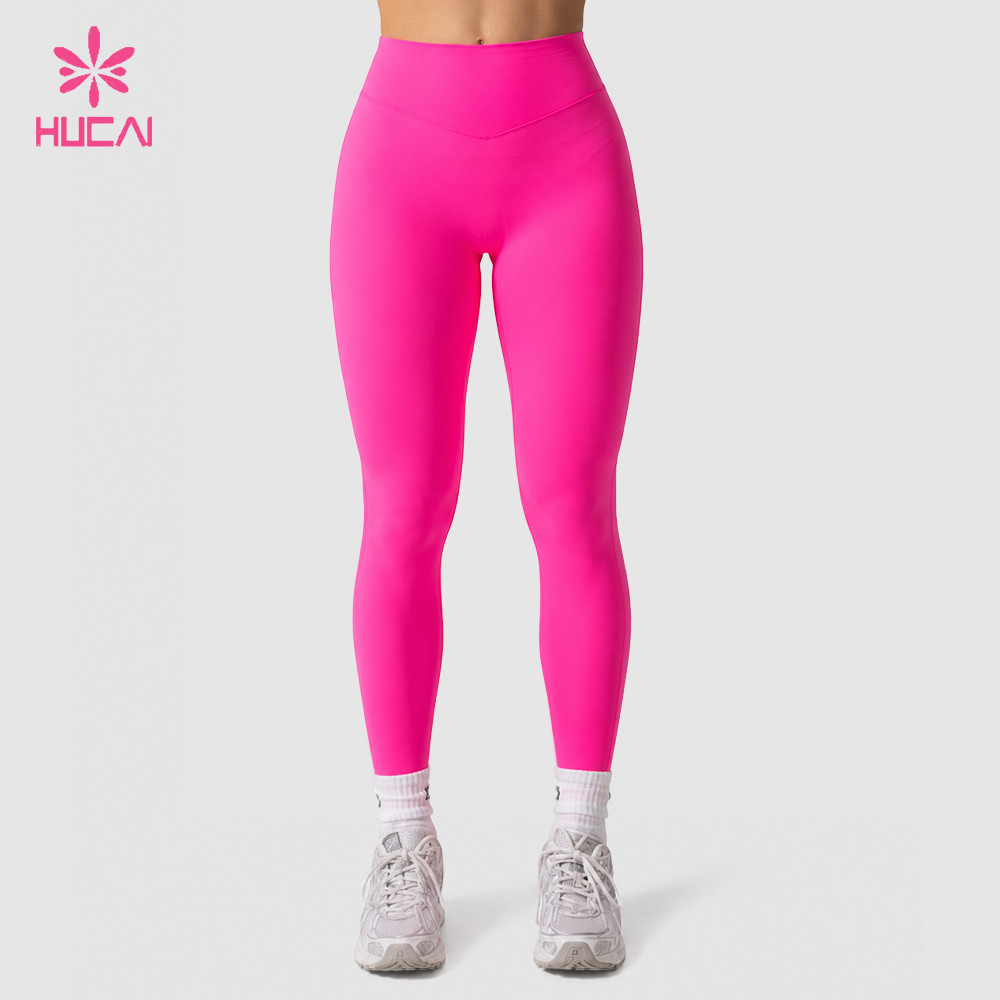
A unisex block is built around a body profile that does not match most female body shapes. Simply scaling it down preserves the same ratios: the same shoulder-to-waist relationship, the same armhole proportion, the same waist-to-hip difference. For women's activewear, those ratios are often the exact points where fit fails. The waist may sit differently, the hip and thigh need more room relative to the waist, and the armhole needs different depth and circumference to allow movement.
There is a second problem with scaling: it ignores product role. A unisex block was not designed to support a bra underband, a high-waist legging, or a longline top. When the block is simply reduced, the garment may look correct on a hanger but behave incorrectly in movement, because the pressure points, ease zones, and seam placements were never redefined for the actual product structure.
From a manufacturing standpoint, this is one of the most common causes of repeated fit revisions in women's activewear development. The pattern team adjusts the sample, but the underlying block logic remains wrong. The result is that the fit is corrected gradually over several rounds instead of being engineered correctly from the start.
Category-by-Category Fit Variables
The fit variables that matter depend on the category. Confirming them before sampling reduces guesswork and makes sample review more objective.
- Sports bras: underband circumference and stability, cup and lining structure, strap placement and width, back construction, neckline coverage, and the support target for the intended activity.
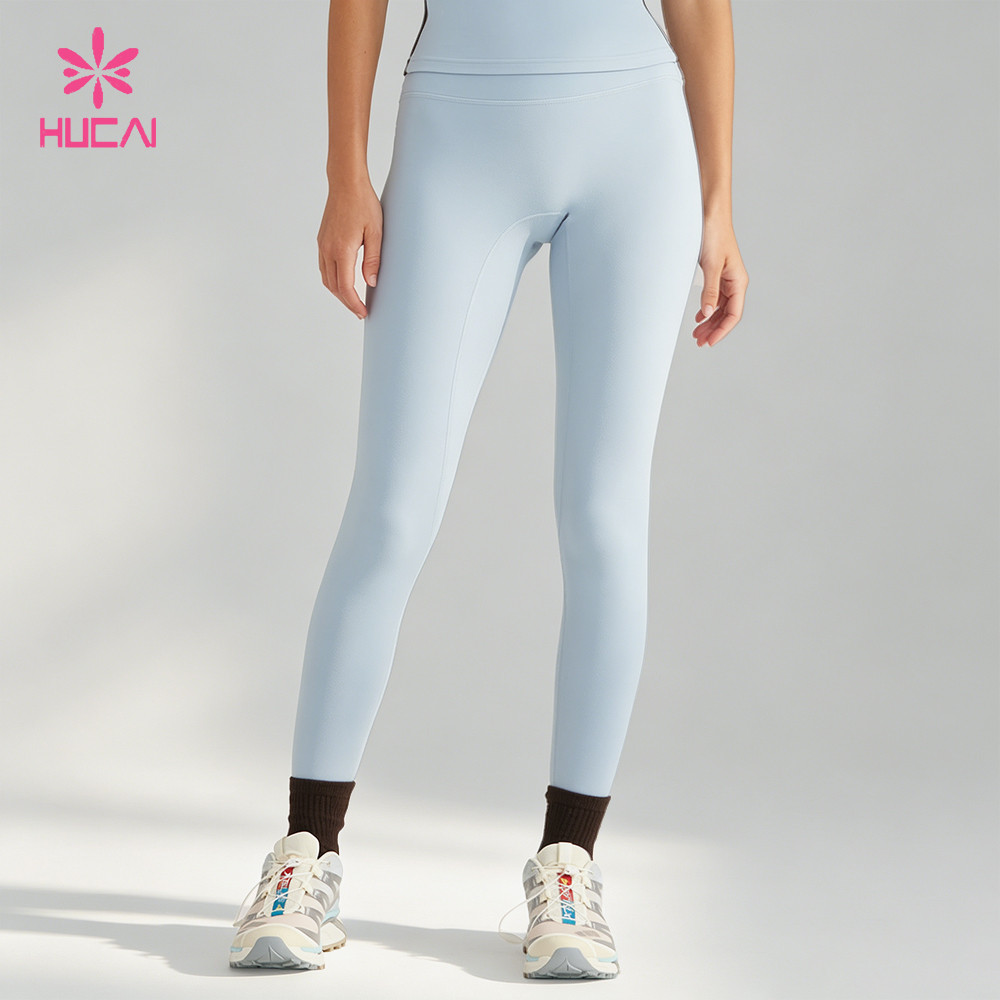
- Leggings: rise height relative to waistband position, waistband pressure target, hip and thigh grading, inseam, calf opening, compression direction, and opacity and recovery requirements at maximum stretch.
- Tops: armhole depth and circumference, shoulder and back mobility, body length and ease, neckline shape, and how the fabric behaves around the bust without distorting the silhouette.
- Light jackets and outer layers: layering ease over a base layer, arm movement range, hem and cuff fit, and how the shell fabric behaves across the shoulder and back.
None of these variables should be left to chance. A women's sportswear manufacturer can review each one against the product direction, but the brand should be ready to state its target, because "comfortable" or "good fit" cannot be converted into pattern decisions without more specific input.
What to Define Before the First Sample
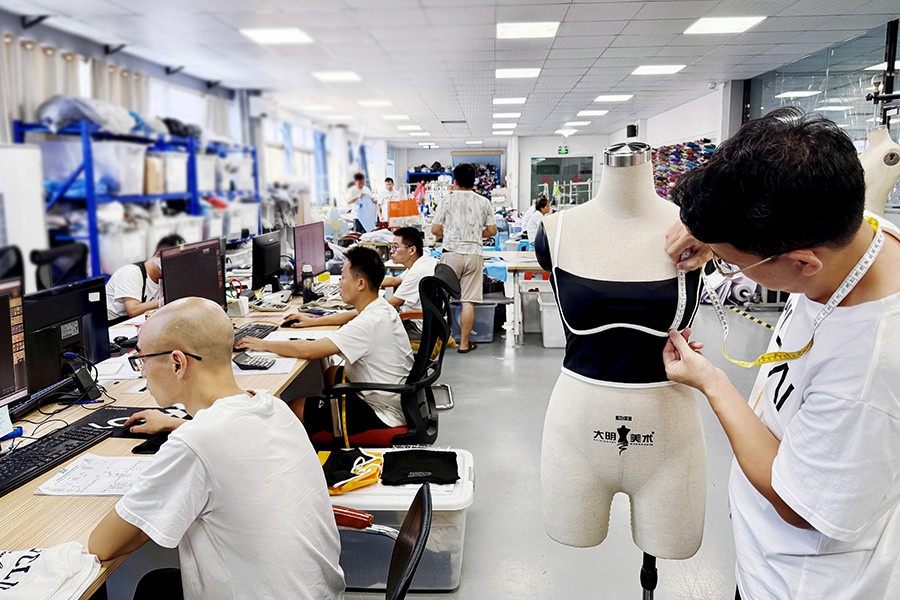
Before requesting the first sample, a brand should prepare a fit brief covering the following points. The more complete this brief is, the fewer revision rounds the project normally needs.
- Target activity and use scenario: yoga, training, running, studio, or everyday wear. This sets the movement and support requirements.
- Target body profile and size range: which size range the collection serves and how grading should handle different height and proportion groups.
- Compression or support target: the intended pressure or hold direction for each category, to be reviewed during sampling.
- Key measurements: bust, waist, hip, rise, inseam, armhole, shoulder width, and the measurement chart basis.
- Rise and coverage: high, mid, or low rise for bottoms; coverage level for tops and bras.
- Ease zones: where the garment should sit close and where it needs room for movement.
- Fit tolerance: acceptable measurement variation across the range, which also supports later bulk consistency review.
- Reference sample or size standard: an approved garment the fit can be compared against, if one exists.
Brands that start from reference images without a fit brief can still develop effectively through ODM support. In that case, HUCAI Sportswear reviews the product direction, target customer, and reference styles, then helps translate them into fabric, fit, and construction decisions before sampling. The ODM path is designed exactly for this stage.
Movement Fitting and Revision Logic
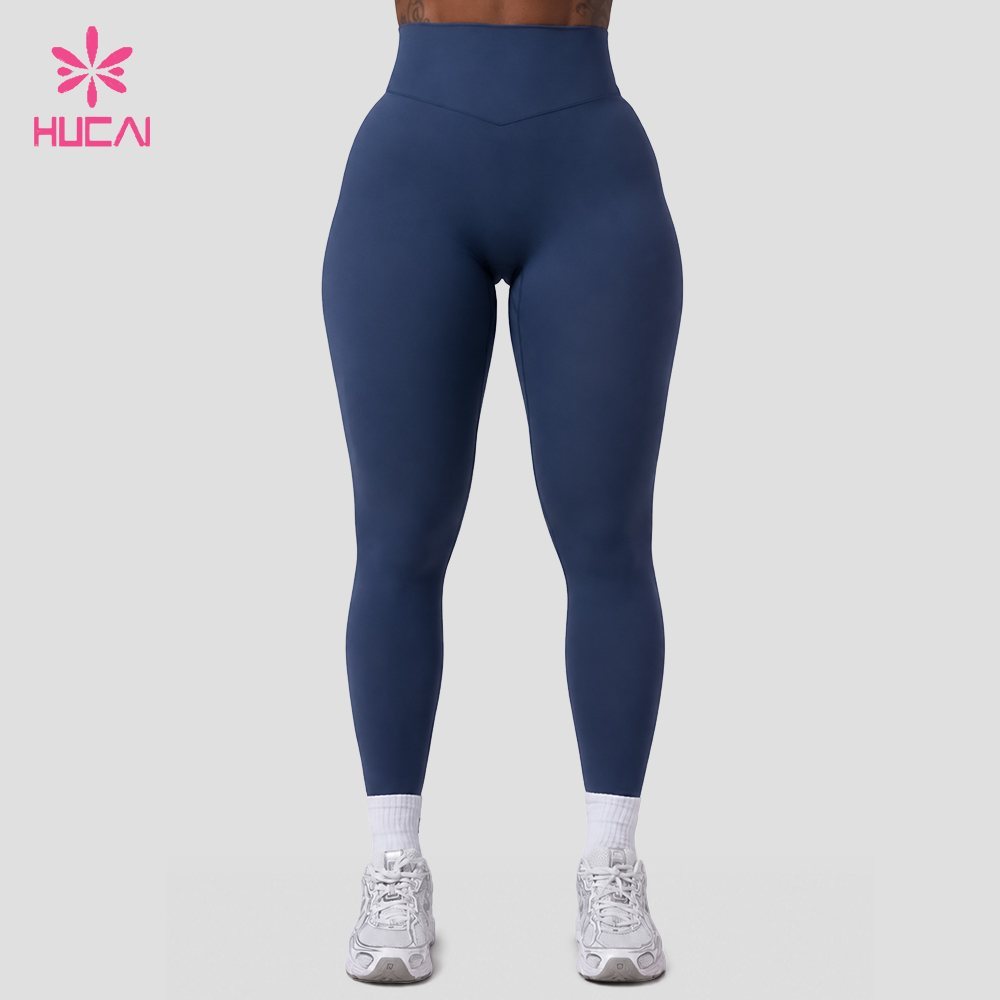
Static fitting is not enough for activewear. A sample can look correct while the wearer stands, then fail during the movements the product is designed for. This is why movement fitting is a separate stage, and why it should be planned before the first sample is made.
Common movement failures in women's activewear include waistband roll-down during squats or bending, armhole gaping when raising the arms, underband pressure when reaching forward, and back rise pulling during running or lunging movements. Each failure points to a different development issue: waistband tension and structure, armhole depth relative to shoulder mobility, underband circumference and elastic behavior, and rise and back pattern proportions.
The revision logic is simple: identify the movement, trace it back to the pattern or construction variable, and adjust that variable rather than the overall fit. If a brand and manufacturer follow this logic, revisions become more targeted and each sample round produces clearer information. For growing brands, planning two or three sample rounds with specific movement tests is more practical than expecting the first fit to be right in a single attempt.
Sample-to-Bulk Measurement Control
Fit that works on a sample still has to survive bulk production. This is where measurement control becomes the link between development and quality. Confirmed measurements, an approved sample reference, and agreed tolerance standards are the basis for sample-to-bulk consistency.
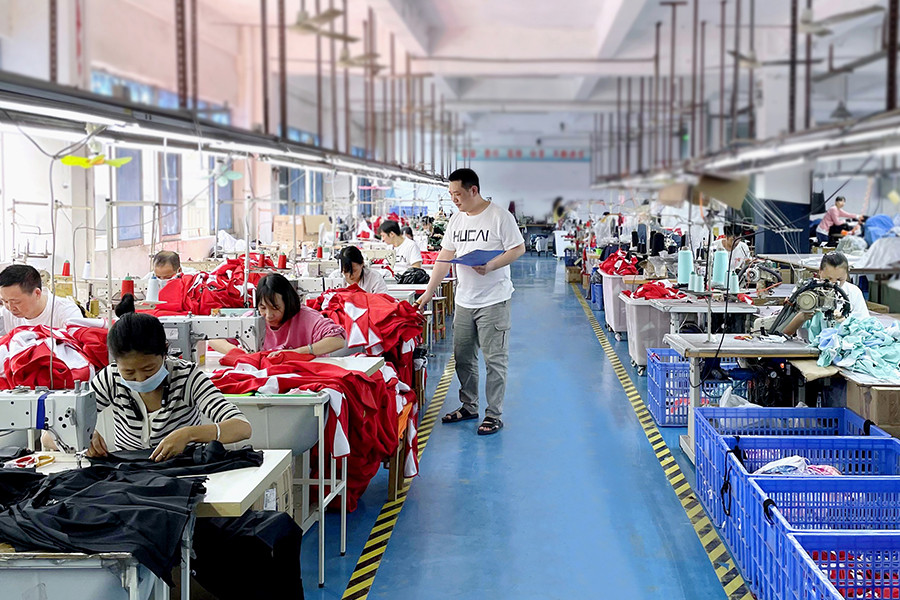
During bulk production, the quality workflow combines pre-production review, AQL 2.5-based checkpoints, in-process inspection, and final inspection to control the key measurement points defined in the fit brief. If a brand defines rise, inseam, waistband, and underband measurements with clear tolerances before bulk, the factory can check against the same standard throughout production.
Sample-to-bulk consistency depends on confirmed standards, approved samples, material control, in-process review, and final inspection. It is not a guarantee of identical pieces, but a controlled process that keeps variation within the agreed range. For brands planning reorders, this consistency is what allows the same fit to repeat across production runs.
Decision Check: Is Your Fit Brief Ready for Sampling?
Before requesting samples, confirm the following:
- Target activity: The use scenario and movement requirements are defined for each category.
- Target body profile: The size range and body-proportion groups the collection serves are stated.
- Compression or support target: The intended pressure or support direction is confirmed, to be reviewed during sampling.
- Key measurements: Bust, waist, hip, rise, inseam, armhole, and shoulder measurements are listed.
- Rise, coverage, and ease zones: Where the garment sits close and where it needs room are defined.
If three or more criteria are confirmed, the direction is ready for a structured sample request. If fewer than three are resolved, additional development planning will reduce sample revision cycles and control cost.
Ready to move forward? If you have a tech pack with confirmed measurements, send your specifications for OEM review. If you are starting from reference images or a product direction, share your references for ODM development so the fit brief can be built before sampling.
Manufacturer Insight
A common early-stage issue in women's activewear development is that the sample looks correct in static measurement review, then fails during movement: the waistband rolls down in a squat, the armhole gaps when the arm lifts, the underband presses during reach, or the back rise pulls in a lunge. Dynamic fitting matters more than how the garment looks laid flat or on a hanger. The fit should be reviewed in the actual movements of the target activity, because that is where the pattern, fabric, and construction decisions are tested. Brands that plan movement testing into their sample review rounds resolve fit issues earlier and reach sample approval with fewer rounds.
FAQ
Can a men's or unisex block be adapted for women's activewear?
It can be used as a starting reference, but it should not be treated as a base pattern for scaling. Women's activewear fit depends on bust, waist, and hip proportions, rise, armhole and shoulder mobility, and category-specific pressure points that a unisex block does not define. The safer path is to build the pattern from the product role and female body proportions, or to confirm the required adjustments before sampling.
Which measurements matter most for women's leggings?
Rise height relative to waistband position, waistband circumference and pressure target, hip and thigh grading, inseam, calf opening, and the opacity and recovery requirements at maximum stretch. These measurements define whether the legging holds its position in movement and whether it remains consistent across sizes.
How should sports bra fit be reviewed during sampling?
Sports bra fit review should cover underband stability and circumference, cup and lining structure, strap placement and back construction, neckline coverage, and how the support target matches the intended activity. The bra should be tested in the movements of the target activity, not only in static wear, because underband pressure and strap behavior change with movement.
What causes repeated fit revisions in women's activewear?
Repeated revisions usually trace back to an undefined fit brief: missing measurements, unclear rise or coverage targets, unconfirmed compression or support direction, or a base pattern that does not match the female body profile. When the underlying logic is wrong, each revision corrects only the visible symptom. Defining the fit variables before sampling is the more direct way to reduce revision rounds.
Should brands provide a fit sample or only a size chart?
A size chart is useful, but a reference fit sample gives the pattern team a concrete standard to match. If no fit sample exists, the brand should provide reference images plus defined measurements and ease zones, so the manufacturer can build the fit direction from clearer input. For brands starting from references, ODM support can help create this fit standard during development.
How is fit consistency controlled before bulk production?
Fit consistency is controlled through confirmed measurements, an approved sample reference, agreed tolerance standards, pre-production review, and AQL 2.5-based checkpoints during production. The key measurement points from the fit brief are checked against the same standard throughout bulk, which supports sample-to-bulk consistency.
How long does sample development usually take?
Sample development usually takes about 10-15 days, depending on style, fabric, trim, logo, revision requirements, and confirmed details. Movement fitting and revision planning should be included in that schedule, because an activewear sample normally needs at least one movement review before approval.
What is the MOQ for women's activewear development?
The current public MOQ starts from 100 pcs per style, while final color, size, fabric, trim, and customization planning depends on the confirmed project. For a first capsule, planning styles and colors together with the manufacturer helps consolidate MOQ and keeps the development scope practical.
Final Takeaway
Women's activewear fit should be engineered from product role, female body proportions, and movement requirements rather than created by scaling a unisex base pattern. The difference shows up in development cost, revision rounds, and sample-to-bulk consistency. Before sampling, define the target activity, body profile, support or compression target, key measurements, rise and coverage, ease zones, and fit tolerance. If the brief is incomplete, use ODM support to translate reference images and product direction into a clear fit brief first. This is the difference between a collection that develops in a few focused rounds and one that spends the first season correcting fit.
About HUCAI Sportswear
- Founded in 1998, specializing in women's activewear and sportswear manufacturing
- OEM and ODM development support for sports bras, leggings, shorts, tops, and matching sets
- In-house development workflow combining fabric, trim, pattern, CAD, and sample support
- Sample-to-bulk consistency control with AQL 2.5-based checkpoints
Current certification information can be reviewed during supplier evaluation based on the project and documentation requirements.