Matching Sports Bra and Leggings Sets: How to Approve Cross-Fabric Dye Matches
- Share
- Issue Time
- Nov 23,2026
Summary
A B2B guide to approving a cross-fabric dye match between a sports bra and a legging set: why one reference reads two ways, D65 and TL84 viewing protocol, colour difference, dye lot and stretch-state checks, and the sign-off record that holds the match through bulk.
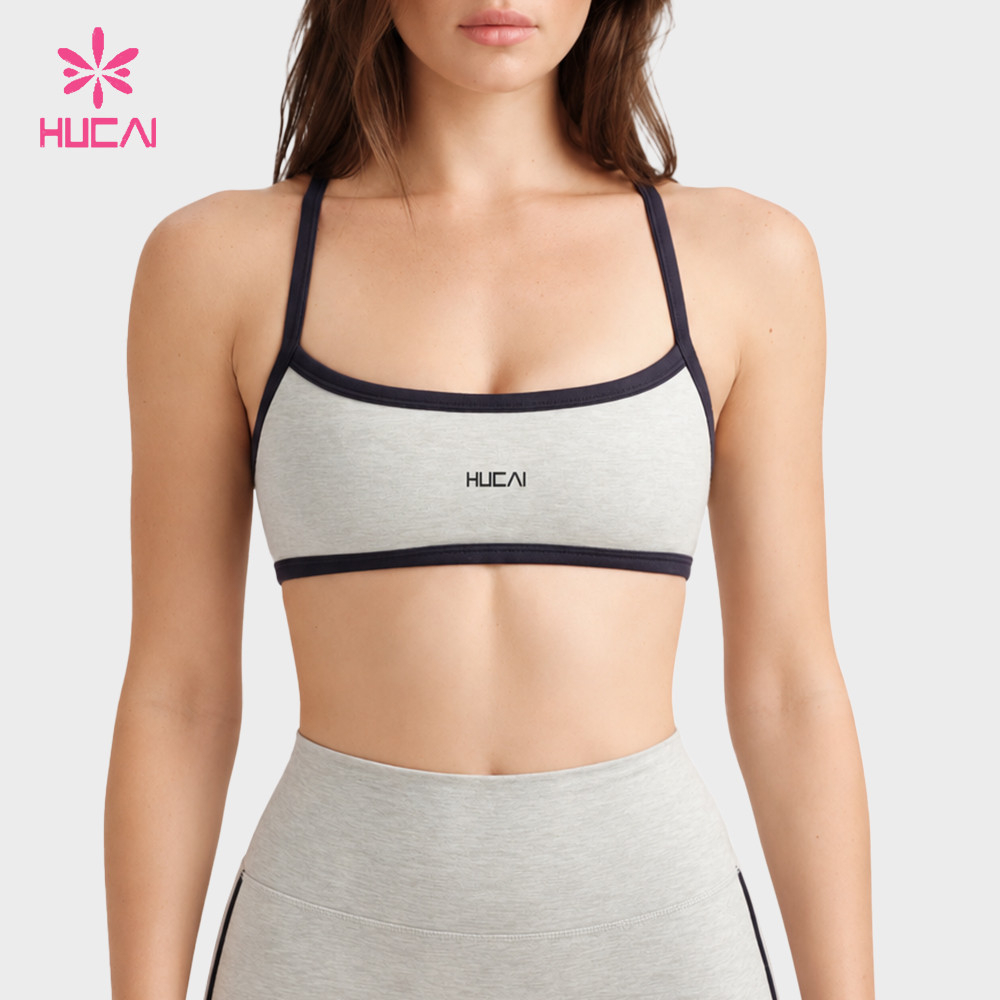
A cross-fabric dye match is approved on the assembled set, not on two lab dips that each passed on their own substrate. The record should name the target reference, the governing illuminant, the measured colour difference, and the stretch state checked before bulk fabric is cut.
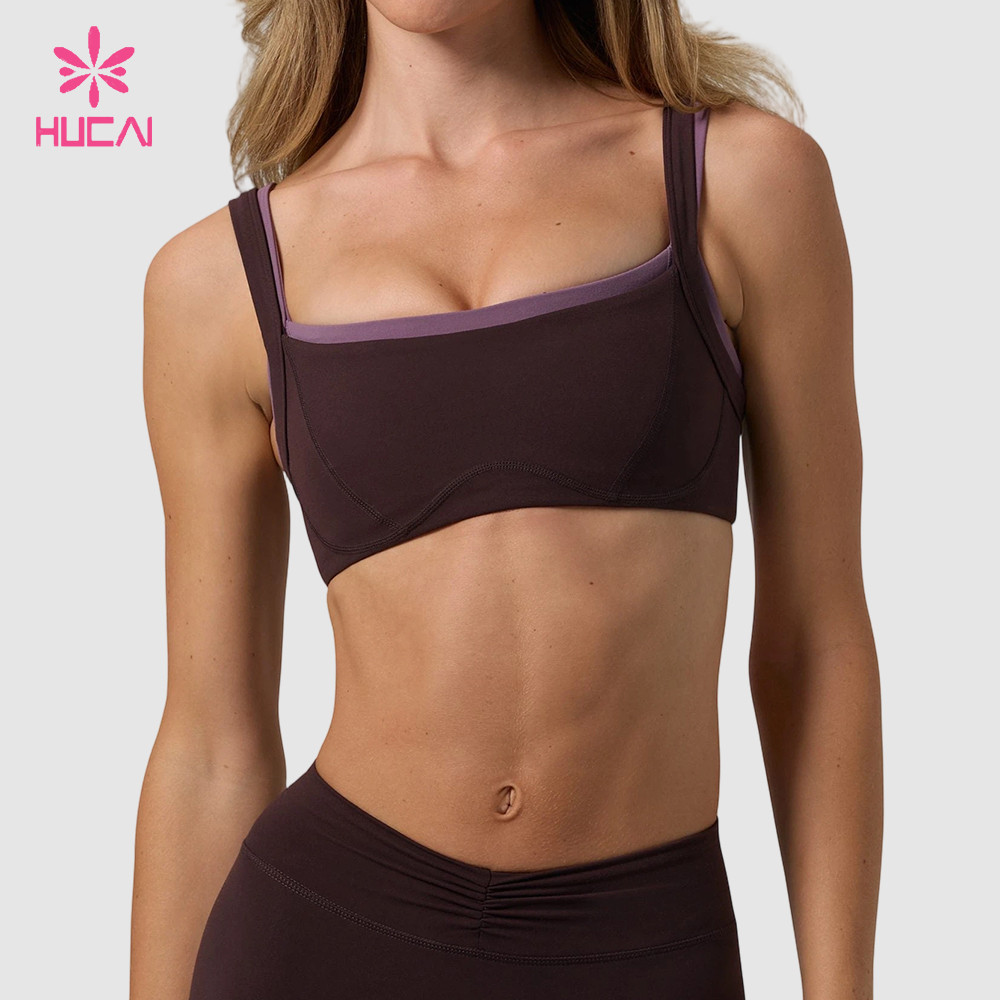
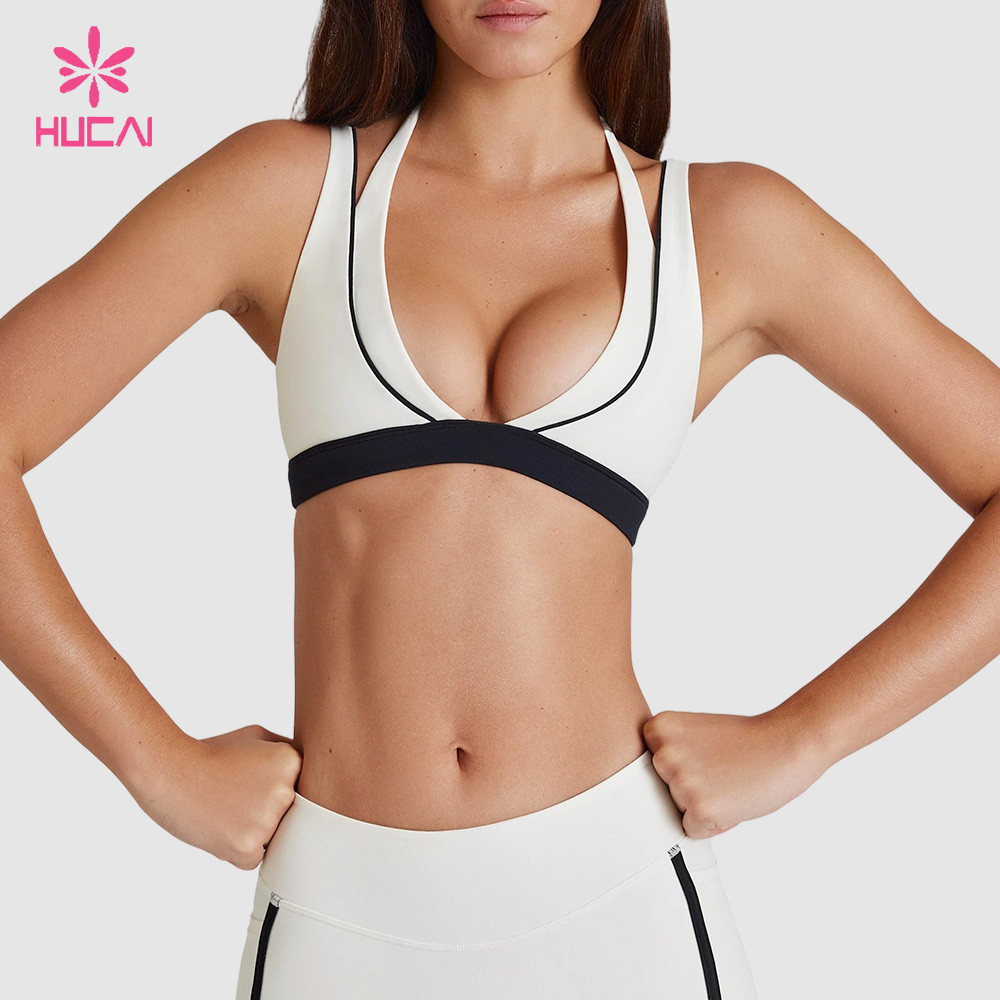
Most sets fail there for a structural reason. Bra and legging fabric are developed separately and dyed in separate lots, so both can sit inside their own tolerance against the same Pantone reference and still read as two colours on a model, in studio light, or on a shop floor. For a private label set that gap is a consumer-facing defect, which is why HUCAI Sportswear reviews the decision as a pair.
Quick Answer
A cross-fabric dye match is approved when bra and legging are measured and viewed together on a sewn sample, under a named illuminant, with colour difference recorded per substrate. Two separately approved lab dips are not enough. The sign-off should also record the stretch state, the lot numbers, and the governing standard.
Table of Contents
Who This Article Is For
- Primary reader: Brand founders and product developers building a set from two fabrics that must read as one colour.
- Secondary reader: Sourcing managers and technical designers who own the colour record.
- Stage: Between first sample and bulk fabric booking.
- Problem: Each piece passes its lab dip, yet the set reads unevenly.
- Not for: Single-fabric sets from one dye lot.
What you gain: A definition of "matched", four approval depths and where each breaks, an illuminant protocol, a set-level acceptance table, and the RFQ inputs that decide repeatability.
Why One Reference Reads Two Ways
A Pantone TCX chip or a signed standard states a target, not a result. Visible colour comes from dye, fibre, yarn, structure and light, and a bra and a legging rarely share those variables.
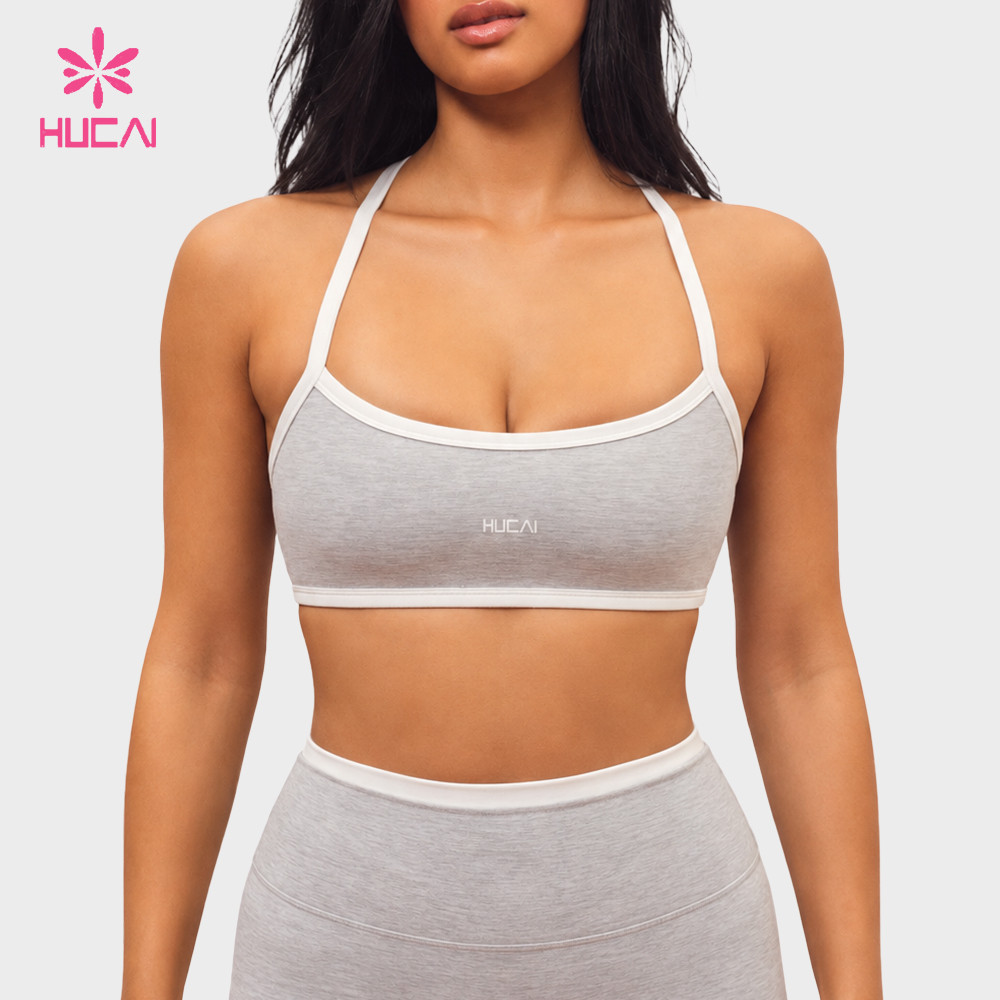
A bra is often a lighter, finer knit with more elastane; a legging is denser, with more coverage and a different surface. Nylon and polyester also take colour through different dye classes, so one target can need two recipes and still land on different spectral curves. The result is a shift in depth rather than a hue error: the bra reads lighter, the legging deeper, and neither is outside tolerance.
Public Nordic collection pages reviewed for this topic, including Stronger's October 2026 Essential Elements index and Casall's AW26 New In page, present tonal single-shade sets as a recurring structure. That is an observation of listed product structure, not a demand claim, and implies no relationship with HUCAI Sportswear.
Four Variables, Four Approval Depths
Four variables drive most mismatches: fibre and dye class, yarn luster, surface texture, and density with stretch state. Each sits at a different stage, so approval depth should be chosen, not inherited from a single-fabric project.
| Approval depth | What is checked | Where it breaks |
|---|---|---|
| Lab dip per substrate, one light | Each fabric against target | Fails under retail light |
| Lab dip plus instrument | Colour difference per substrate | Numbers pass, eye rejects |
| Two illuminants, instrument, sewn set | Bra and legging viewed together | Fails at bulk without lot control |
| Full set control with lot retention | All above plus lot numbers | Slower release, needs standard owner |
Instrument and eye answer different questions: a measured difference can pass while the pair still reads unevenly, because luster and texture change how light leaves a surface. The sewn-set check stays when the numbers fit.
Reading the Match Under D65 and TL84
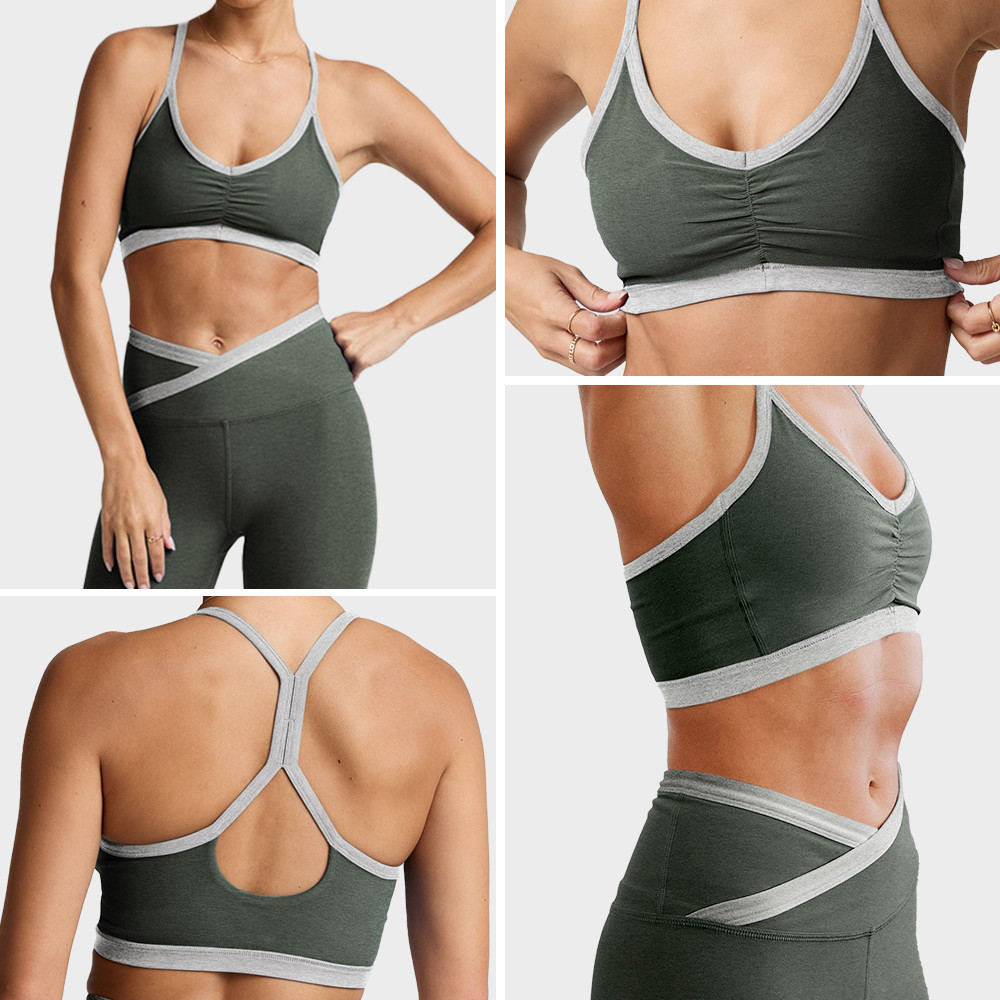
If the approval does not name a light source, it is not an approval. Two samples can match under one source and separate under another, which is what happens when a set is signed off in a meeting room and shot in a studio a week later.
D65 is average daylight near 6500 K, the usual reference for colour communication. TL84, a tri-band fluorescent common in European retail, is the light most likely to expose a mismatch in store. Check both, and state which governs: D65 for e-commerce, TL84 for shop-floor review.
The visual check needs a booth rather than a window, a neutral surround, one observer pair, and the pair viewed flat then stretched. The instrument check is separate: ΔE00 per ASTM D2244 or ISO 105-J03, with illuminant and observer stated. Keep one method across lab dip, bulk lot and re-check, or the numbers are not comparable.
What the Sign-Off Record Must Contain
An approval that lives in an email thread is not repeatable. Three realities also reopen a colour signed off on flat swatches: two dye lots, each drifting inside its own window; light shades on a lighter knit showing skin or lining; and colour deepening as fabric extends, so the check belongs at a stated extension, on and off seams.
| Checkpoint | Evidence kept | Proposed acceptance |
|---|---|---|
| Target reference | Signed standard, both substrates named | One standard per set |
| Lab dip per substrate | Dated dips, both fabrics | Approved before sampling |
| Instrument reading | ΔE per substrate, method stated | Proposed: 1.0 mid and light, 1.5 very dark |
| Two-source check | D65 and TL84, governing light named | No visible step |
| Sewn set, pressed | Photo at rest, at extension, pressed | Pair reads as one colour |
| Lot and pre-cut re-check | Swatch per substrate per lot | Recorded for every lot |
"Proposed" matters. Tolerances belong to the brand's specification, not a supplier default. HUCAI Sportswear agrees them per shade family during development, so the acceptance line sits in the tech pack before sampling rather than being argued after bulk.
Holding the Match Through Bulk
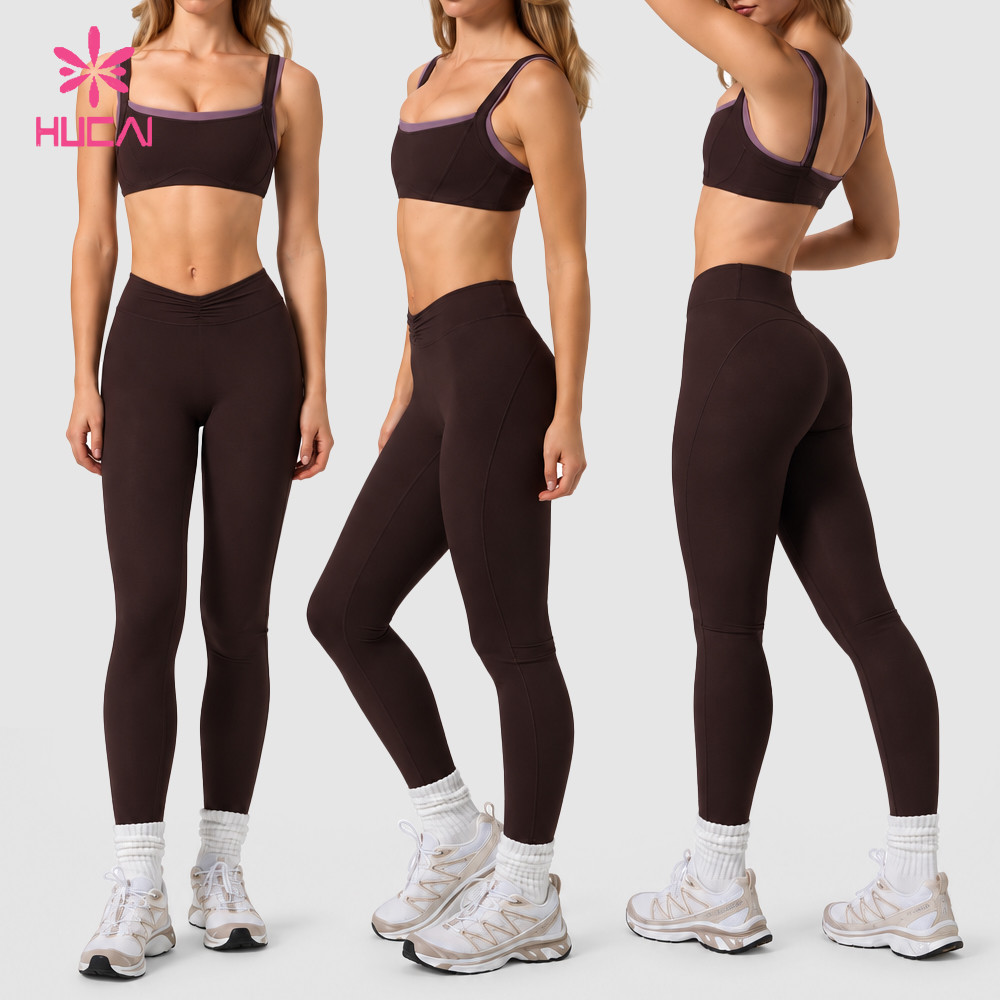
The approval protects the standard; planning protects the pair. Rolls carry different lot numbers, and a set assembled from two lots reopens an approved colour. Pair by lot at cutting and keep one set within a planned lot group; if volume prevents that, flag it at planning, not packing.
AQL 2.5-based inspection covers defects, measurements and workmanship. HUCAI Sportswear writes a set-level colour check under the governing light into the inspection plan, because a set that passes on stitching can still be rejected under TL84.
RFQ inputs that decide repeatability:
- Target reference per substrate, not one reference for the set.
- Governing illuminant, plus the second source to be recorded.
- Colour-difference method, observer and tolerance per shade family.
- Stretch state and extension level for the pair check.
- Confirmation that the sewn sample is the approval object.
- Lot numbering, retained swatches, and who holds the duplicate standard.
- Set-pairing rule and colour count per set.
The public MOQ starts from 100 pcs per style. A set uses two substrates, so review colour against the fabric minimum per colour, not the per-style figure alone.
Decision Check: Is This Set Ready for Bulk Fabric Booking?
Before bulk fabric is booked, confirm the following:
- One standard, two substrates: a signed standard names both fabrics.
- Governing light agreed: D65 or TL84 is named, and the second result is recorded.
- Measured evidence: colour difference per substrate, same method as bulk lots.
- Sewn sample approved as a pair: at rest, at extension, pressed.
- Lot control: lot numbers, retained swatches, pre-cutting re-check, pairing rule.
Four or five confirmed criteria mean the set can move to bulk booking. Two or more unresolved usually surface at final inspection, after cutting.
Ready to approve a set as a set? Brands with a tech pack can send the target reference per substrate, the governing illuminant and the intended tolerance for matching set development review. Brands starting from reference images can narrow fabric and colour first.
Founder's Technical Insight: Jean Yuan's Development Note
In our sample room, the most frequent cross-fabric problem is not a wrong dye recipe. It is an approval taken on two flat swatches that were never sewn into a set: bra swatch signed on Monday, legging swatch on Wednesday, both right on the table, and the first assembled set reads unevenly.
The cause is physical. Construction changes the surface, and the surface carries the colour. A binding compresses an edge and raises its reflectance, a turned seam allowance changes the grain direction the eye sees, and elastic narrows under tension and reads deeper than the fabric it holds. None of it shows on a flat swatch.
So the approval object in our sample room is a sewn set, checked at rest, at a stated extension and after pressing, under a daylight and a fluorescent source. The signed standard is duplicated: one copy with the brand, one in our quality office, both dated with the approved lot numbers. A new lot is checked against the retained swatch before the cutter starts.
FAQ
What is a cross-fabric dye match in a bra and legging set?
An approval that two fabrics, dyed separately, read as one colour when worn together. It is judged on the assembled set under a named light source, with colour difference recorded per substrate, not on two isolated lab dips.
Why do two fabrics with the same Pantone reference look different?
Because the reference is a target, while visible colour comes from fibre, dye class, yarn luster, texture, density and stretch. A nylon bra shell and a denser polyester legging can both hit the target within tolerance and still differ in depth.
Should a cross-fabric match be approved under D65 or TL84?
Approve under the source closest to where the product will be judged, and record the other. D65 suits studio and e-commerce work; TL84, common in European retail, is the more revealing shop-floor check.
What colour difference tolerance should a brand specify?
There is no universal figure, because tolerance belongs to the brand's specification and shade family. A starting point for discussion is 1.0 or below for mid and light shades, 1.5 or below for very dark, with method and illuminant stated, paired with a visual check on the sewn set.
Does an approved lab dip cover bulk consistency?
No. A lab dip settles colour direction on a small piece of fabric. Bulk brings separate lots per substrate, drift inside tolerance windows and pairing at cutting; lot numbering and a pre-cutting re-check carry the decision forward.
Does a matching set need a higher MOQ than a single style?
The public MOQ starts from 100 pcs per style. The usual constraint is fabric: colour is dyed per colour and per substrate, so a wide colour count can lift the per-colour fabric minimum above the per-style figure.
Final Takeaway
A cross-fabric dye match is a decision about a pair. It holds when one signed standard governs both substrates, the approval object is a sewn set, the illuminant is named, stretch and pressed states are checked, and lot numbers with retained swatches carry the decision into cutting.
Build it into the tech pack and colour stops being a post-sample argument: the brand reaches bulk booking with a record a second factory could reproduce.
Send Your Tech Pack for Matching Set Review — include the target reference per substrate, the governing illuminant, the colour-difference method and tolerance, and the stretch state to check. Category detail sits in the custom sports bra and custom leggings ranges.
About HUCAI Sportswear
- Founded in 1998, manufacturing women's activewear in Humen, Dongguan, China
- OEM and ODM support for sports bras, leggings, tops and matching sets
- Structured sample development and sample-to-bulk control, including colour and lot review
- AQL 2.5-based inspection within the quality workflow
Current certification information can be reviewed during supplier evaluation based on project and documentation requirements.