Thermal Bootcut Training Pants: Pattern and Fabric Decisions Before Sampling
- Share
- Issue Time
- Nov 19,2026
Summary
A development guide for private label thermal bootcut pants: choosing the lining build before the pattern, setting hem opening and break point, adding knee flex allowance, controlling pile direction, and agreeing pilling and shrinkage checks before bulk.
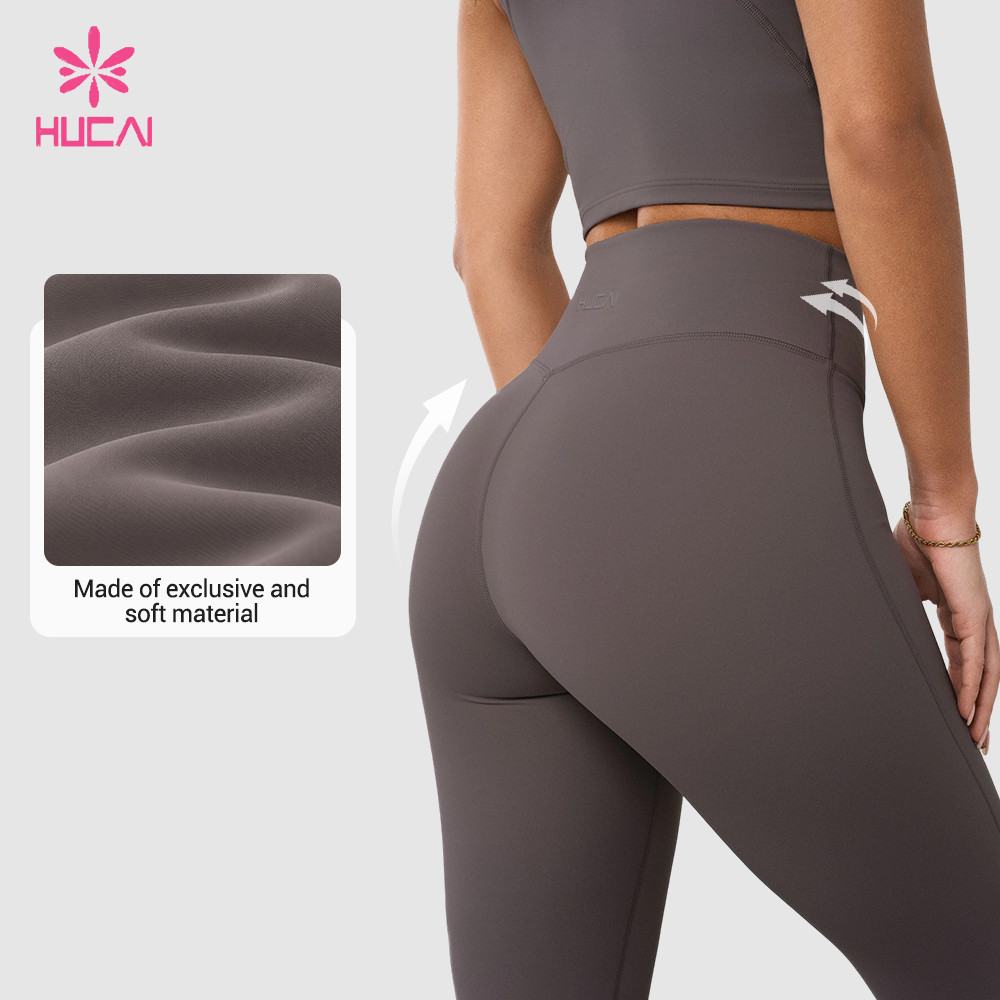
A thermal bootcut training pant is usually briefed from two references: a flare-leg silhouette and a brushed inner surface. Neither shows where the leg starts to open, how much opening the thermal build absorbs, or how the pattern must change once a bonded lining sits inside the leg. Buyers searching for a custom thermal bootcut pants manufacturer arrive with exactly this gap and pay for it in revision rounds. As a women's activewear manufacturer working from tech packs and reference images, HUCAI Sportswear treats the pant as one decision: build first, then hem opening, knee break and grading.
Quick Answer
Decide the thermal build before the pattern. Brushed-back single layer suits a light winter pant; a bonded or separate lining adds warmth but changes seam bulk, drape and hem fall. Then set the hem opening as a measured circumference, fix the break point below the knee, add flex allowance at the knee, and grade the opening in steps.
Table of Contents
Who This Article Is For
- Primary reader: founders and product development managers adding a cold-weather training bottom.
- Secondary reader: sourcing managers and technical designers with references but no measurement set.
- Problem: the sample photographs well but arrives heavy at the hem or reads as a straight leg in bulk.
What you gain: a lining decision you can defend, a measured hem and knee specification, and a reusable acceptance table.
1. What Changes in a Tech Pack
Three things sit behind the word bootcut, usually written as one line: leg geometry, thermal build and surface behaviour. A straight-leg brief survives a vague spec because the leg line is forgiving. A bootcut does not, because the eye reads the knee-to-hem transition, so a small difference in opening or break point turns a flare into a straight leg.
Build first, geometry second, surface checks third. Nordic pages reviewed in November 2026 show seasonal layering rather than bootcut programs, a structure signal rather than evidence of demand.
2. Hem Opening and Break Point
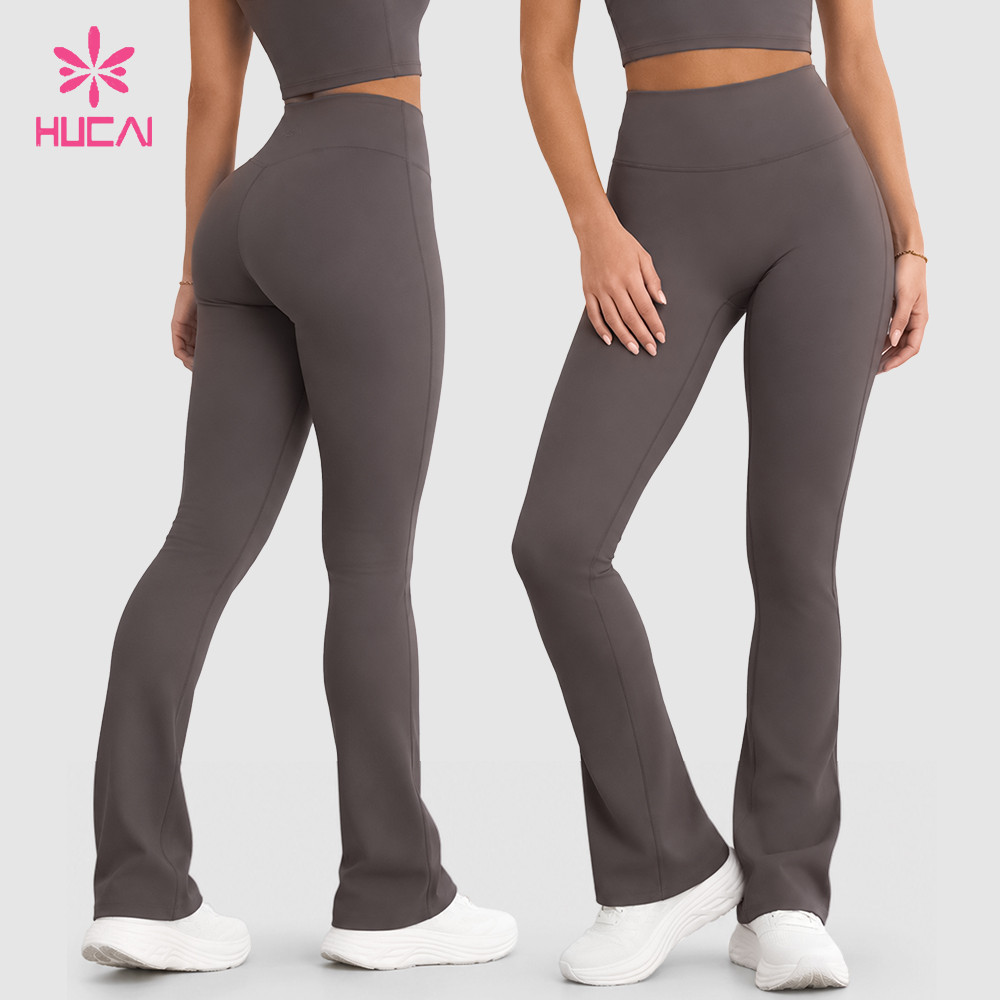
The hem opening is a measurement, not a look. Write it as a finished circumference at a stated distance below the knee, on a stated size, so sample room and factory measure the same point. A brief that only says "flared" leaves the opening to interpretation, and the interpretation lands closer to straight leg.
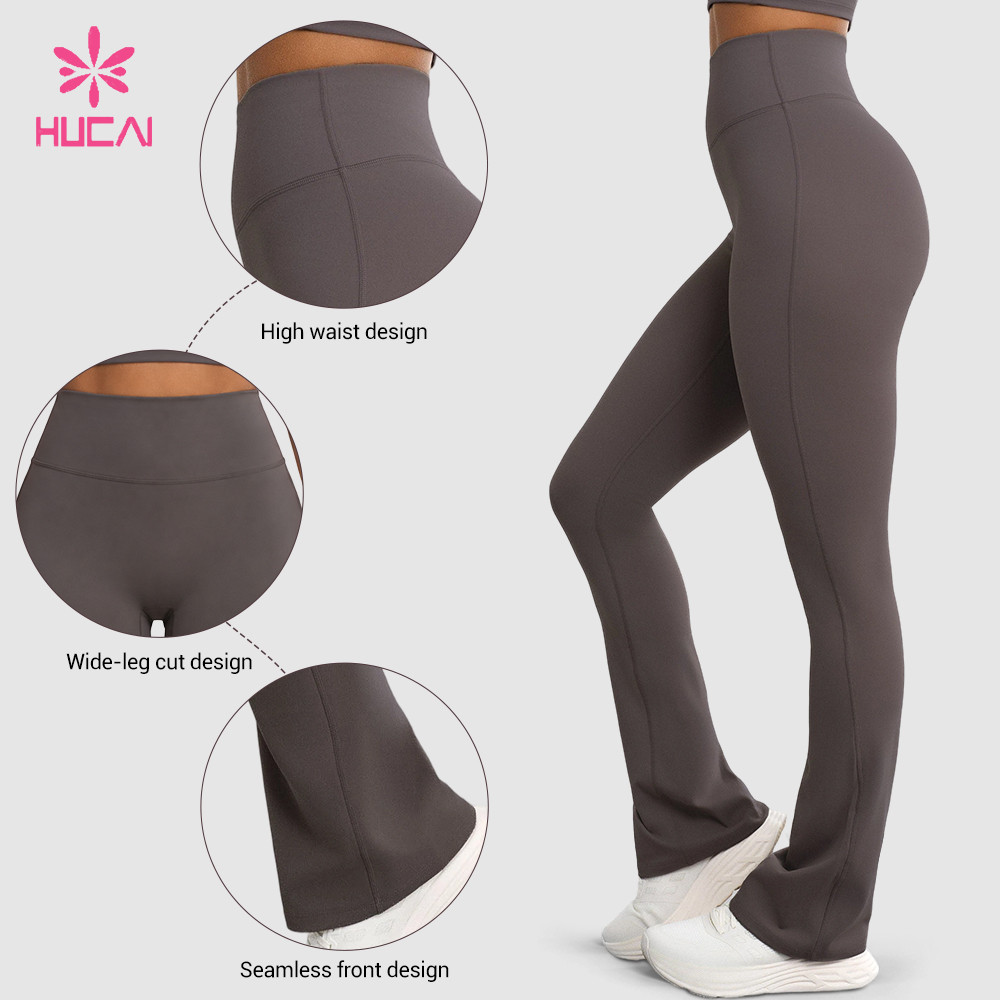
Decide where the leg opens, below the knee or lower on the calf, and state it as a distance from the knee line so grading cannot move it. A clean front panel with the side seam rotated toward the back keeps the front quiet, and without a specified panel line the bulk lot can shift the seam while the sample still looks correct.
3. Knee Break and Flex Allowance
A bootcut leg is fitted through the knee. That is what makes the opening read as a flare, and where a winter pant fails: add loft inside the leg and the same knee width becomes tight, the fabric pulls across the kneecap, the hem lifts and the leg twists.
The answer is flex allowance, not a wider knee: add length and a little width through the knee zone so the leg bends without dragging the hem, then check it on a body in motion. HUCAI's pattern review records inseam and outseam separately and compares left against right.
4. Lining Direction and Thermal Build
Four builds cover most thermal pants, each behaving differently in a flared leg.
| Build | Warmth and bulk | Effect on a bootcut leg | Main risk |
|---|---|---|---|
| Brushed-back single knit | Light; loft stays in the loop | Clean line; hem falls close to pattern | Pile direction reads as panel shading |
| Bonded double layer | Medium; adds film or foam | Stiffens the knee; opening can stand away | Seam bulk at hem and crotch |
| Separate lining | Medium to high; set by the lining | Adds weight; break point drops | Layers move differently in washing |
| Fleece-backed knit | High; visible pile inside | Thickest at seams; needs wider allowances | Abrasion and pilling at thigh and hem |
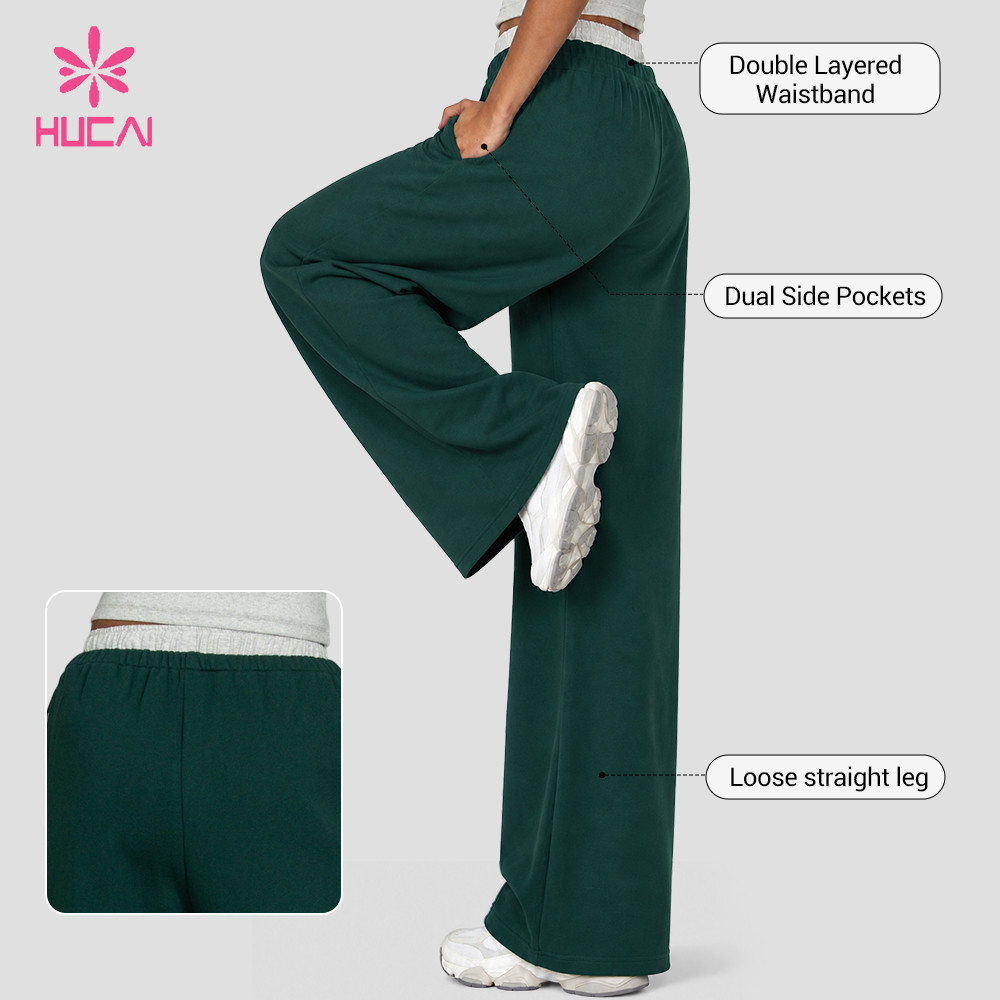
Pile direction is the detail most often left out: two panels cut opposite ways read as two shades where the flare opens. State it on the marker, and check the build against the pattern, because a separate lining needs its own length allowance. HUCAI Sportswear reviews both together.
5. Abrasion and Pilling
A winter training pant wears first at the inner thigh, the seat and the hem, and brushing changes all three because a raised surface has more loose fibre to lose. A flared hem is wide, so it brushes a shoe or floor edge with more surface than a tapered cuff, and a dragging hem abrades faster than an ankle-length one.
Fix the hem length against the footwear and decide the finish: plain turned, cover-stitched or bonded. Pilling is then a material question, because shorter, denser pile pills less. Test to a standard so the number means the same to both sides, Martindale pilling to ISO 12945-2 and abrasion to ISO 12947-2, with acceptance written as a proposed check.
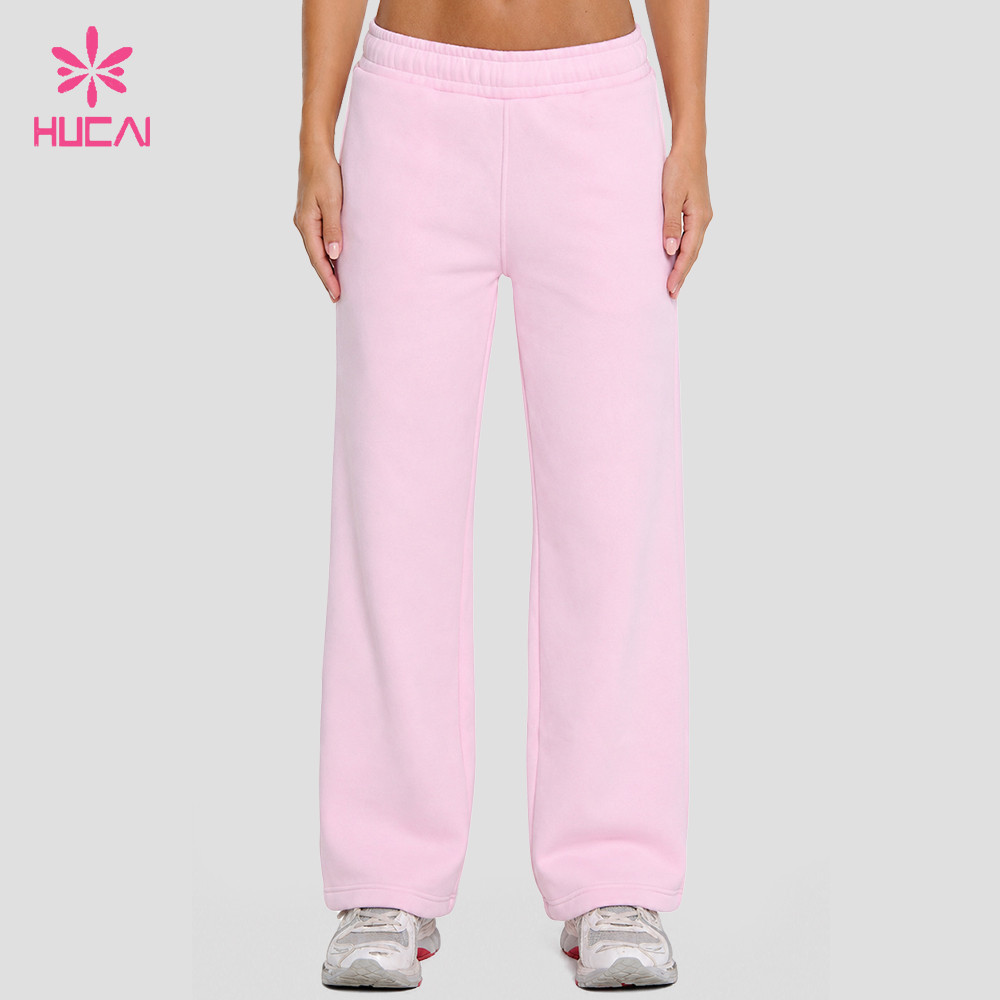
6. Grading and Bulk Control
A bootcut leg cannot be graded by scaling everything by one increment. If the opening grows at the same rate as the waist, smaller sizes read as straight leg and larger sizes as full flare. Grade the opening in smaller steps than the hip, hold the break point below the knee, and check the first and last size rather than only the middle.
Two controls keep the silhouette: a size set cut and measured before bulk fabric is booked, and panel alignment at hem and knee, because a front panel that drifts during cutting changes the visual flare without changing the measurement. In-line checks at cutting catch this earlier than final inspection, which is how HUCAI Sportswear sequences it: pattern review, in-line checks, AQL 2.5-based inspection.
| Check | Method or reference | Point of measure | Proposed acceptance |
|---|---|---|---|
| Hem opening | Finished circumference, flat | Stated distance below knee | Within tolerance chart |
| Break point | Pattern distance from knee line | Outseam | Holds across the grade |
| Panel alignment | Notch to seam check | Panel join at knee and hem | No drift from approved sample |
| Pilling and shrinkage | ISO 12945-2; ISO 6330 | Inner thigh, hem, inseam | Agreed at sample stage |
These are proposed checks, not fixed limits, and are agreed against the approved sample.
Decision Check: Is This Pant Ready for Sampling?
Before a sample is requested, confirm the following:
- Build: brushed, bonded, separate lining or fleece back.
- Opening: hem circumference with a point of measure and a size.
- Break point: distance from the knee line, holding through the grade.
- Knee: flex allowance stated separately from knee width.
- Pile: direction and cutting rule on the marker.
Five confirmed items are enough to cut a first sample; fewer usually costs a revision round.
Plan the Pattern Before the First Sample
With a tech pack, send the measurement chart, lining build and hem and knee points for OEM review. Working from references, send the silhouette, the footwear the pant is sold with and the target climate, and HUCAI Sportswear can turn them into a pattern and fabric brief.
Founder's Technical Insight: Jean Yuan's Development Note
In our sample room, thermal bootcut pants rarely come back over the flare. They come back over the hem. What decides whether the pant survives bulk is how lining and shell move against each other between knee and hem. If the lining is cut to the shell length, it takes up the drop first, the shell hangs short and the hem lifts as the wearer walks. We cut the lining to its own length, join it at the hem and measure the opening on the body. We also watch pile direction at the front panel: two panels brushed in opposite directions look like two fabrics in daylight.
FAQ
What makes a training pant bootcut rather than flare or straight?
Bootcut means the leg stays close through the knee and opens modestly toward the hem; a flare opens earlier and wider, a straight leg keeps almost constant width. Specify it as an opening measurement and a break point.
Should I choose a brushed back or a separate lining?
Brushed-back single knit suits a light winter pant with a clean silhouette. A separate or bonded lining adds warmth but changes seam bulk, drape and hem fall, so the pattern must be adjusted for the build.
Why does a thermal bootcut pant twist at the knee?
Usually from unequal front and back panel length, or a knee too tight once loft is added. The fabric pulls across the kneecap, the hem lifts and the leg spirals; the fix is flex allowance plus separately recorded inseam and outseam.
What causes pilling at the inner thigh and hem?
Loose fibre on a brushed surface plus friction. Dense, short pile pills less, and the hem pills first because it rubs against footwear. Set a method at sample stage, typically Martindale to ISO 12945-2.
How should a bootcut leg be graded across sizes?
Grade the opening in smaller steps than the hip and hold the break point below the knee, then check the first and last size as well as the middle.
What should I send in an RFQ, and what is the MOQ?
Send the measurement chart, thermal build, hem opening with its point of measure, footwear, size range and market. The public MOQ starts from 100 pcs per style; samples usually take about 10 to 15 days, bulk often about 25 to 30 days after approvals.
Final Takeaway
A thermal bootcut pant is decided by two choices and four measurements: the build first, then the hem opening, break point, knee flex allowance and pile direction. Leave any of them to the sample room and the revision round defines them instead.
Next Step
Ready to develop: send your tech pack, measurement chart and lining build for OEM review. Working from references: share the silhouette, footwear and target climate for ODM development. Still comparing: review the custom jogger and flare pant programs, the Nordic winter range and the fabric selection review.
About HUCAI Sportswear
- Founded in 1998, manufacturing women's activewear in Dongguan, China.
- OEM and ODM development across leggings, flare and bootcut pants, joggers and training ranges.
- Fabric and trim review, pattern and sample development, bulk coordination.
- AQL 2.5-based inspection from pre-production review to final inspection.
Current certification information can be reviewed during supplier evaluation based on the project and documentation requirements.