Logo Elastic Waistbands: Developing Durable Branded Activewear Sets
- Share
- Issue Time
- Nov 17,2026
Summary
Logo elastic waistbands fail in bulk when the band is approved flat. This guide sets out band construction options, tension and recovery checks, logo alignment tolerances, wash and perspiration testing, and roll-level lot control for branded legging, bra and short sets, with proposed acceptance limits and RFQ inputs for private label development.
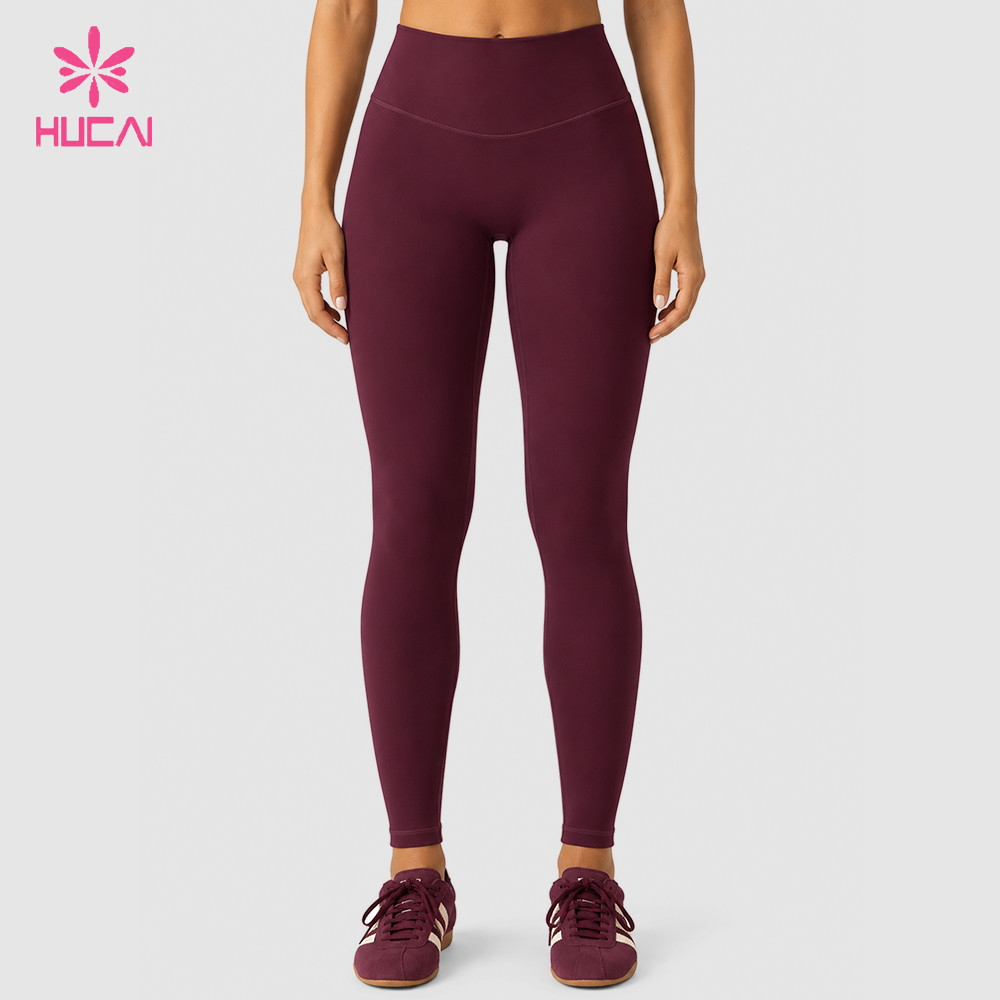
Branded sets often sell on a detail that never reaches the spec sheet: the elastic band at the waist. A custom logo elastic program is briefed with artwork and quoted as a trim, then revised twice. The band is a separate textile component with its own yarn, weave, elongation and dye lot. It does not behave like the body fabric it is joined to, and the mark inside it changes shape whenever the band stretches. The question is not which band looks right flat, but whether band, tension and logo still read correctly after wear and wash. HUCAI Sportswear reviews band specifications with fabric and construction, before sampling.
Quick Answer
Specify the band as a component: type and width, logo method, tension at a stated elongation, application stretch, test methods and grades, and lot control. Agree those before sampling, and distortion, roll-down and shade mismatch appear on the sample, not in bulk.
Table of Contents
Who This Article Is For
- Primary reader: founders and product development managers building a branded set.
- Secondary reader: sourcing managers and technical designers owning the band spec.
- Stage: band chosen visually; tension, logo and wash behaviour undefined.
- Problem: the band looks right on the sample, wrong on the finished garment.
- Not needed if: you buy stock leggings with an approved band.
What you gain: a band specification for your tech pack, a sampling table with proposed limits, and a bulk routine that keeps the band identical across a set.
Why the Band Belongs in the Bill of Materials
Most band failures start with ownership. The brand owns the logo file, the factory owns the sewing, the band mill owns the elastic. Nobody owns the interface, so the band arrives with a width, a colour name and a price. The first sample exposes what nobody discussed: the force holding the waist, how far the logo stretches when worn, and how band and body shrink differently after washing.
A component line fixes that. The band gets its own bill-of-materials entry, approved roll, tension data and test record, like a fabric or zipper, and can be shared across a set once tension and length are set per garment. Public collections show the direction: Casall's Autumn Winter 2026 New In lists an Elastic Logo Belt beside its high-waist tights, a collection observation rather than evidence of demand. Once a band carries the brand, registration and recovery are quality issues.
Band Construction Options and What Each One Can Carry
Four constructions cover most branded sets, differing in mark method, stretch and skin feel.
| Band construction | How the logo is carried | Where it fits, and what to watch |
|---|---|---|
| Woven jacquard elastic | Woven into the structure | Firm hand, defined edges. Watch loom programming and roll minimums. |
| Knitted jacquard elastic | Knitted in, softer surface | Soft underbands. Watch definition and edge curling after washing. |
| Silicone or high-density print | Applied on top of the band | Flexible for fine detail. Watch adhesion and fold cracking. |
| Woven band, plush back | Logo on face, brushed back on skin | Long-wear comfort. Watch cost and a bulkier join. |
The join decides behaviour. A turned-and-stitched coverstitch keeps the band flat; an overlock is cheaper but adds a ridge over the hip bone. Join at a controlled stretch, or hand tension returns as a wavy waistline.
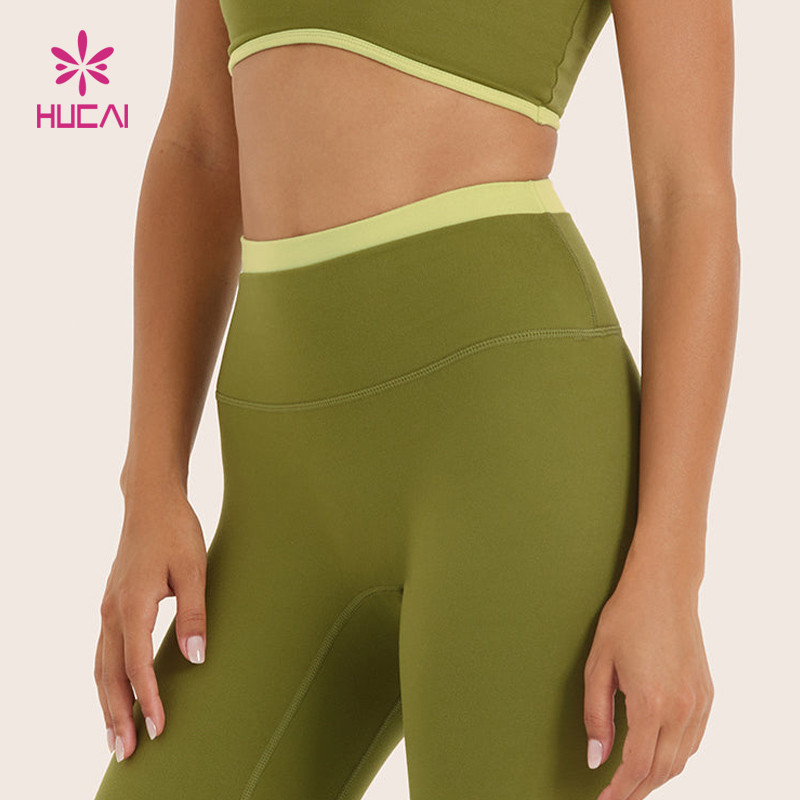
A contrasting band exposes errors a tonal band hides: band width, curved seam and logo centre need one drawing.
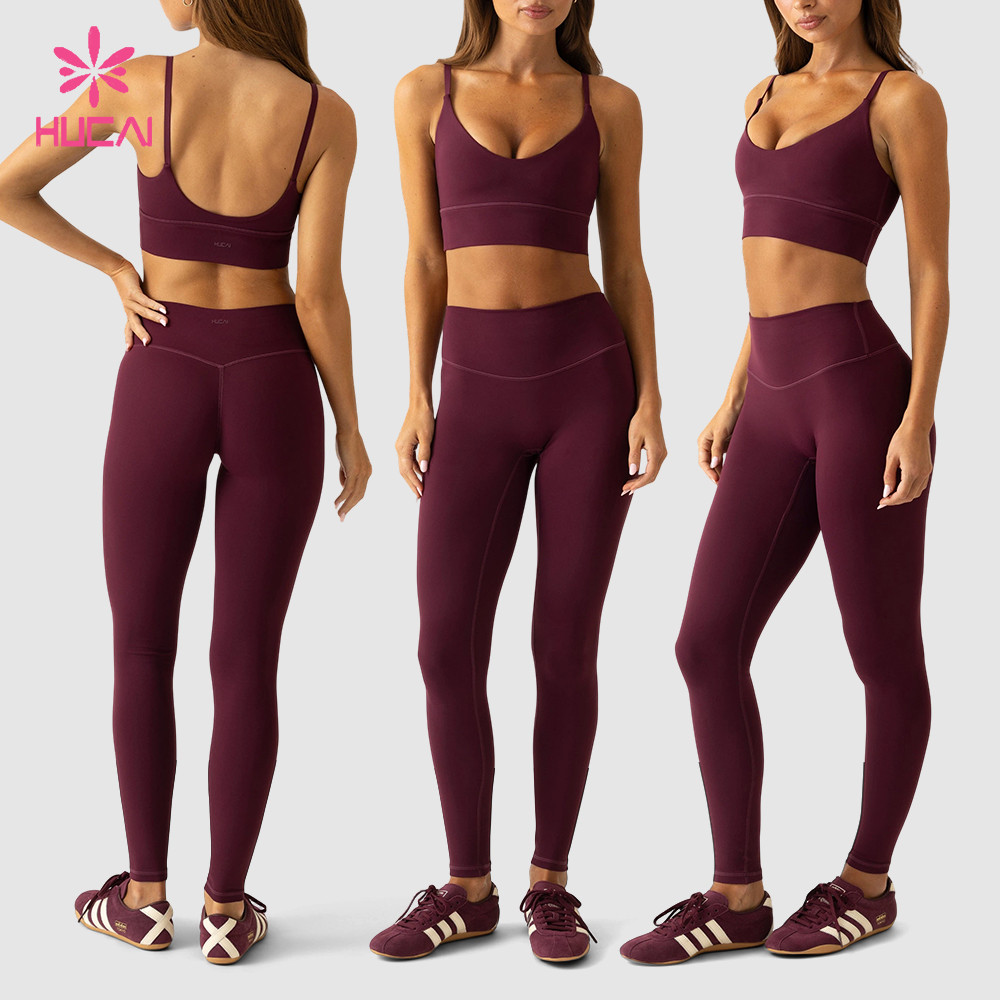
Underbands work on another load path, so a set needs two tension targets from one band spec. A band width that reads clearly on a waistband is often too firm under the bust.
Trade-Offs: Tooling, Minimums and Set Coordination
A woven jacquard band needs a loom program per artwork, with a setup cost and a minimum yardage. One band across underband, waistband and short amortises that program across three styles; unique artwork per style repeats it.
Width trades coverage against construction: wider bands distribute pressure but need more seam allowance and a longer join on lightweight cups. Colour trades match against risk: band and body are different substrates, so a shade matching under one light can separate under another. Approve the match under two light sources.
MOQ needs both numbers: the public garment MOQ starts from 100 pcs per style, while the band mill sets its own minimum in metres or loom time, which can bind earlier.
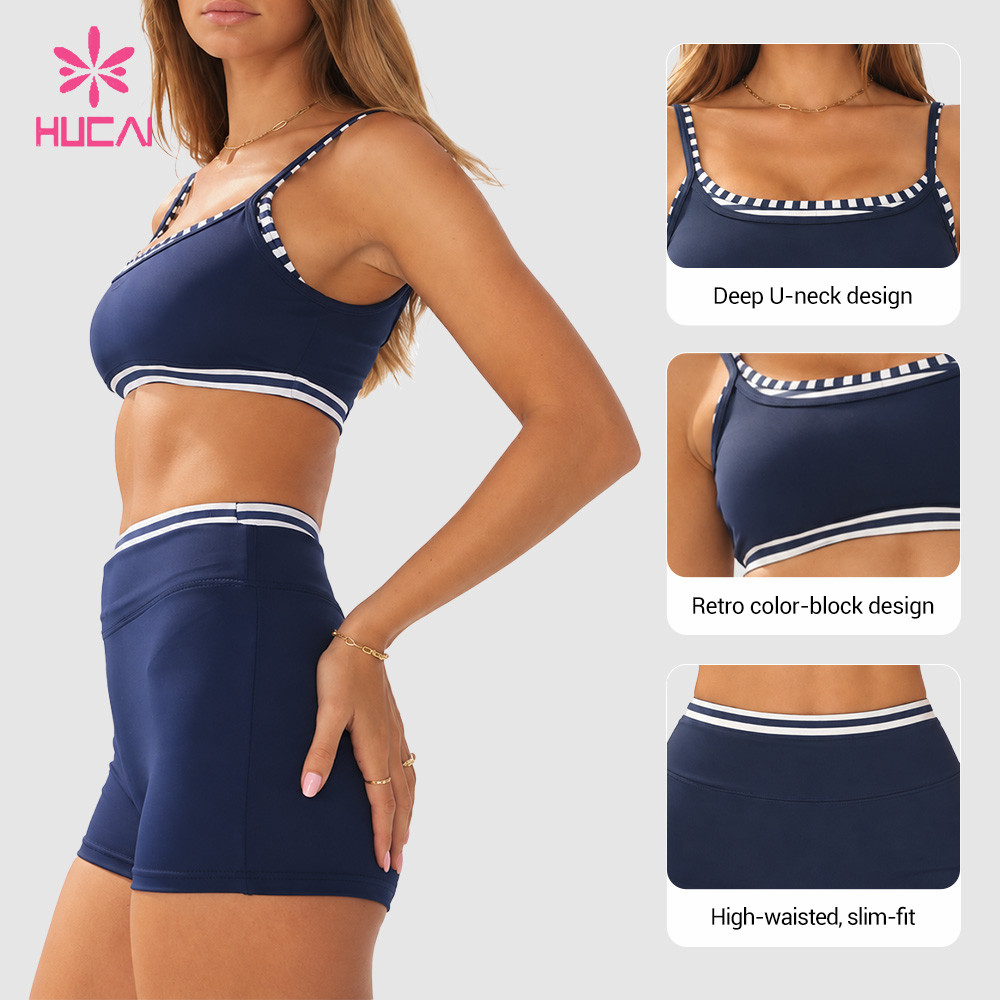
One band across a set only works when the lot is shared. A lot change between the underband and the waistband run is visible on the rail.
Sampling Checks for Logo Elastic Waistbands
Approve the band as worn: extended, on a body, after washing. A relaxed band on a table gives width and logo size, nothing about roll-down or recovery. Limits are proposed, to confirm with the band mill.
| Check | Method or reference | Proposed acceptance |
|---|---|---|
| Band tension | Force at 50% elongation, roll start, middle, end | Inside target; left, right, centre within 5% |
| Application stretch | Cut length as a percentage of the opening | One ratio per size |
| Recovery | Three cycles to 60% elongation | Within 3% of original length |
| Logo position and distortion | Measured and photographed on the worn sample | Centred within 3 mm, off the seam, readable at arm's length |
| Colour fastness | ISO 105-C06, E04, E03 | Grade agreed before sampling |
| Differential shrinkage | Three home washes | Within 1.5% band to body |
| Edge and skin contact | Thirty-minute wear trial | No marking or twisting |
Proposed checks, not published results. An agreed limit becomes the reference for every later roll.
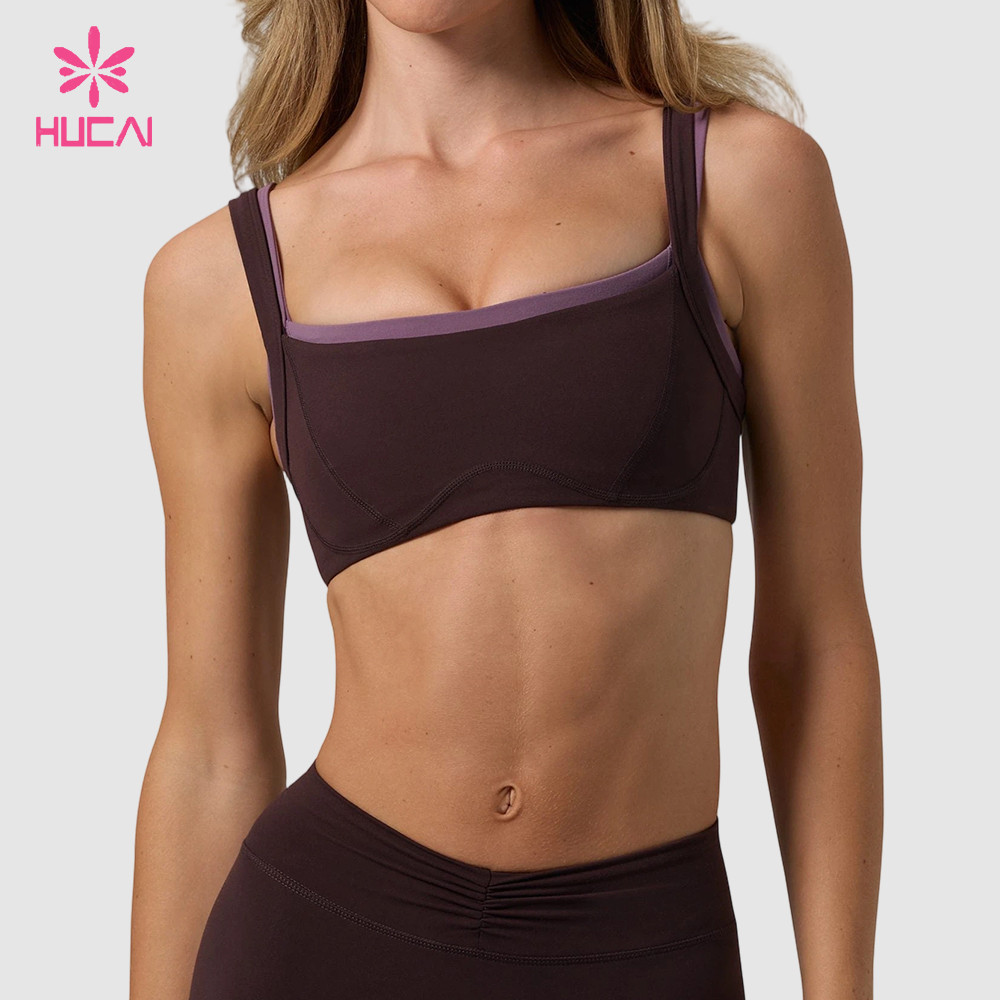
The edge check matters more than the width check: half a millimetre of exposed elastic is felt within minutes, even when every dimension measures correctly.
Bulk Control: Band Lots, Rolls and Joins
Approving a swatch is not approving a roll. A roll carries a lot number, a width tolerance, a tension curve that drifts and registration that can wander. Approve the roll before cutting and keep it as the line reference. Three checks: bowing and skew, because a curved band sews into a wavy waistline; registration at start, middle and end; and shade continuity.
Splices should not fall on a front panel; where unavoidable, put them at a side seam and record them on the cut ticket. Inspection adds AQL 2.5-based sampling to band-specific checks: logo legibility at arm's length, width at three points, no twist, and three pieces per lot washed against the approved sample. HUCAI Sportswear runs these through pre-production, in-process and final inspection.
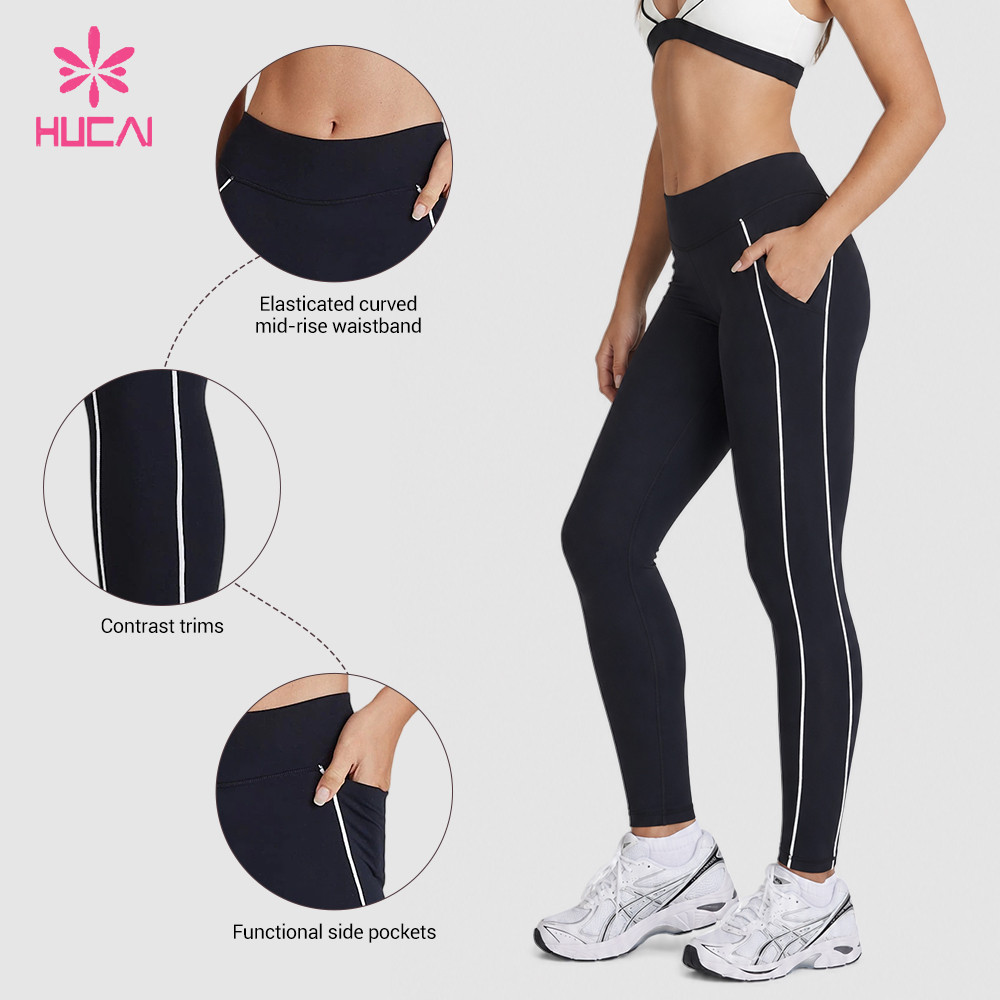
Where waistband, contrast piping and pocket meet within centimetres, a two-millimetre cutting shift also moves the piping.
What to Put in the RFQ
An RFQ with these items can be quoted without a second round, and lets the factory build a band specification, not a price.
- Band: construction and finished width in mm.
- Artwork: vector file, minimum mark height, repeat spacing.
- Colour: references for band and body, with approval light sources.
- Application: cut length per size, or the stretch percentage to work to.
- Skin side: plush, brushed, coated or plain, and soft edge requirement.
- Testing: standards and pass grades your market expects.
- Set scope: pieces sharing the band, pieces per style and colour, band metres.
Buyers with a tech pack and a band reference can start with an OEM review; buyers working from a mood board usually need ODM development. HUCAI Sportswear proposes band construction and logo method before sampling.
Decision Check: Is the Band Ready for Sampling?
Before requesting samples, confirm the following:
- Band on the bill of materials: own line item, width, construction, colour.
- Tension target: force at a stated elongation, separate for waistband and underband.
- Logo drawing: position, repeat and minimum height against the band edge.
- Test plan: wash, perspiration and chlorine methods named, grades agreed first.
- Lot control: roll approval requested, one lot for the whole set.
Three or more confirmed items means the direction is ready for a sample request.
Have a Band Specification Ready?
Send band construction, width, artwork, colour references, cut length per size and target test standards for an OEM review, or share reference images and set structure if the band still has to be chosen. HUCAI Sportswear reviews band, fabric and construction together, so the sample tests the band that goes into bulk.
Founder's Technical Insight: Jean Yuan's Development Note
When brands bring us a logo band, the sample room sees the same failure in the same place. The artwork is correct, the band is correct, and the finished waistband is wrong, because the logo sits across the zone that stretches most when the garment is pulled on.
A printed mark on elastic is a layer on a surface that elongates. Across the front centre of a high-rise waistband it stretches every time the garment goes on, then folds on the same line every wash, so the print cracks from the fold and the letterforms widen. It rarely fails because the print was applied badly; it fails because placement was decided flat.
Three changes prevent most of it: move the mark to a low-extension zone or split it so no letter sits on the fold; weave rather than print for fine detail; and test at worn extension before approval. One point buyers rarely hear: band and body shrink on different curves, and the difference shows as puckering after the first wash. Ask for a three-wash comparison.
FAQ
What is a logo elastic waistband?
An elastic band with the brand mark woven or printed into it, used as the visible waist finish. It has its own stretch and dye lot, so approve it apart from the fabric.
Can the logo be woven in rather than printed?
Yes. Woven jacquard carries the mark inside the structure, so letterforms stay stable. Trade-offs: loom program, minimum yardage, firmer hand.
What MOQ applies to a custom logo elastic set?
The public garment MOQ starts from 100 pcs per style; the band mill sets a separate minimum in metres or loom time.
How long does development take with a new band?
Sample development usually takes about 10-15 days once band and artwork are confirmed; bulk often takes 25-30 days after approvals.
Why does the logo look stretched on the finished legging?
The band is extended when sewn, so a mark in a high-stretch zone widens. Move it, reduce application stretch, or switch to weaving.
Which wash tests should be specified?
Name the method and grade before sampling: ISO 105-C06 wash, ISO 105-E04 perspiration, ISO 105-E03 chlorine, for band and body.
Final Takeaway
A logo elastic waistband is durable only when treated as a component: its own bill-of-materials line, tension target, artwork drawing, test plan and approved roll. Samples rarely fail because the band was wrong, but because it was approved flat, without anyone extending it, washing it or matching it to the fabric beside it.
The next step is preparation: put band width, construction, logo method, cut length and test grades on one page, then use it for the sample request and bulk record.
About HUCAI Sportswear
- Founded in 1998, manufacturing women's activewear in Dongguan, China
- OEM and ODM development for leggings, sports bras, shorts, tops and sets; public MOQ from 100 pcs per style
- Band, fabric and trim review in sample development, with sample-to-bulk control
- AQL 2.5-based inspection in pre-production, in-process and final checks
Current certification information can be reviewed during supplier evaluation based on the project and documentation requirements.